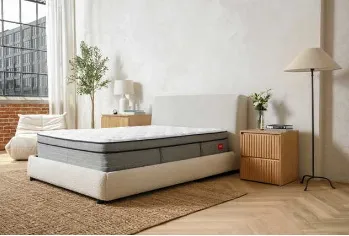
Skip to Content Subscribe Our Offers My Account Manage My Subscriptions FAQ Newsletters Canada Canadian True Crime Canadian Politics Health World Israel & Middle East Financial Post NP Comment Longreads Puzzmo Diversions Comics NP News Quiz New York Times Crossword Horoscopes Life Eating & Drinking Style Sponsored Play for Ontario Travel Travel Canada Travel USA Travel International Cruises Travel Essentials Culture Books Celebrity Movies Music Theatre Television Business Essentials Advice Lives Told Tails Told Shopping Buy Canadian Home Living Outdoor Living Kitchen & Dining Tech Style & Beauty Personal Care Entertainment & Hobbies Gift Guide Travel Guide Amazon Prime Day Deals Savings National Post Store More Sports Hockey Baseball Basketball Football Soccer Golf Tennis Driving Vehicle Research Reviews News Gear Guide Obituaries Place an Obituary Place an In Memoriam Classifieds Place an Ad Celebrations Working Business Ads Archives Healthing Epaper Manage Print Subscription Profile Settings My Subscriptions Saved Articles My Offers Newsletters Customer Service FAQ Newsletters Canada World Financial Post NP Comment Longreads Puzzmo Diversions Life Shopping Epaper Manage Print Subscription HomeLifeSelf Care: Is your mattress making you tired? You can save this article by registering for free here. Or sign-in if you have an account.If you wake up tired in the morning every day and your mattress is over 8 to 10 years old, it may be time to consider buying a new one. EndyAfter sleeping on the same mattress since 2008, Vancouverite Lindsay Nieminen had enough of the lumps. Comfort was her top priority, and she was willing to pay for it.Enjoy the latest local, national and international news.Exclusive articles by Conrad Black, Barbara Kay and others. Plus, special edition NP Platformed and First Reading newsletters and virtual events.Unlimited online access to National Post.National Post ePaper, an electronic replica of the print edition to view on any device, share and comment on.Daily puzzles including the New York Times Crossword.Support local journalism.Enjoy the latest local, national and international news.Exclusive articles by Conrad Black, Barbara Kay and others. Plus, special edition NP Platformed and First Reading newsletters and virtual events.Unlimited online access to National Post.National Post ePaper, an electronic replica of the print edition to view on any device, share and comment on.Daily puzzles including the New York Times Crossword.Support local journalism.Create an account or sign in to continue with your reading experience.Access articles from across Canada with one account.Share your thoughts and join the conversation in the comments.Enjoy additional articles per month.Get email updates from your favourite authors.Create an account or sign in to continue with your reading experience.Access articles from across Canada with one accountShare your thoughts and join the conversation in the commentsEnjoy additional articles per monthGet email updates from your favourite authorsSign In or Create an Accountor“It was time for an upgrade. Since switching, I’ve noticed I wake up without feeling sore in my back and hips. It was absolutely worth the $2,000 price tag,” she says.It’s a familiar problem. But in a market saturated with sleep claims, coil counts and cooling covers, knowing what actually warrants that kind of investment is harder than it sounds. Walk into any mattress showroom or website, and you’re met with a barrage of claims. Pressure relief, spinal alignment, copper-infused foam, cooling gel covers, coil counts — the promises and claims stack up quickly. Some of it is real, but a lot of it is noise.“Coil counts and cooling covers are showroom language,” says Jack Dell’Accio, founder of Canadian brand Essentia Organic Mattress. “If it doesn’t improve your sleep architecture, it’s marketing.”What actually affects sleep quality, as supported by research, is how well a mattress redistributes pressure and whether its materials allow your body to regulate temperature through the night. Essentia Organic Mattress founder Jack Dell’Accio warns against being overresponsive to marketing tactics, when it comes to buying a mattress.“Proper spinal alignment prevents stiffness, pressure relief reduces discomfort and tossing, and breathability helps you stay cool and in deeper sleep. Everything should support those fundamentals.If it doesn’t improve comfort, it’s often just noise,” says Van Kutrowski, manager of Retail & Product Experience at Endy.Pressure pinpointsMattresses that reduce pressure points, such as shoulders and hips, and keep the spine in neutral alignment are linked to less joint and muscle pain, fewer nighttime awakenings and improved perceived sleep quality.A 2008 study in the Journal of Chiropractic Medicine found that participants who replaced their mattresses (average age: 9.5 years), reported a 55.3 per cent improvement in sleep quality and a 48.9 per cent reduction in back pain.A 2015 systematic review in Sleep Science confirmed that mattress design directly influences sleep comfort, pain levels and spinal alignment. While most research suggests medium-firm mattresses suit the widest range of sleepers, optimal firmness ultimately depends on each individual’s body type, sleep position and pain points.Taking temperatureHumans sleep best when our core body temperature drops slightly at night. Sleeping too hot can disrupt that process.Research published in Physiology and Behavior found that a mattress drawing heat away from the body measurably increased slow-wave sleep, the deepest, most restorative stage, compared to a conventional mattress. Overly warm mattresses don’t just feel uncomfortable. They reduce the time your brain spends in the sleep stages that restore physical and cognitive function.How a mattress handles heat depends on its materials. Traditional memory foam mattresses tend to trap heat because they contour closely to the body and limit airflow, though newer designs aim to reduce this. Innerspring and hybrid mattresses often sleep cooler, thanks to air circulating through their coil layers. Natural latex, with its more open structure, is generally less heat-retentive than memory foam, while materials like wool can wick moisture and help regulate surface temperature.When is it time to upgrade your mattress?You probably already know if your mattress is working against your sleep. But at what point does an upgrade make a measurable difference?Watch for signs like waking up tired after a full night, persistent morning stiffness or sleeping noticeably better in a hotel or guest bed — though these symptoms can also point to menopause or sleep apnea. If you’ve ruled those out, or your mattress is more than eight to 10 years old, it may be time for a replacement. Many manufacturers offer generous return and exchange policies.“At that point, a mattress change is not a comfort upgrade,” says Dell’Accio. “It’s a performance decision, the same way an athlete would evaluate anything else in their recovery that’s producing poor results.” Join the Conversation This website uses cookies to personalize your content (including ads), and allows us to analyze our traffic. Read more about cookies here. By continuing to use our site, you agree to our Terms of Use and Privacy Policy.
Self Care: Is your mattress making you tired?
After sleeping on the same mattress since 2008, Vancouverite Lindsay Nieminen had enough of the lumps.
1,103 words~5 min read