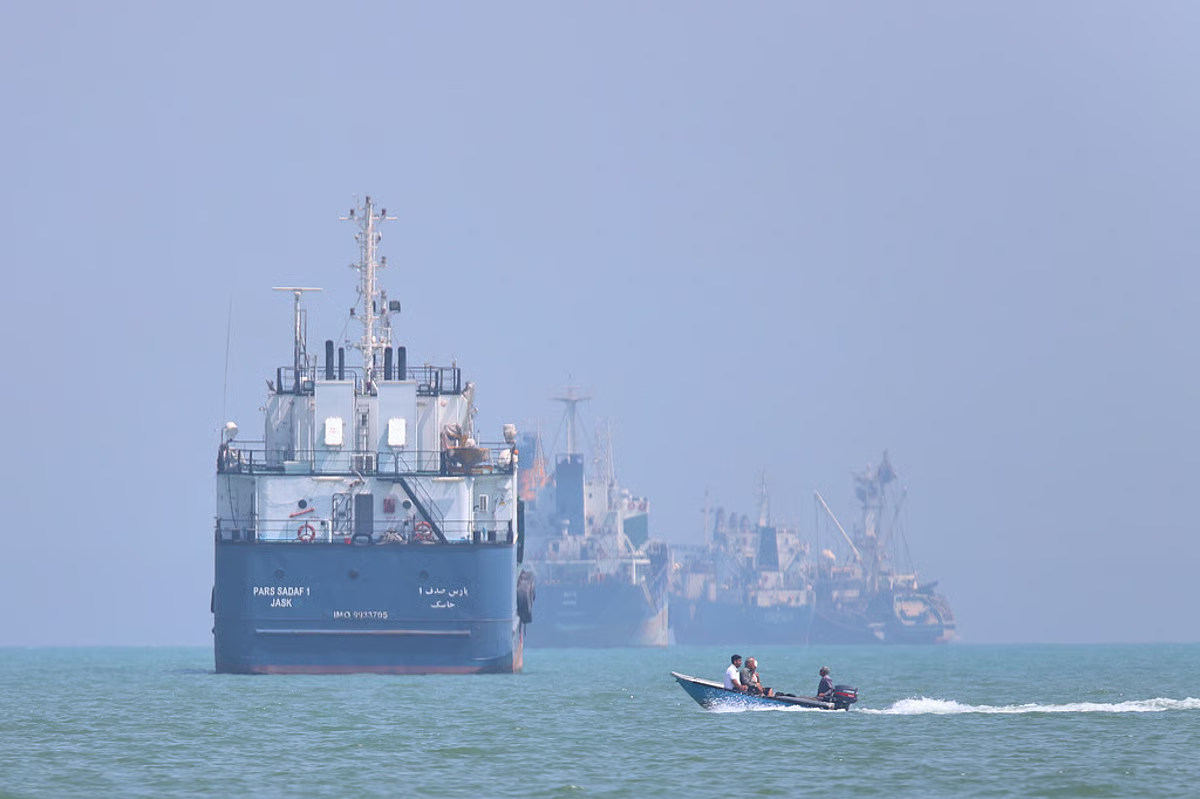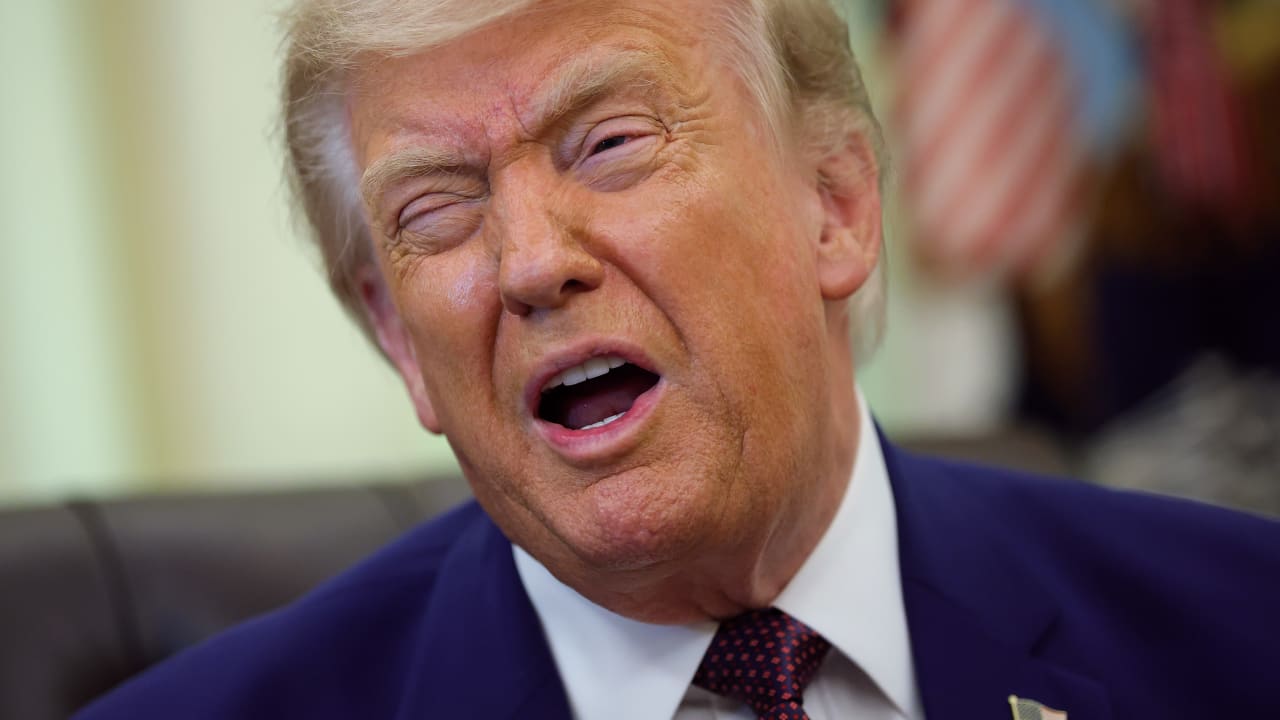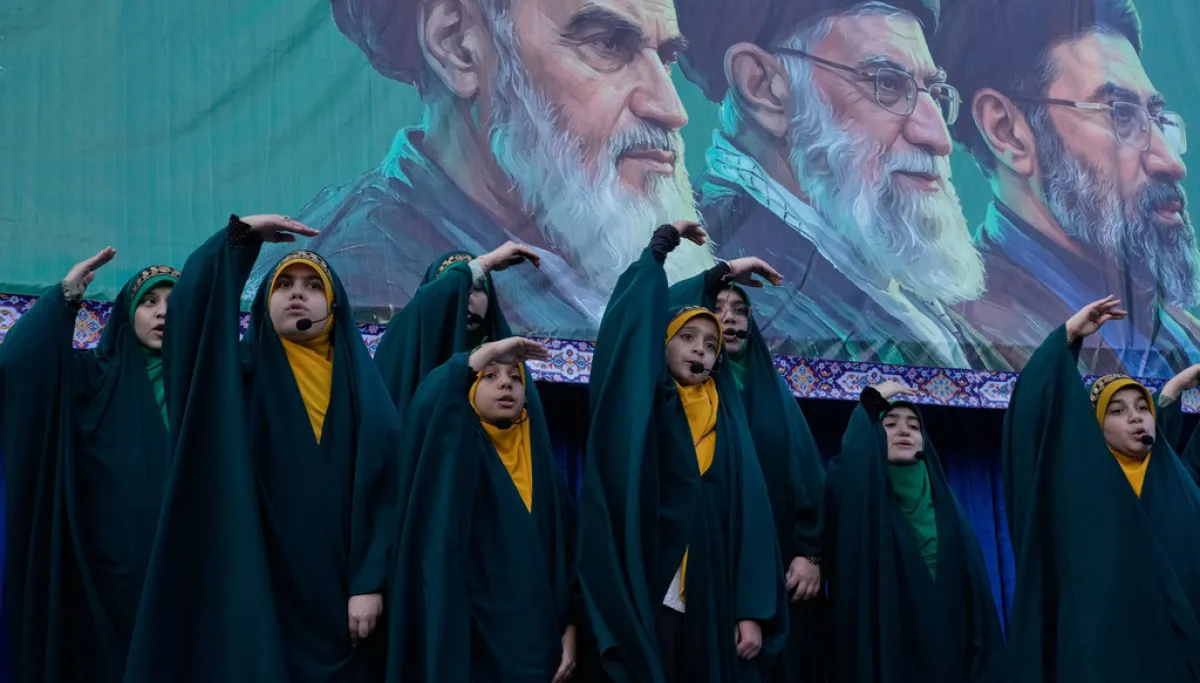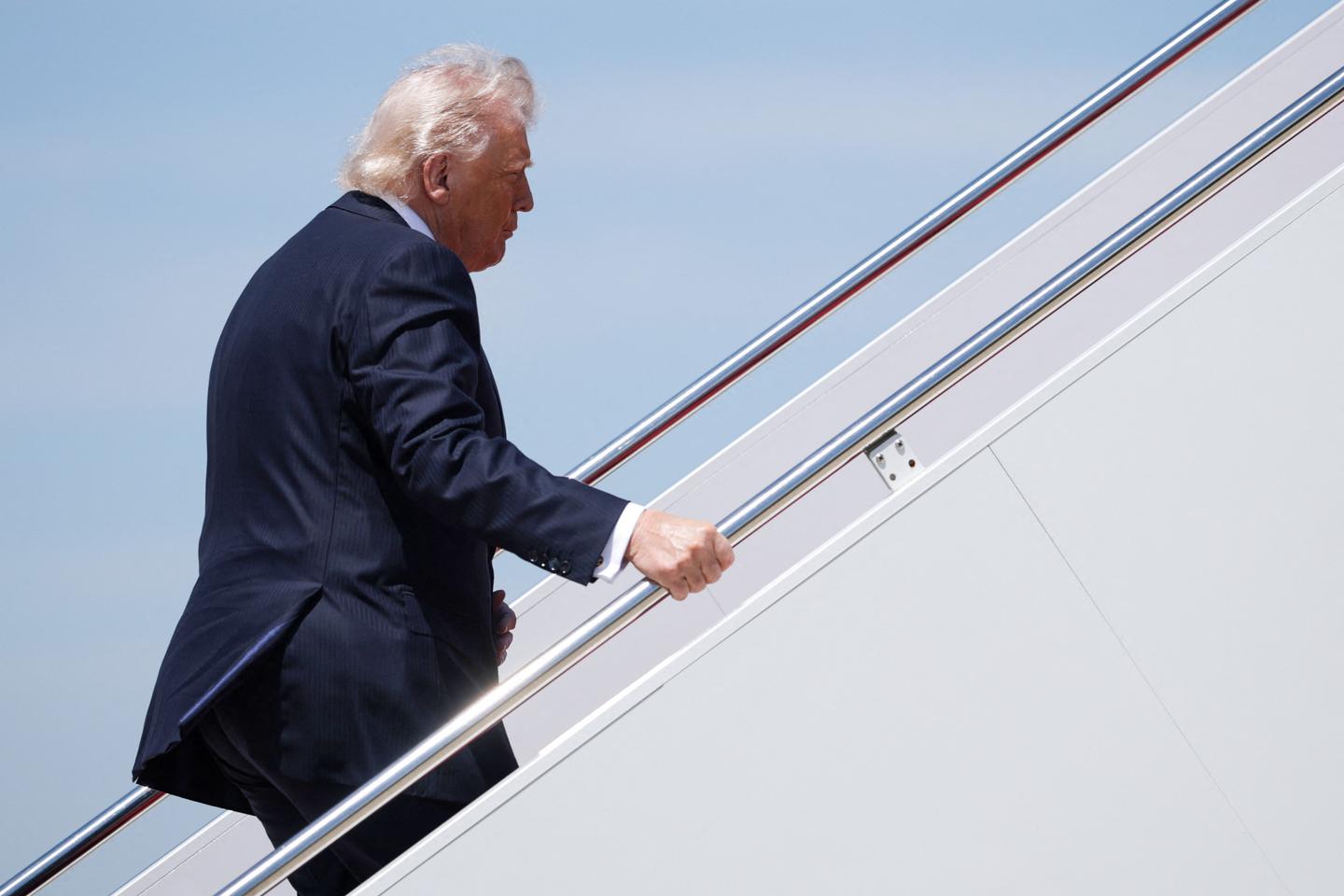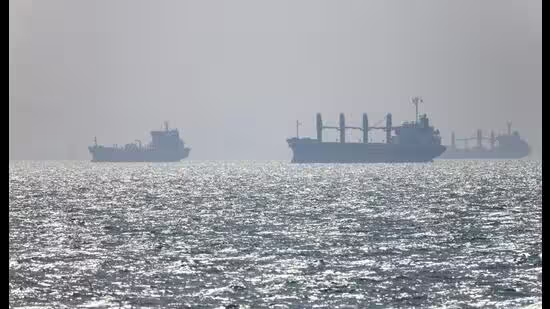
There’s something rotten in Washington, the District of Columbia. Increasingly, messages about peace negotiations sound identical to declarations of war. After more than a month of relative peace in the region, allowing the US and Iran to consider the points of their respective common minimum programmes, a peace deal still does not seem to appear on the horizon. With a fresh volley of attacks on and from Iran, West Asia is again looking at a full-scale military crisis. US President Donald Trump seems to have discarded his recent unwillingness to resume war with Iran.Though acting nonchalant, the US is perturbed by Iran’s leverage over the Strait of Hormuz. (West Asia News Agency via Reuters)It is, however, his defence secretary’s stance that is more attention-worthy here. Pete Hegseth has said, “If we need to negotiate with bombs, we will negotiate with bombs”. What variety of peace gets negotiated with bombs? Perhaps the kind that North Korea has secured for itself. Trump’s second term has been characterised by an unmistakable acing by his administration of the “crazy fearsome cripple” gambit.Why a superpower would like to encourage a perception of extreme lethality emanating from irrationality — something a weak, isolated, or economically crippled State like North Korea has been relying on — is a mystery. With a consistent stream of inconsistent messaging about US intentions, Iran’s willingness to come to the table, and the effectiveness of mediators like Pakistan and Qatar from both the White House and Pentagon, any prospect of peace looks far-fetched.With every US-Israel strike against its territory, Iran has been upping the ante. The attacks on US infrastructure in Jordan is the latest in this schema. Tehran seems to be betting on its neighbours’ inability and unwillingness to absorb the shocks of an essentially imposed war. The coercive diplomacy practised by the US is being challenged by Iran’s canvassing in the region against external interferences. Though acting nonchalant, the US is perturbed by Iran’s leverage over the Strait of Hormuz. Despite economic devastation, Iran is unlikely to capitulate to the US terms.For India, this state of undeclared war is proving costly. The curtailment of the cooking gas cylinder subsidy, hike in fuel prices, military attacks claiming the lives of Indian sailors in the region, and the anticipated long-term economic ramifications of the situation ought to propel India’s diplomatic overtures. The government must activate all its good offices to safeguard India’s interests.
The cost of America’s strategic gambit: Lessons for a changing global order
US messages about peace talks sound identical to declarations of war. It is very difficult to negotiate peace with bombs
401 words~2 min read