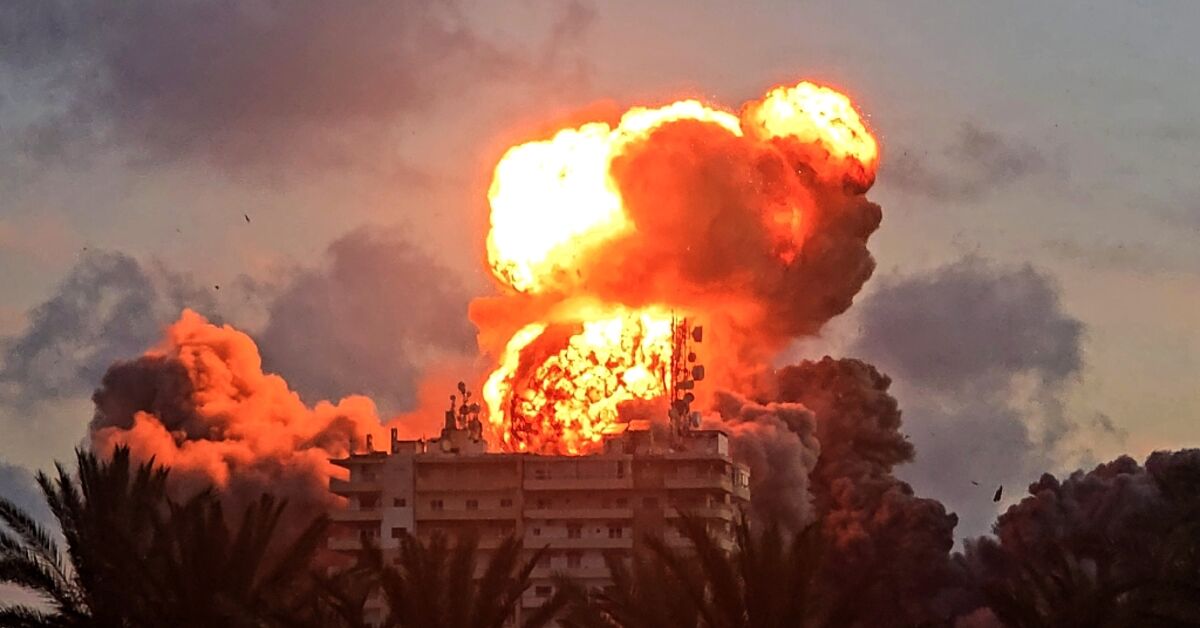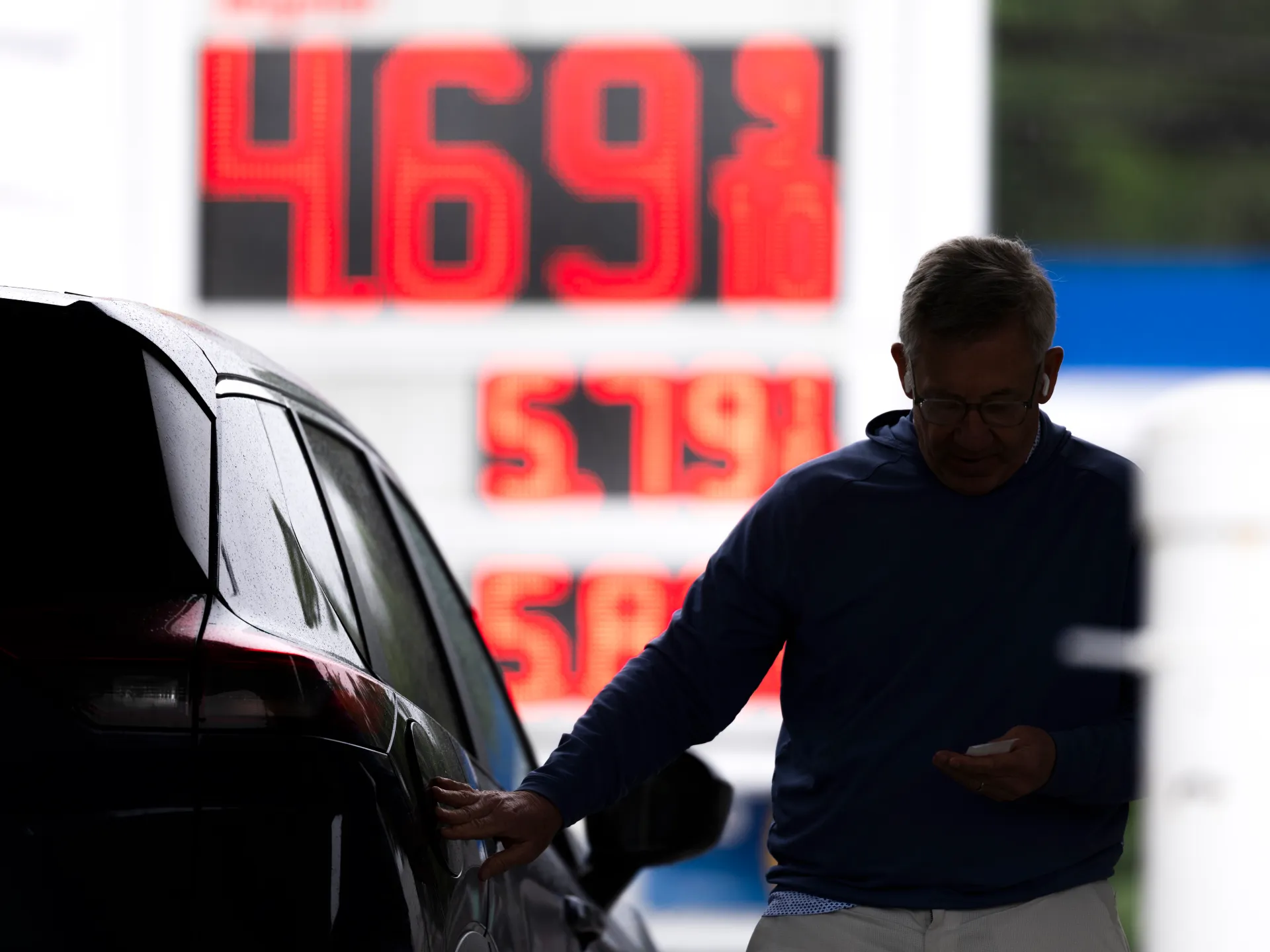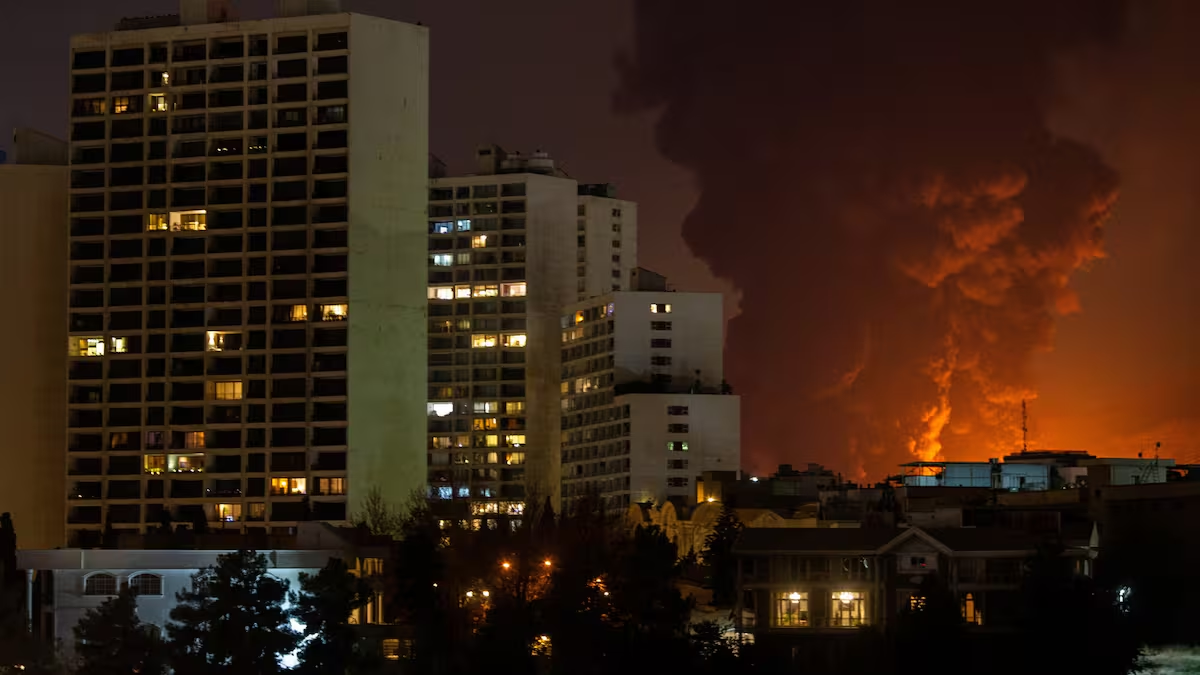
The World Bank’s latest Global Economic Prospects report paints a picture of an economy buckling under the weight of compounding crises. Global GDP growth is now projected at just 2.5% for 2026, dragged down by the escalating military conflict involving Iran and the cascading energy shock it has unleashed.
That 2.5% figure matters because it represents the kind of growth rate where the global economy is technically expanding but most people on the ground don’t feel it. For emerging markets, it’s even worse: per-capita income growth is projected to be the weakest since the pandemic years.
The Strait of Hormuz problem
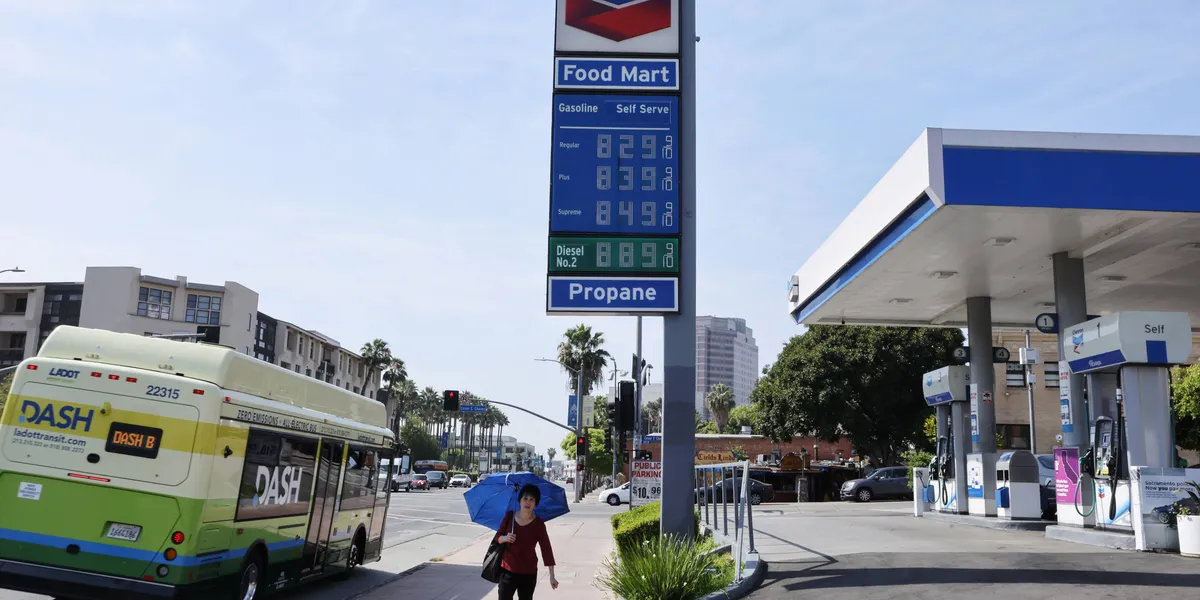
When the strait closed on March 4, 2026, Brent crude prices surged past $120 per barrel. The International Energy Agency has characterized the resulting disruption as the largest oil supply shock in history.
The conflict didn’t materialize out of nowhere. Heightened military actions began in 2025 and intensified through early 2026, creating a slow-motion crisis that markets had time to fear but not enough time to prepare for.