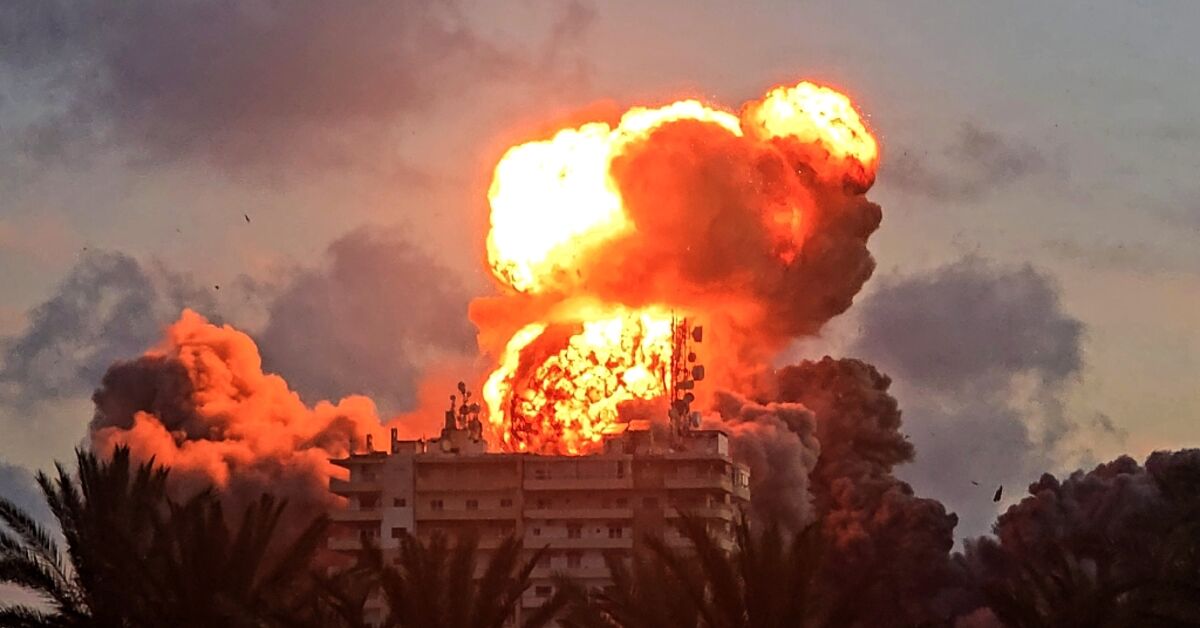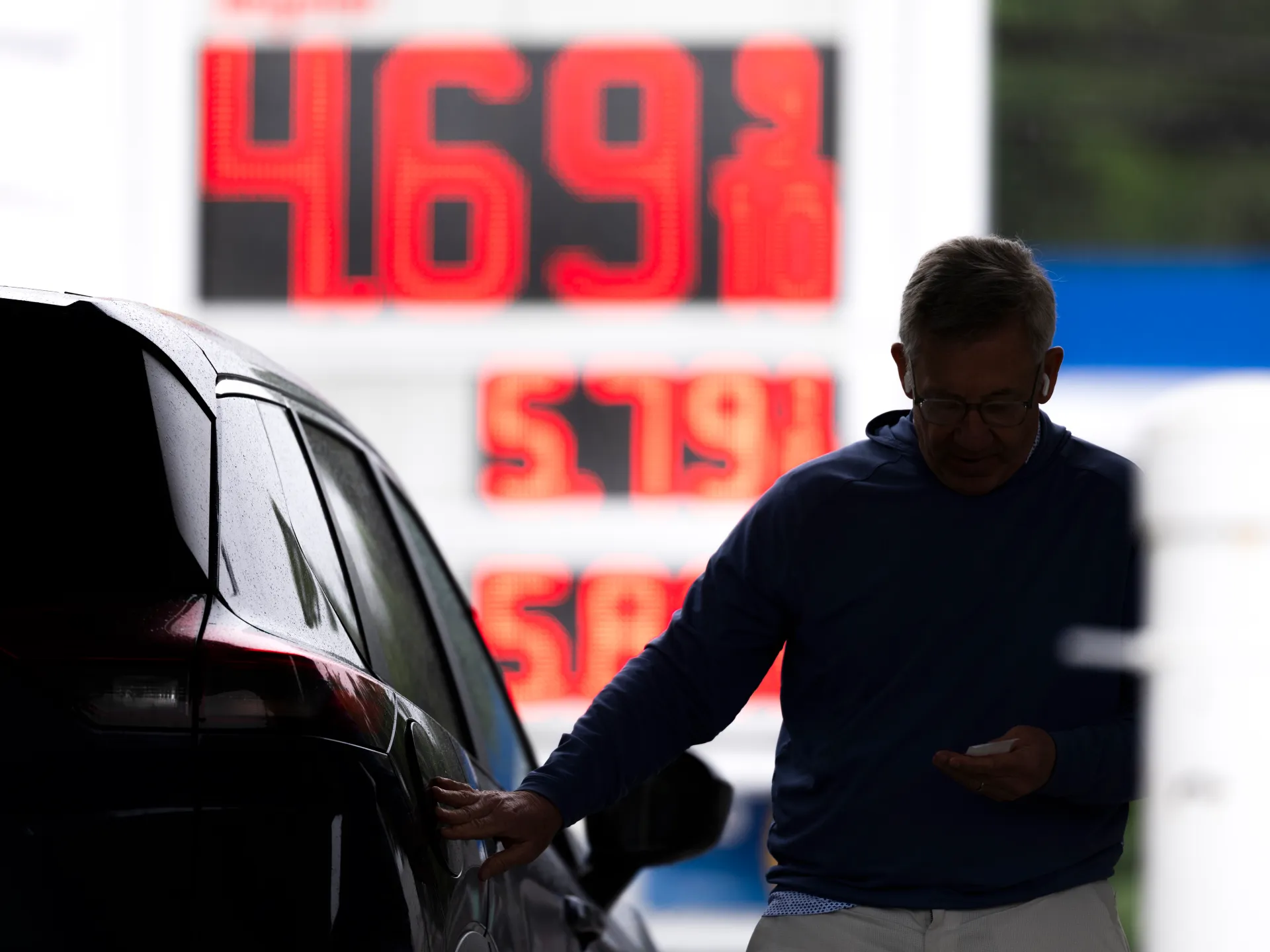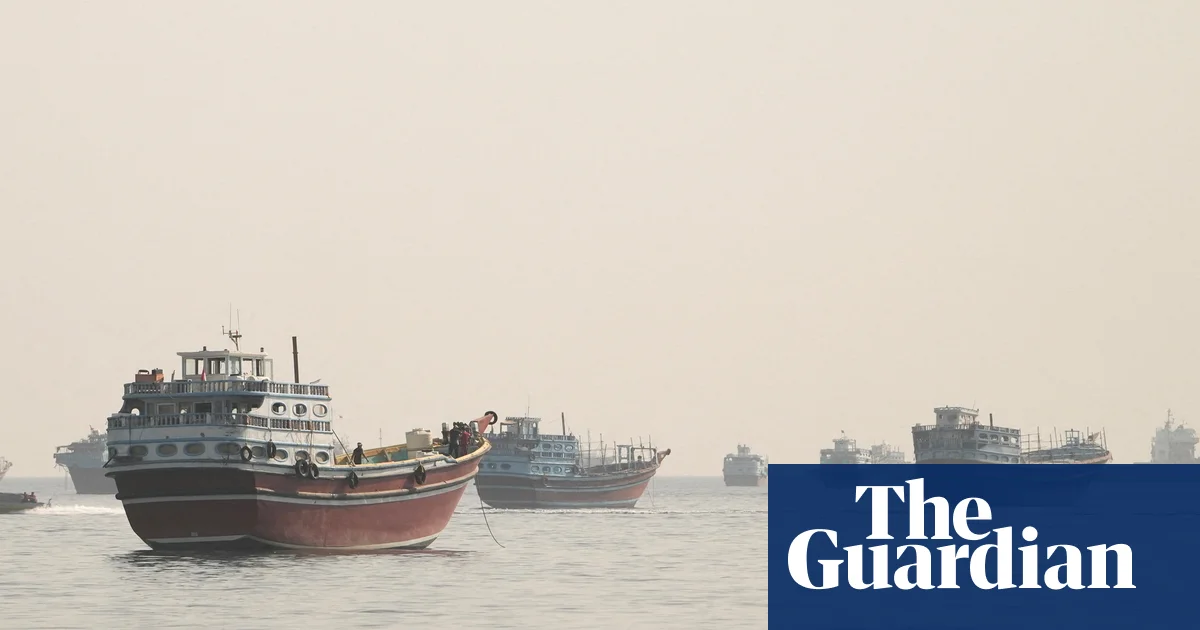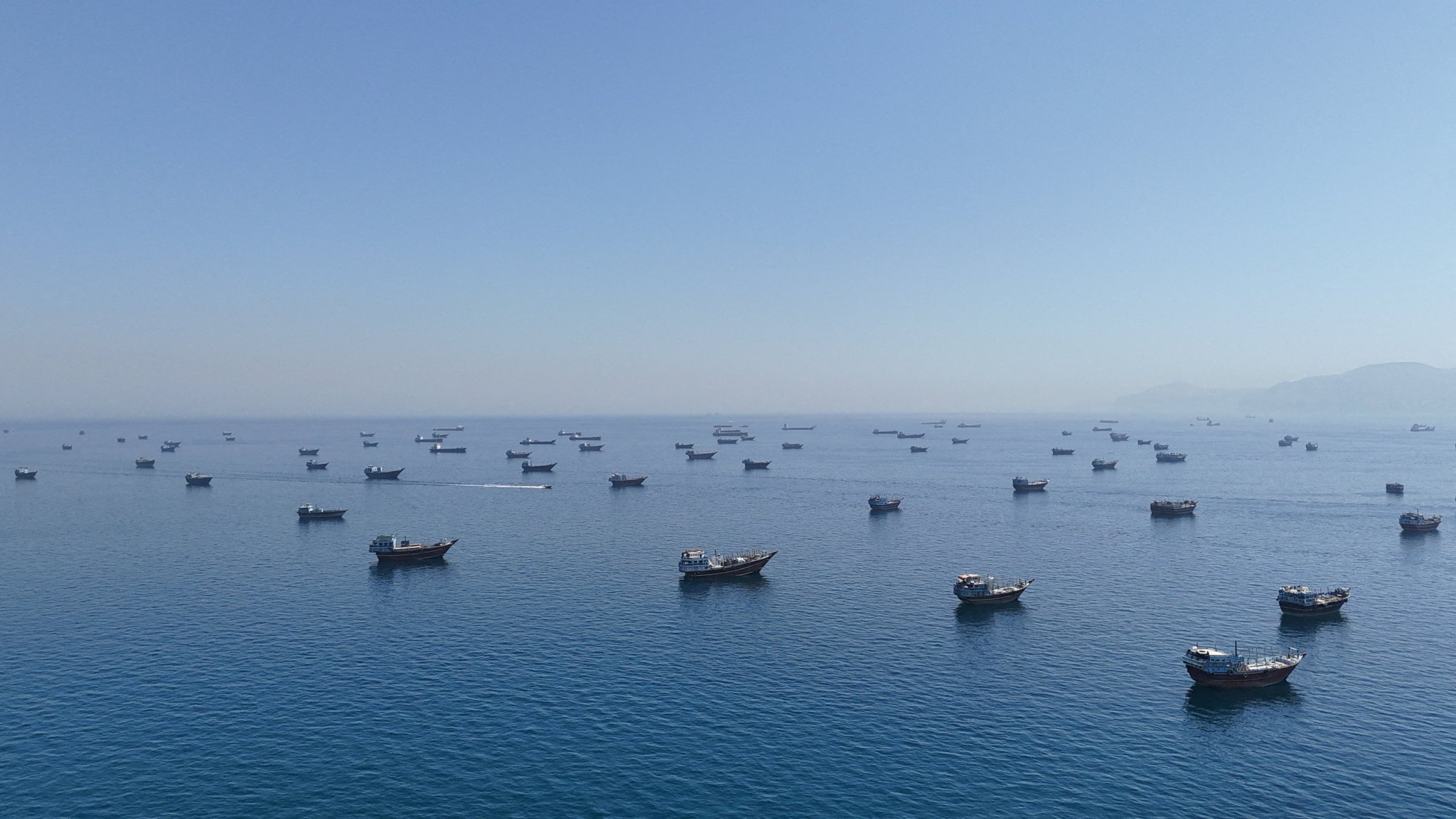
The World Bank cut its outlook for global growth this year and said two-thirds of economies have seen prospects deteriorate as the Middle East war disrupts commodity flows and raises the cost of imports.The bank predicts that Brent crude will average $94 a barrel this year, up some 50% from its January projection. (AP Photo)The world economy will expand 2.5% in 2026, the Washington-based lender said in a report published Thursday. That’s down from a January forecast of 2.6%, and would be the lowest figure since Covid-19 triggered a global recession in 2020.A surge in energy prices since the US-Israeli attack on Iran in February is pushing up inflation and hurting countries that depend on imported fuel. The bank predicts that Brent crude will average $94 a barrel this year, up some 50% from its January projection.“This is the biggest supply shock in more than 50 years,” said Chief Economist Indermit Gill. “If the conflict persists, the next thing that will be affected is food prices.”The bank said risks to its outlook are skewed to the downside. Global growth could fall to 1.3% this year if “energy supply disruptions prove more severe than assumed and are accompanied by substantial financial stress.”The US economy is expected to grow 2.2% this year, unchanged from the January forecast, the bank said. China’s outlook was revised down to 4.2% from 4.4%.Global headline inflation is forecast to climb to 4% this year, from 3.3% in 2025, and could rise as high as 4.4% in the event of a prolonged war.Lost GroundEmerging and developing economies have been hit especially hard by the repeated shocks of the 2020s, the bank said. Excluding India and China, per-capita incomes in these countries have lost ground relative to their wealthier peers since the pandemic and likely won’t recover it before 2028, “implying nearly a decade of lost income convergence.”Much of the hope for brighter global prospects in the 2030s hinges on artificial intelligence and its ability to boost productivity, according to the report. That could reverse a structural slowdown of the economy, and potentially turn the coming decade into “a golden era for job creation and growth.”Still, any positive impact may not be evenly shared between advanced and developing economies, with the latter having “weaker digital infrastructure and skills, and lower exposure of jobs to AI.”The World Bank said it’s stepping up support this year for weaker economies at risk from the Mideast war. Among measures cited in the report:The bank is making as much as $60 billion in credit available through existing instruments, including $25 billion of pre-arranged financingMore than 30 countries are actively working with the bank “to enhance readiness and enable a rapid response to the crisis”The bank added that it could scale up its support to between $80–100 billion over 15 months
World Bank Says global growth to slow to 2.5%, two-thirds of economies face hit from US-Iran war
The world economy will expand 2.5% in 2026, the Washington-based lender said in a report published Thursday. That’s down from a January forecast of 2.6%. | World News
466 words~2 min read