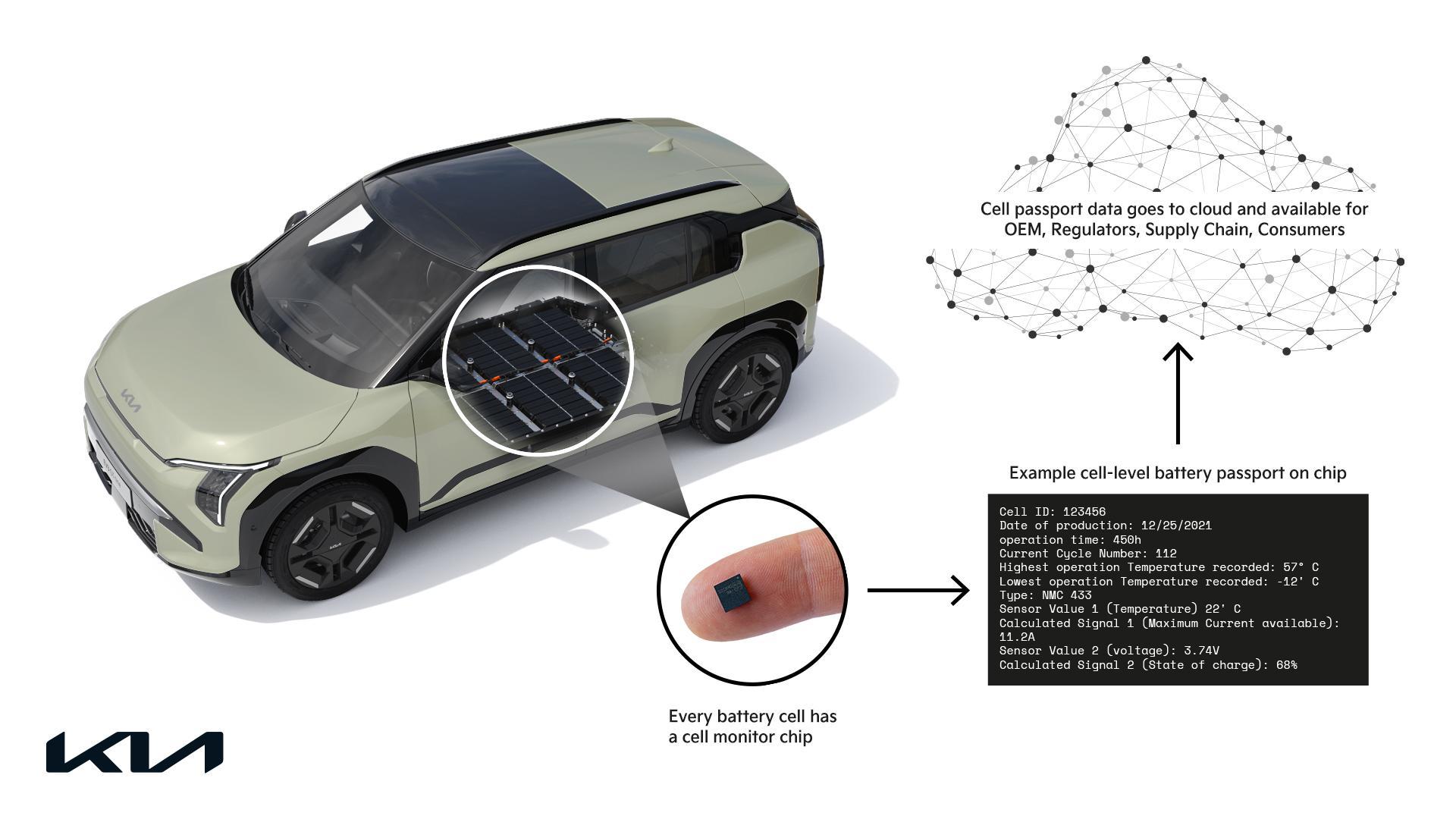
The new regulation requires carbon footprint labelling, recycled-content quotas, and other measures that will be phased in gradually, while the Passport itself requires all battery parts and products to feature QR code labelling to denote their origin.
The Battery Passport has also been touted as a means to strengthen the supply chain of the European battery energy storage system (BESS) sector by providing a more robust database of material and component origin and performance.
Hadi Moztarzadeh, head of technology trends at the Advanced Propulsion Centre UK, who delivered a presentation on the passport in the hours after Pacner’s panel discussion, said that the upcoming introduction of the Battery Passport means “the era of ‘we’ll figure out battery compliance later’ is over”.
‘The era of ‘we’ll figure out battery compliance later’ is over,’ said Hadi Moztarzadeh. Image: Solar Media.
However, Pacner acknowledged that there have been challenges involved in its implementation.