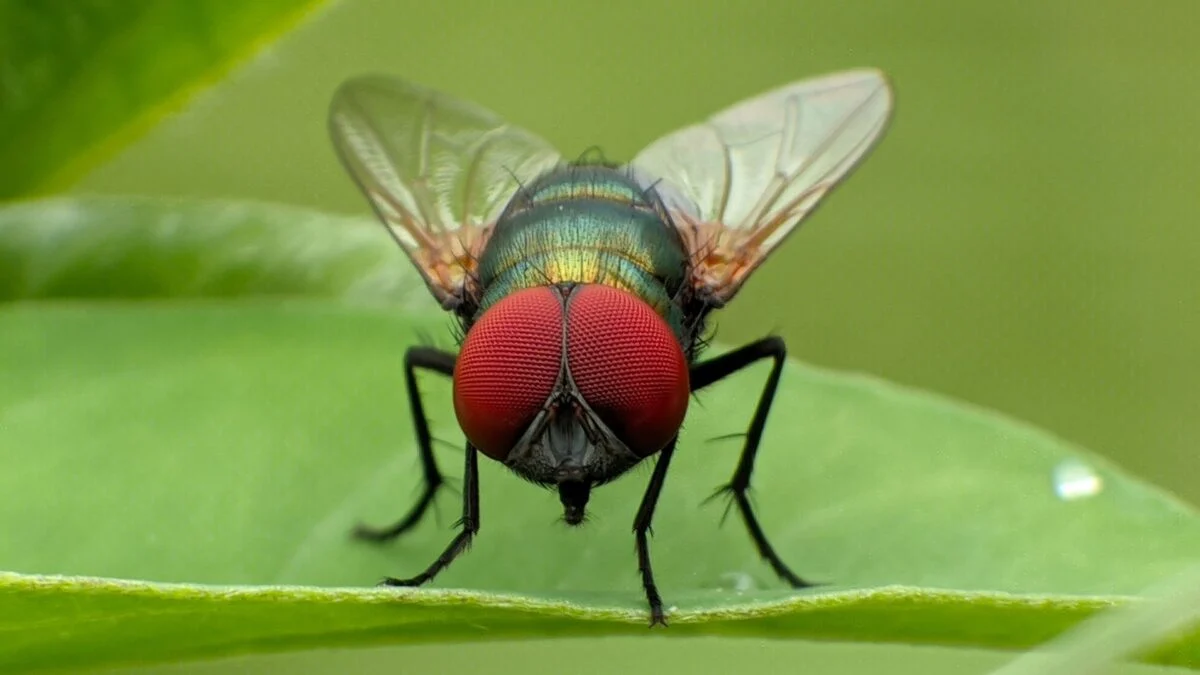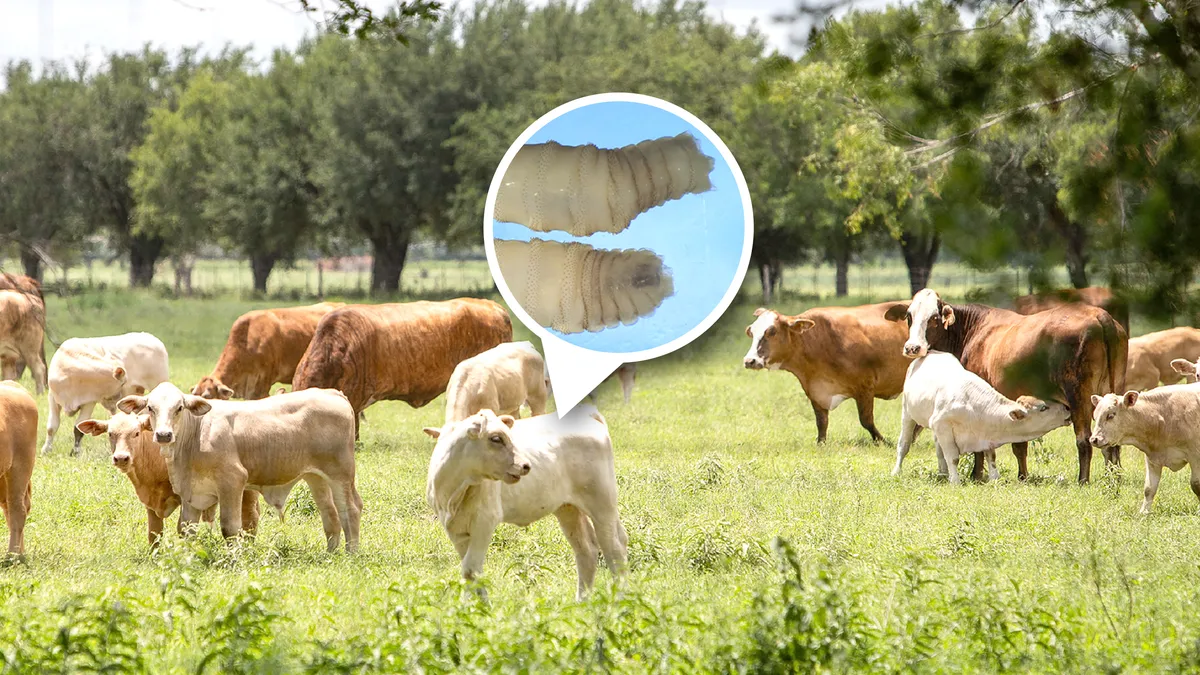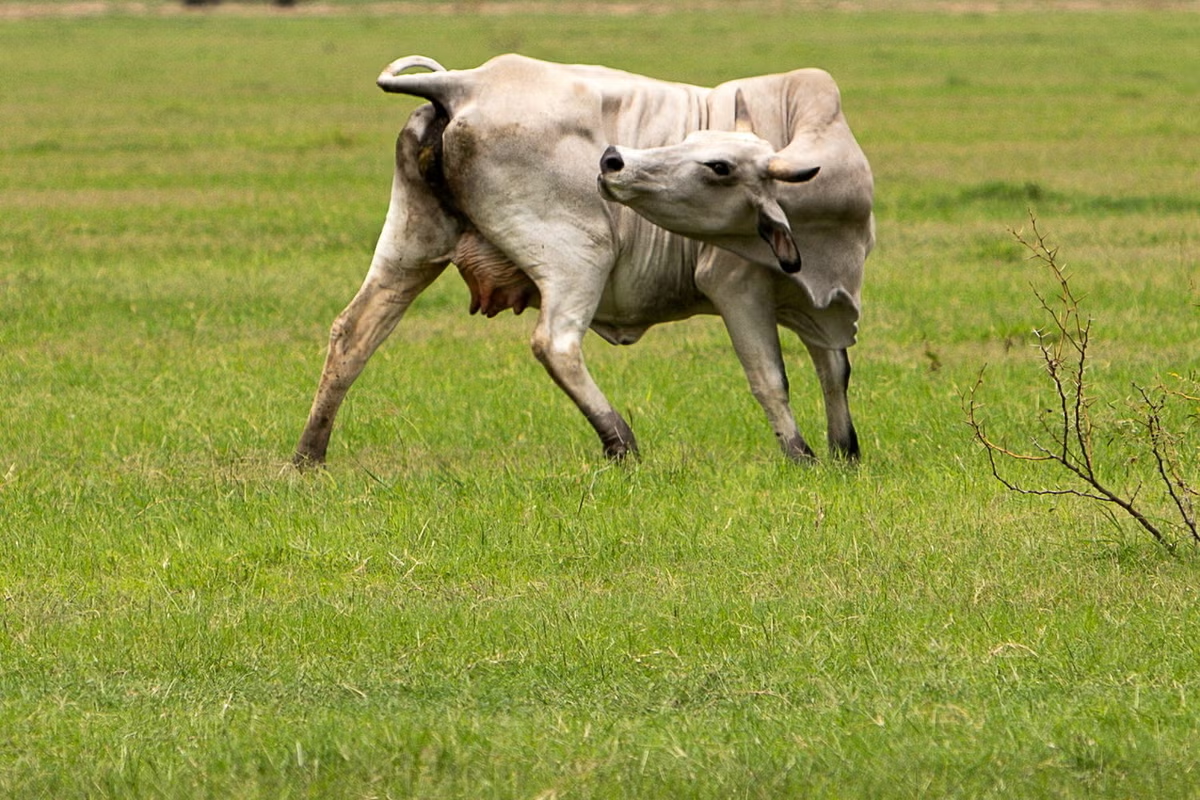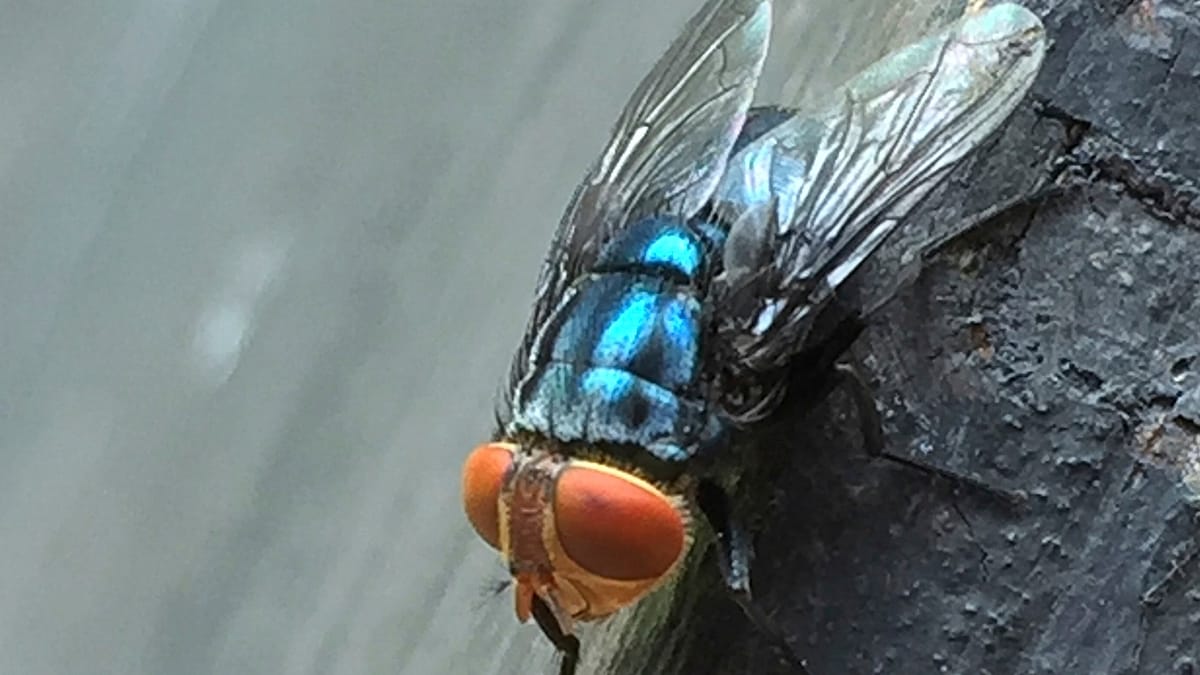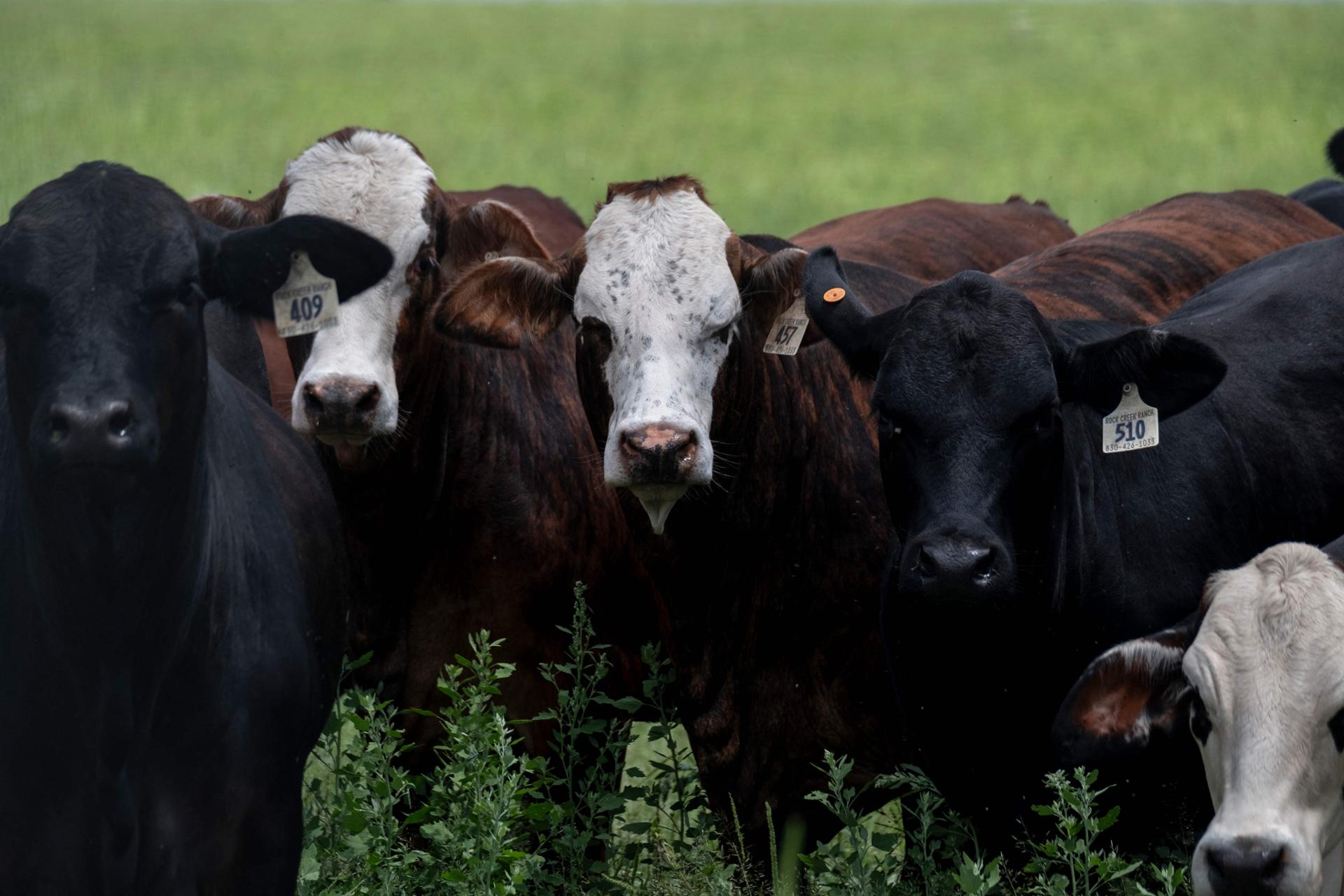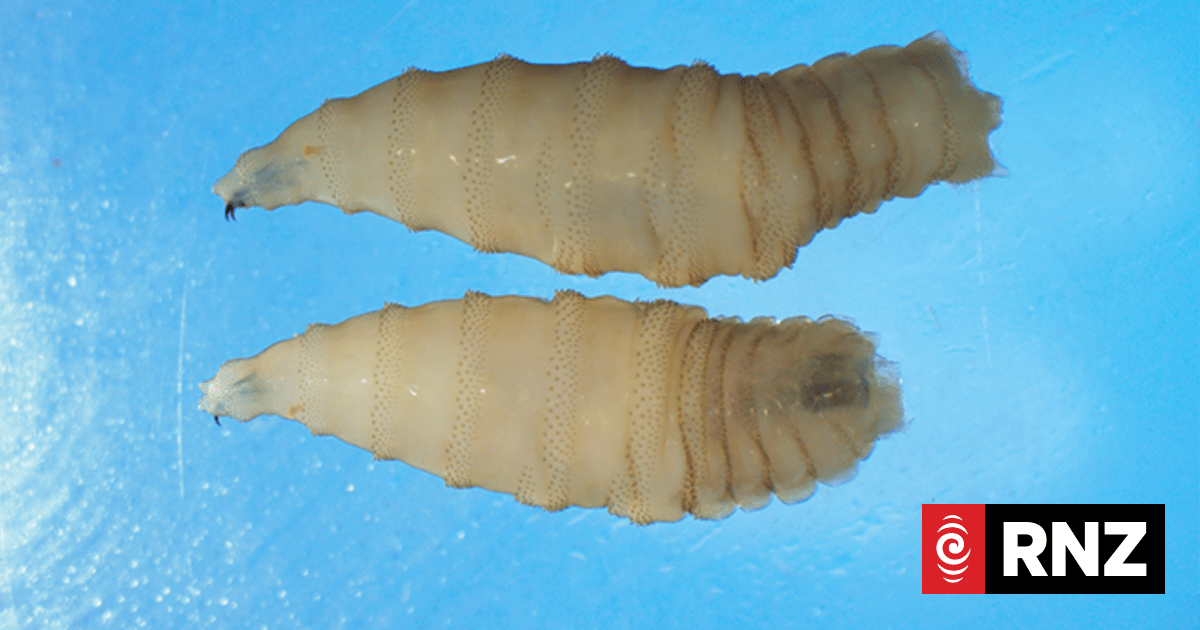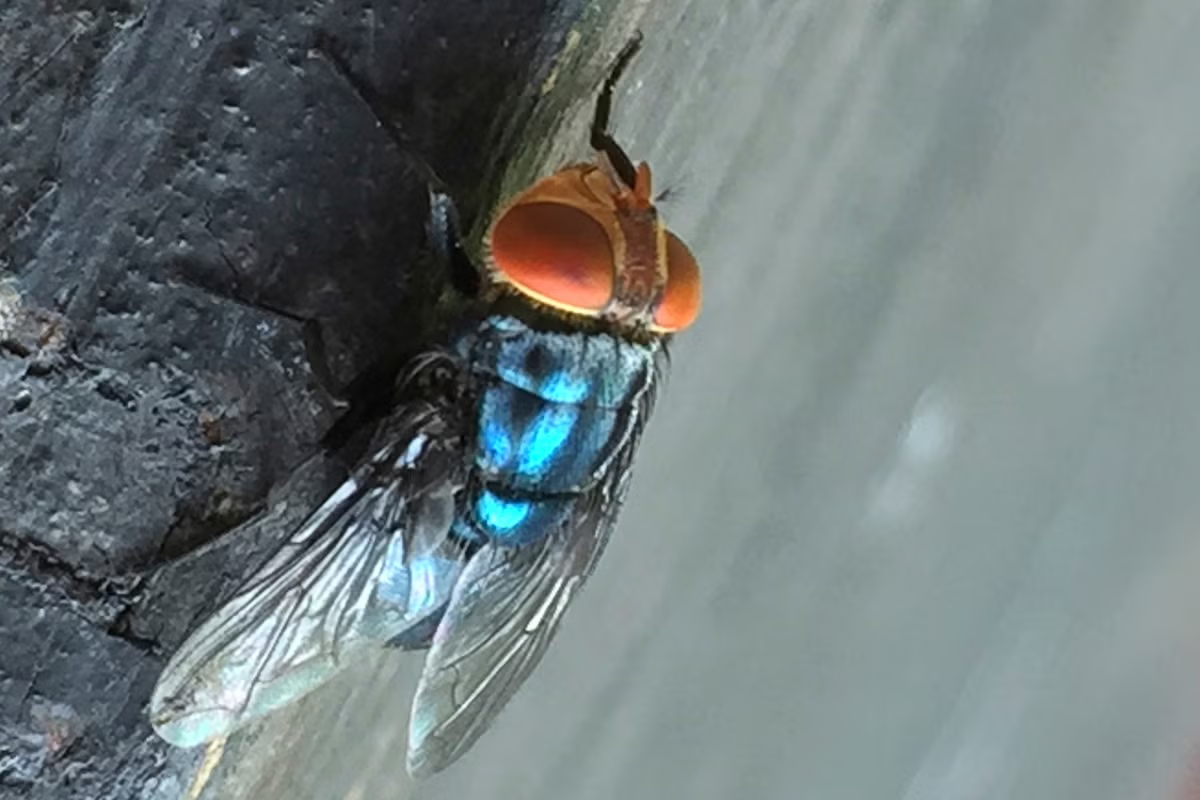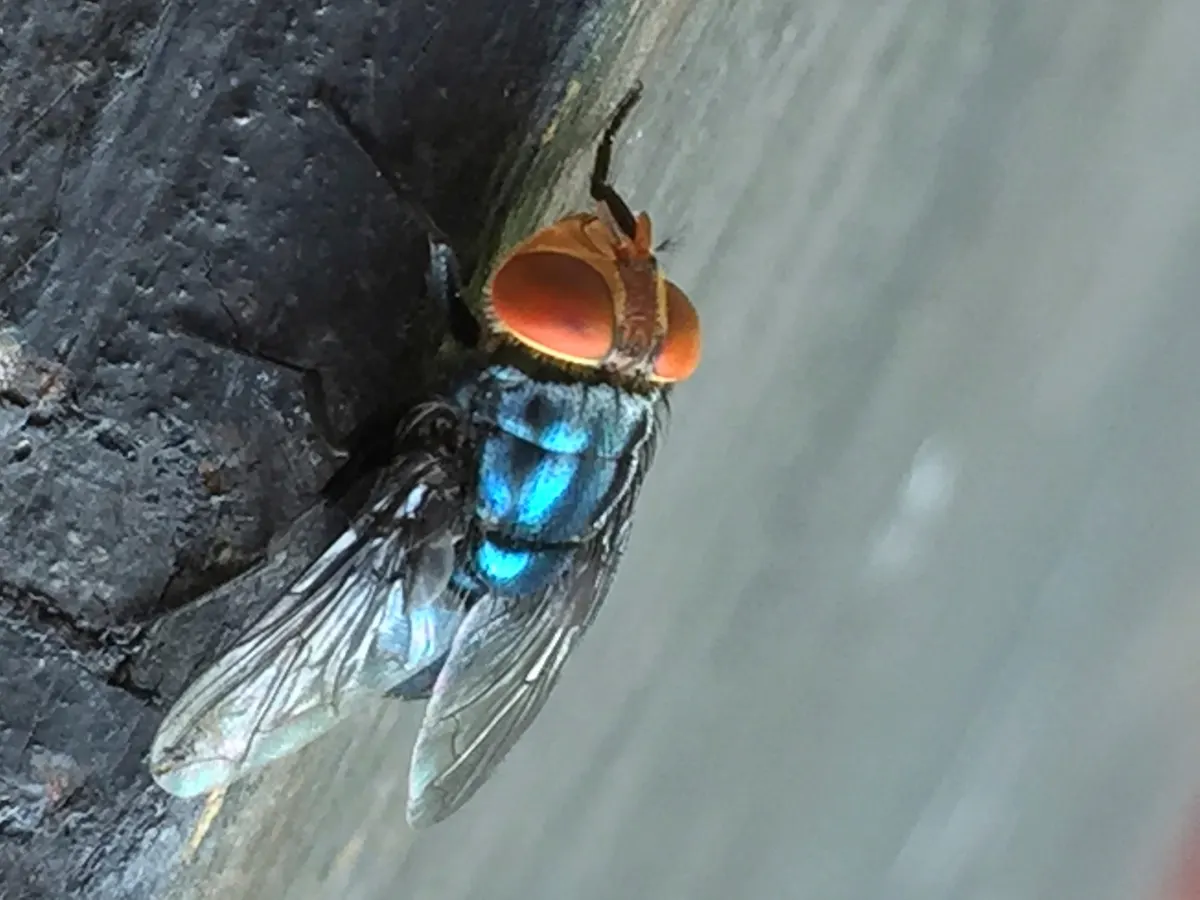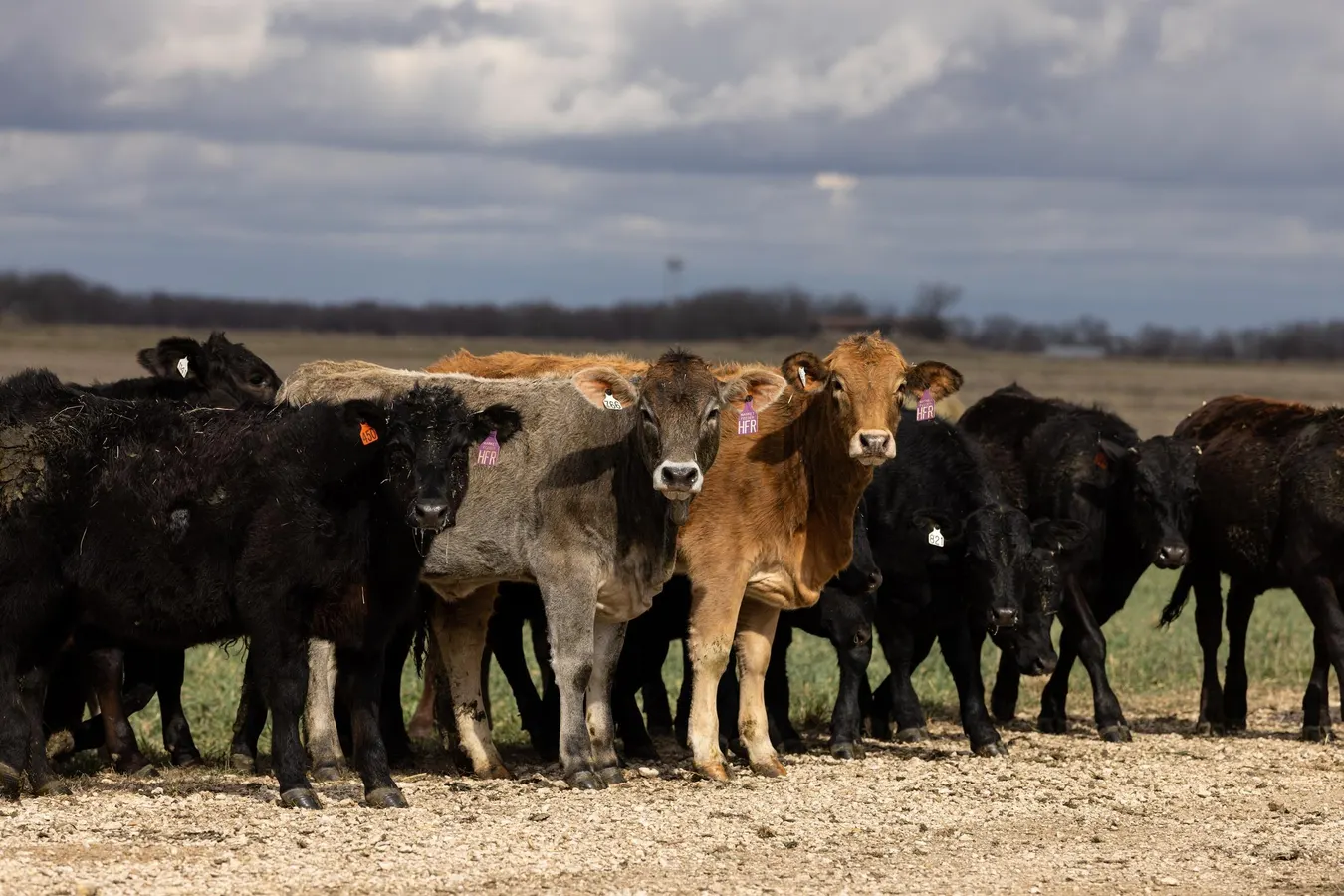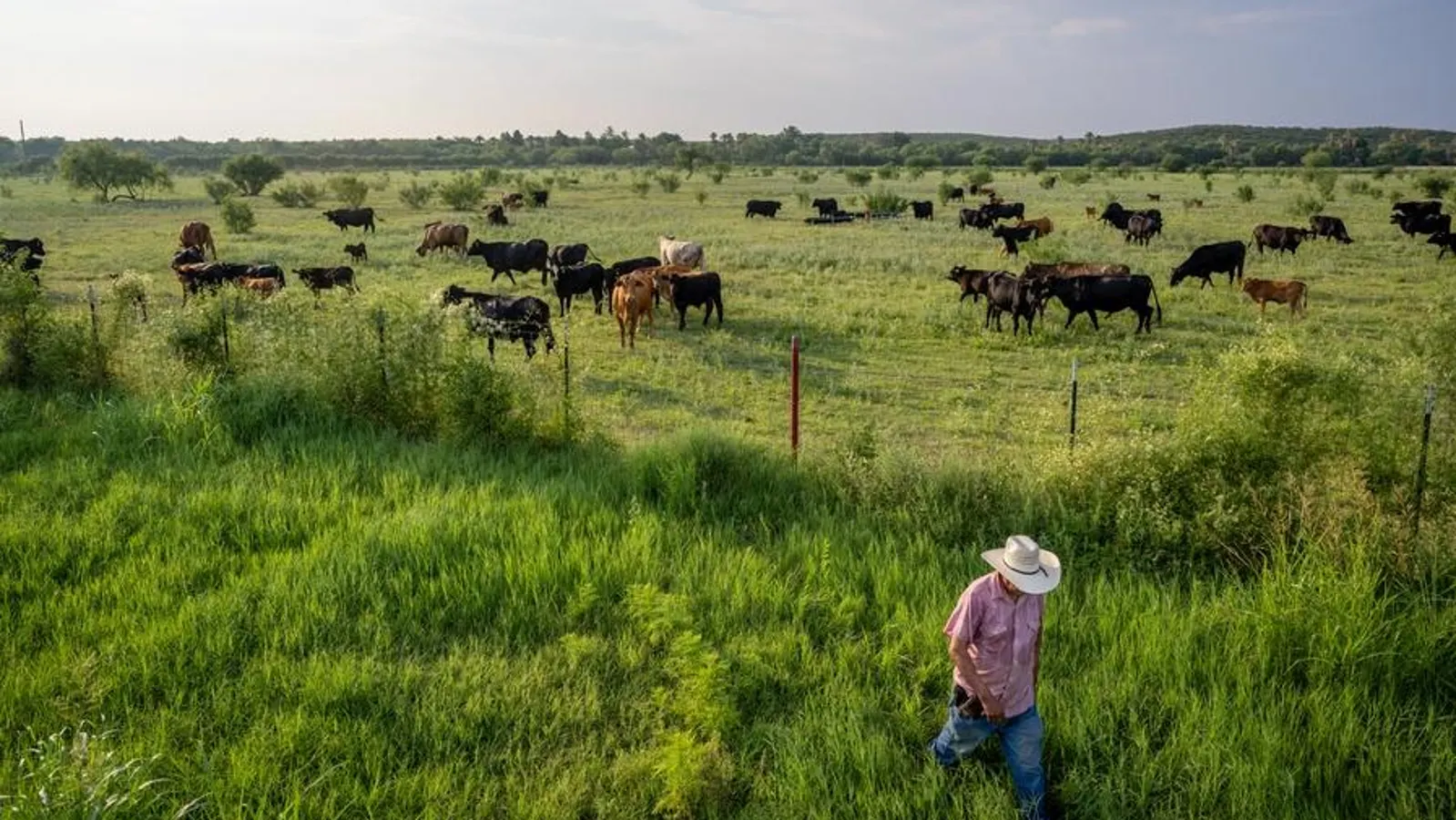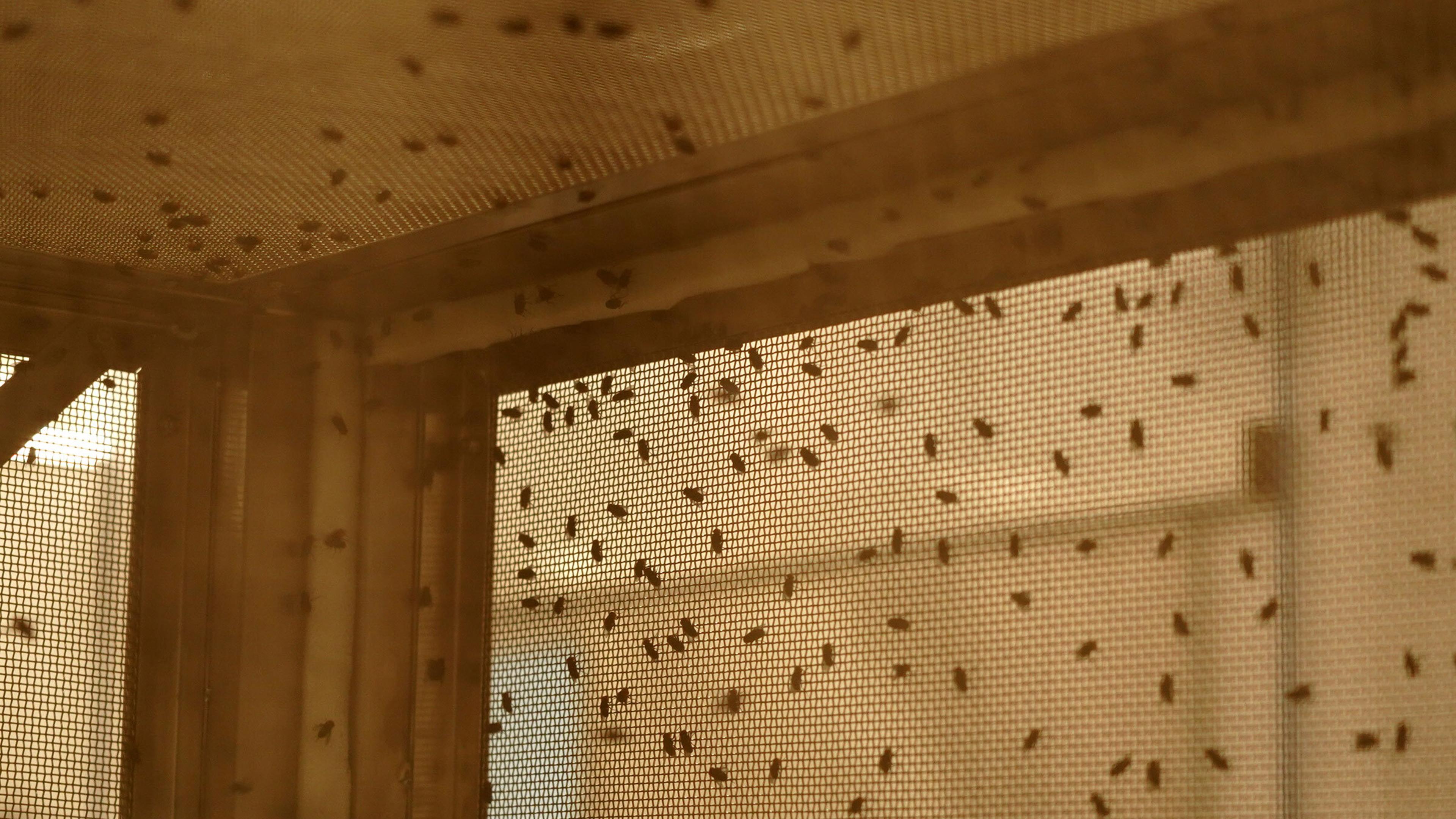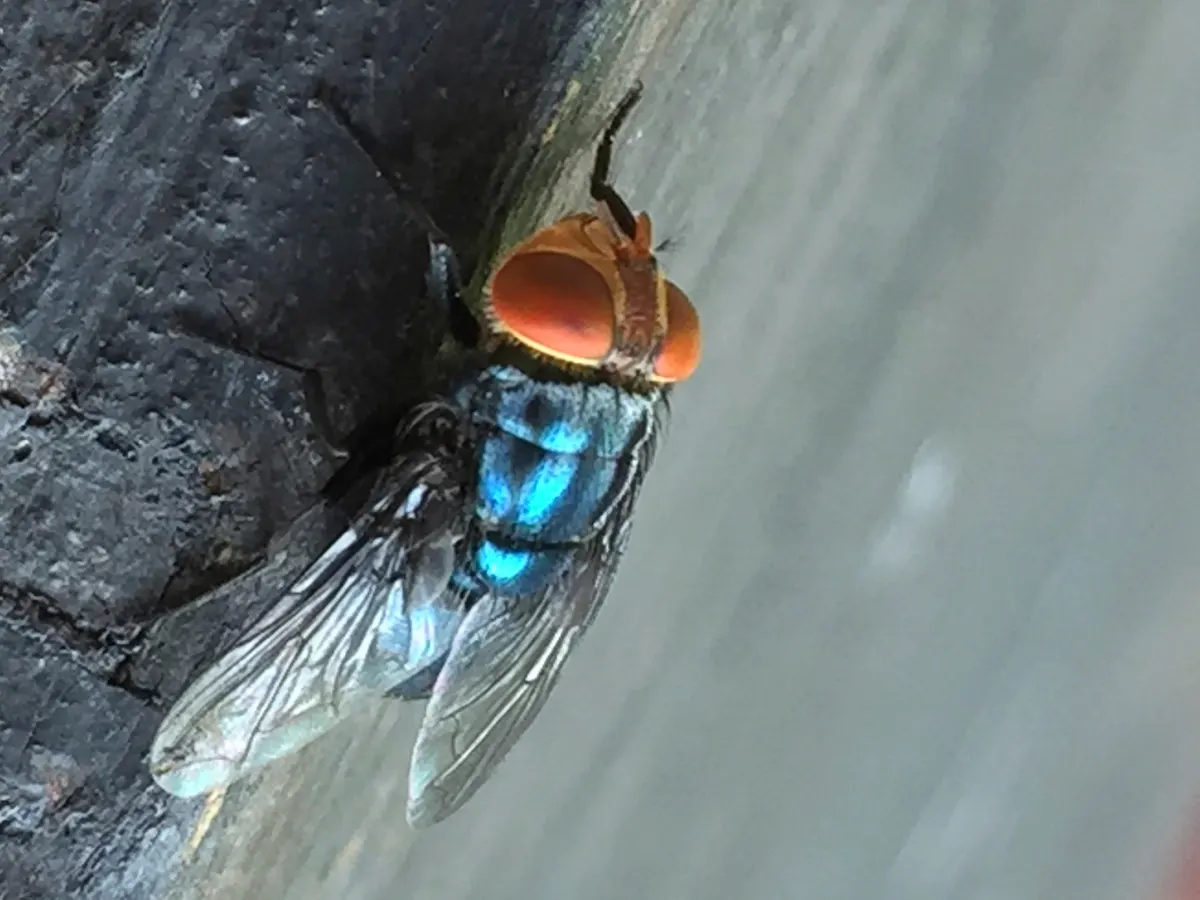
An adult New World screwworm fly sits at rest in this undated photo. (Denise Bonilla/U.S. Department of Agriculture via AP)U.S. Department of AgricultureNew World screwworm was detected last week in cattle and a goat in Texas, as well as a dog in New Mexico. While the major focus has been on the impact this might have on beef prices, the parasite can also infect people and their pets. Here’s what to know.New World screwworm, Cochliomyia hominivorax, is caused by a parasitic fly that is attracted to wounds and body openings (like the nose, ears, eyes, mouth, or genitals). It lays 200-300 eggs there at a time, and when they hatch, the larvae (maggots) eat the live tissue. The female fly may lay up to 3,000 eggs before she dies. After the maggots feed for about a week, the larvae drop to the ground for the next part of their life cycle. They then emerge as adult flies, and the cycle repeats.The bites from screwworms can be quite painful and cause foul-smelling wounds, which attract more flies. Other symptoms include non-healing or bleeding wounds and feeling or seeing the maggots.NWS has been found to infect people and animals in South America and the Caribbean. Following an initial outbreak in Panama and Costa Rica in 2023, NWS has been moving northward through all of Central America and Mexico. Last year, the U.S. had a human case in Maryland in a traveler who had returned from El Salvador.The people at greatest risk are those who spend a lot of time outdoors in areas with livestock, which host the flies, and who have any open wound, even if small. People who are asleep or unable to keep flies away are particularly susceptible. Those with larger open sores, as from cancer or diabetes, are at increased risk.MORE FOR YOUIf you have traveled recently to Latin America, you may be at increased risk. As we’ve seen with the recent Hantavirus outbreak, a travel history is critically important.Prevention is similar to that for other mosquito or fly- borne infections—wear a loose long-sleeved shirt and pants if possible to cover as much of your skin as possible. Sleep in a screened area or under a mosquito net. Treat clothing with 0.5% permethrin. Use an EPA-registered repellent. DEET and picaridin are my go-to products.FILE - A New World screwworm larvae sits at rest in this undated photo. (USDA Agricultural Research Service via AP, file)USDA Agricultural Research ServiceThere is no treatment except to physically extract each maggot from the wound and to keep the wound clean and covered. The CDC cautions people not to throw maggots in the trash or on the ground as that might restart their life cycle.Why Are We Seeing Screwworm Now?While some, like Senator Roger Marshall (R-KS) and Agriculture Secretary Rollins, predictably blame the spread of screwworm on immigrants, others point to Elon Musk’s Department of Government Efficiency, or DOGE. A quarter of U.S. Department of Agriculture employees in the Animal and Plant Health Inspection Service, were cut by DOGE at the time.APHIS had developed an eradication program that relied on sterile flies. When a female NWS fly breeds with a male sterilized by radiation, she will have only unfertilized eggs, ending the cycle. Monitoring for the safety of livestock transfers was done by the U.S. Agency for International Development—and as we know, USAID was defunded.In April, the USDA announced it would be “decommissioning” the Beltsville Agricultural Research Center, the country’s premier agricultural research center, founded in 1910 and expanded under the New Deal. They claim no jobs will be lost, but they are shifting jobs to be closer to farmers and ranchers. This will undoubtedly lead to loss of coordination and scientific exchange within the current organization, as well as loss of staff, as many employees may be reluctant to uproot their families.An additional problem is that up to 600 million screwworms will need to be bred weekly, but U.S. and Mexican facilities can produce only 100 million. While the USDA is planning on a new facility to enhance production, it won’t be ready until at least 2027.For now, officials will be relying on restricting imports of livestock from infested areas and quarantining cattle. They are also monitoring using specially trained beagles to sniff out the parasite. That, and increasing public awareness of the signs and symptoms of screwworms in pets and people, is about all they can do for now. It also is another example of why we should pay more attention to One Health, the interrelatedness of people, animals, and the environment.
Screwworm Can Infect People, Pets And Livestock—What To Watch For
Screwworm infections will likely not only damage the beef industry, but can hurt people and pets. Musk's DOGE cut 1/4 of the USDA. How can you protect yourself?
TL;DRAI
New World screwworm detected in Texas/New Mexico, expanding from Central America following USDA eradication cuts. Production gap of 500M sterilized flies weekly delays recovery to 2027, illustrating cascading infrastructure failures when R&D budgets collapse.
759 words~3 min read