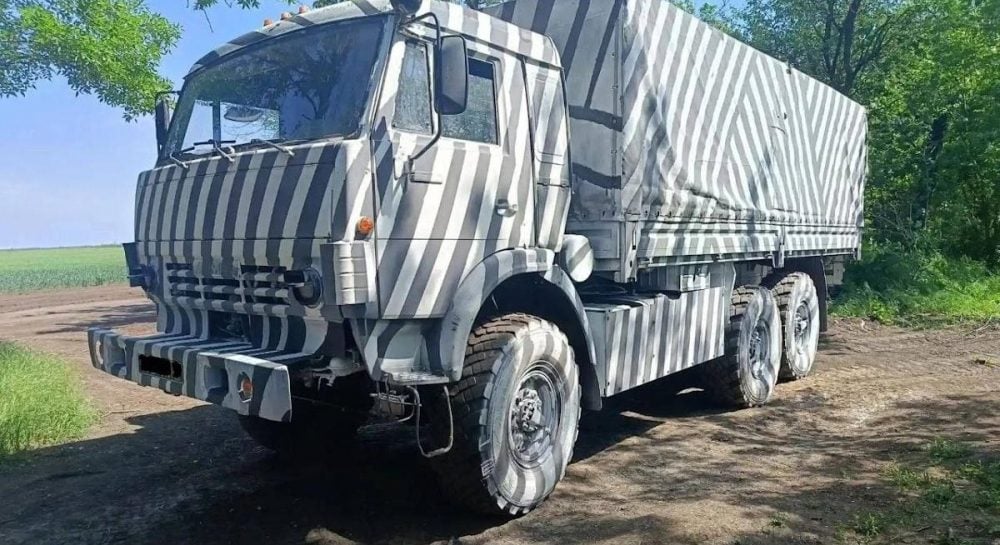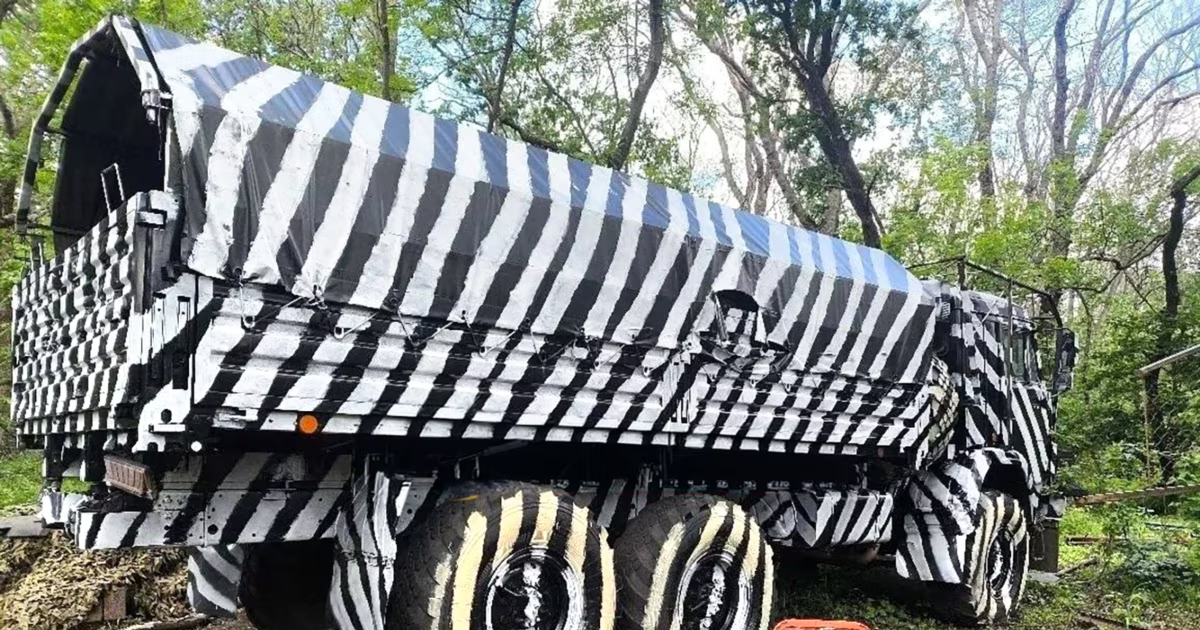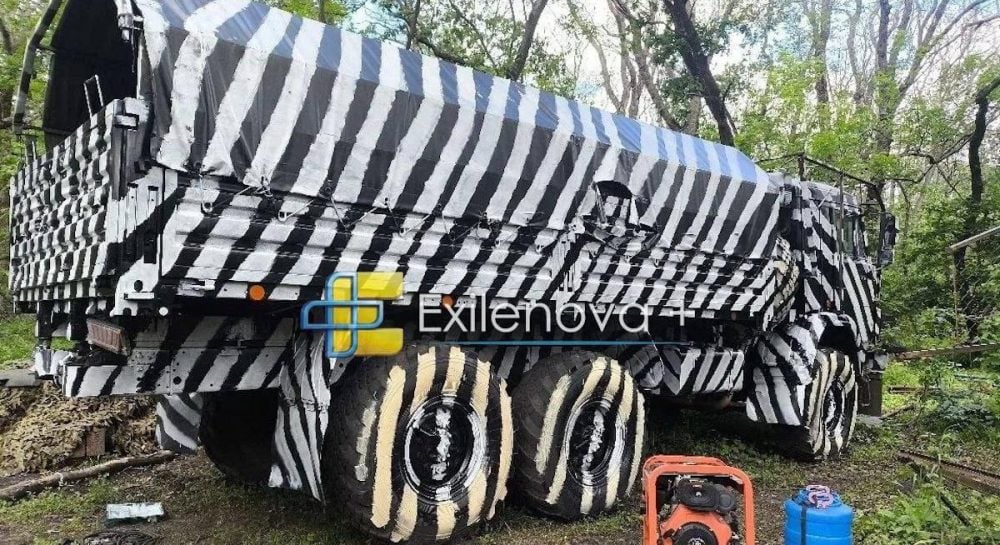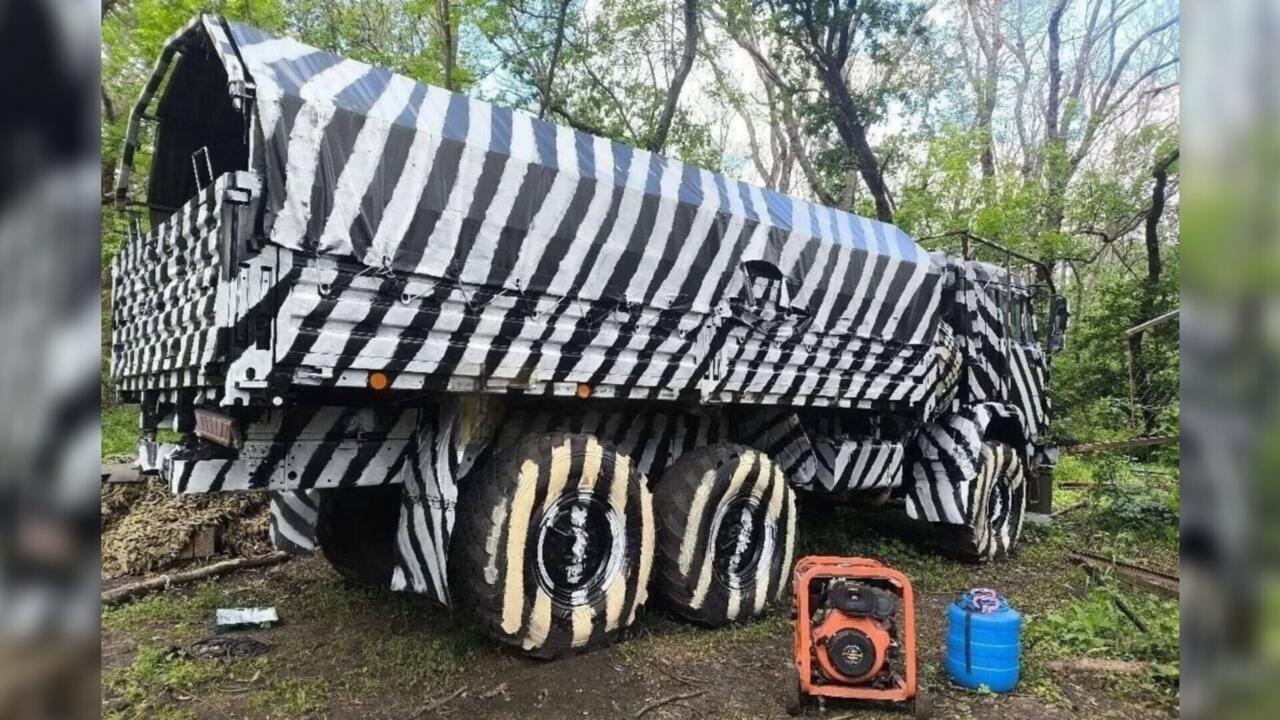
"An attempt to confuse the guidance systems of enemy drones," a Russian military blogger wrote in the caption of a photo shared on Telegram, which shows a Russian Kamaz truck covered in zebra stripes.
This image, posted on Telegram on May 31, 2026, shows a Russian Kamaz truck covered in black-and-white stripes. Source: Telegram / @milinfolive_man
To display this content from Telegram, you must enable advertisement tracking and audience measurement.
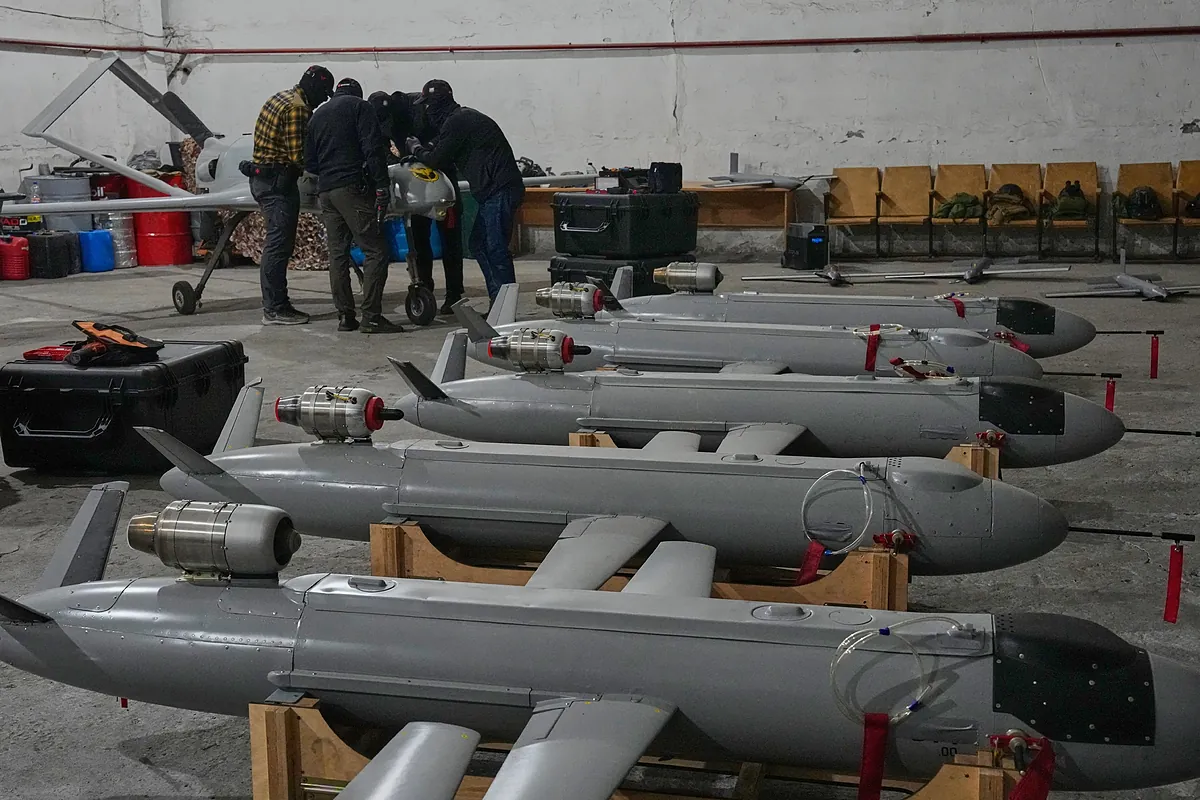
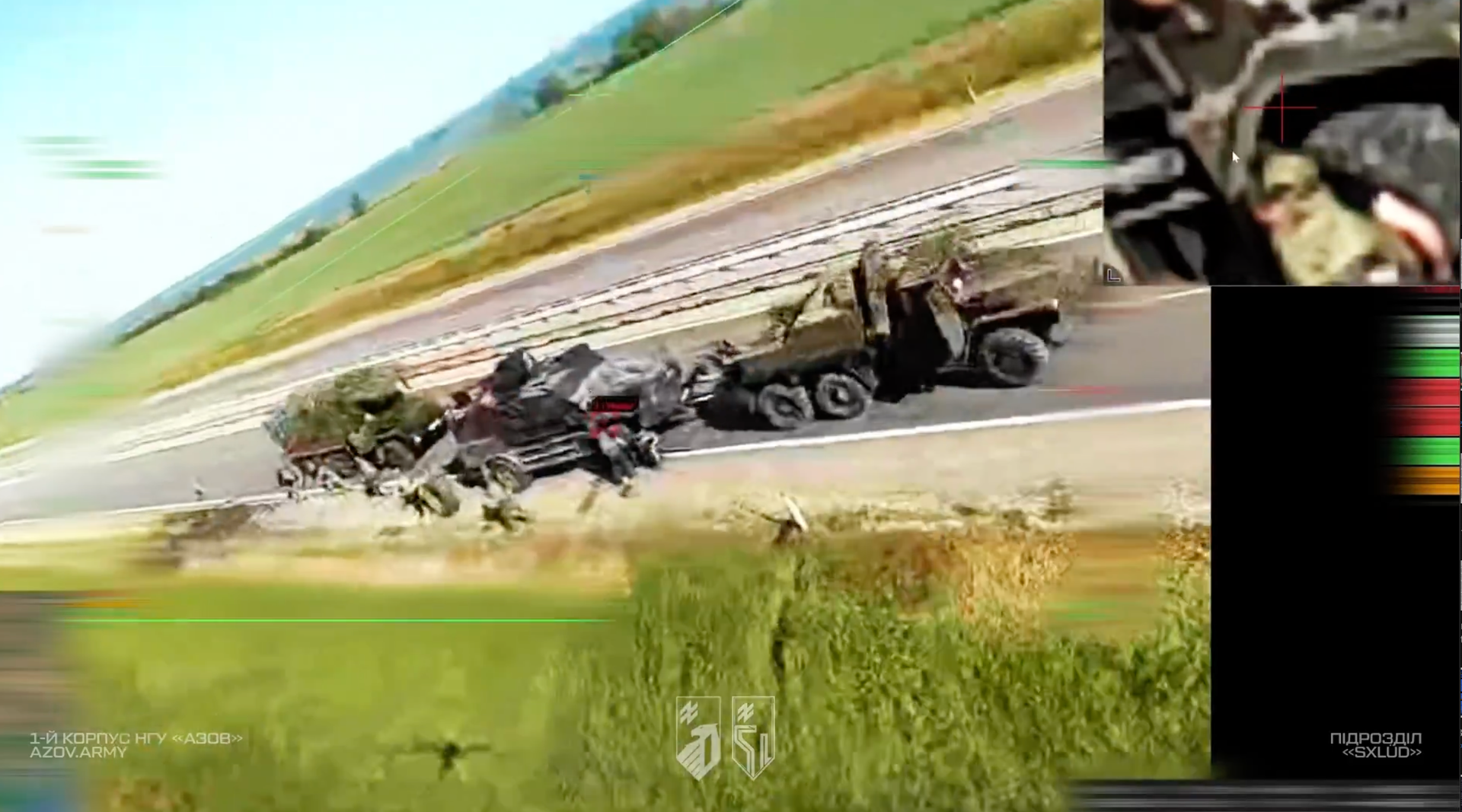
Since late May, several pro-Russian bloggers have reported the use of this camouflage which they claim is aimed at deceiving the automatic tracking systems of enemy drones, particularly those relying on artificial intelligence. “The rationale is almost certainly to complicate drone targeting,” James Patton Rogers, a drone warfare expert at Cornell University, told our team. “Logistics vehicles are among the most important targets in Ukraine, and both sides increasingly rely on drones and AI-assisted systems to find and track them.” A Russian blogger says this is an attempt to confuse the guidance systems of Hornet drones, “which use AI-assisted targeting during the terminal phase of flight”. This mid-range US-made drone is at the centre of a new Ukrainian strategy to target Russian logistics. Read moreUkraine: How a kamikaze drone partially operated by AI is attacking Russian convoys Breaking the recognition process This camouflage, which consists of a jumble of irregular patterns in contrasting colours, has a name: “dazzle camouflage”. Branka Marijan, a researcher at the Centre for International Governance Innovation and the Project Ploughshares in Canada, told us more: “What's interesting about dazzle camouflage is that it's not really trying to hide the object; it's trying to confuse whoever, or whatever, is looking at it. The idea is that those bold, contrasting patterns disrupt your ability to read the object's true shape, size, or direction of movement. AI systems have been trained to recognise specific shapes and visual profiles. But if you dramatically change the visual appearance of that truck with an unusual pattern, it may simply not match anything in the system's training data. It breaks the recognition process. For the Russians, it's a relatively quick and low-cost tool they can deploy in the short term to make targeting harder.” This tactic is not new. Dazzle camouflage was developed by a British artist, Norman Wilkinson, during World War I, explained Lauren Kahn, a research analyst at Georgetown's Centre for Security and Emerging Technology (CSET): “Ships were painted with bold intersecting geometric shapes in black, white, and colour to create optical illusions. At the time, targeting a ship meant reading visual cues – mast height, angle on the bow – to estimate speed and heading. Submarines were being used for the first time at scale, and their novel ability to attack from below the surface meant that surface vessels were more vulnerable than ever. Rather than trying to avoid being seen at all, dazzle camouflage made it as hard as possible for submariners to get an accurate firing solution.”