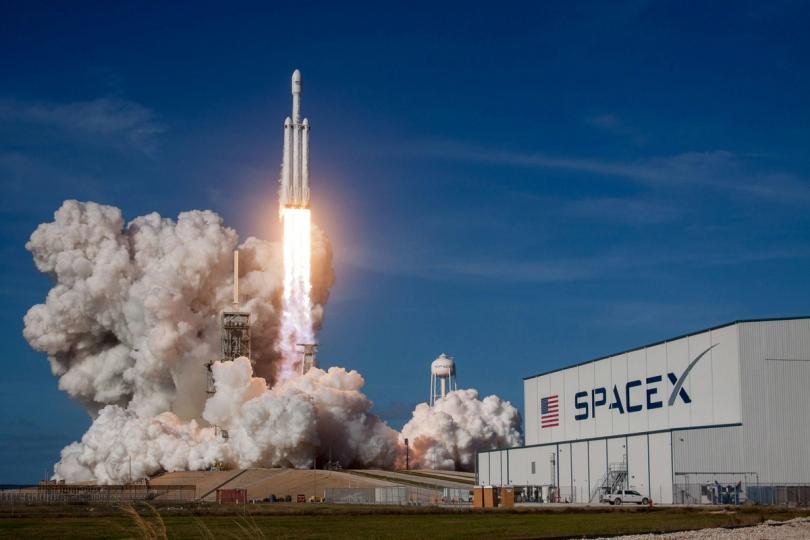
Oppenheimer kicked off coverage of SpaceX on June 11, slapping an Outperform rating and a $190 price target on what is about to become the most valuable company to ever go public. The timing is not subtle: SpaceX lists on Nasdaq tomorrow under the ticker SPCX, with shares priced at $135.
That $190 target implies roughly 41% upside from the IPO price. For a company already valued at approximately $1.75 trillion before its first day of trading, that’s the kind of conviction that tends to get people’s attention.
The Starlink thesis takes center stage
Starlink, SpaceX’s satellite broadband service, reported 10.3 million subscribers at the end of Q1 2026. Oppenheimer had already tipped its hand in a June 3 research note highlighting Starlink’s potential to carve into the $1.6 trillion US communications market, with particular pressure on legacy broadband giants like AT&T.
The firm’s subscriber forecast is ambitious: 15 million US broadband subscribers by 2030. Oppenheimer is betting that Starlink won’t just serve rural areas and underserved markets. It will start competing directly with cable and fiber providers in suburban and semi-urban territories where traditional infrastructure has historically dominated.