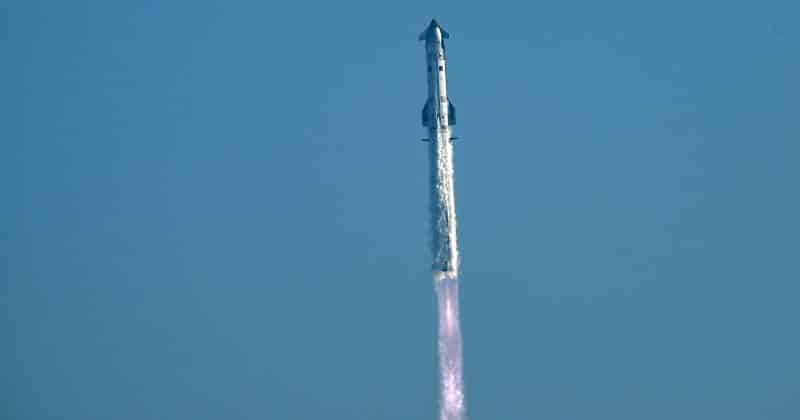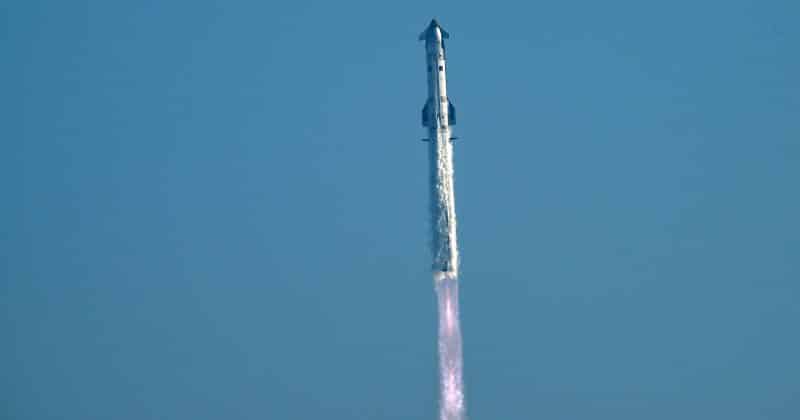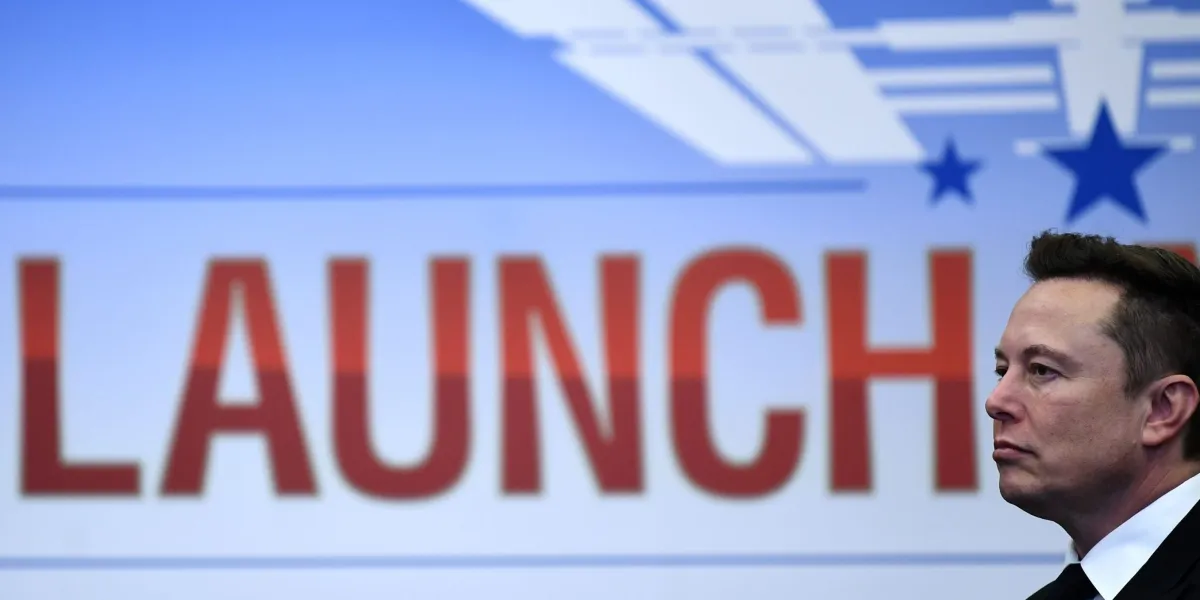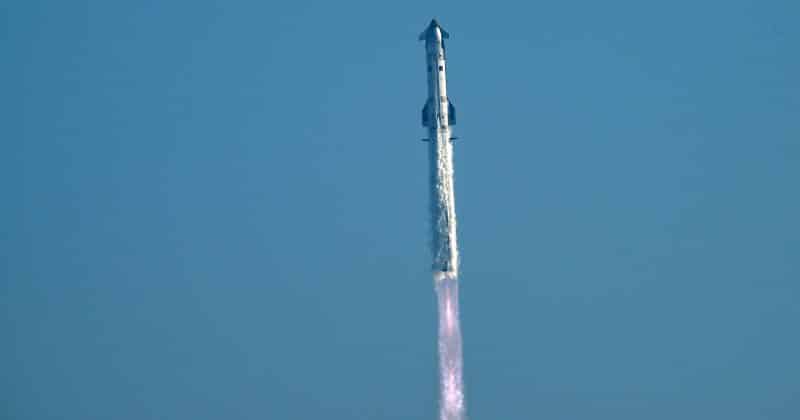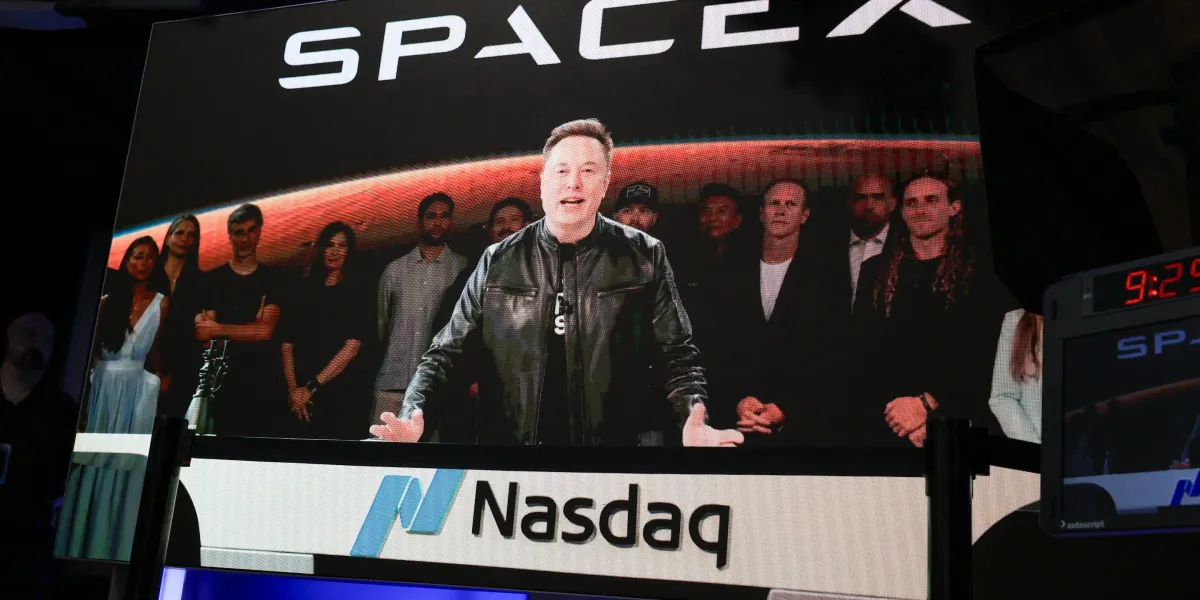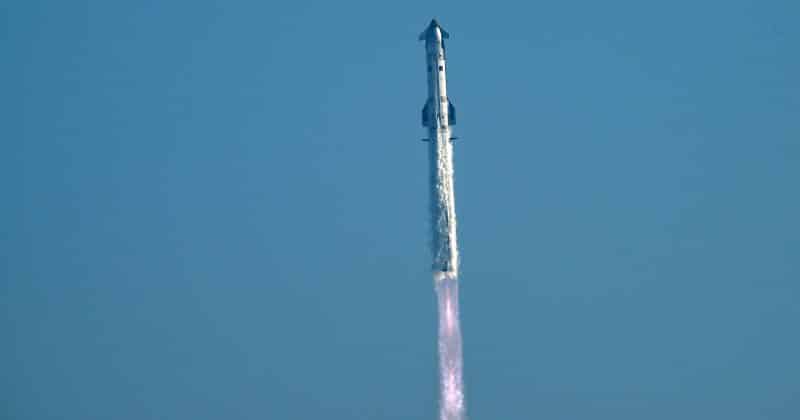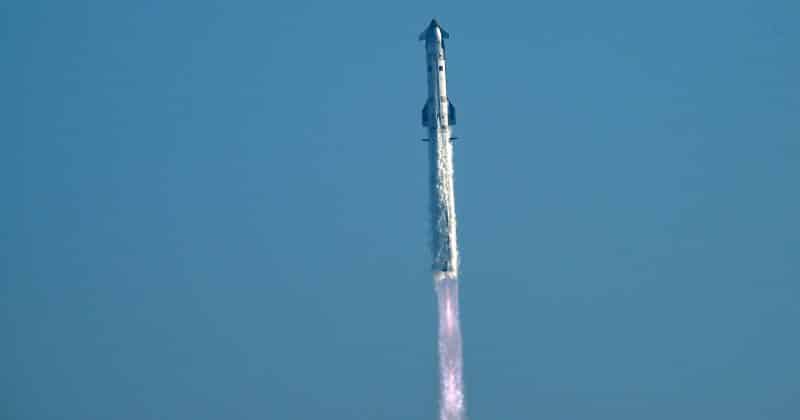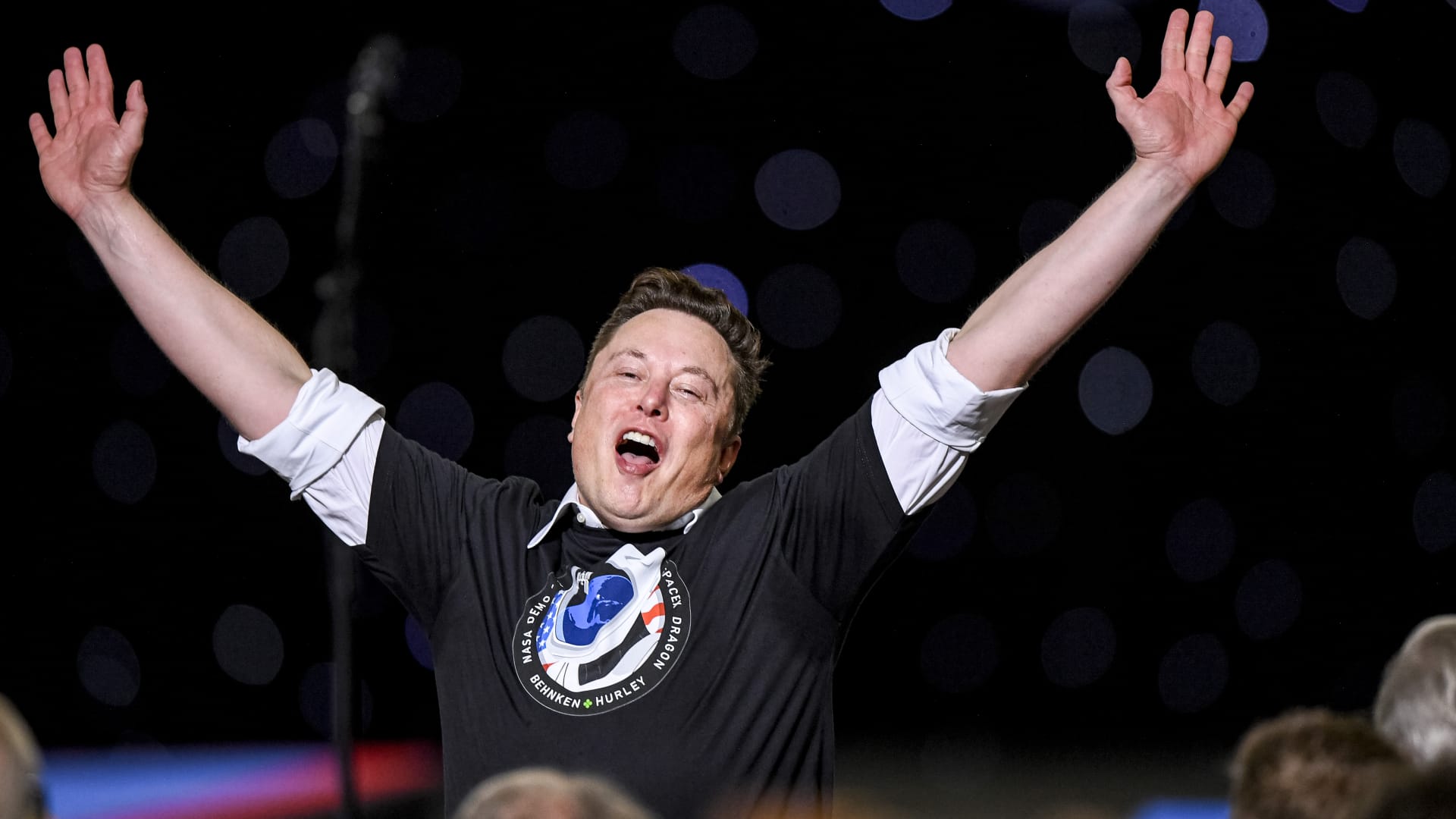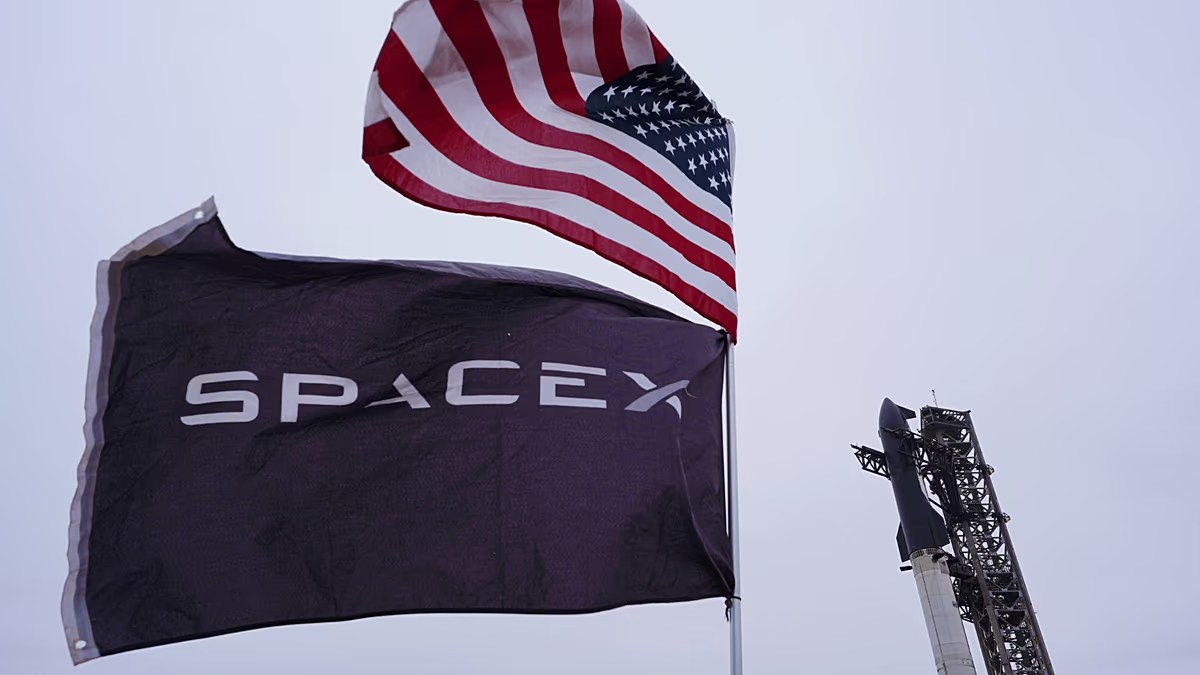
SpaceX IPO Ticker: Today, June 12, 2026, the world's most anticipated initial public offering finally arrived. SpaceX stock — trading under the ticker SPCX on the Nasdaq — began its market debut after pricing at a fixed $135 per share on Thursday night, raising a record-shattering $75 billion and landing an immediate valuation of approximately $1.77 trillion. That number isn't just big. It is the largest IPO in stock market history — more than double the $35.4 billion Saudi Aramco raised in 2019, the previous record holder. For investors who spent years watching SpaceX operate as the world's most valuable private company, this is the moment the gates finally opened. But the opening bell is only the beginning of the story, and the full picture is far more complicated than a single headline number. SpaceX offered 555.6 million Class A common shares to the public, with underwriters holding an additional greenshoe option for roughly 83.3 million more shares — worth approximately $11.2 billion — to manage excess demand. The demand itself has been staggering. Reports indicate the SpaceX IPO was running four times oversubscribed, and retail orders reportedly exceeded $100 billion, prompting the company to target a retail allocation of nearly 30% of shares, a figure almost unheard of at this scale. Brokerages including Robinhood, Fidelity, Charles Schwab, SoFi, and E*TRADE were named in SpaceX's prospectus as platforms offering IPO-price access to everyday investors — an unusual and deliberately democratic arrangement from a company led by someone who has never been conventional. SpaceX IPO Ticker Is SPCX on Nasdaq — As the Biggest IPO in History Begins Trading Today, Should Investors Buy on Day One? Most IPOs follow a well-worn script: management roadshows, a marketed price range, last-minute order books, and a final price that reflects negotiated demand. SpaceX ignored most of that. CEO Elon Musk and his bankers set a fixed price of $135 and stopped taking orders a day early — Wednesday instead of Thursday — giving the underwriting team an unusually long runway to allocate shares before trading began. That fixed-price approach, combined with the massive retail allocation target, signals something intentional. SpaceX wants a broad, loyal shareholder base — not a quick institutional flip. That matters because only about 4% of SpaceX's total shares are being floated in this offering. The remaining 96% sit with insiders, early investors, and employees, locked up under a staggered schedule tied to the company's first quarterly earnings as a public company. Musk himself cannot sell for a full year. That extreme scarcity of float explains both the intense demand and the volatility risk that follows. With so few shares available, even modest buying pressure can move SPCX dramatically — in either direction — before price discovery settles. MSCI announced on June 9 that SPCX would be eligible for early index inclusion starting June 13, meaning institutional index funds will begin buying the day after the debut. That structural demand wave arriving on day two could meaningfully support the stock's initial trading range.SpaceX's Three-Segment Business: One Star, One Drain, One Wild Card Beneath the historic IPO numbers lies a company whose financials are genuinely uneven — and that unevenness is the core of any serious valuation debate. SpaceX operates across three distinct segments: Space (rocket launches and Starship development), Connectivity (Starlink satellite internet), and AI (xAI, acquired in February 2025). Starlink is the business carrying the rest. In 2025, the connectivity segment generated $11.4 billion in revenue — 61% of SpaceX's total $18.7 billion — and posted an adjusted EBITDA margin of 63%, growing its subscriber base from 4.5 million at the start of the year to over 10.3 million by early 2026. Those are metrics that would make almost any technology investor attentive. The Space segment is the historic foundation but not yet the financial engine. And the AI segment, following the xAI acquisition, produced a $6.36 billion operating loss in 2025, pulling the company's total net loss to $4.9 billion for the year. At $135 per share, SPCX trades at roughly 95 times 2025 revenue — a valuation that demands Starlink's growth trajectory continues accelerating, xAI losses narrow sharply, and Starship eventually opens genuinely new revenue streams. Analyst price targets already span a wide band: $140 to $175 in the first week, a one-month range of $130 to $165, and a three-month window stretching from $120 to $200, with the spread hinging almost entirely on subscriber growth and how aggressively SpaceX funds xAI's buildout. The first public earnings report, expected in November 2026, will be the real stress test — the first time markets can hold management accountable to numbers rather than projections.What IPO History Says About Buying SPCX on Day One — and What It Doesn't The pattern is consistent enough to be instructive. Big IPOs almost always show a first-day pop, but that gain flows almost entirely to investors who received shares at the offer price — not to anyone buying on the open market. When Alibaba priced at $68 in 2014 and opened at $92.70, buyers at the open earned barely 1% by the close while offer-price investors banked 38%. Visa priced at $44 in 2008 and opened at $59.50 — investors who bought at the open finished the day down roughly 5%. The lesson is that the headline first-day return and the actual return available to most investors are two entirely different numbers. More pointedly, every landmark IPO eventually traded below its first-day close — and most traded below their offer price at some point. Meta fell below its $38 offer for more than a year. Alibaba dipped below $68 within twelve months. Arm Holdings, which priced its 2023 IPO at $51 and closed day one at $63.59, was back at $51 within a week — before ultimately more than doubling from the offer price over its first year. The lesson from Arm isn't that patience makes IPOs bad investments. It's that patience almost always offers a better entry than the opening bell. Note: This article is for informational purposes only and does not constitute financial advice. SpaceX (SPCX) began trading on the Nasdaq on June 12, 2026.
What is SpaceX's IPO ticker and where will it be listed as SpaceX stock begins trading today, June 12, in the biggest IPO in history— should investors buy on day one?
SpaceX IPO Ticker, Nasdaq Listing and $1.78 Trillion Valuation: The wait is finally over. SpaceX stock began its historic market debut today, June 12, 2026, after pricing at a fixed $135 per share the night before. The company raised a record $75 billion, landing an opening valuation of approximately $1.77 trillion. If the reported offering details stand, SpaceX will begin trading under ticker SPCX on the Nasdaq.
1,023 words~5 min read