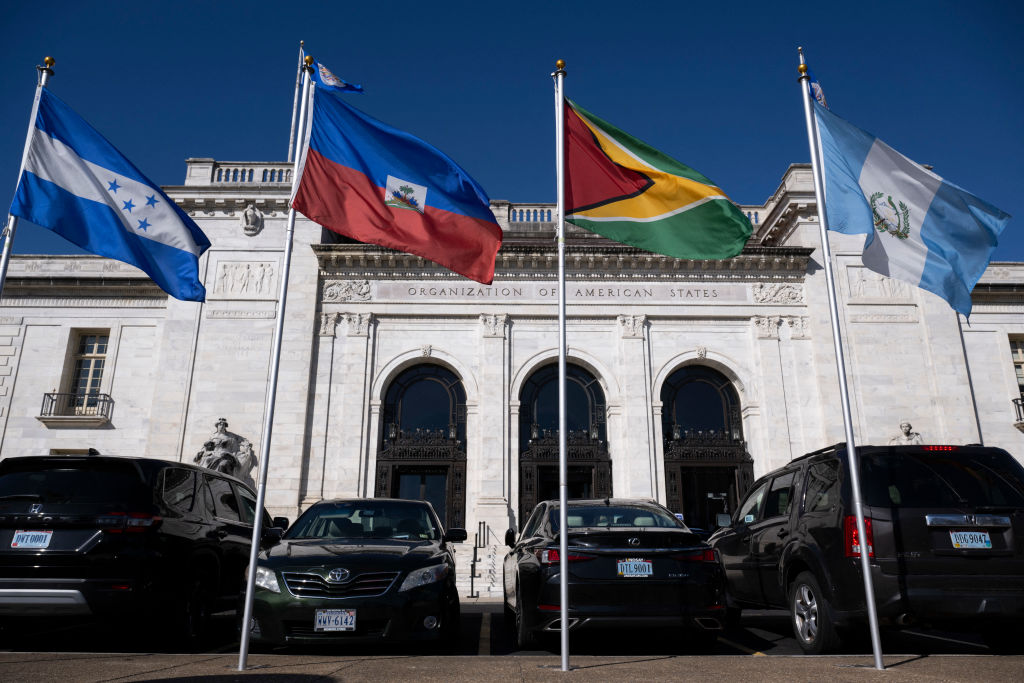
Reading Time: 4 minutes
When prosecutors and judges in Guatemala attempted to nullify a clean election result in 2023, observers from the Organization of American States (OAS) remained in the country and pressed for the transfer of power to proceed. Along the Belize-Guatemala border, decades of OAS-sponsored mediation have kept a territorial dispute from escalating. In Colombia, the OAS Mission to Support the Peace Process has monitored and verified commitments that have strengthened confidence in a decades-long peacebuilding effort.
These are not ceremonial achievements. They are the kind of concrete, unglamorous work that keeps democracies functioning in the Western Hemisphere — work that has no obvious substitute if the institution performing it ceases to function, or even worse, to exist.
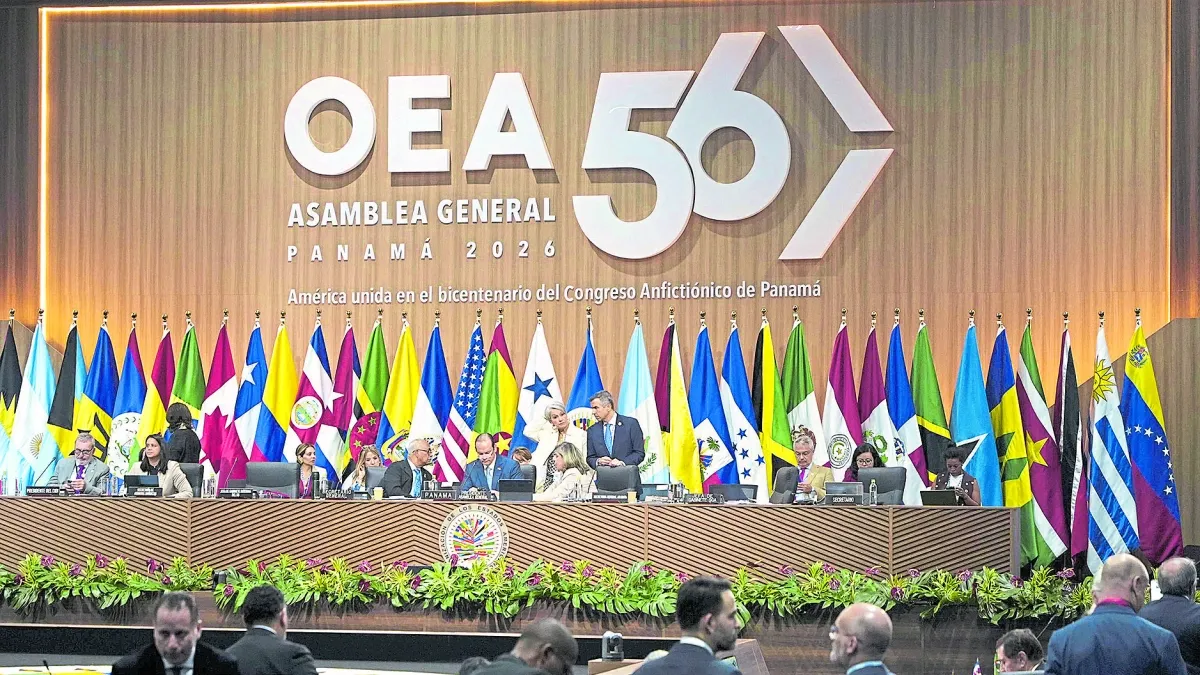
That scenario is now a real possibility. The Trump administration’s fiscal year 2027 budget proposes zero funding for the United States’ assessed contribution to the OAS, the world’s oldest regional international organization. The U.S. accounts for roughly half of the organization’s regular budget—about $46 million of approximately $91 million—and that budget has seen little real growth in a decade, aside from the modest increase in 2023-2024. The OAS itself runs on fewer than 500 staff. If enacted, the proposal would leave the organization, as currently constituted, unable to survive.