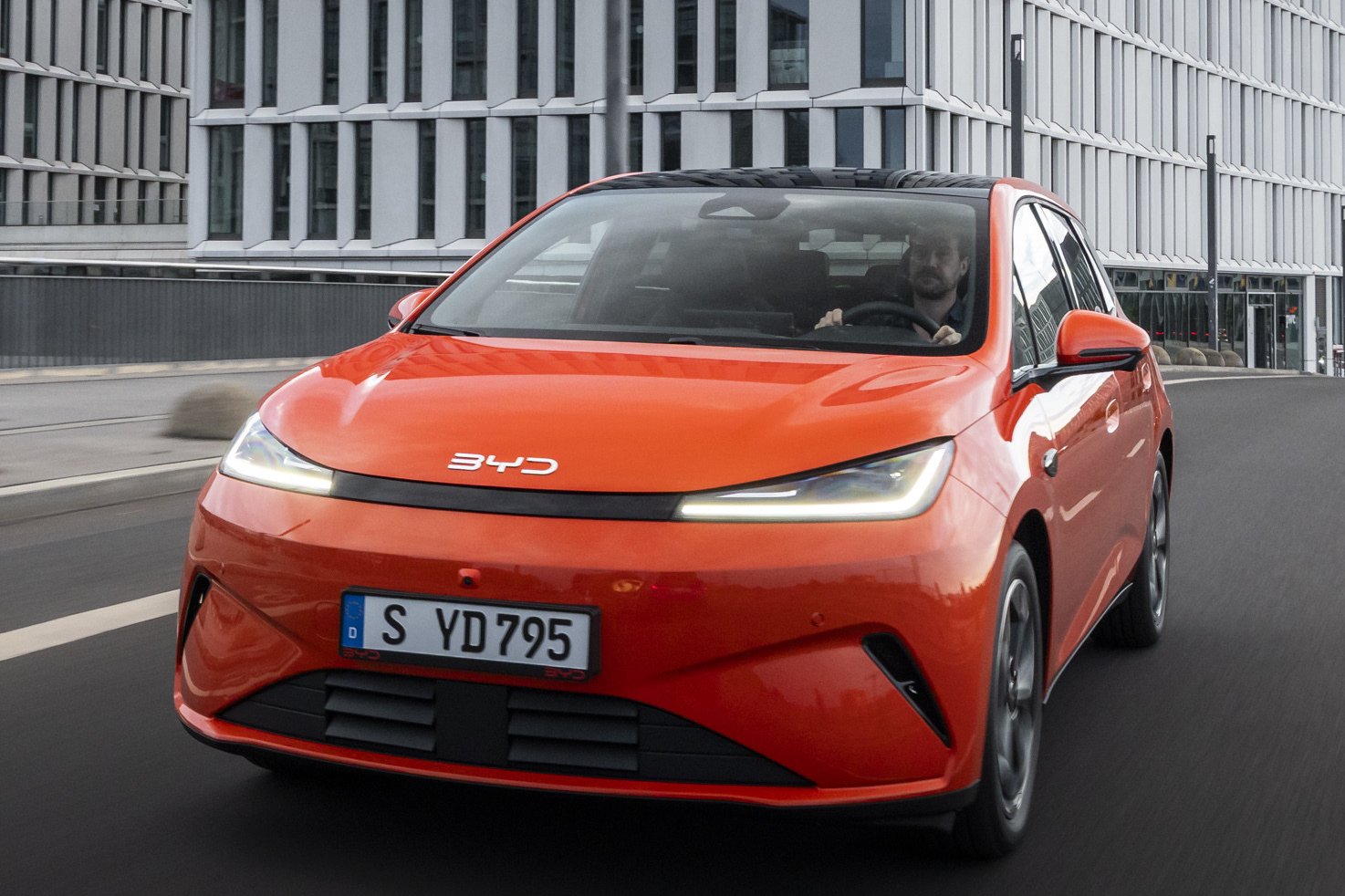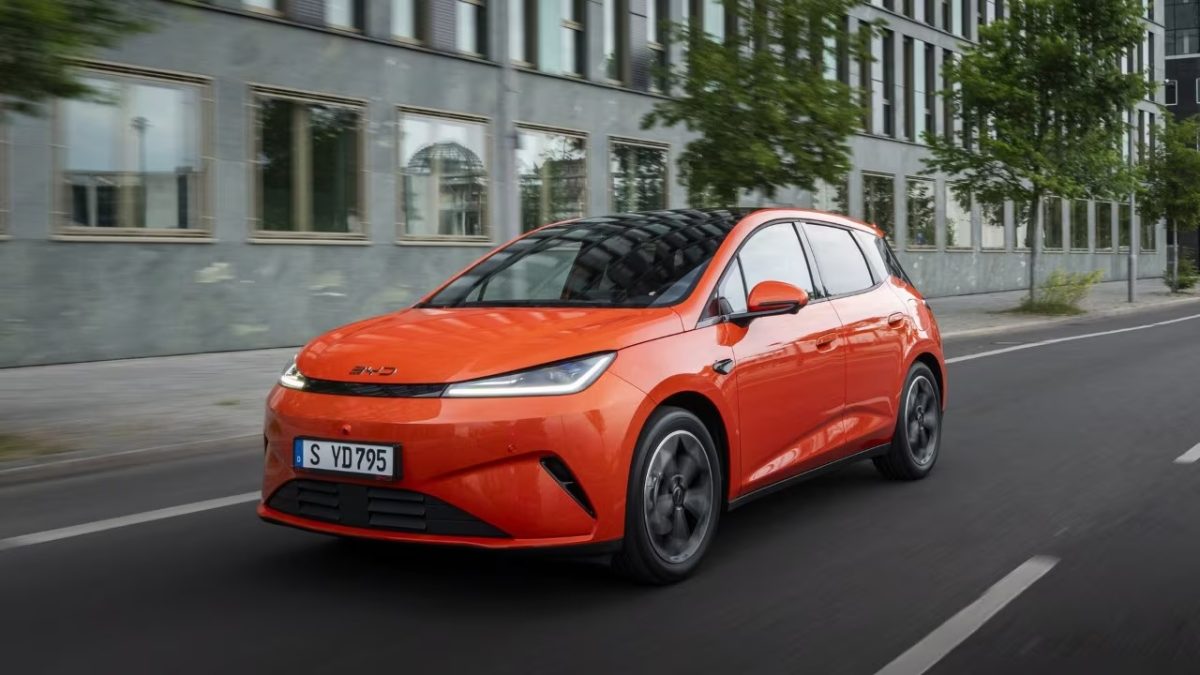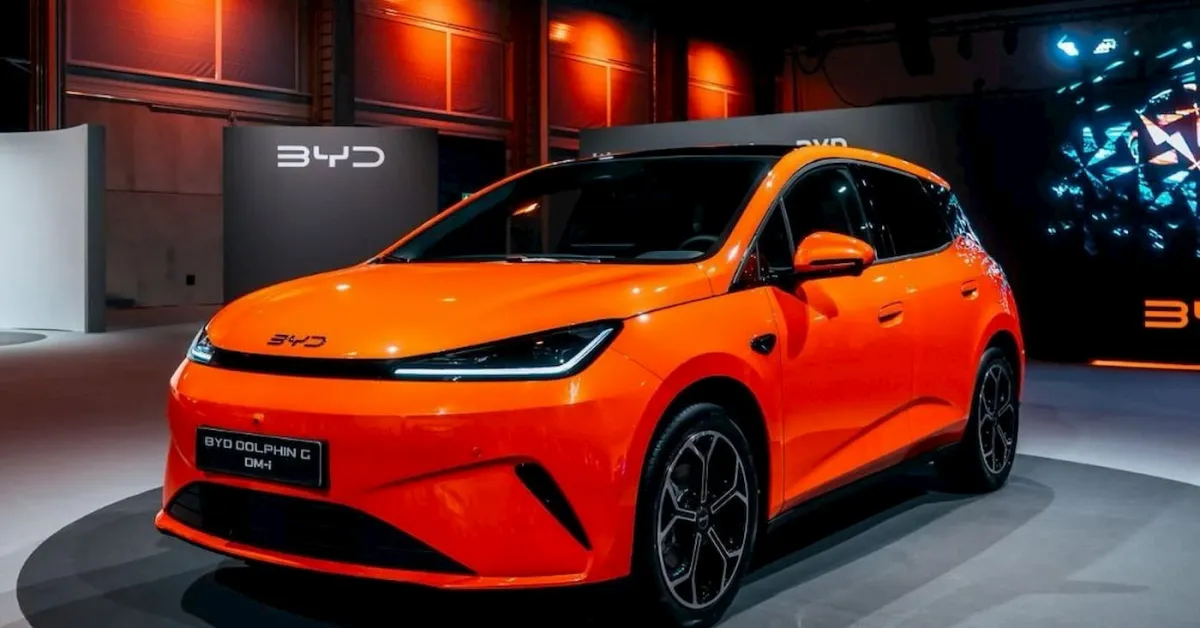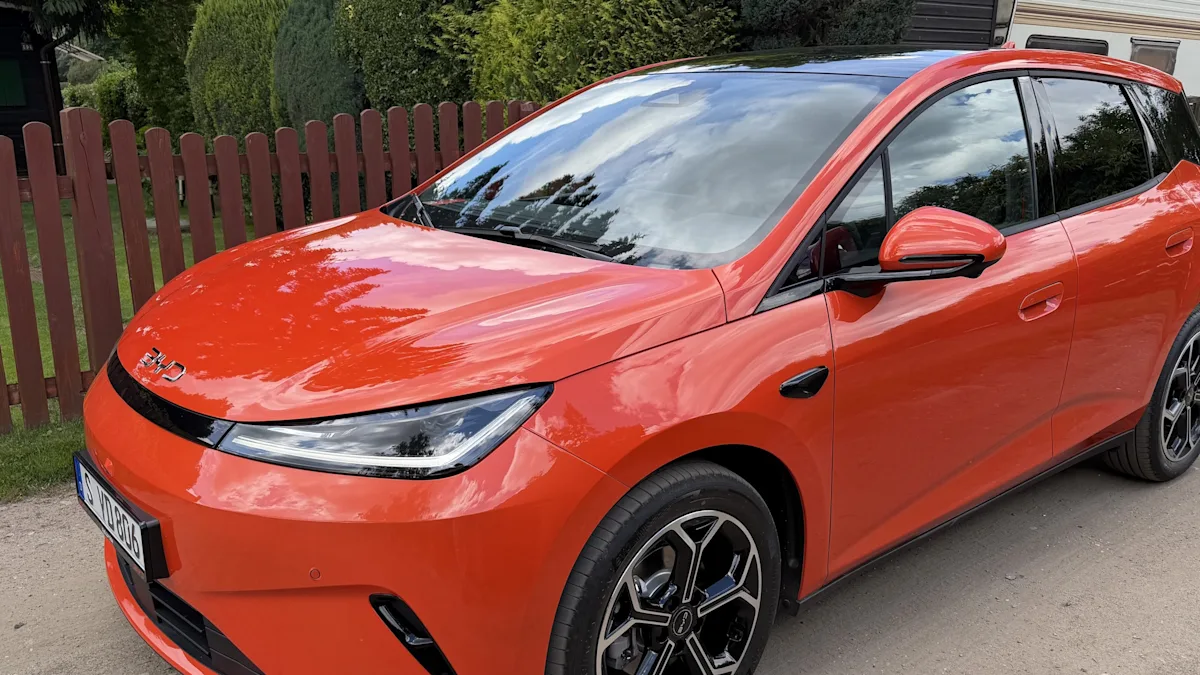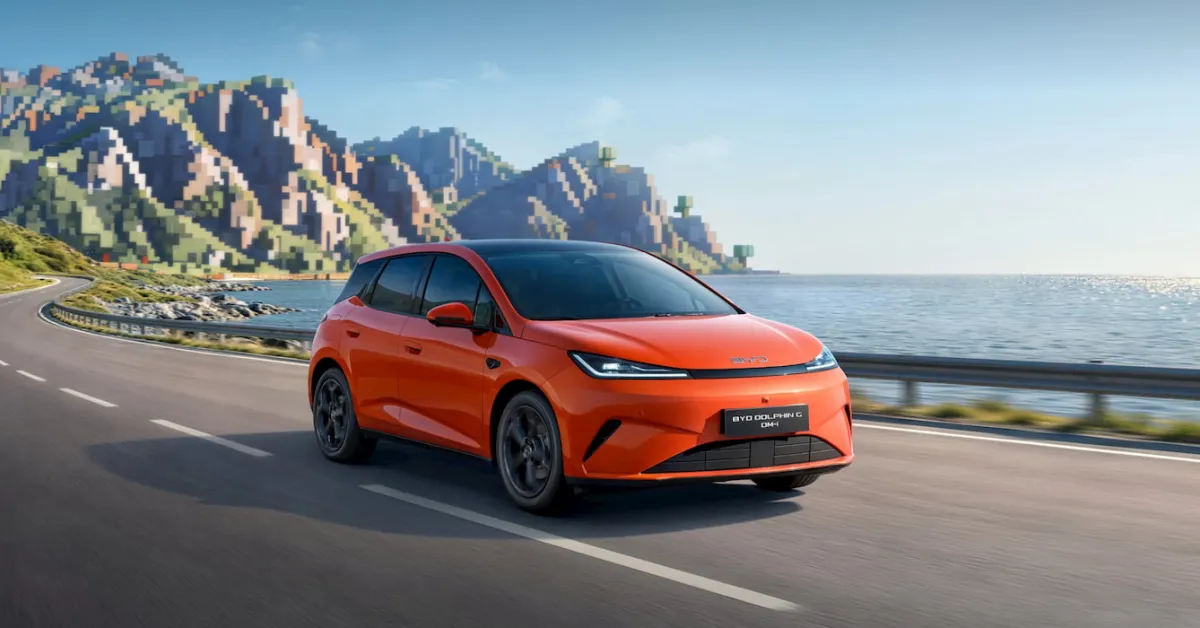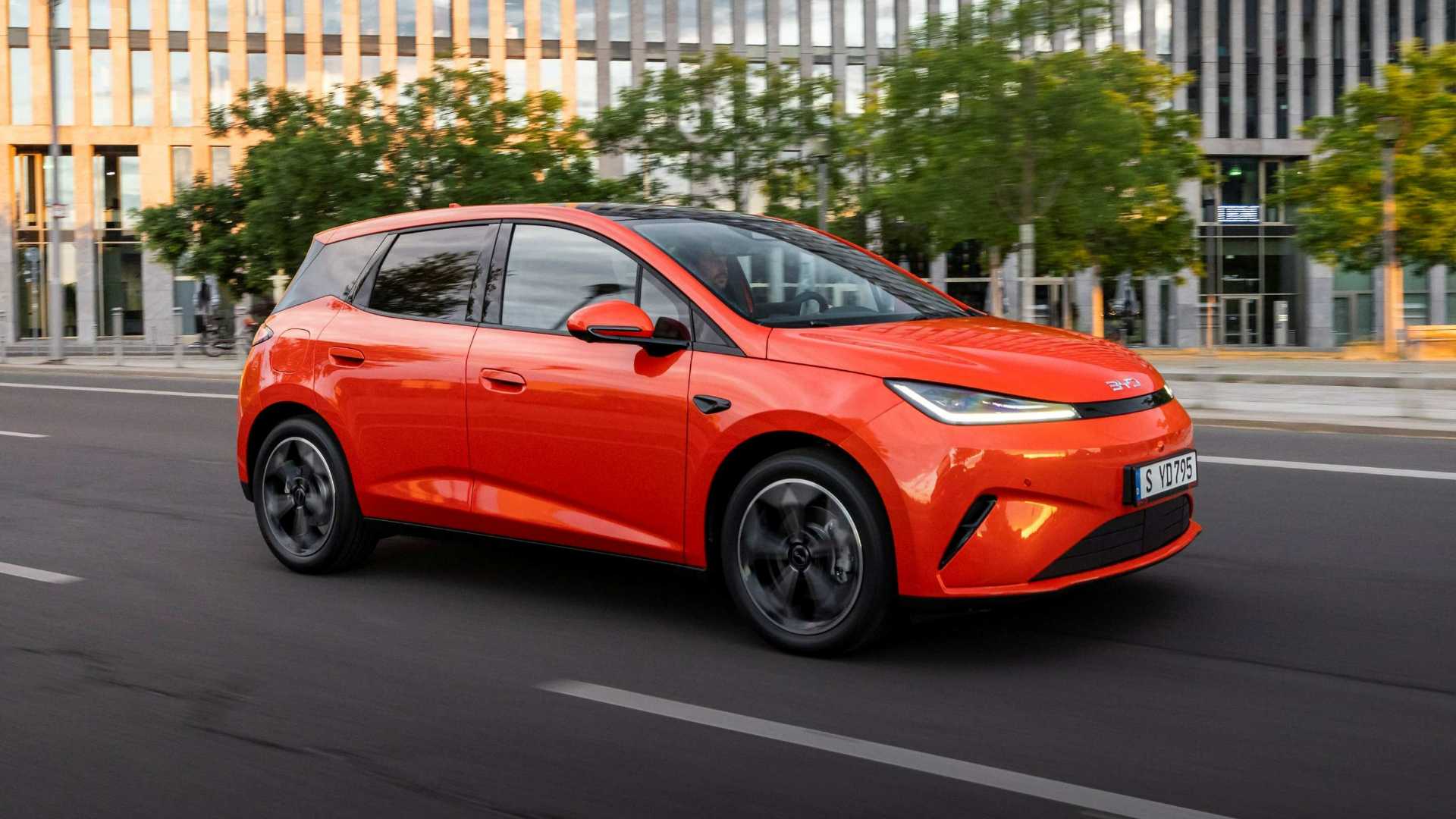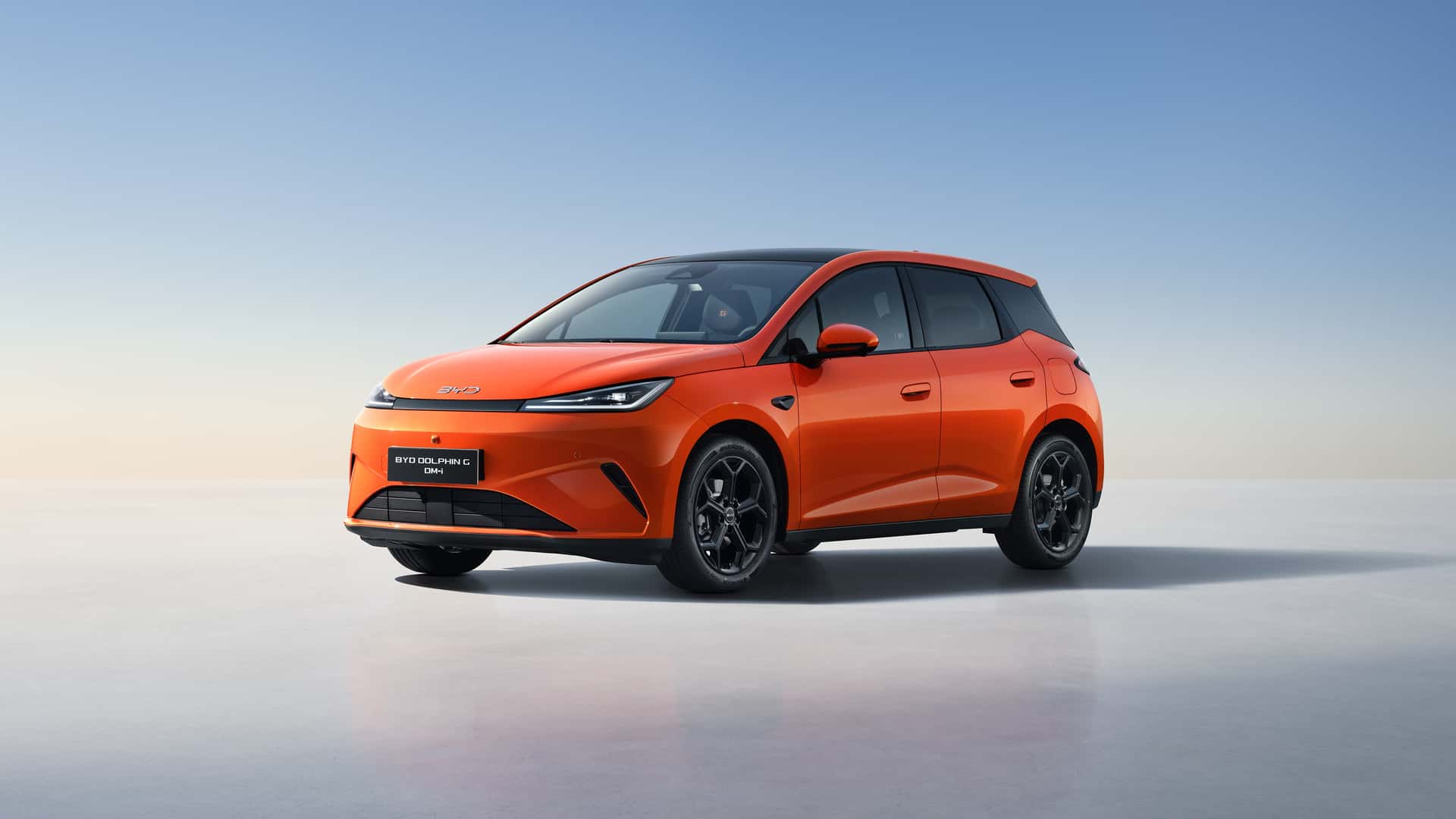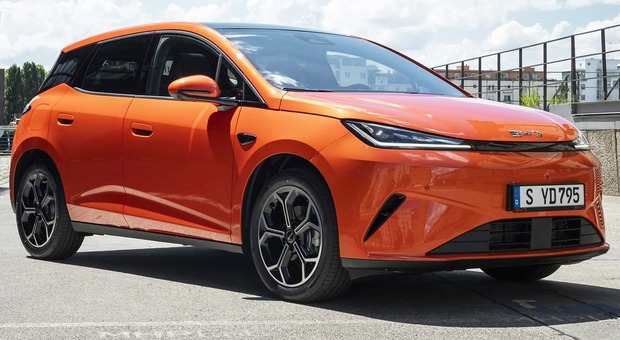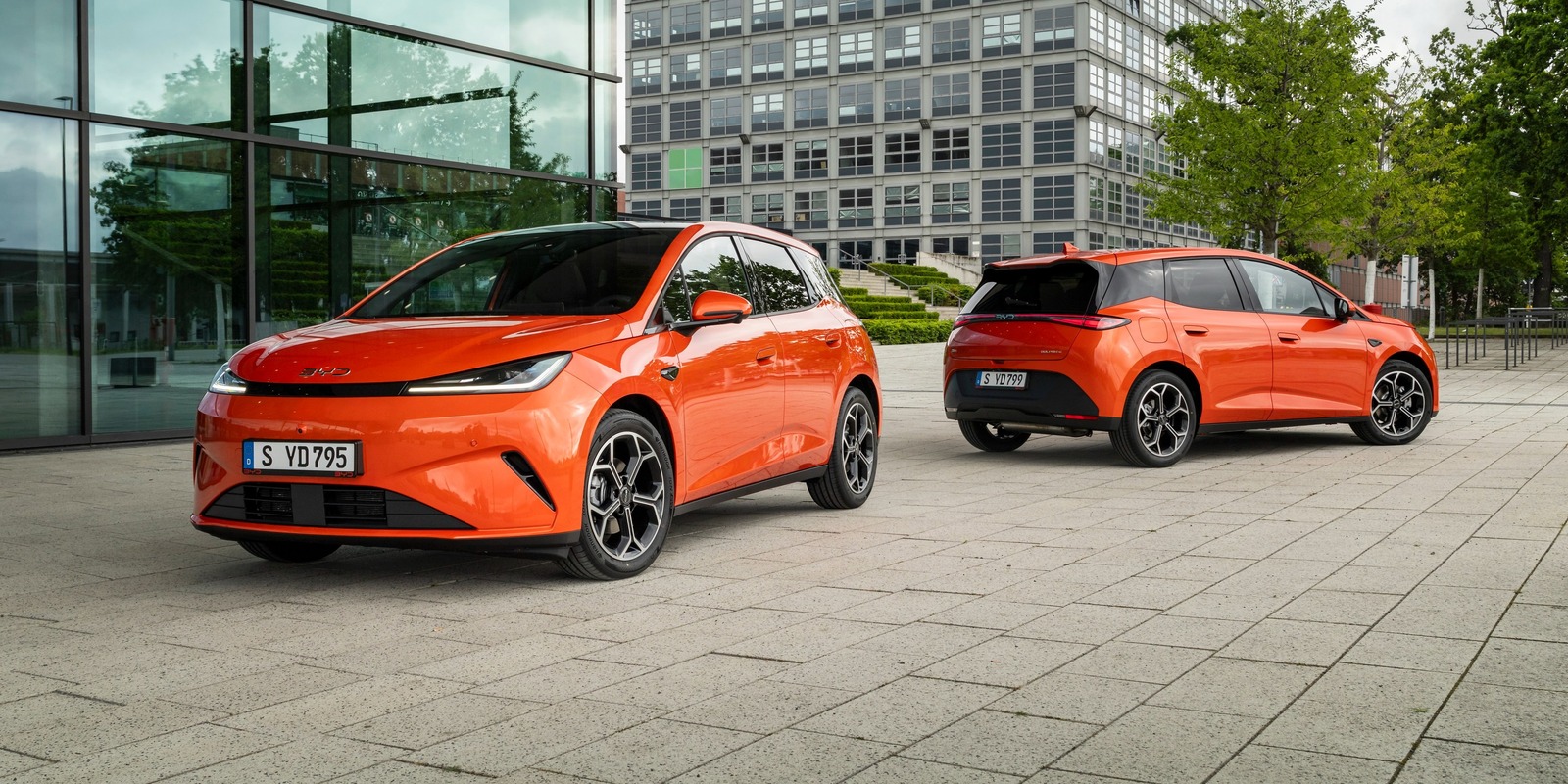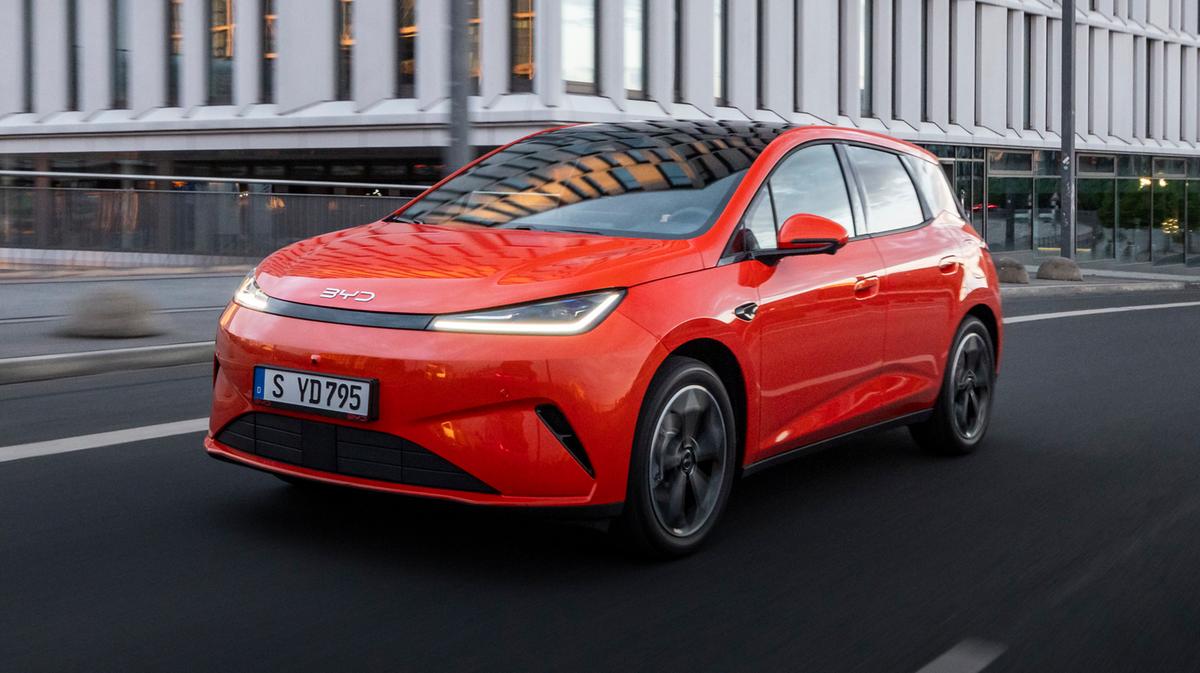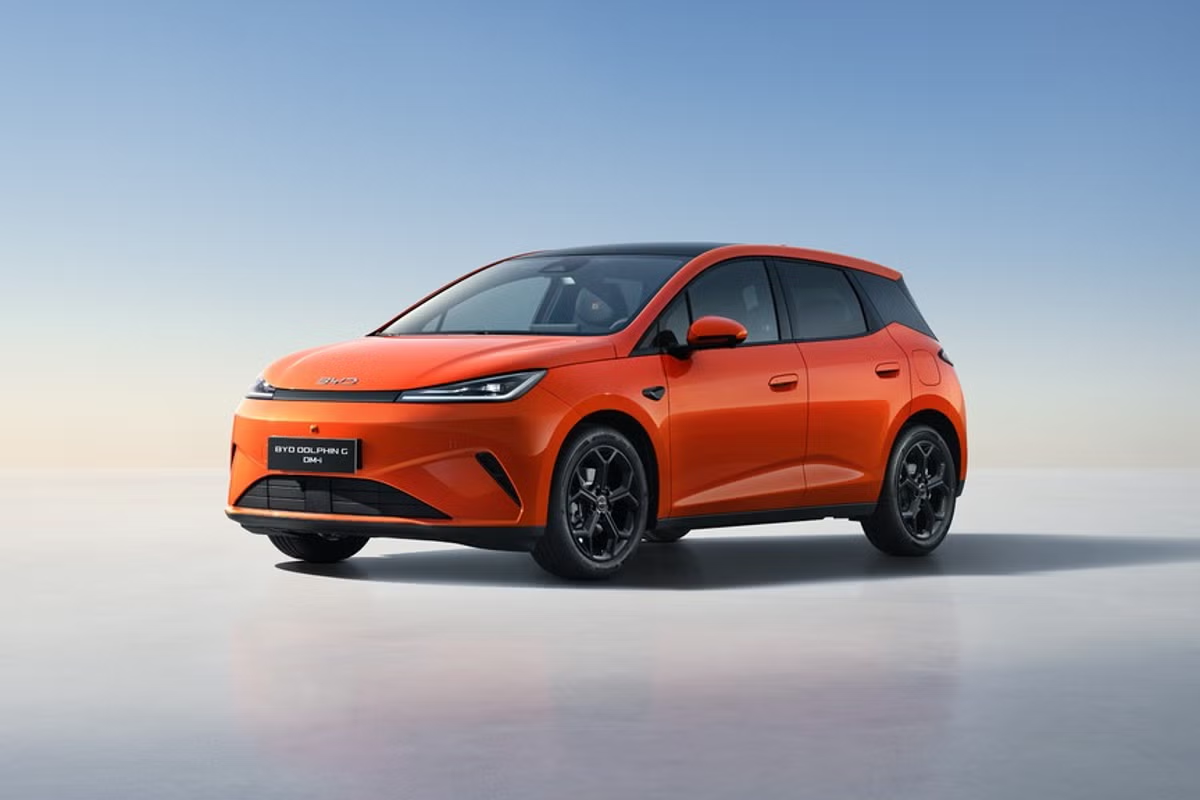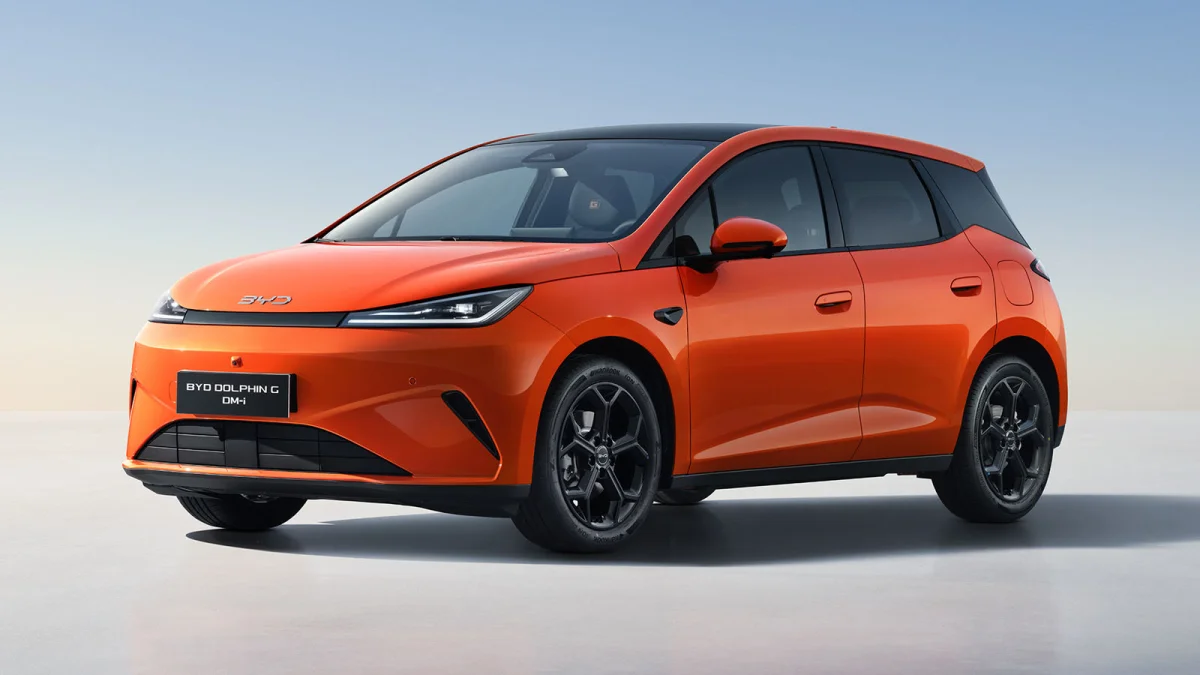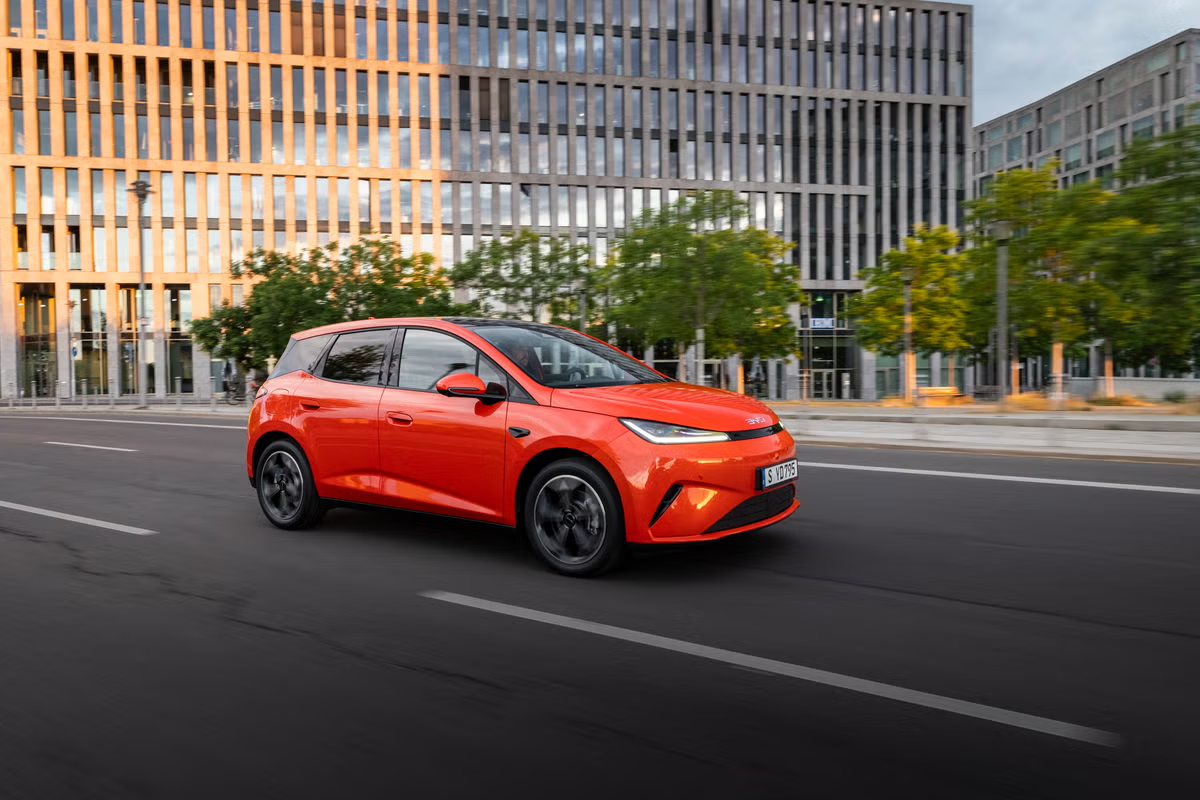
BYD has been on a bit of a roll recently, but the Dolphin G DM-i feels like one of its most important cars yet. It’s difficult to think that the Chinese brand has only been selling cars in the UK for three years, but it’s already gained a big foothold (over three per cent of the market and sales up over 100 per cent year-on-year at the time of writing) and an army of happy customers.The Dolphin G is the first BYD developed specifically for Europe and will be made in Europe eventually, too. It lands right in the heart of the supermini class and, crucially, it brings proper plug-in hybrid power to a part of the market where that simply does not exist currently.The idea is simple enough. You get a compact supermini-sized hatchback that is 4160mm long, 1825mm wide and easy enough to use in town, but with a 2610mm wheelbase, a big 425-litre boot and enough room inside for family life. Then BYD adds its latest fifth-generation DM-i plug-in hybrid tech, which means a useful electric range for everyday driving and a petrol engine for longer trips.There are two battery sizes. The entry-level Active model gets a 7.4kWh Blade Battery, a claimed 25-mile electric range and a total range of 634 miles. I suspect most people will sidestep that and go for a Boost, Comfort or Sport version to get a much more interesting 18.3kWh Blade Battery, stretching the electric range to 65 miles and the combined petrol and electric range to 646 miles. That is proper long-distance stuff from a small car.The headline numbers are impressive, but what really makes the Dolphin G DM-i stand out is the way it works. The hybrid system is silky smooth, the cabin feels far more special than you might expect, the boot is enormous and the kit list is almost silly for a supermini. Heated seats, heated steering wheel, panoramic roof, head-up display, Google built in, a 360-degree camera, lots of driver assistance systems and even Vehicle-to-Load are all available.It is not quite perfect, though. The ride is on the firm side,but bearable, it is quite noisy on the motorway and the front seats could do with more support. Pricing will be key, too. BYD has only given an expected starting point of around £23,000, which means the bigger-battery cars are likely to be around £25,000 and up, with the Sport probably close to £30,000. At those prices, it starts to look a bit expensive next to some larger cars, including BYD’s own Atto 2 DM-i. But if BYD can make the lease and PCP payments attractive, this could be a very big deal indeed. Right now, it feels like one of the most complete Chinese cars you can buy.How I testedI drove the BYD Dolphin G DM-i around Berlin, taking in city streets, faster roads and motorways to test the hybrid system, ride comfort, refinement, practicality and tech. As usual, I gave all the tech a good workout, from the in-car audio to the driver assistance features, and even checked how easy it’ll be to park in a tight car park.BYD Dolphin G DM-i: from £23,000 (est), BYD.comThe BYD Dolphin G impresses for its cabin quality and especially kit count - for the money (BYD)Independent rating: 9/10Pros: Silky smooth hybrid system, huge boot, lots of kit, impressive cabin, big electric rangeCons: Firm ride, noisy on the motorway, flat front seats, pricing will be crucialPrice from: £23,000Battery size: 7.4 or 18.3kWhMaximum claimed range: 646 milesMaximum charging rate: 39kW DCBattery, range, charging, performance and driveThe Dolphin G DM-i uses BYD’s latest Super Hybrid with DM technology, and this is where the car really starts to feel clever. This is the fifth generation of BYD’s DM-i plug-in hybrid system and it is impressive not just because of the numbers, but because of the way it works.Unlike some plug-in hybrids, the Dolphin G DM-i feels like an electric car for most of the time. The front-mounted electric motor does most of the work, while the 1.5-litre petrol engine can act as a generator, help charge the battery or, when needed, drive the wheels directly. BYD says DM-i stands for Dual Mode Intelligence, which is a fairly neat way of describing a system that is constantly deciding the best way to mix electric and petrol power without bothering the driver.The BYD Dolphin G DM-i is just over four meters long but offers more room inside than rival superminis (Steve Fowler)In EV mode, the Dolphin G runs on battery power alone until the charge is depleted when it becomes a Hybrid Electric Vehicle (HEV). Most people will leave the car in HEV mode all the time, when the car can shuffle between different set-ups depending on speed, battery charge and how much power is being asked for. Sometimes the electric motor drives the wheels using battery power. Sometimes the petrol engine powers the generator motor, which then feeds the drive motor. Sometimes the system sends spare energy back into the battery. Under harder acceleration, the petrol engine and electric motor can work together.That all sounds complicated, but from behind the wheel it’s wonderfully simple. The important bit is that it feels smooth, really smooth. The switch between electric running and hybrid running is so well managed that, when the engine kicks in, it barely feels any different. There is none of the jerkiness you get in many hybrids, where you can feel the car shuffling between power sources like someone changing channels on a television.Total system output is 174bhp in the Active model and 209bhp in the Boost, Comfort and Sport versions. Officially, the Active takes 8.5 seconds to get from 0-62mph, while the other models take 8.4 seconds. Top speed is 112mph across the range.On the road, the Dolphin G DM-i feels reasonably brisk. It is not a hot hatch despite BYD’s first Sport version being offered, but it has the kind of instant response that makes it feel nippy around town and relaxed enough on faster roads. In fact, the front wheels can spin up a little too easily if you are heavy with the throttle, although that may have had as much to do with the Hankook tyres on the test car as the powertrain itself.The sport mode does not turn it into a little racer, but it does slightly sharpen the throttle response and adds a bit more weight to the steering. Most of the time, Normal mode suits the car perfectly well, because the whole appeal is how quiet, smooth and easy it feels.The Active model gets the smaller 7.4kWh Blade Battery, with a claimed 25 miles of electric range and 634 miles in total when the battery and 42-litre fuel tank are full. Its combined electric consumption figure is 9.6 miles/kWh, while the official fuel consumption is 109mpg.The bigger-battery models are the ones most buyers are likely to find tempting. Boost, Comfort and Sport get an 18.3kWh Blade Battery, giving an impressive 65 miles of electric range, or up to 93 miles in city driving. The combined electric consumption figure is 5.4 miles/kWh, while fuel consumption is claimed to be 202mpg. CO2 emissions drop from 60g/km in the Active to 32g/km in the larger-battery cars.Charging is another area where the Dolphin G DM-i has an advantage over BYD’s next smallest PHEV, the Atto 2 DM-i. The Dolphin G Active has a 3.3kW on-board charger and can be charged from 15 to 100 per cent in 2.8 hours. Boost, Comfort and Sport versions get a 6.6kW on-board charger and take 2.9 hours from 15 to 100 per cent. Unlike the Atto 2 DM-i, the bigger-battery Dolphin G DM-i also gets DC charging at up to 39kW, giving a 10 to 80 per cent charge in 26 minutes.That is not fast by pure electric car standards, but for a plug-in hybrid battery it is useful. It means you could top up on a longer journey if you really wanted to maximise electric running, although most owners will simply plug in at home or work.The drive is mostly very easy to like. Visibility is good, the doors open nice and wide and there is no huge sill to climb over, so it feels straightforward from the moment you get in. Around Berlin, the ride was firm but not uncomfortable. It is the sort of firmness you notice, rather than something that ruins the car. The question is whether it will feel a little more brittle on broken UK roads, because Berlin’s surfaces were not the toughest test.The BYD Dolphin G DM-i has been designed for Europe and will be built in Europe (Steve Fowler)The Dolphin G DM-i is quite noisy on the motorway, though. The drivetrain stays resolutely quiet, which is impressive, but there is a fair bit of wind and tyre noise at higher speeds. That is a shame, because the hybrid system itself is so refined that you notice the other noises more. You’ll just have to turn the stereo up a bit.The indicator sound also feels a little cheap, which is a tiny point, but one of those details you notice in a car that otherwise feels so well thought through. At least the horn sounds beefier.Interior, practicality and boot spaceThe cabin is one of the Dolphin G DM-i’s biggest surprises. It is attractive, comfortable and interesting, if not the most modern-looking interior in the world. What it does have is a really nice blend of materials, textures and colours, which gives it more character than plenty of small cars at this sort of money.Across the dashboard there is a piano black strip, with a ribbed dark plastic strip underneath and a metallic-effect finisher above some soft-touch padding. It sounds like quite a mishmash, but it works well in the car; it gives the cabin depth and detail without looking too fussy.The boot in the Dolphin G DM-i is large at 425 litres, but there's a high lip to get over (Steve Fowler)There is plenty of hard plastic, of course, but what do you expect at this price? The clever bit is that BYD has put softer-touch materials on the door where you are most likely to feel them. That is good thinking, because it makes the bits you touch regularly feel better, without pretending this is a luxury car built without a budget.Actually, in some ways, it does feel like a proper little luxury car. This is a small hatchback with an enormous amount of kit available on it. A panoramic roof, head-up display, heated seats, heated steering wheel, lots of driver assistance features, Google integration and a seriously good audio system are all on the menu, depending on trim.The driving position is good, although the seats could do with a bit more support. The cushions and backrests feel a little flat, so while they are perfectly fine for shorter trips, they don’t hug you in place as well as they might. Storage is very good. There are three cupholders in the centre, a wireless charging pad, a lidded storage area and a large open storage section underneath the centre console. The glovebox is a good size, too. The gear selector is mounted on the steering column, which frees up space between the front seats, and there is a row of physical buttons at the base of the dashboard for useful functions such as the windscreen demister, volume and driving modes. I just wish BYD would make its start/stop button a bit more obvious.The wireless phone charger did not seem to work on my test car, although on paper it is a 15W charger with cooling and an angled layout designed to keep your phone in place through corners. Boost, Comfort and Sport models get it as standard.Space is excellent for a supermini. The 2610mm wheelbase is longer than any of the Dolphin G DM-i’s conventionally powered rivals, and you feel that inside. There are no problems with headroom, while rear-seat space is decent for family use. Three across the back will be tight, because this is still a small car, but a flat floor helps anyone sitting in the middle. Should a six-foot passenger want to sit behind a six-foot driver they can with a tiny bit of room to spare.Access is good, too. The doors open nice and wide, visibility is strong and the rear quarter light helps make the back of the cabin feel brighter and airier. Comfort and Sport versions also get the fabulous panoramic glass roof with an electrically adjustable sunshade, which is unusual in this class and adds to the sense of space.The boot is big. With the rear seats up, the Dolphin G DM-i has 425 litres of luggage space, which is more than plenty of family hatchbacks and SUVs. That is divided into a main 380-litre boot and a discreet 45-litre compartment beneath the floor. Fold the 40:60 split rear seats down and the total rises to 1225 litres.There are shopping bag hooks and tie-down points, which are the sort of simple touches that make a boot easier to live with. The only downside is that the boot lip is quite high, so heavier bags need a bit of a lift to get them in.The Dolphin G DM-i rear has plenty of space for two - three at a push. (Steve Fowler)The outside design helps the practicality, too. The tall rear roofline helps with rear headroom and luggage space, but the car still looks good on the road. In fact, it looks very European, quite premium and a bit sporty, especially from the back. The full-width rear light bar, subtle roof spoiler and scalloped lower bumper give it more presence than you might expect from a small hatchback.It is also very much a BYD. The front end follows the brand’s ocean-influenced design approach, with soft curves, a prominent BYD badge, active air intakes in the lower bumper and neat vertical creases at the edges to make it look wider. Active and Boost cars get 16-inch wheels which may improve the ride slightly, Comfort gets 18-inch dual-tone wheels and Sport gets darker 18-inch gloss-black alloys, which give it the sharpest look of the lot.Technology, stereo and infotainmentThe Dolphin G DM-i is absolutely loaded with technology, especially for a supermini. This is not one of those small cars where you feel as if half the interesting kit has been held back for larger, more expensive models. Quite the opposite, actually – BYD has pretty much thrown the kitchen sink at it.Every version gets an 8.8-inch digital driver display, although it is typically BYD in trying to show too many tiny bits of information at once. It could do with being a bit bolder and clearer, with the most important information given more space. It is perfectly usable, but it does feel a little crowded.The Dolphin G DM-i’s tech count is bigger and better than on rival superminis (Steve Fowler)Active models get a 10.1-inch touchscreen infotainment system, while Boost, Comfort and Sport versions move up to a larger 12.8-inch screen. BYD says that is the largest screen offered in the segment, and it certainly gives the cabin a proper big-car feel. Apple CarPlay and Android Auto are included, along with intelligent voice control and onboard 4G connectivity.Comfort and Sport versions add Google integration, bringing Google Maps, Google Assistant and Google Play. That means the navigation should feel far more familiar and reliable than some built-in systems, and owners can also install additional apps such as games and media streaming services.The audio system is seriously impressive. It has good depth, clarity and separation, which is not something you can say about every small car stereo. It also has a karaoke function, which helped me channel my inner Rick Astley. Whether that is a good thing for passengers is another matter entirely, but it is a very BYD feature and adds a bit of fun.The kit list starts strongly even in Active form. You get LED headlights, LED tail-lights, LED daytime running lights, front and rear parking sensors, a rear-view camera, automatic air conditioning, fabric upholstery, a six-way adjustable driver’s seat, a four-way adjustable passenger seat, front USB ports and keyless entry and start.Boost feels like the point where the car gets properly tempting. It brings the bigger battery and the 65-mile electric range, a 12.8-inch screen, heated front seats, a heated steering wheel, an auto-dimming rear-view mirror, electrically folding mirrors, multi-coloured ambient lighting, the 15W cooled wireless phone charger, rear air vents, rear USB ports and an eight-speaker audio system.It also introduces Vehicle-to-Load, which allows the car to power external electrical devices. BYD gives the usual examples of laptops, fairy lights, coffee machines or even a portable grill, and while not everyone will use it every week, it is a handy extra for camping, days out or emergency charging of gadgets.Comfort adds the really posh stuff. That means a widescreen head-up display, panoramic roof with electric sunshade, exterior mirror puddle lights, fabric and vegan leather upholstery, electric driver’s seat adjustment, electrically adjustable lumbar support, a 360-degree camera and 18-inch alloy wheels. This is where the Dolphin G starts to feel like a car from the class above.Sport builds on Comfort with more design-led touches, including discreet badging, gloss-black 18-inch alloy wheels and a unique black-and-orange cabin with a motorsport-style Alcantara finish on the seat panels. Sport can also be ordered with a black-and-blue interior.Safety kit is comprehensive across the range. All versions get driver and passenger airbags, front side airbags, side curtain airbags, tyre pressure monitoring, e-Call, Isofix and i-Size points on the front passenger seat and outer rear seats, plus pre-tensioner and force-limiter rear seatbelts.Google Maps, Google Assistant and Google Play are all built in with the BYD Dolphin G DM-i (Steve Fowler)Driver assistance is equally strong. Adaptive Cruise Control, Intelligent Cruise Control, Intelligent Speed Limit Control, Traffic Sign Recognition, Emergency Lane Keeping Assist, Lane Departure Assist, Automatic Emergency Braking, Front Collision Warning, Rear Collision Warning, Front and Rear Cross Traffic Alert with braking, Blind Spot Detection, Driver Monitoring System and Door Opening Warning are all standard across the range.All versions get front and rear parking sensors. Active and Boost get a rear-view camera, while Comfort and Sport upgrade that to a 360-degree camera, which is always useful in town and should be especially welcome given how easy the Dolphin G is likely to be used as a city car.Prices and running costsBYD has not confirmed UK prices yet, so this is the area where we have to be a little cautious. The current guide is an expected starting price of around £23,000 for the entry-level Active with the smaller battery. That could put the Boost at around £25,000, the Comfort at around £28,000 and the Sport probably closer to £30,000.The BYD Dolphin G DM-i gets a properly premium spec with head-up display and a lovely panoramic glass roof. (Steve Fowler)Those prices are going to be crucial. At around £23,000, the Active looks interesting, but the bigger-battery cars are the ones that really show off what the Dolphin G DM-i can do. Once you get to £25,000 and beyond, though, it starts getting closer to the bigger BYD Atto 2 DM-i, which means buyers will need to decide whether they want the larger SUV shape or the smaller, more agile and more polished hatchback.The Dolphin G has one important advantage over the Atto 2 DM-i, though: DC charging on the bigger-battery versions. It also feels very well suited to European buyers, with compact dimensions, a big boot and a long electric range.Running costs should be a major strength, as long as owners plug it in regularly. The 18.3kWh battery gives up to 65 miles of electric driving, which will be enough for many commutes, school runs and local journeys. Use it properly and many owners could go for days without using petrol at all.As ever with plug-in hybrids, the real-world numbers will depend entirely on how the car is used. Keep the battery charged and it should be very cheap to run. Treat it like a petrol car and never plug it in, and you will lose much of the benefit.BYD’s warranty package is strong, with a six-year manufacturer warranty and eight years’ cover for the battery and drivetrain. The other key number will be the monthly payment. With predicted strong residual values, the Dolphin G DM-i could be very attractive on a PCP or lease. That may be absolutely key to the car’s success, because at the higher estimated list prices it could look a little expensive.Colour choice is reasonable. Orange Sunset is standard across the range, while metallic options include Skiing White, Time Grey, Obsidian Black and Ocean Blue. Oxford White is also available on Active, Boost and Comfort. Sport buyers miss out on some of those exterior colours but get the choice of black-and-orange or black-and-blue interiors.Pricing and monthly PCP rates will be key for the BYD Dolphin G DM-i (Steve Fowler)Apparently the G in Dolphin G stands for Genius – a bold saying, but BYD might just be right. The Dolphin G DM-i is smooth, roomy, clever, very well equipped and possibly BYD’s most convincing European car yet. I’d buy one as a little runaround and probably end up using it for much more – I was hugely impressed by it.BYD Dolphin G DM-i rivals:MG 3Renault Clio Toyota YarisFAQsHow long does it take to charge?The Dolphin G DM-i Active charges from 15 to 100 per cent in 2.8 hours using its 3.3kW AC charger. Boost, Comfort and Sport take 2.9 hours with their 6.6kW AC charger, and can DC charge from 10 to 80 per cent in 26 minutes.How much does it cost – is it worth it?UK prices have not been confirmed, but BYD expects the range to start from around £23,000. The bigger-battery Boost is likely to be around £25,000, Comfort around £28,000 and Sport close to £30,000. If the monthly payments are strong, it could be excellent value.Does BYD replace batteries for free?BYD covers the Dolphin G DM-i’s battery and drivetrain for eight years, while the rest of the car is covered by a six-year manufacturer’s warranty.Why trust usOur team of motoring experts have decades of experience driving, reviewing and reporting on the latest EV cars, and our verdicts are reached with every kind of driver in mind. We thoroughly test drive every car we recommend, so you can be sure our verdicts are honest, unbiased and authentic.With more than 30 years of experience, Steve Fowler is one of the UK’s best-known automative journalists. Steve has interviewed key industry figures, from Tesla’s Elon Musk to Ford’s Jim Farley, and is a judge for both Germany’s and India’s Car of the Year Awards, as well as being a director of World Car of the Year. When it comes to electric vehicles, Steve reviews all the latest models for The Independent as they launch, from Abarth to Zeekr, and he uses his expert knowledge of car buyers' needs to provide a comprehensive verdict.IDNML is an Introducer Appointed Representative of Automotive Compliance Limited (Firm Reference Number 497010), which is authorised and regulated by the Financial Conduct Authority (FCA). Our role is limited to making introductions to Automotive Compliance Limited only. We do not give advice or arrange finance. You can verify this information on the Financial Services Register at https://register.fca.org.uk.Automotive Compliance Limited will pay us an introductory fee for making the introduction. This fee does not affect the interest rate, amount you borrow, or the terms of your finance agreement.
I’ve driven the BYD Dolphin G DM-i and I think it’s the best Chinese car yet
BYD’s clever new plug-in hybrid supermini is roomy, smooth, packed with luxury car kit and could be sensational value if the monthly payments work
3,922 words~18 min read