A gunshot pierced the calm.Article continues after advertisement
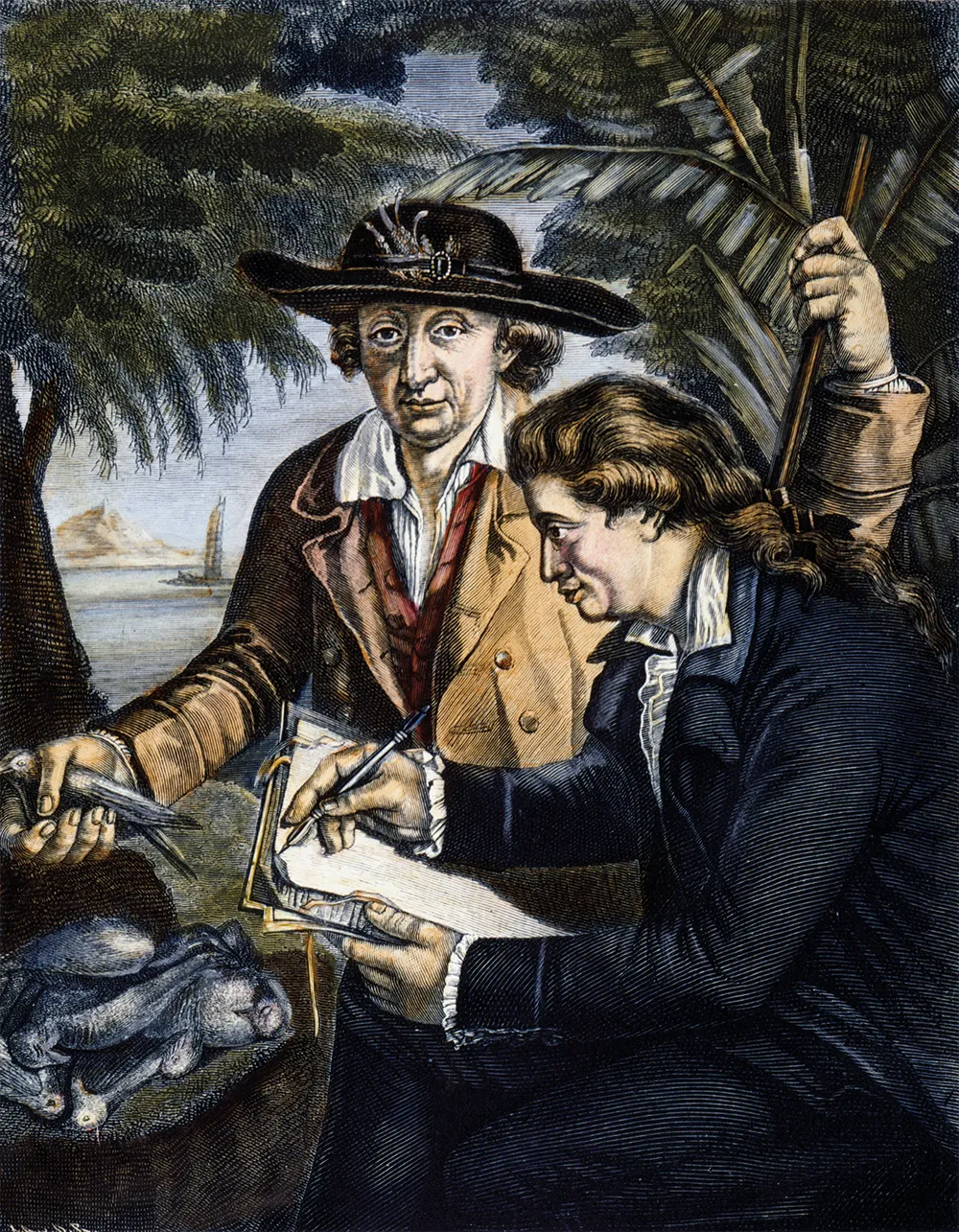
Then there was silence, followed by sounds of a commotion. A man came running towards them, but turned and hid in a bush as soon as he saw George Forster and his companion. Other islanders they passed looked at them with disgust. A woman trembled in fear. George couldn’t understand what was happening, but as they hurried on, several men waved their arms, urging them on towards the beach. When they finally stepped out of the jungle, they found two islanders on the ground, cradling a third man in their arms. There was blood everywhere. George saw the gunshot wound just under the ribs. “Marokee ,” the two men cried out and it was obvious that it meant “he is killed.”
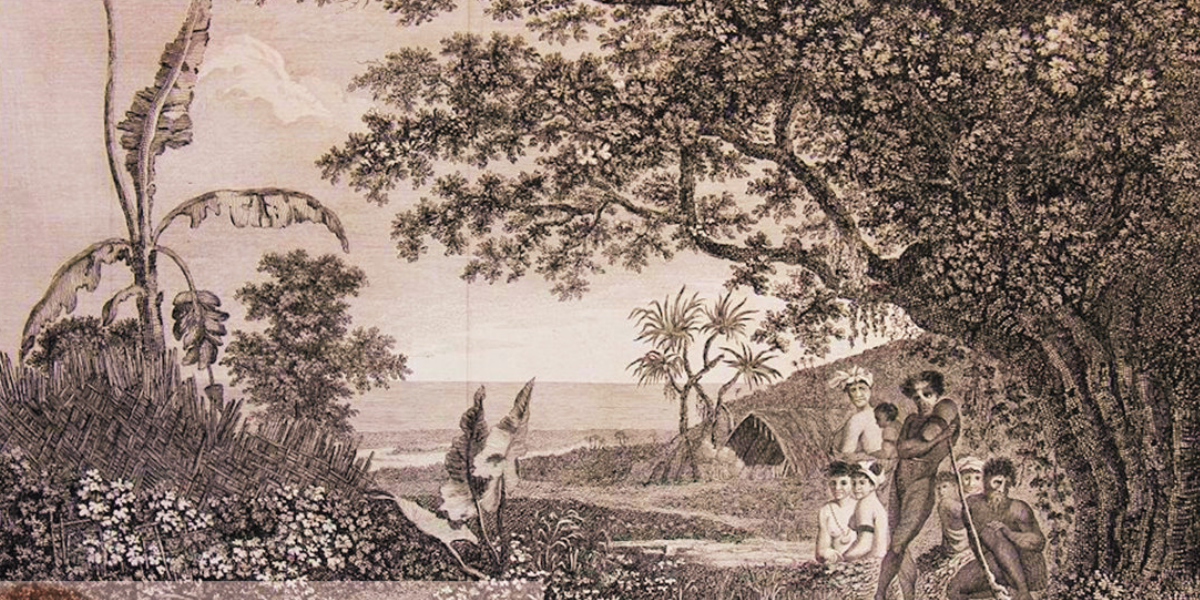
An hour earlier, George had walked through the tropical forest, day dreaming. He had thought of the previous two weeks and the many hours he had spent with the islanders. They had shared meals of roasted yams and delicious coconut pies with a crust of baked bananas. They had taught each other words, exchanged names, and tried to communicate by pointing and guessing. Young boys, some no older than five or six, showed off their marksmanship by throwing reeds like spears with perfect accuracy, and the men demonstrated their precision with bow and arrow. In the early evenings just before sunset, the islanders lit fires and the women began to cook. To entertain them, George sang German and English songs and they returned the favour by singing harmonious solemn melodies and playing a flute made of eight reeds. It had been, he said, as if they were all “members of one great family.”