Ludwig Koch was once as influential as David Attenborough is today – a new film by his granddaughter sheds light on a tragic event in the naturalist’s life in Berlin before he fled the Nazis
I
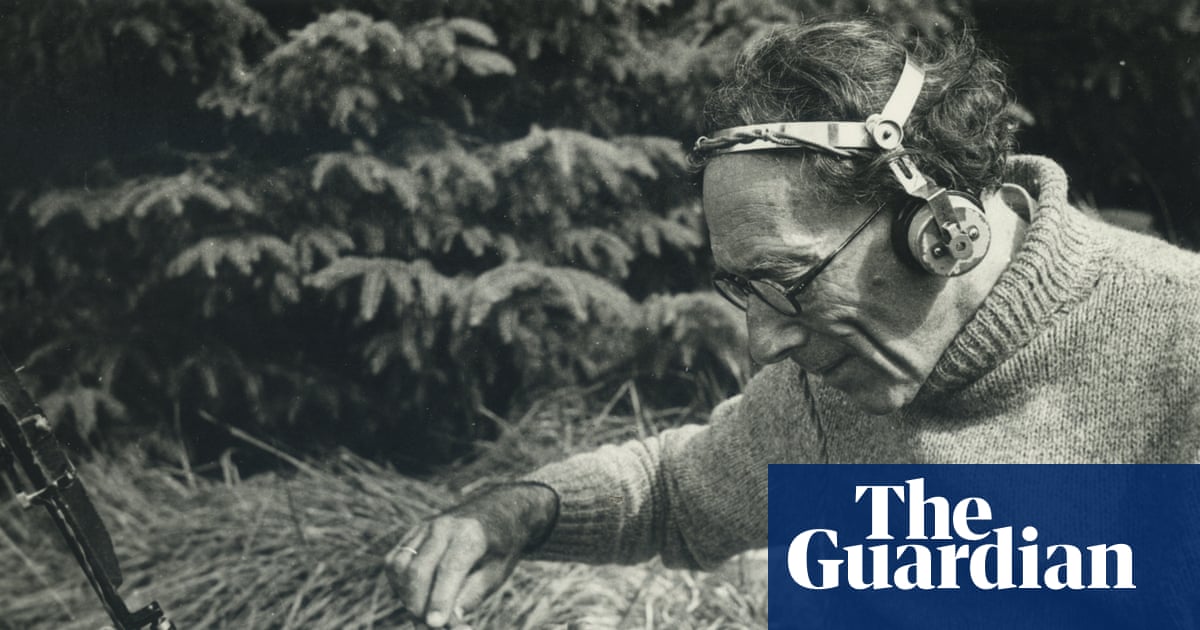
n his lifetime, pioneering German sound recordist Ludwig Koch’s heavily accented voice was as familiar to British audiences as David Attenborough’s is today. His tireless passion for capturing birdsong and bringing it first into German and, after his exile from Nazi Germany, British homes via sound books and BBC radio, made him a household name from the late 1930s onwards.
He was celebrated beyond his life, parodied by Peter Sellers (playing Koch observing life at a Glasgow traffic junction) and immortalised in Penelope Fitzgerald’s 1980 novel Human Voices, about the wartime BBC, which depicts Koch’s assiduous approach to capturing natural sounds and indirectly highlights how the organisation benefited from new voices like his.
Yet to his film-maker granddaughter Anthea Kennedy, Koch was a somewhat aloof presence. “I don’t remember ever having a conversation with him,” Kennedy says. Instead, he preferred singing to her, vividly daydreaming of the brief career as a tenor opera singer he had had to give up in Germany because of the first world war. “He’d squeeze my hand tightly, which I hated, and sing classical opera, then ask me what he’d been singing. It didn’t seem to matter to him that I didn’t have a clue.”