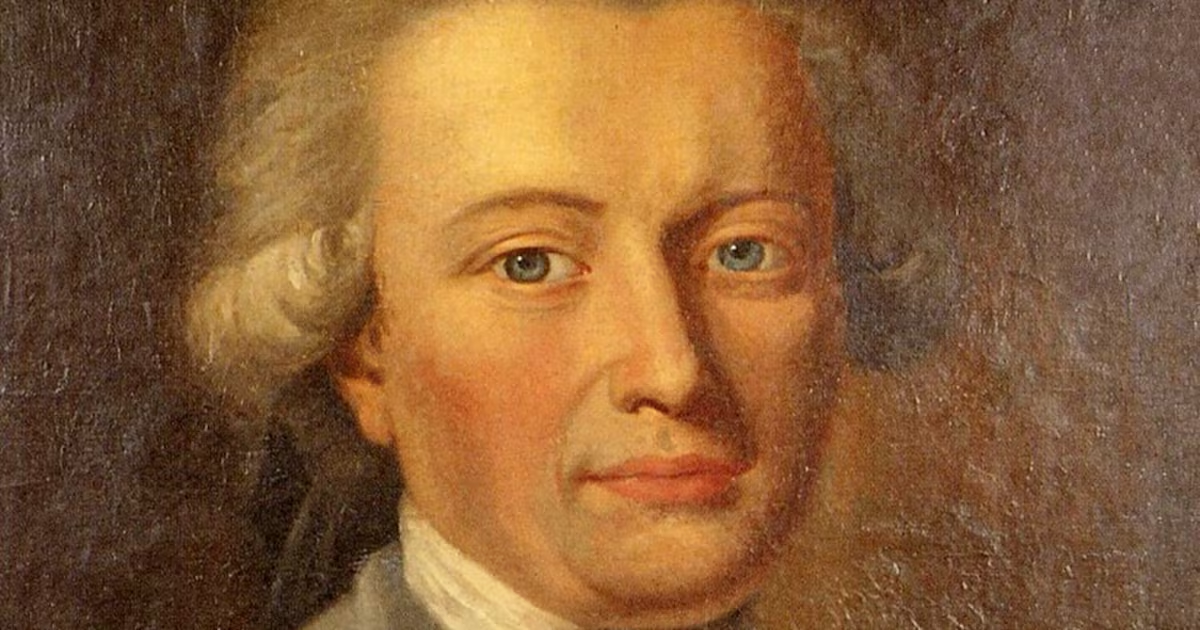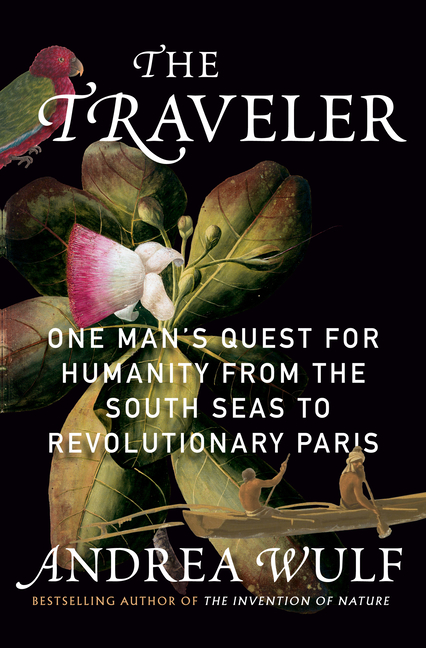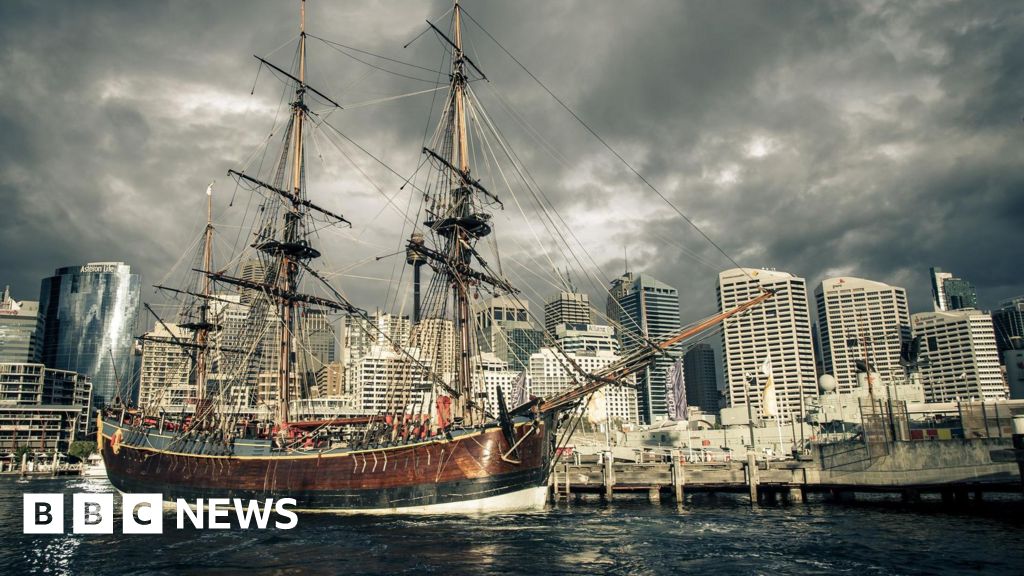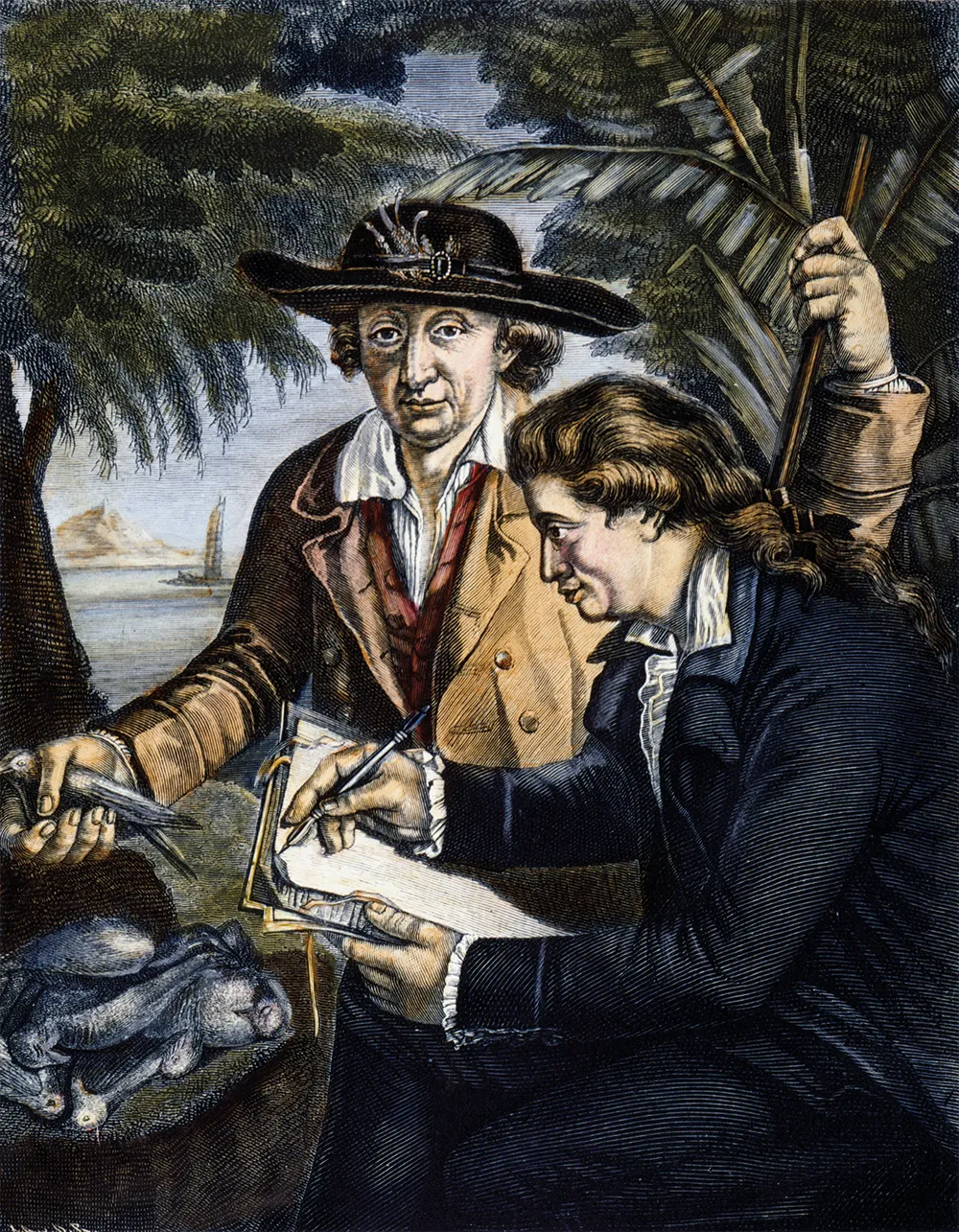
George Forster (1754-94), the German-Polish polymath, was in every sense a late Enlightenment prodigy. He was just ten years old when he accompanied his father, Johann Reinhold, on a scientific expedition to Russia and still in his teens when he sailed with him on Captain Cook’s epic three-year voyage to Antarctica and the Pacific islands. The ensuing book, A Voyage Round the World (1777), largely written by George, became a classic. It established him as one of the most significant naturalists and travel writers of the age, leading to him being elected a Fellow of the Royal Society aged just 22. He was also a very young polyglot, having learnt German, French, English and Russian by the age of 12. (He later added Dutch, Italian, Spanish, Portuguese and Swedish, as well as Latin.) Andrea Wulf draws on Forster’s publications and personal archives to reconstruct the trajectory of this remarkable, compellingly humane, figure.
Most popular
Ross Clark
Tony Blair is right about Britain – but can’t own up to his mistakes
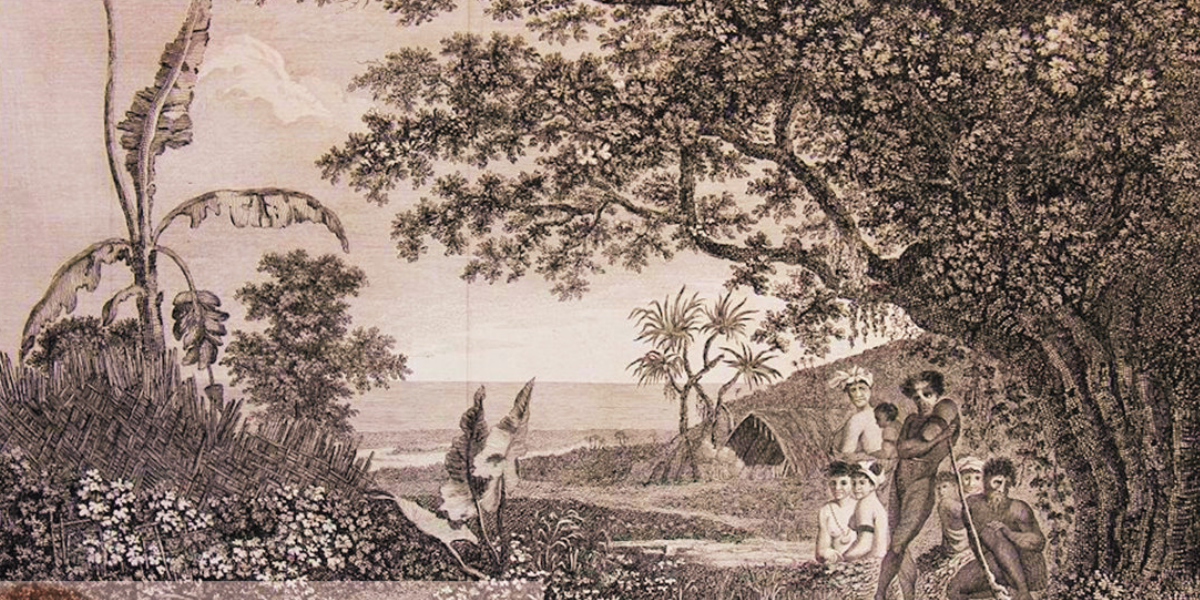
On board Cook’s HMS Resolution, Forster encountered new civilisations and breathtaking scenery – from the huge icebergs and flocks of penguins in the Antarctic, to Easter Island’s giant statues, to the lush vegetation of New Zealand and Tahiti. He studied the islanders he met closely, captivated by their music and admiring of their dress and jewellery, but at times disoriented by their religious rituals and political customs. He approached different civilisations sensitively, without assuming – as was the norm – that European ways were superior.