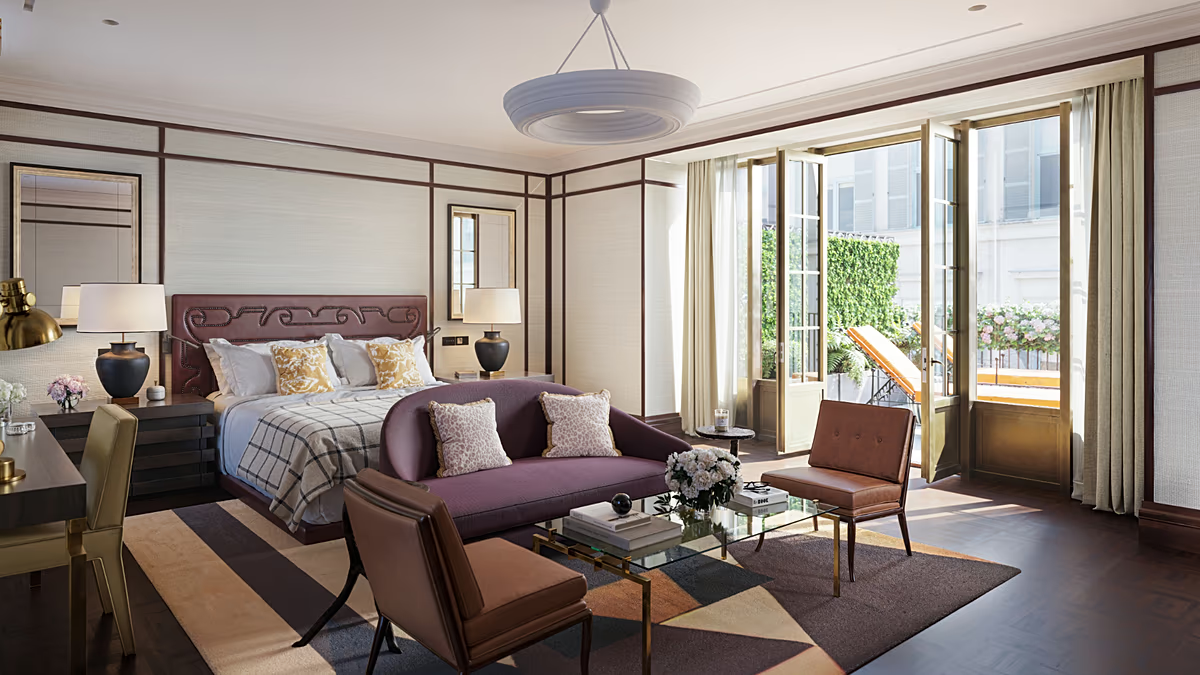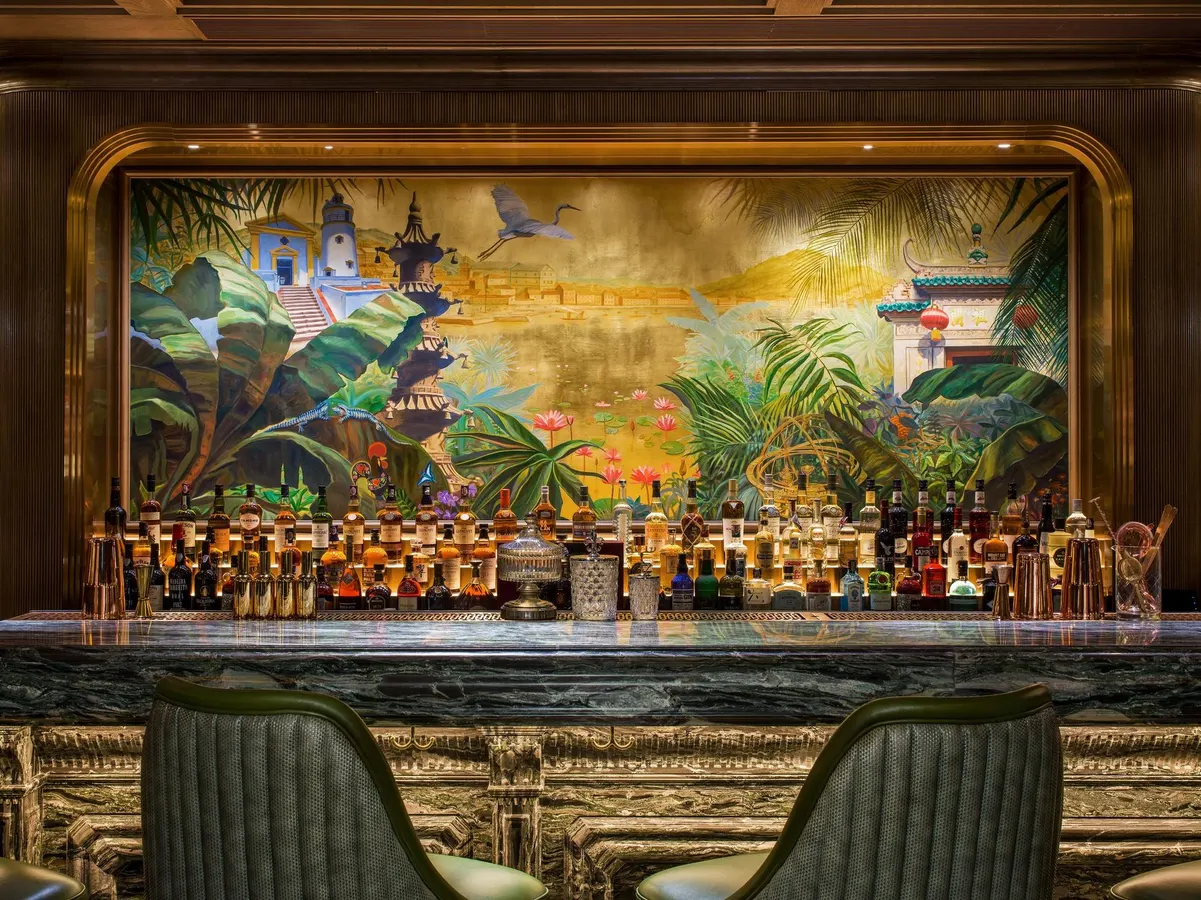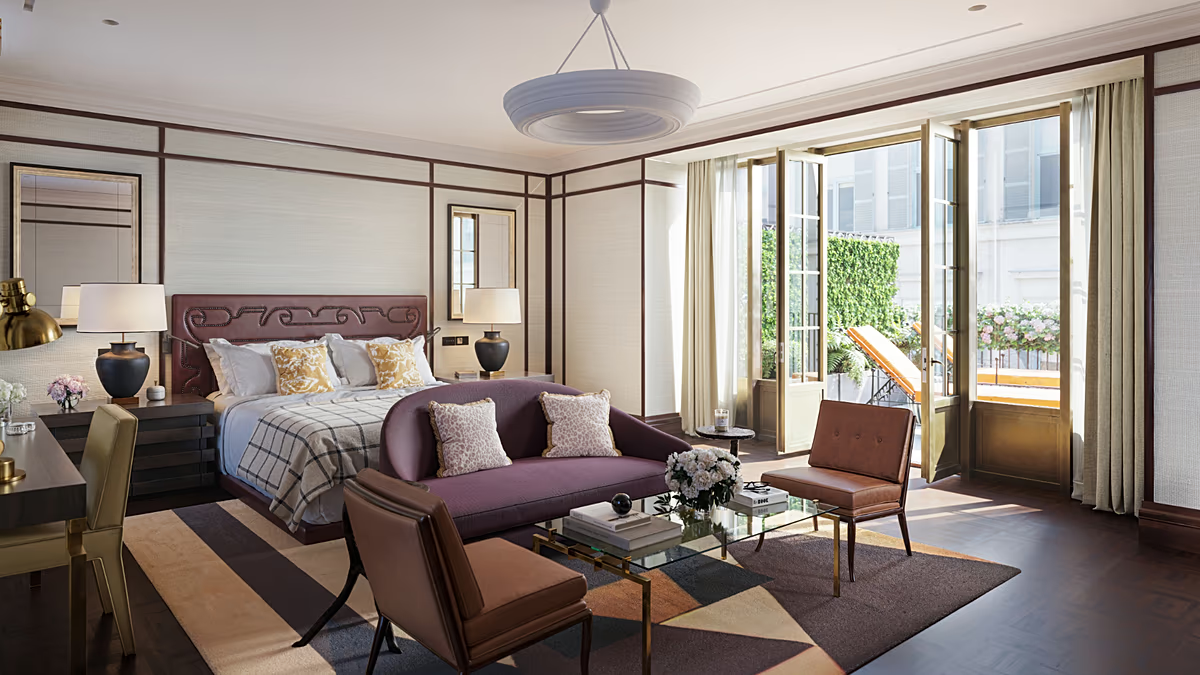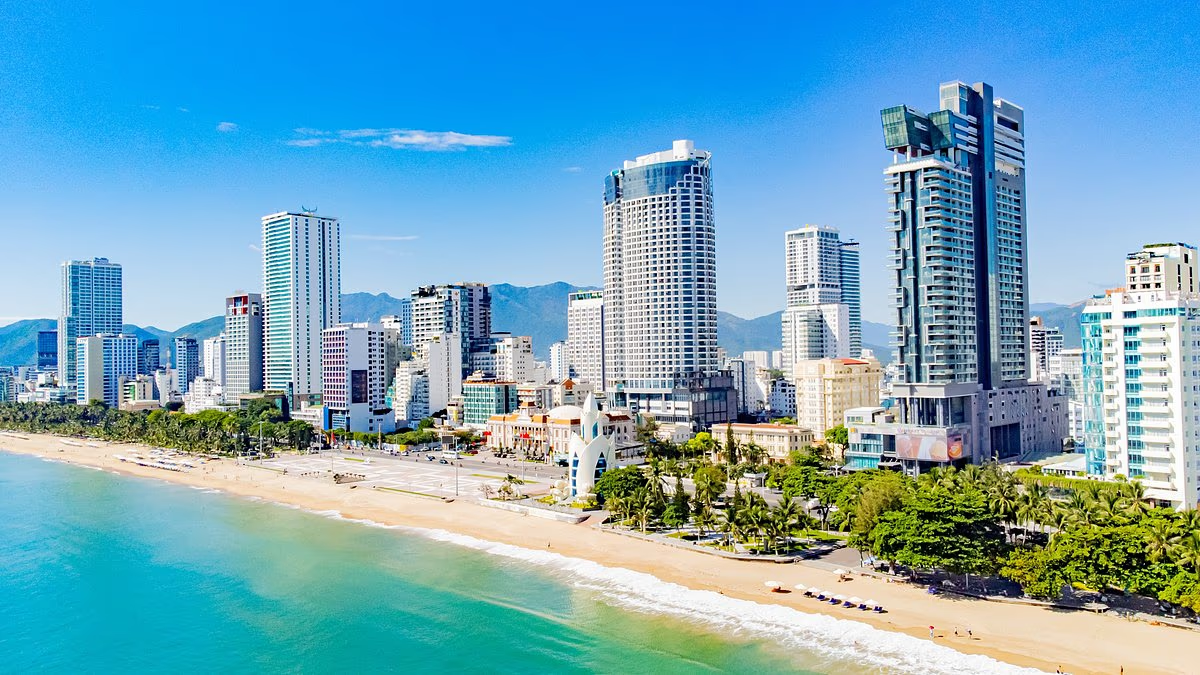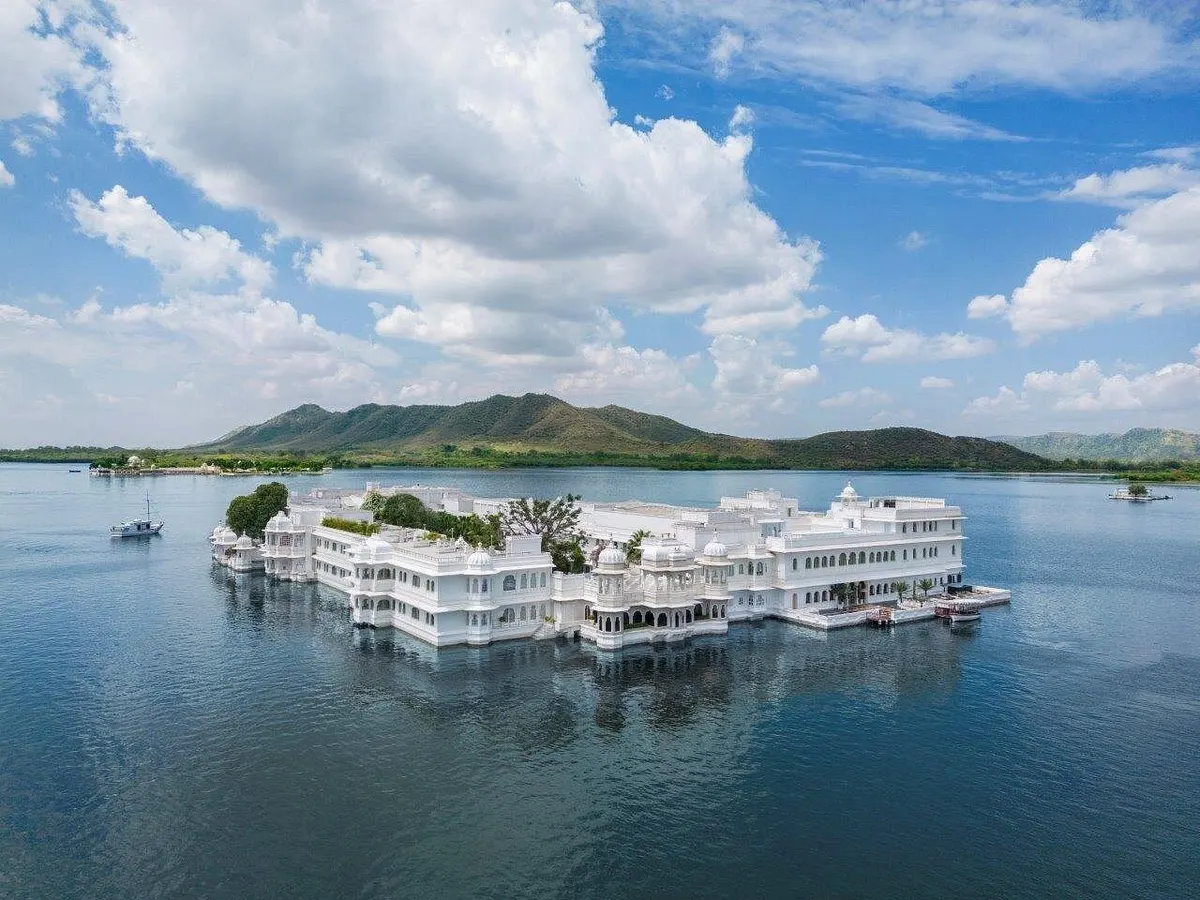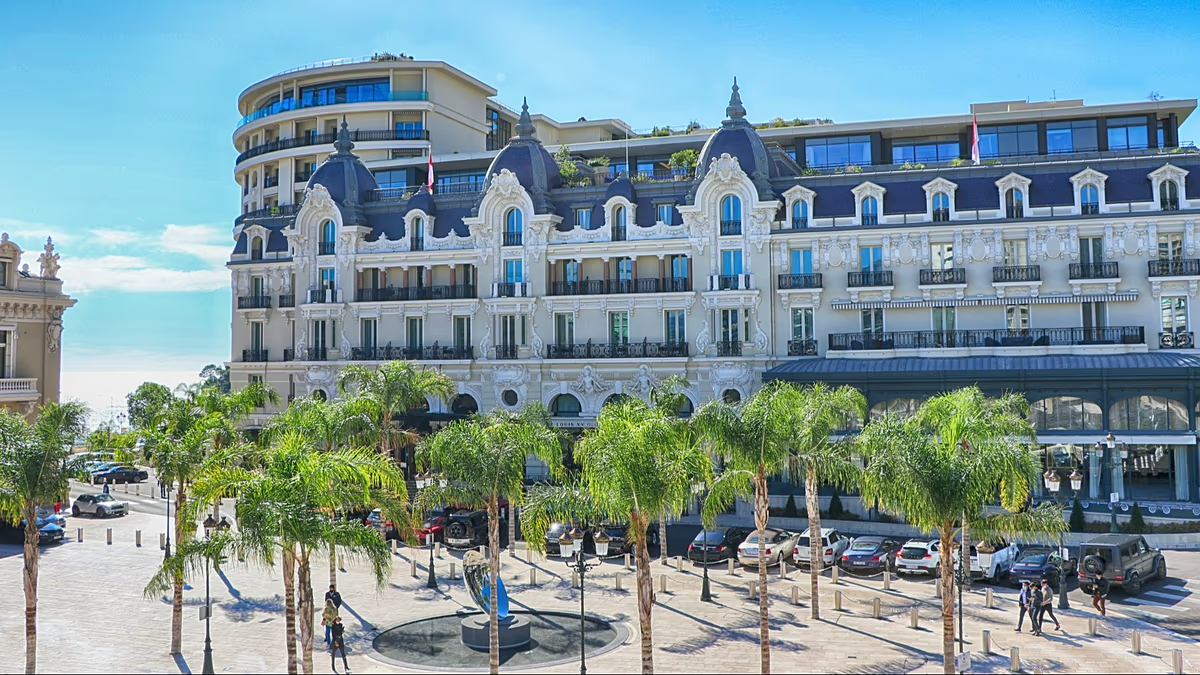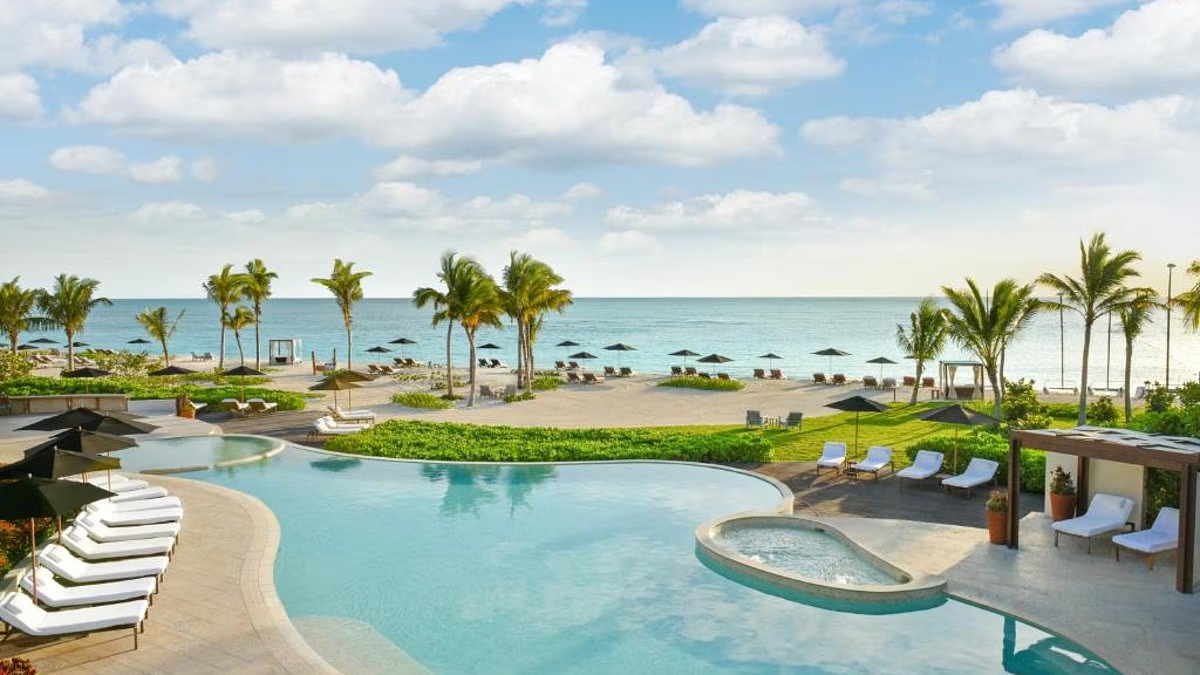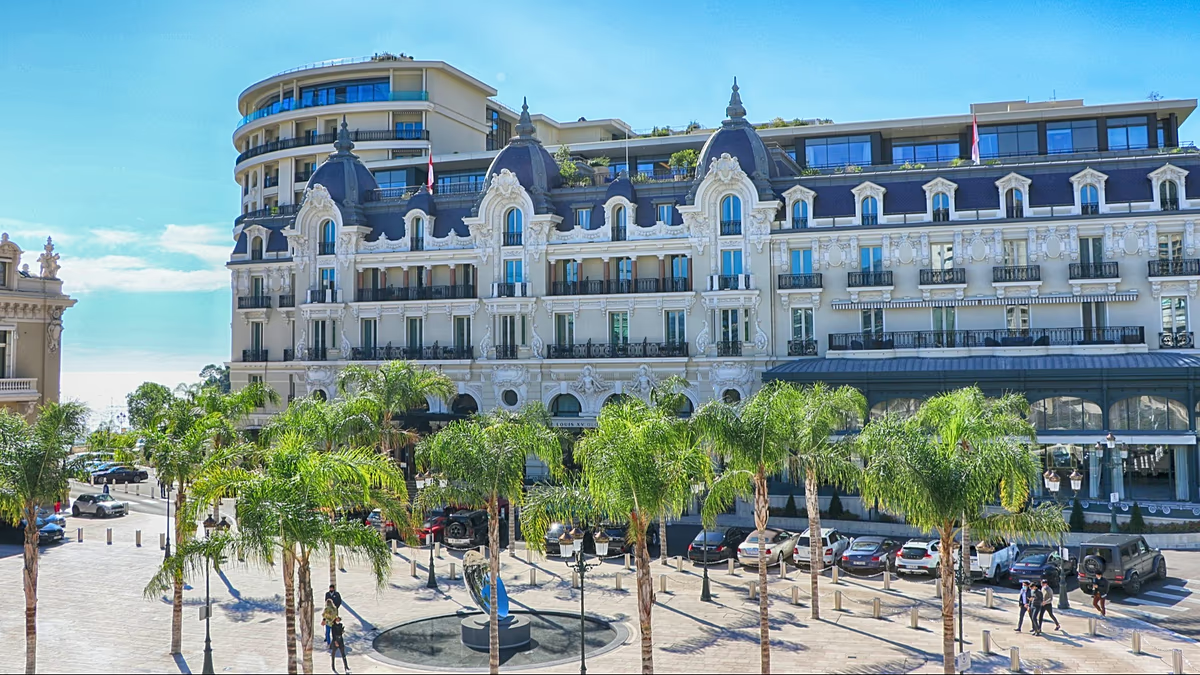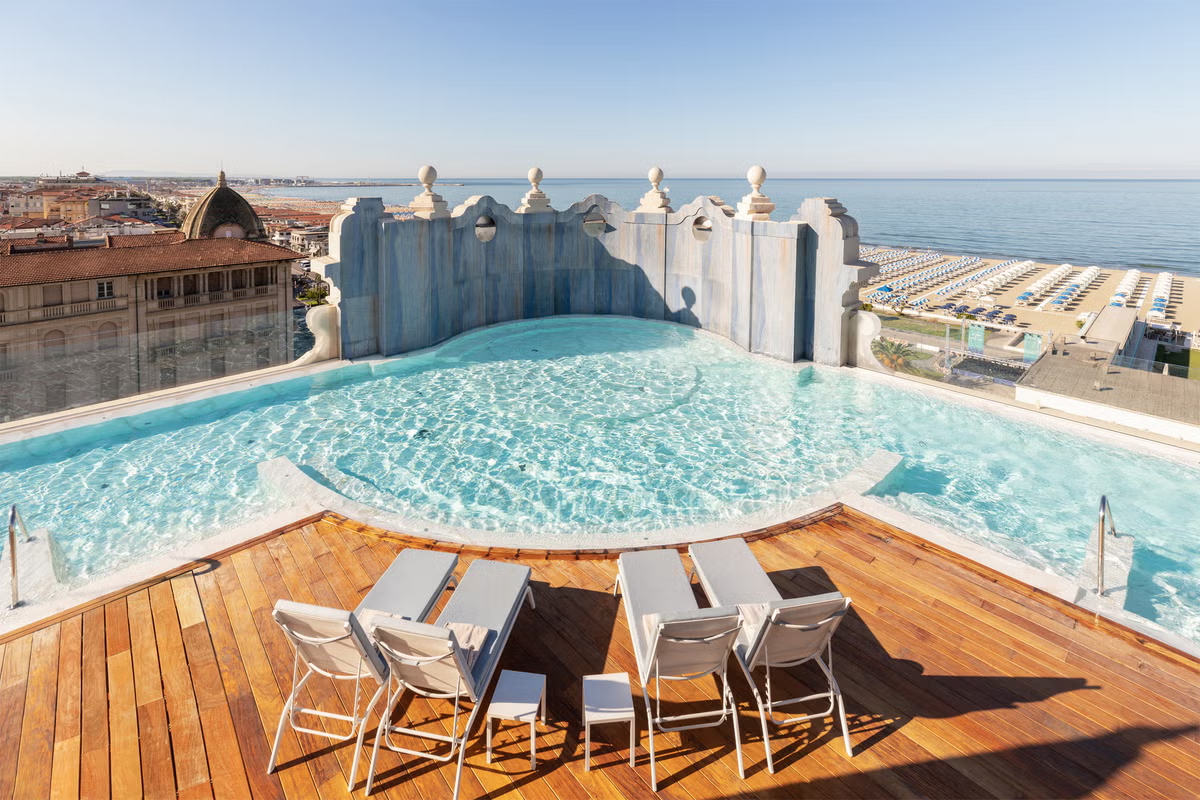
The Independent was not involved in the creation of this sponsored content.There is a certain kind of hotel that could exist anywhere. The lobby could be in Dubai or Denver, the spa menu is the same in six countries, and the view from the pool is expectedly nice. Europe has plenty of those. It also has something rarer: hotels so bound to their location that removing them from it would make no sense at all. A château in Reims with a wine and champagne cellar that reflects the region. A clifftop property in Ibiza's north that opened before the island had roads. A Maltese landmark whose spa was redesigned around a 16th-century wall found mid-excavation. These places didn't choose their settings as a backdrop. The setting came first.What follows are five of them across Malta, Portugal, Italy, Spain, and France. All of them have been somewhere long enough to become part of it. That longevity shows up in the details, in what's on the menu, what's visible from the pool, and what's underneath the spa floor. In a continent full of beautiful places to stay, these are the ones that couldn't be anywhere else.The Phoenicia Malta — The hotel that became part of Valletta(The Phoenicia Malta)Most hotels in Valletta treat the city's history as an additional selling point. The Phoenicia Malta is part of it. Opened in 1947 at the gates of Europe's smallest capital, it spent the following decades hosting state receptions, becoming a fixture of Maltese public life in a way that few hotels anywhere manage. Seven-and-a-half acres of gardens run down to the Bastion Pool, set into the 16th-century fortification walls with views of the city. The spa was built around a section of that same wall, discovered during excavations and simply incorporated into the design, now giving an ancient twist to a modern spa oasis. Contessa, the flagship restaurant, was reimagined in 2023 around Southern Mediterranean seafood, located in a conservatory that makes dining under the blue sky year-round possible. A Michelin Key holder and Leading Hotels of the World member, The Phoenicia is not trading on Valletta's reputation. It helped build it.Six Senses Douro Valley — Where the wine region comes to the table(Six Senses Douro Valley)The Douro Valley has been shaping wine for longer than most regions have been trying. Six Senses sits within that history rather than apart. It’s a restored 19th-century manor on UNESCO-listed terraces, above one of Europe's oldest and most distinctive wine landscapes. The Vale de Abraão restaurant serves guests across three spaces, including an open kitchen with a wood-fired oven, fed in part by the property’s own garden. The harvest season intertwines with the stay, reflects in the kitchen, and brings guided vineyard walks and the valley’s wine tastings to the agenda. What sets Six Senses Douro Valley apart is the range of activities and experiences available. Morning yoga, river trips and spa treatments combine biohacking protocols with traditional therapies. Guests shape their own days, dipping in as deeply or as lightly as they choose.Two Michelin Keys, one of Europe's great wine landscapes, and plenty of reasons why Six Senses should be on your travel list.Grand Hotel Principe di Piemonte — The hotel that makes Viareggio worth the journey(Grand Hotel Principe di Piemonte)Viareggio is not one of Italy's famous stops. That is partly why the Grand Hotel Principe di Piemonte, above and main image, is worth knowing about. Its Belle Époque facade has faced the Tyrrhenian Sea since the 1920s, and the 2021 refurbishment brought the 80 rooms up to date without losing that specific Italian charm that gives it character. Il Piccolo Principe holds two Michelin stars — the only two-star restaurant on the Tuscan coast — and has held them continuously since 2014, which in Italian fine dining is its own kind of statement. On the roof, La Terrazza Bistrot offers a more casual alternative beside a panoramic infinity pool above the water, and the hotel itself holds two Michelin Keys, the guide's recognition that what happens outside the restaurants is equally worth the journey. Viareggio is quiet by Italian standards — and the Grand Hotel Principe di Piemonte has spent a century making that work in its favour.Hacienda Na Xamena — The Ibiza that existed before the clubs(Hacienda Na Xamena)The version of Ibiza most people visit is loud by design. Hacienda Na Xamena is the complete opposite. The island’s first luxury hotel opened in 1971 on the northwest cliffs, 180 metres above the sea, in a corner of the island that has stayed largely untouched since. In doing so, it quietly defined what luxury on this island could look like. The property sits within 150 hectares of preserved land, the organic farm supplies part of what arrives in Eden Restaurant, and the Cascadas Suspendidas spa circuit runs through eight interconnected saltwater lagoons with open sea views and thalassotherapy treatments. The rooms are focused on privacy, with floor-to-ceiling windows, private terraces and surrounding pine forests that filter out the noise. At sunset, the rooftop Los Nidos terrace offers one of the island’s most memorable views. For travellers who think Ibiza may not be their style, Hacienda Na Xamena makes a case for seeing the island through a different lens.Domaine Les Crayères — A château at the centre of Champagne(Anne-Emmanuelle Thion)Reims gets a fraction of the attention it deserves. It is an easy train ride from Paris, at the centre of one of the world's most significant wine regions, and it’s home to Domaine Les Crayères — a 20-room château built in 1904, set in seven hectares of wooded park. The rooms are named after European queens and empresses, dressed accordingly, and open onto the gardens. Le Parc, the château’s signature restaurant, holds two Michelin stars with a reported cellar of over 72,000 bottles, including over 1,000 champagnes from surrounding vineyards. Brasserie Le Jardin handles lunch and casual dinners on the terrace when the occasion doesn't call for two Michelin stars, which at Domaine Les Crayères is still a high bar. Holding three Michelin Keys — the guide's highest hotel distinction — and a Relais & Châteaux membership, Domaine Les Crayères is the address that makes Reims feel like the destination that should be on everyone's bucket list. Europe’s rising standard of luxurySomething is shifting in European hospitality. The properties drawing the most attention in 2026 are not the newest or the largest. They are the ones who have figured out what they specifically have to offer and are committed to it fully. The logic of the generic luxury hotel, interchangeable across continents and climates, is losing ground to something more specific.These five addresses reflect that shift across five different countries and five different versions of what European travel can look like. A historic estate in Champagne, perched on a UNESCO World Heritage Site. A clifftop original in Ibiza. A century-old manor above Portugal's most storied river. A Tuscan Riviera landmark with the coast's only two-star kitchen. A Maltese institution whose foundations survived wars. What connects them is not a price bracket or a star rating but the interconnectivity with its surroundings that cannot be replicated or found somewhere else. That quality is becoming the standard by which Europe's best hotels are now measured. And the gap between those who have it and those who don't is widening fast.For more information, visit The Phoenicia Malta, Six Senses, Grand Hotel Principe di Piemonte, Hacienda Na Xamena and Domaine Les Crayères
5 European hotels that define destination-led luxury
From a château in Reims to a clifftop retreat in Ibiza, these hotels capture the spirit of their surroundings in ways that feel unmistakably rooted in place
1,241 words~6 min read