Between 2017 and 2022, the African Development Bank (AfDB), the Japan International Cooperation Agency (JICA) and the World Bank financed road and railway upgrades along the Nacala Corridor in northern Mozambique.Environmentalists warned that the expansion of transport infrastructure would likely drive forest loss across the corridor.Figures for forest loss show accelerating deforestation in many parts of the corridor since completion of the transport upgrades in 2022.The AfDB said it took steps to mitigate environmental harm, but observers said implementation of measures to balance protection of ecosystems with this type of development in Mozambique is weak.
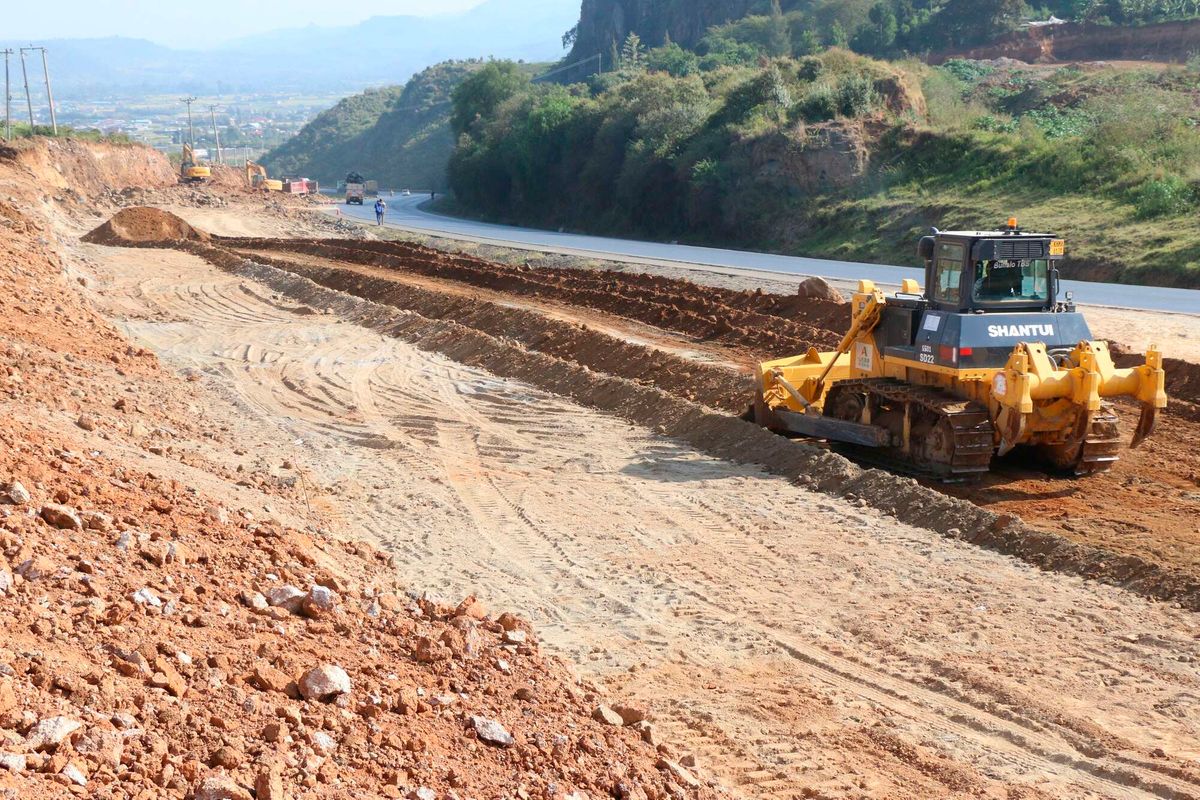
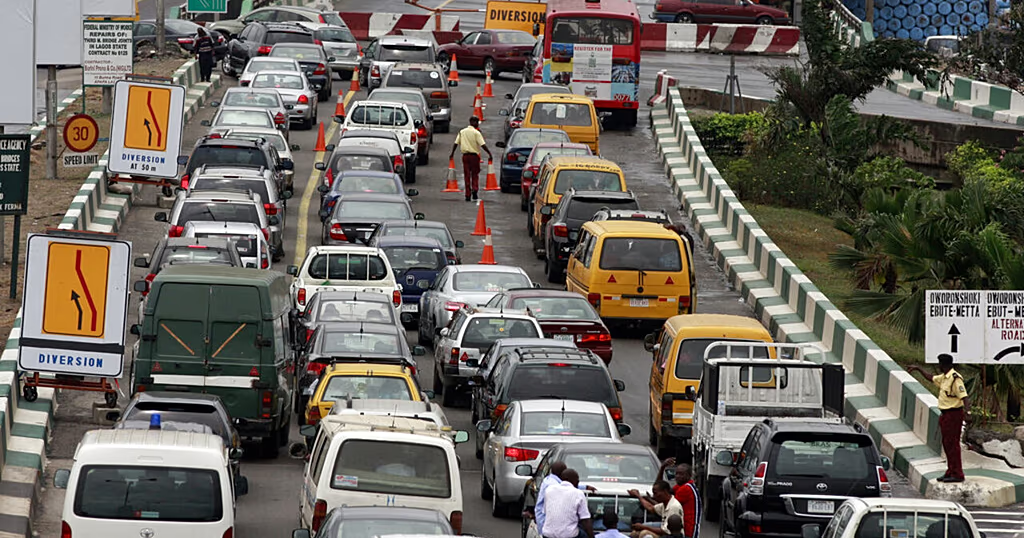
Up until 10 years ago, large sections of the road linking Malawi and Zambia to the Indian Ocean port of Nacala would become nearly impassable during the rainy season, with potholes, damaged bridges and traffic bottlenecks causing long delays along this regional transport artery across northern Mozambique. The Mozambique government has carried out major upgrades to transport infrastructure, but this may have come at the cost of accelerating deforestation across the region.
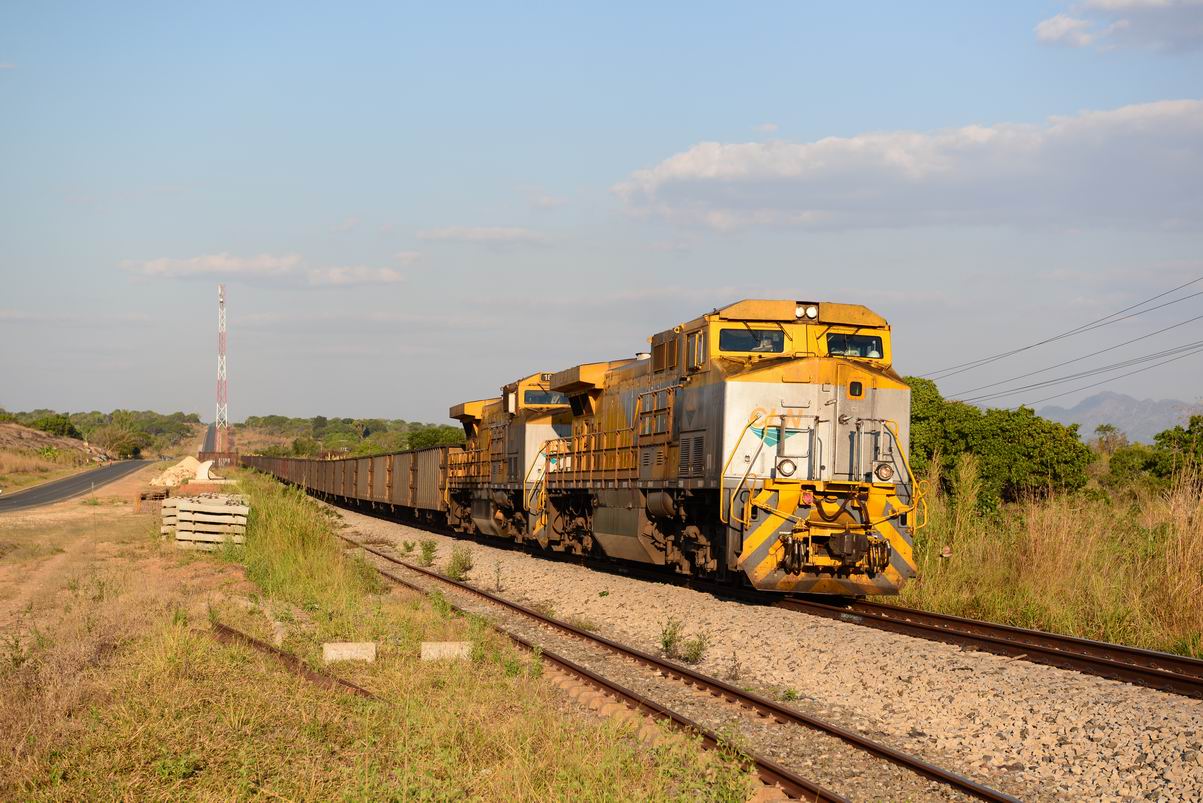
Between 2017 and 2022, the African Development Bank (AfDB), the Japan International Cooperation Agency (JICA) and the World Bank financed major transportation upgrades along the Nacala Corridor, centered on the 912-kilometer (565-mile) rail line linking coal mines in western Mozambique with ports on the Indian Ocean, as well as road upgrades, to lower costs and improve regional trade connections with Malawi and Zambia.