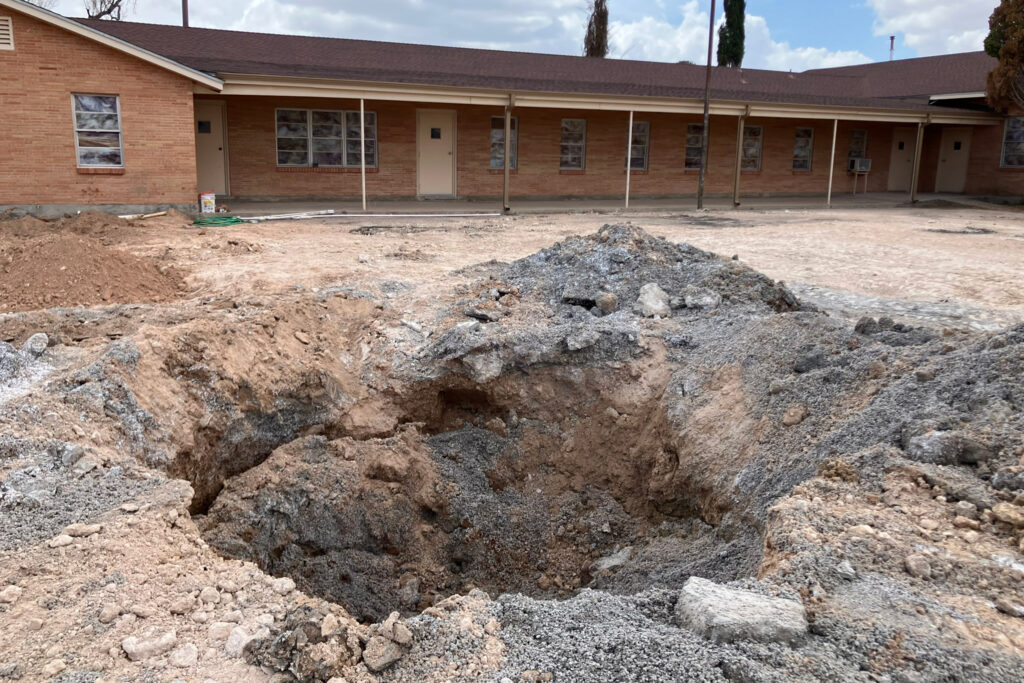
GRANDFALLS, Texas—An old oil well sprang back to life under the parking lot of the First Baptist Church of Grandfalls in April.
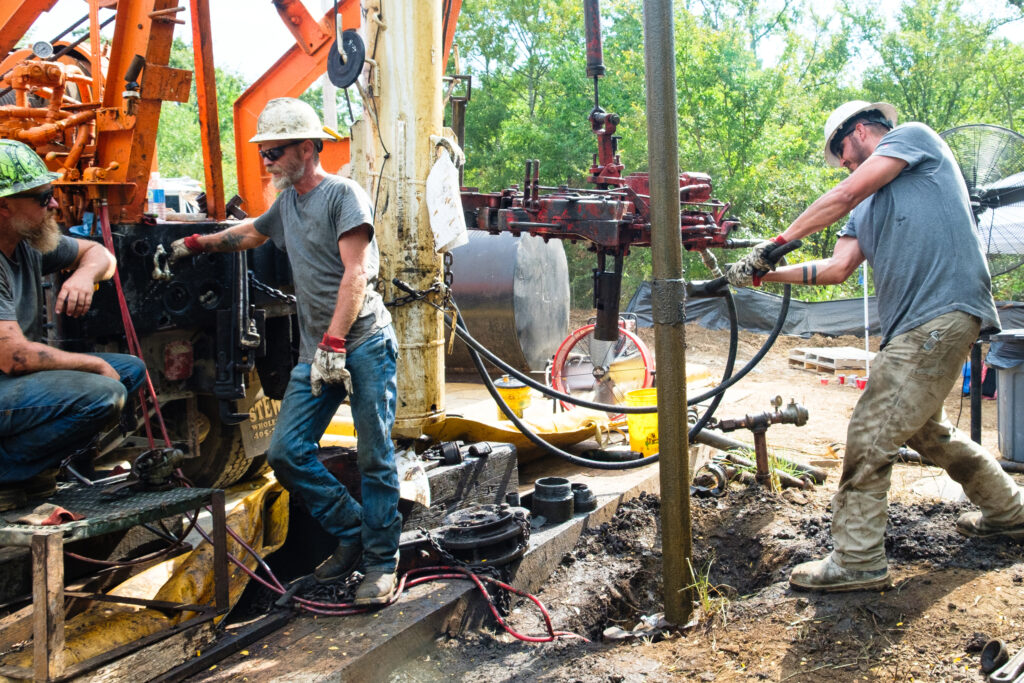
Over the next eight days, more than 1.5 million gallons of toxic wastewater flowed out of the earth, according to state records. The state regulator, the Railroad Commission, spent $1.49 million plugging the leak and another $1.16 million disposing of the wastewater back underground. By early June, crews had stopped the flow and plugged the wellbore.
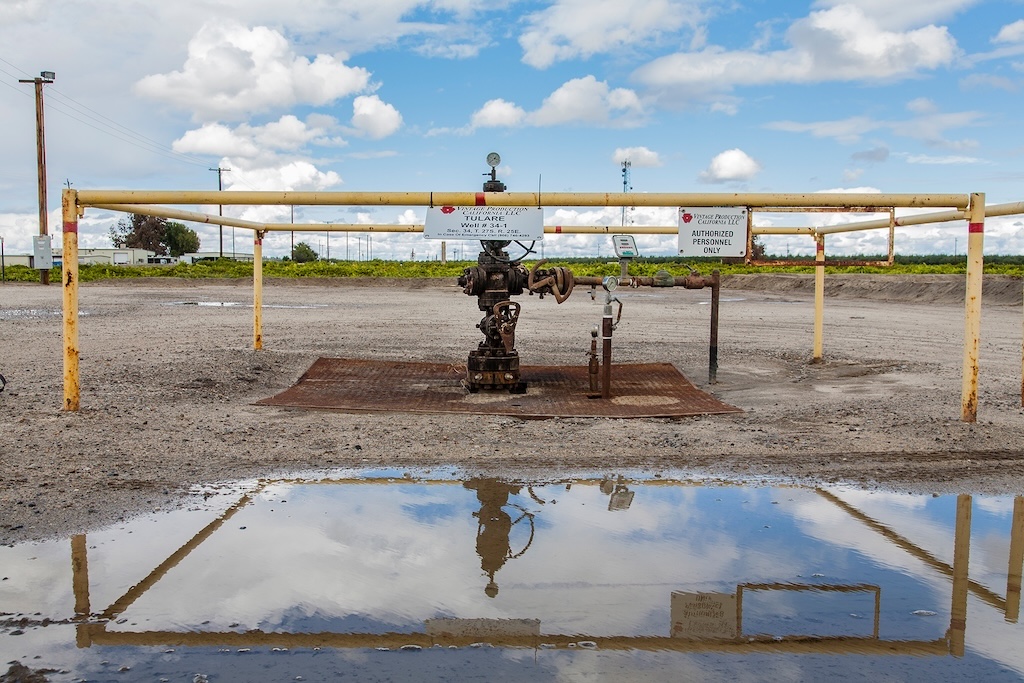
Wastewater, fortunately, did not enter the church. The imminent threat passed. But questions linger for the church’s pastor and Permian Basin residents. Why do old wells in the area keep blowing out? What will happen if the next leak isn’t under a parking lot, but a house or school?
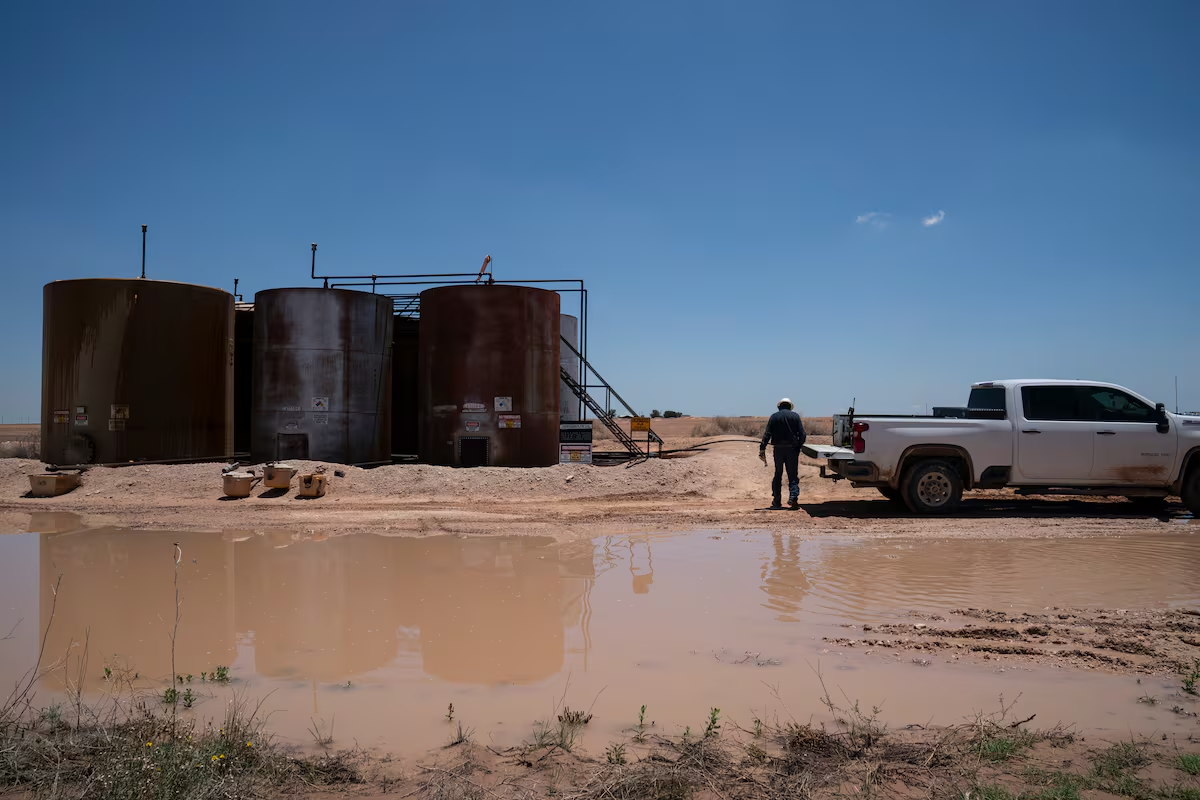
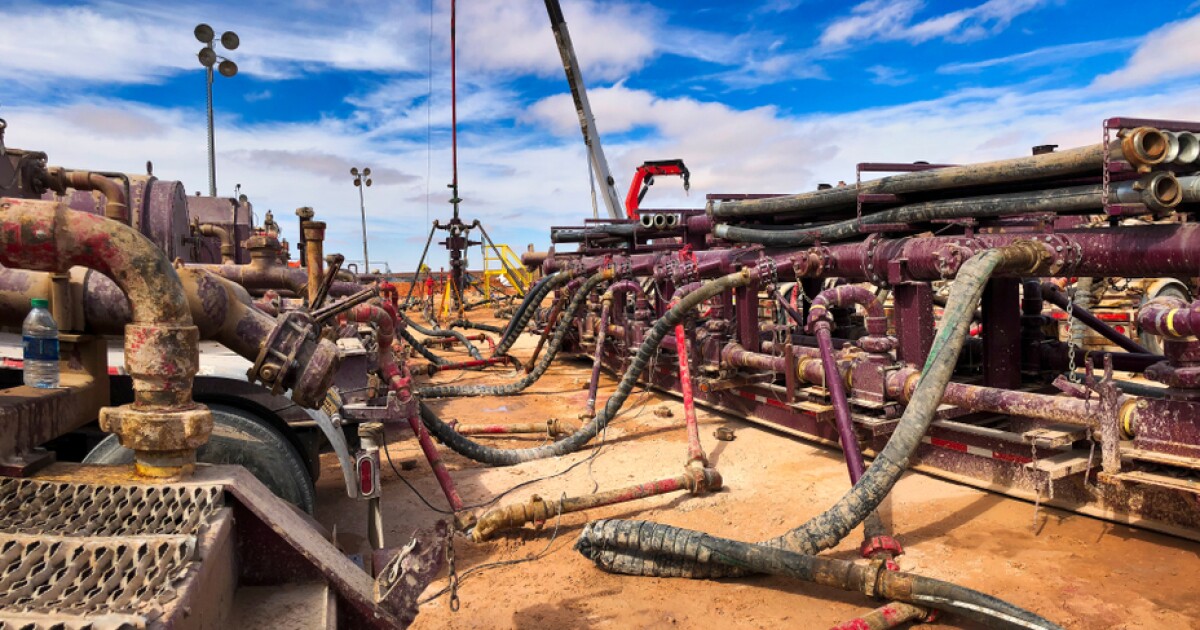
The Permian Basin’s oil and gas wells generate prodigious quantities of wastewater, known as produced water. This salty, toxic liquid is pumped underground into injection wells, increasing underground pressure. This pressure is finding its way to the surface through old wells that burst and spew wastewater aboveground.
The Railroad Commission requested injection wells within a five-mile radius of Grandfalls to stop pumping waste underground while the leak was being plugged. Agency spokesperson Bryce Dubee said that the old well underneath the parking lot is still under investigation.