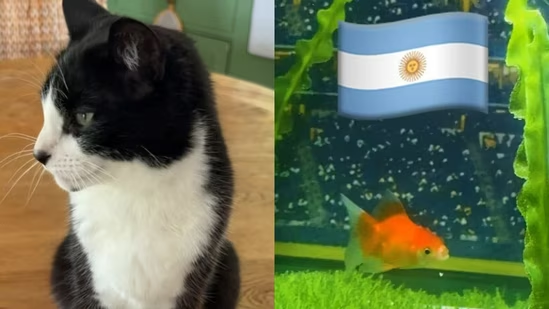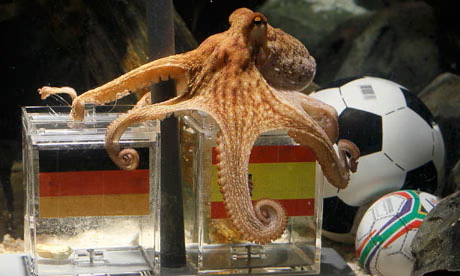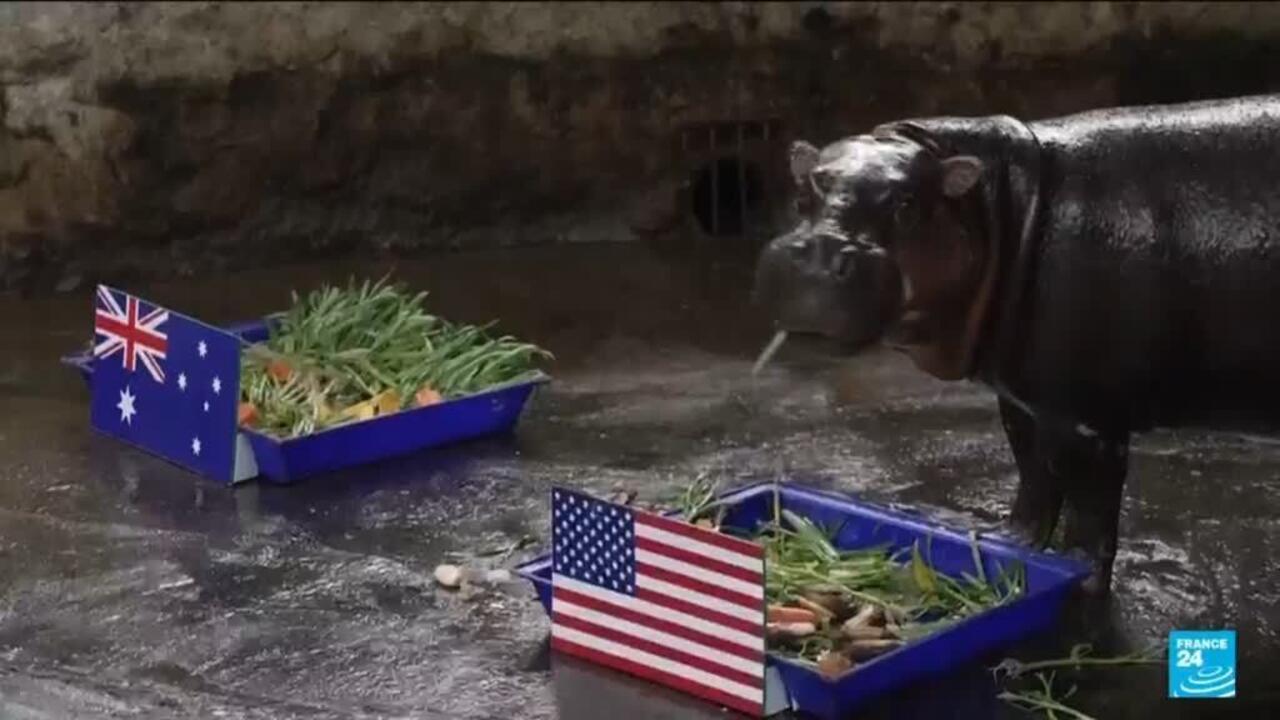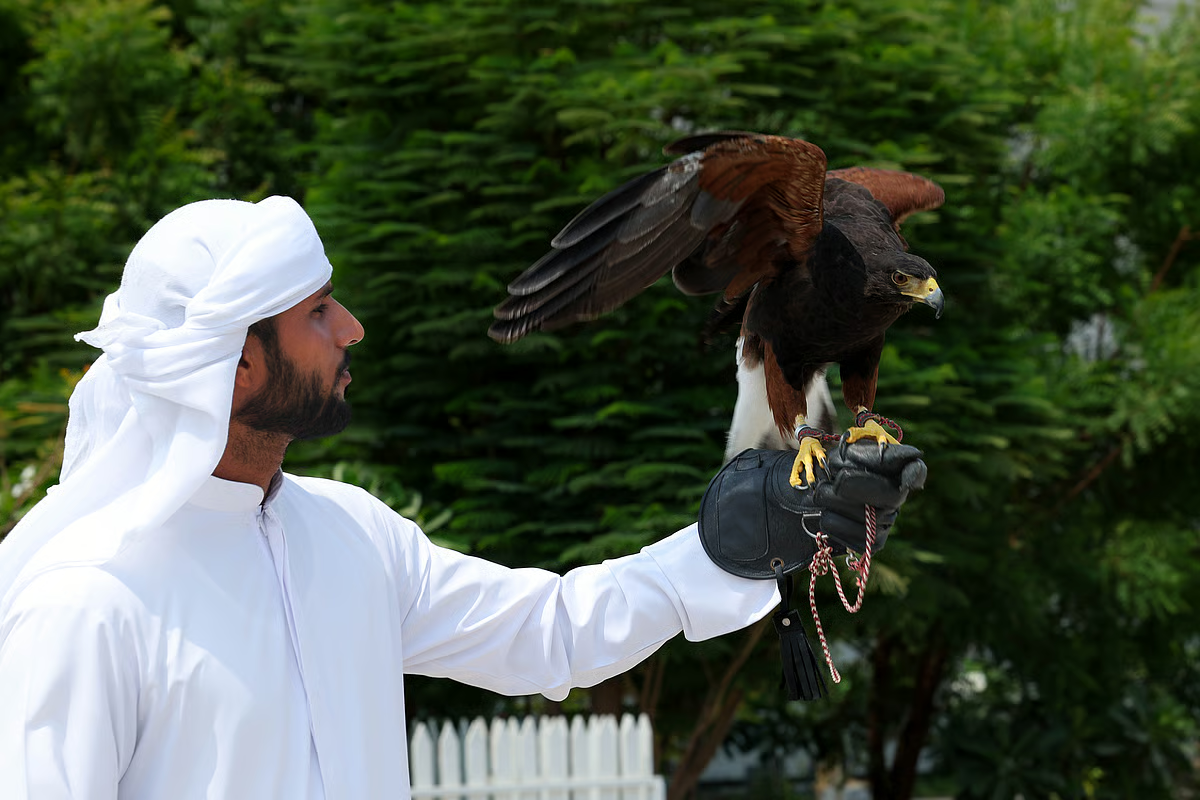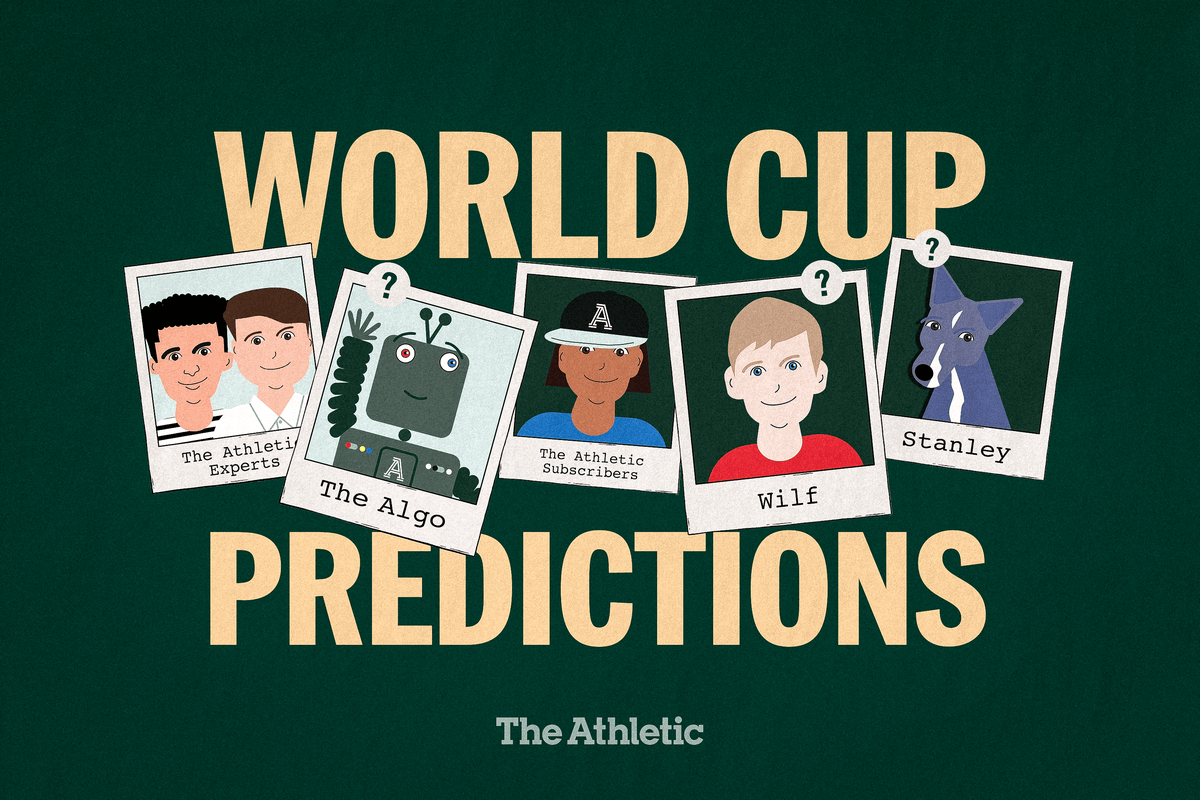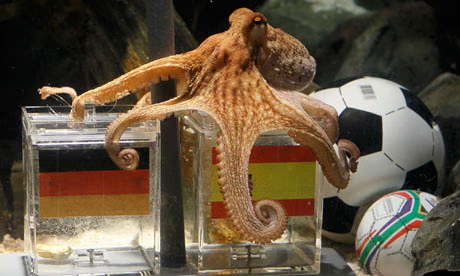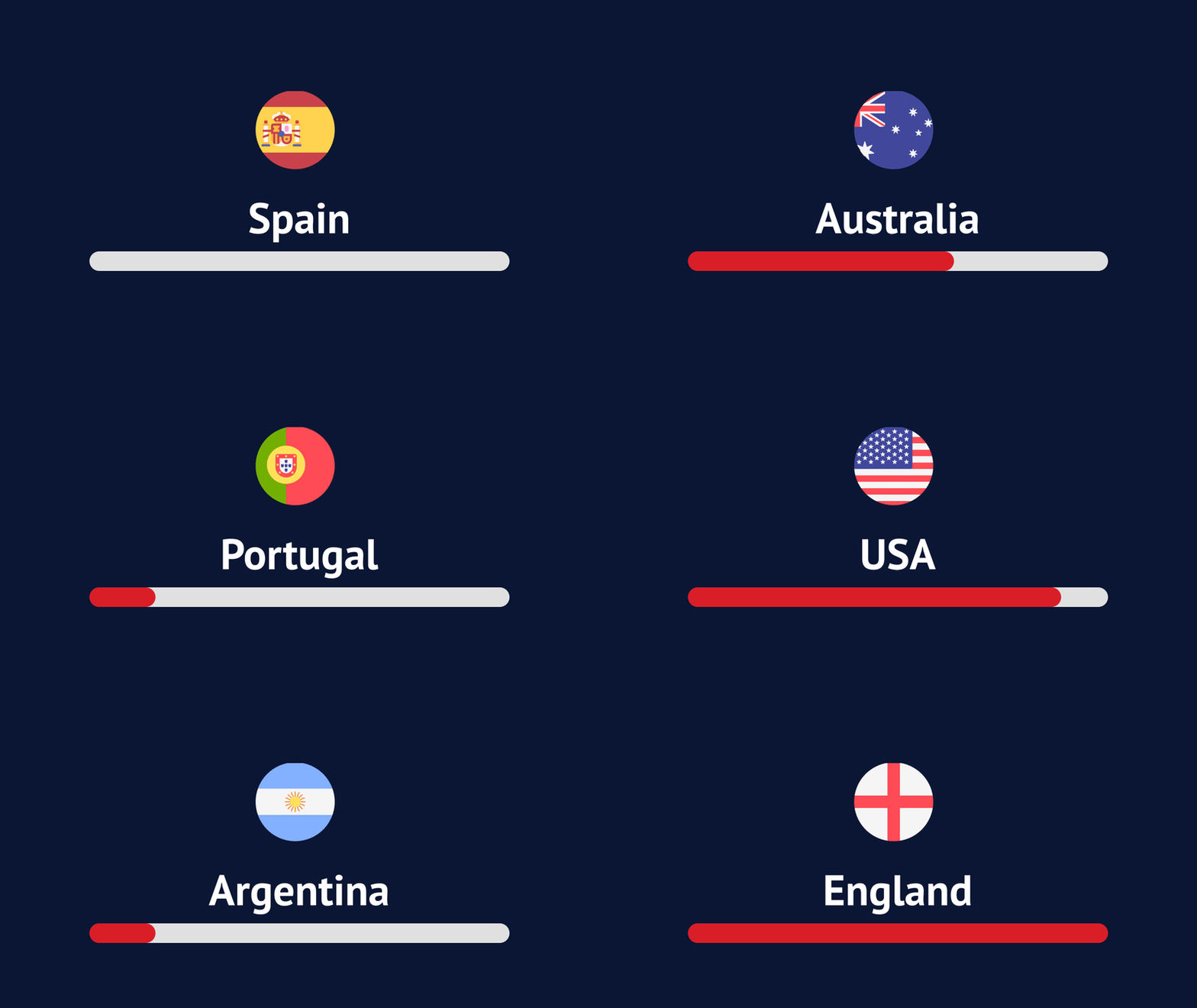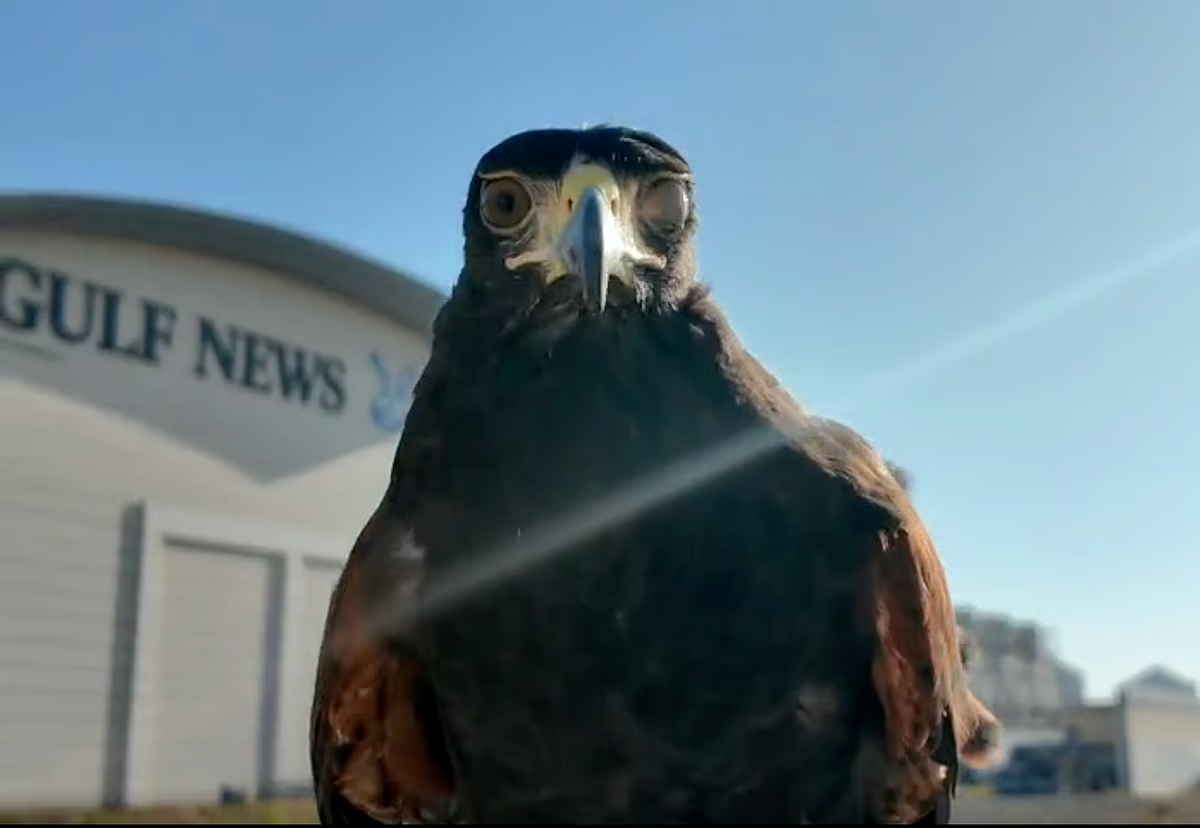
Shawk the Hawk just dropped his 2026 FIFA World Cup predictions – and football pundits are officially toast.Forget crystal balls. Forget AI models. As analysts pore over data and TV experts battle for airtime, a new feathered contender has emerged to do what no spreadsheet can: pick a World Cup winner.The legend continuesPaul the Octopus hit global superstardom by correctly predicting Germany and Spain’s runs with uncanny tentacle accuracy during the 2010 FIFA World Cup hosted by South Africa. While Paul seemed faultless at the World Cup, he is not infallible - at Euro 2008 he incorrectly picked Germany as the victor against Spain.Then 2014 brought us Shaheen the Camel, swaggering through the desert with bold calls. But 2026? We’re entering a whole new era of animal punditry.Shawk the Hawk isn’t just picking winners. He’s soaring above the pitch, scanning the entire tournament with those laser-focused eyes, and delivering verdicts with the dramatic flair of a bird who knows he’s the main character. Fame and footballSeveral animals have become famous for "predicting" World Cup and other football match results. While their success is generally attributed to chance rather than any real predictive ability, some achieved remarkable records and became global celebrities.Here, then, is a quick look at the most famous animal oracles to grace past FIFA World Cups — from octopuses and camels to cats and crocodiles — and how accurate their crystal-ball predictions turned out to be:Paul the OctopusTournament: 2010 FIFA World CupHow it worked:Two transparent boxes containing food were placed in Paul's tank.Each box displayed the flag of a competing team.Whichever box Paul opened first was considered his prediction.Record:Correctly predicted all 7 of Germany's matches.Correctly predicted Spain's victory over the Netherlands in the final.Finished with 8 correct predictions out of 8.Accuracy: 100% (until he messed up at Euro 2008)Paul remains the most successful and famous football-predicting animal in history.Shaheen the CamelTournament: 2014 FIFA World CupRecord:Correctly predicted a number of early knockout matches.Eventually made incorrect picks later in the tournament.Accuracy: MixedNelly the ElephantTournament: 2014 World CupMethod:Kicked a football toward one of two goals marked with national flags.Record:Predicted Germany's victory in the final.Missed several earlier matches.Achilles the CatTournament: 2018 FIFA World CupA deaf white cat living in Saint Petersburg's museum became Russia's answer to Paul.Method:Chose between food bowls bearing team flags.Record:Correctly predicted several high-profile matches, including Russia's opening win.Accuracy declined later in the tournament.Accuracy: Roughly 60–70%.Cabeção, or Big Head, a resident of Praia Do Forte in Brazil, predicted match outcomes of the 2014 World Cup. Method: The first of his predictions was Brazil’s win over Croatia, which was the opening match for the turtle’s home country. Cabeção would make his predictions by selecting which fish to eat under the participating country’s flags. Record: Cabeção's prediction record for the 2014 tournament was mixed: Correct Prediction: Correctly predicted Brazil's opening match win against Croatia.Incorrect Prediction: Incorrectly predicted a win for Mexico in their match against Brazil (the game ultimately ended in a 0-0 draw). Harry the CrocodileTournament: 2010 World CupMethod:Chose between food items associated with competing teams.Record:Correctly predicted several Australian matches.Later produced incorrect predictions.Fiona the HippoTournament: 2018 World CupThe famous Cincinnati Zoo hippo made predictions for selected matches.Record:Some correct, some incorrect.Mostly a publicity attraction.How good were they really?Statistically, most animal predictors performed only slightly better than chance.For example:A 50-50 prediction has a 50% chance of being correct.Getting 8 consecutive predictions right (Paul's feat) has odds of roughly 1 in 256.Unusual, but not impossible.Scientists generally regard these successes as:Random chance,Selective reporting of successful predictions,Human tendency to notice patterns.Ranking the Most SuccessfulNo animal predictor has ever matched the performance of Paul the Octopus, whose perfect 8-for-8 run during the 2010 World Cup turned him into a global phenomenon. Every subsequent animal predictor has been measured against Paul's extraordinary record — and none has come close.
Forget the experts: The wild rise of the World Cup’s animal oracles — from Paul the Octopus, to Shaheen the Camel, and Shawk the Hawk
From chance to stardom: the curious rise of World Cup animal fortune-tellers
631 words~3 min read