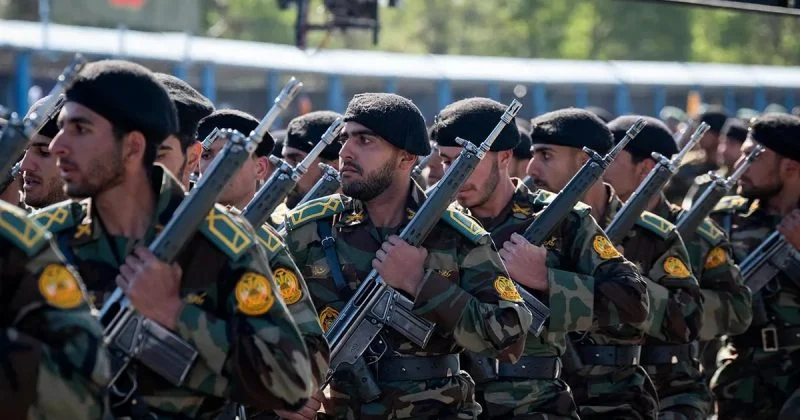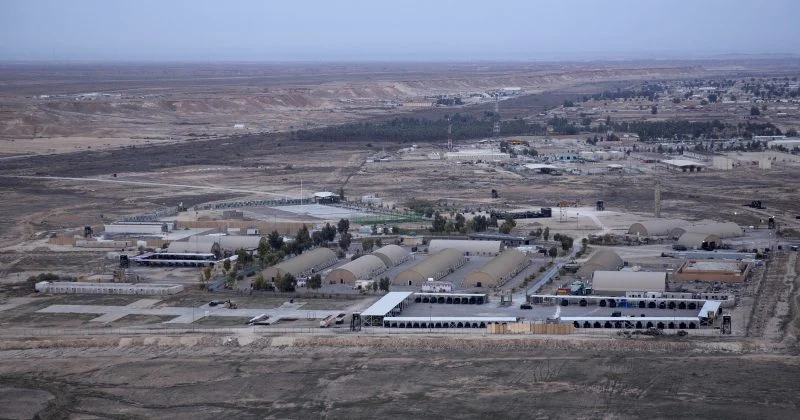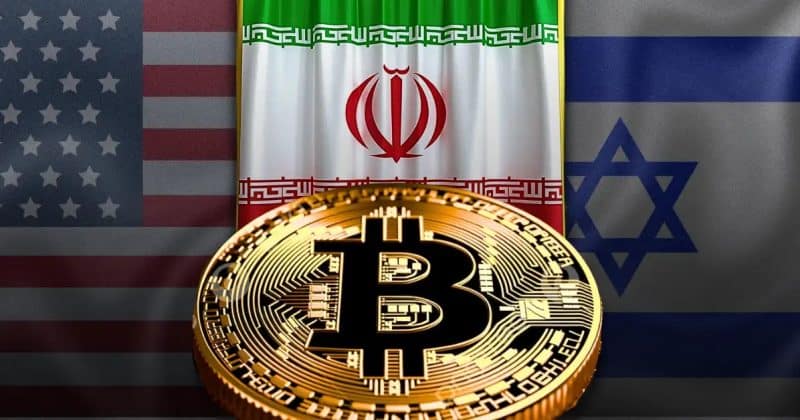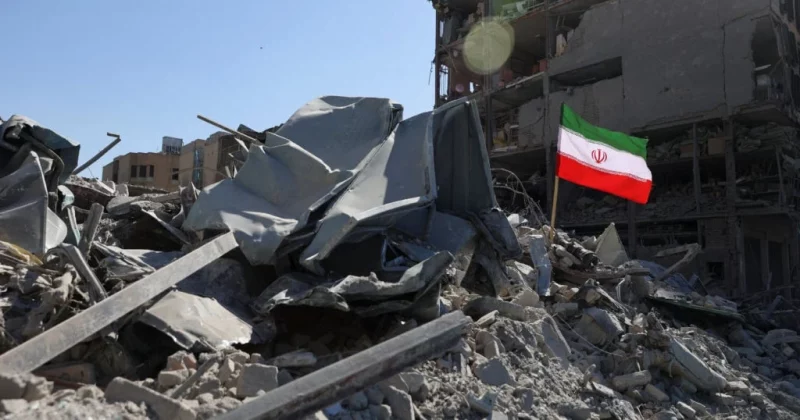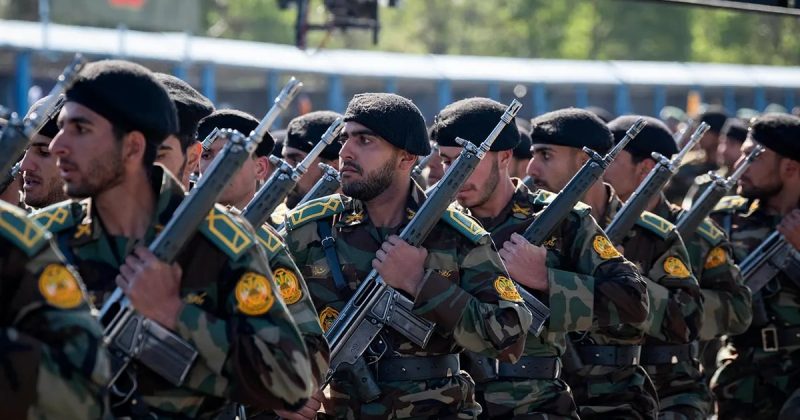
The US military launched strikes against multiple targets inside Iran on June 10, marking the second straight day of direct military action against the country. Bitcoin responded the way it usually does when missiles start flying: it sold off, dropping roughly 2% to trade in the $61,000 to $62,000 range as investors scrambled for the exits on risk assets.
The strikes were carried out by US Central Command using Tomahawk cruise missiles fired from the USS Michael Murphy. Targets included military surveillance and communication systems, part of what the Pentagon described as self-defense operations amid a deteriorating ceasefire in the broader regional conflict.
What happened and why it matters
This isn’t a bolt from the blue. The current round of hostilities traces back to February 2026, when coordinated US-Israeli operations began targeting Iranian military and government sites. What followed was a fragile ceasefire that, by all accounts, has now collapsed.
William Roebuck, the former US ambassador now serving as Executive Vice President at the Arab Gulf States Institute, has been providing commentary on the situation. His assessment centers on the precarious position of Gulf states caught between the warring parties, and the very real possibility that the conflict widens further.