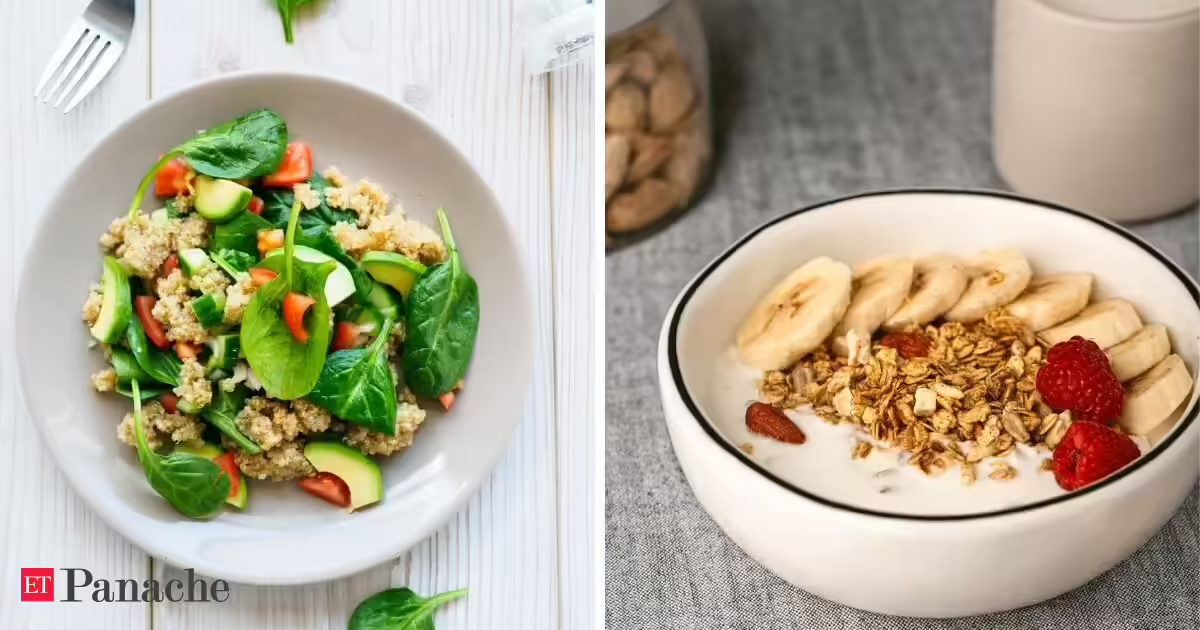
Most of us assume bloating is the price we pay for an indulgent takeaway, too many fizzy drinks or going back for seconds. But according to nutritionists, that’s not necessarily the case. In fact, lots of the foods most responsible for causing bloating are the very same ones marketed to us as virtuous.We asked Oliver Goble, a nutritionist at Supply Life, about the popular ‘slimming’ foods most likely to cause sore and swollen tummies. From protein-packed snacks to fibre-rich breakfasts, here are the surprising eats that can mean your jeans are much too snug by lunchtime.Protein barsProtein bars are much hyped by healthy, gym going types. Whether you're trying to drop a dress size by ditching chocolate, build muscle or hit your daily protein target, they're sold as the ‘healthier’ alternative to a mid-afternoon snack.But according to Goble, they’re tougher on your insides than you'd think. 'Protein bars are often seen as a healthy choice, but some contain ingredients such sugar alcohols, artificial sweeteners or highly processed protein sources that can ferment in the gut. That can lead to significant bloating in some people.’The key triggering ingredients to look out for? Pea protein and chicory root powder, both of which are potent sources of fermentable carbohydrates (FODMAPs). When these reach your gut, the bacteria inside rapidly break them down and ferment them, which produces excess gas, abdominal distension, and discomfort.Flavoured Greek yoghurtGreek yoghurt is championed by pretty much every weight-loss influencer going. High in protein, low in calories and forever popping up in 'what I eat in a day' videos, it’s solidified a reputation as a healthy, slimming reputation.But if you're reaching for the flavoured, high-protein tubs, Goble says the yoghurt itself may not be the problem. 'Many people switch to flavoured high-protein yoghurts when trying to lose weight, but some contain artificial sweeteners that can trigger bloating or digestive discomfort in sensitive people,' he says. 'It doesn't happen to everyone, but it can be a factor worth considering if symptoms appear regularly.'It's a sneaky one, because plenty of people shovel it down every single morning. So if you're reliably bloated by 11am, it might be worth turning the pot over and reading the label.Sugar-free sweets and gumOn paper, sugar-free sweets are a dieter's dream: all the sweetness, none of the guilt. Your gut, sadly, didn't get the memo.'Sugar-free products often contain sugar alcohols such as sorbitol, xylitol or maltitol,' Goble explains. 'These ingredients are notorious for causing bloating, wind and digestive discomfort when consumed in larger amounts.'Some sugar-free sweets are so infamous for their, ahem, gastric side effects that whole corners of TikTok have been dedicated to their effects on your stomach. So if you're forever chewing gum or rattling through a packet of sugar-free mints, they may be doing more damage than you realise.ApplesAn apple a day may keep the doctor away – but it might well cause you to be bloated too. While they’re undeniably good for you, Goble warns they're one of those foods that catch sensitive stomachs off guard.'Apples are nutritious and contain plenty of fibre,’ he explains, ‘but they also contain natural sugars and fermentable carbohydrates that some people struggle to tolerate. For those with sensitive digestion, they can occasionally contribute to bloating.'Chickpeas and hummusOnce contained to the salad bar, chickpeas now turn up in everything from pasta and crisps to brownies and protein snacks.But for all their fibre and plant protein, they're also not the easiest for your tummy to digest. 'Chickpeas are a fantastic source of fibre and plant protein, but they're also one of the foods most commonly associated with bloating,' Goble says. 'People who suddenly increase their intake of legumes often notice digestive symptoms until their gut adapts.'It's especially common among the newly health-conscious, who go from barely touching a legume to hummus with lunch, roasted chickpeas for a snack and lentils for dinner – all in the same day.Low-calorie snack barsFew foods have as much as a ‘health halo’ as low-calorie snack bars, and many of us mindlessly pick one up thinking it’s a weight-loss friendly meal deal option. But Goble says the very ingredients designed to keep you fuller for longer can leave you uncomfortable.'Many snack bars marketed as healthy or slimming contain added fibres designed to increase fullness,' he explains. 'While that can be beneficial, some of these fibres are highly fermentable and can lead to bloating, particularly when consumed regularly.'Large salads and raw vegetablesNothing feels more virtuous than eating a massive salad in front of your colleagues. Yet Goble says a mountain of raw veg can overwhelm the digestive system, especially in serious quantities.Raw onions, broccoli and great heaps of leafy greens are bursting with nutrients – but they're also surprisingly hard work for some people to break down. Which is why you can feel far more bloated after a giant salad than after a cooked meal. It sounds completely back to front, but for a sensitive stomach, that pile of raw veg isn't quite the digestive angel it's cracked up to be.Is bloating always bad? The good news? Goble is clear that a bit of bloating doesn't mean a food belongs in the bin.'The important thing to remember is that bloating doesn't mean a food is unhealthy,' he says. 'In many cases these foods are extremely nutritious. The key is understanding that healthy foods can still trigger digestive symptoms in some individuals, particularly if they're eaten in large amounts or if someone has a sensitive gut.'So the answer isn't to ditch the healthy stuff altogether – instead, notice which foods your own body would rather you ate a little less of.
The 7 'healthy' foods secretly leaving you bloated
Most of us assume bloating is the price we pay for an indulgent takeaway, too many fizzy drinks or going back for seconds.
936 words~4 min read