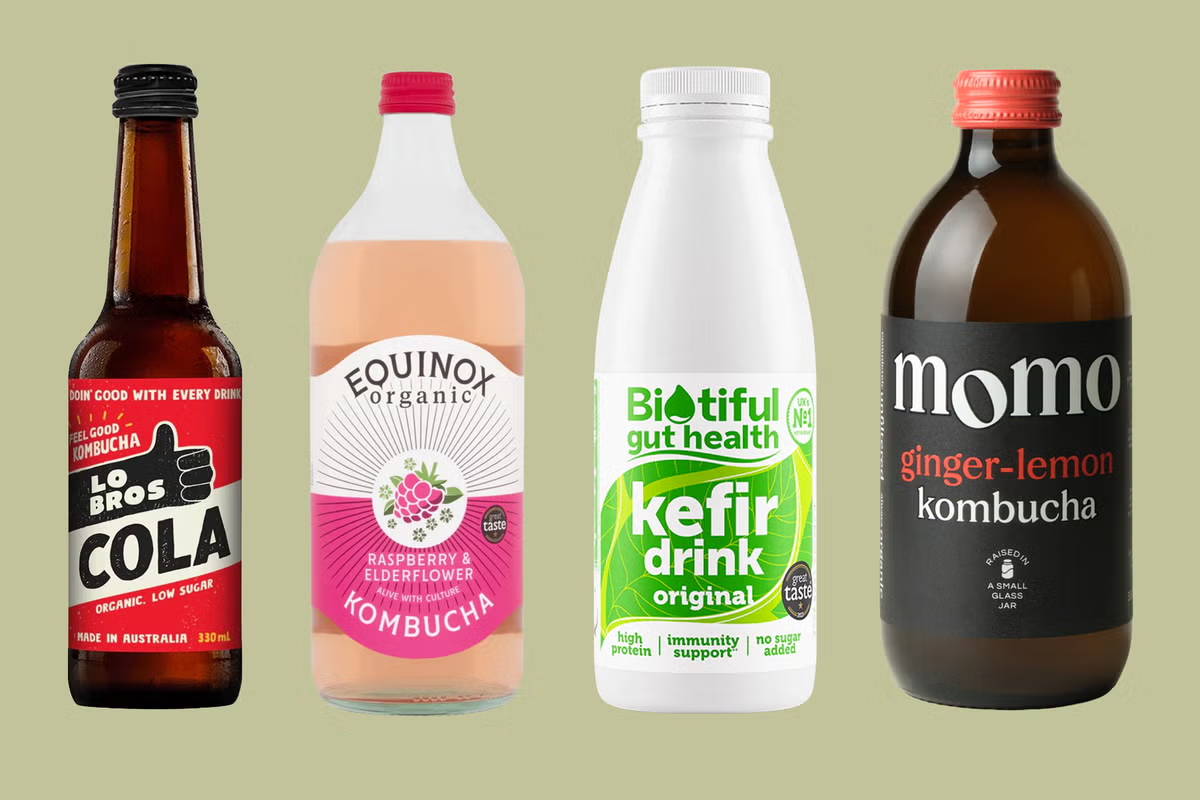
From protein bars, flavoured yogurts to superfood smoothies, experts say ‘healthy’ foods may not suit every gut as microbiomes react differently to diets. From protein bars and flavoured yogurts to superfood smoothies loaded with seeds and supplements, wellness culture has transformed the way people think about healthy eating. But when it comes to gut health, more isn't always better. In an interview with HT Lifestyle, Dr Debojyoti Dhar, Co-Founder and Director of Leucine Rich Bio Pvt Ltd (BugSpeaks), a pioneer microbiome enterprise in South Asia, explains why even foods marketed as healthy can sometimes disrupt gut health. (Also read:Not all healthy foods are gut-friendly for everyone, explains expert on why digestion reacts differently. (Unsplash)Why isn’t every healthy food healthy for every gutAccording to Dr Dhar, the gut responds differently to foods depending on an individual’s microbiome. “Healthy eating should feel straightforward. Somehow, it has become the most contested topic in wellness, and the gut is paying the price. The gut is not a passive system. It reads every meal as a signal. That signal either supports the trillions of microbes regulating immunity, metabolism, and inflammation, or it quietly works against them.”He adds that the biggest misconception today is assuming that a food marketed as healthy will benefit everyone equally. “The problem today is not ignorance of nutrition. It is the assumption that what is marketed as healthy is automatically healthy for everyone.”Doctor reveals why foods marketed as healthy aren't always good for your gut (Shutterstock)Can ‘healthy’ packaged foods harm gut healthDr Dhar points out that many products carrying a health halo may contain ingredients that some digestive systems struggle to process. “Protein bars. Sugar-free snacks. Flavoured yogurts. These sit in shopping carts under a health halo. Many contain emulsifiers, gums, sugar alcohols, and preservatives that some guts simply do not tolerate well. Not because the person is unhealthy, but because their specific microbial ecosystem responds differently to those ingredients.”He explains that the effects can often appear as persistent digestive discomfort. “The disruption often shows up as bloating, irregular digestion, or low-grade inflammation that never quite resolves.”Are even natural foods always gut-friendlyAccording to Dr Dhar, even foods widely considered nutritious may not suit everyone. “Even foods nobody questions deserve scrutiny. Raw cruciferous vegetables, consumed in excess, can stress digestion in individuals who lack the microbial capacity to break them down efficiently. A smoothie loaded with chia seeds, protein powder, adaptogens, and frozen fruit is not automatically easier on the gut. For some, it is the opposite.”He believes the focus should shift from whether a food is healthy in general to whether it is healthy for a particular individual. “This is where the real conversation needs to happen. Not whether a food is healthy in theory, but whether it is healthy for that particular gut. Two people can eat the same meal and walk away with completely different outcomes. That difference lives in the microbiome.”What does the gut actually needDr Dhar emphasises that more is not always better when it comes to wellness trends and nutrition. “Nutritional overload dressed as wellness is still overload. The gut thrives on diversity, consistency, and balance. Not the latest trend stacked on top of yesterday’s trend. Understanding what the body struggles to process is sometimes the most intelligent health decision a person can make.”Note to readers: This article is for informational purposes only and not a substitute for professional medical advice. Always seek the advice of your doctor with any questions about a medical condition.Akanksha Agnihotri is a lifestyle journalist with over 3 years of experience. She is a psychology graduate and holds a postgraduate diploma in Radio and Television Journalism from the Indian Institute of Mass Communication, Delhi, where she graduated as a gold medalist. Originally from Bhopal, the beautiful capital of Madhya Pradesh, she draws inspiration from the city’s rich cultural heritage and layered storytelling traditions that subtly shape her narrative voice.
Is your ‘healthy’ food actually harming your gut? Doctor explains why wellness foods may cause bloating and discomfort
From protein bars, flavoured yogurts to superfood smoothies, experts say ‘healthy’ foods may not suit every gut as microbiomes react differently to diets. | Health
872 words~4 min read