(Image credit: Laurence Griffiths/Getty Images)
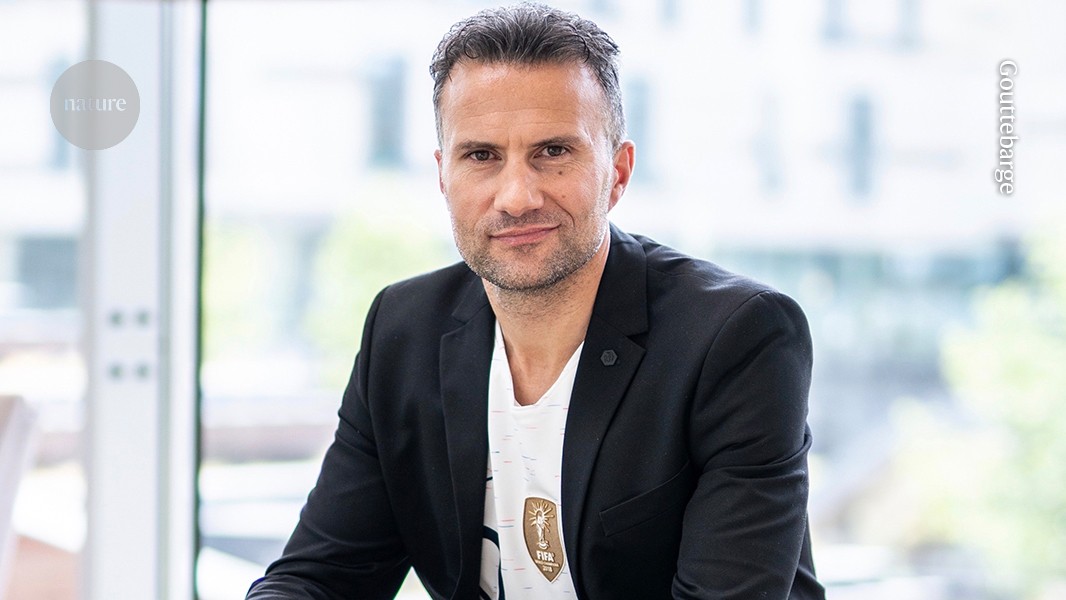
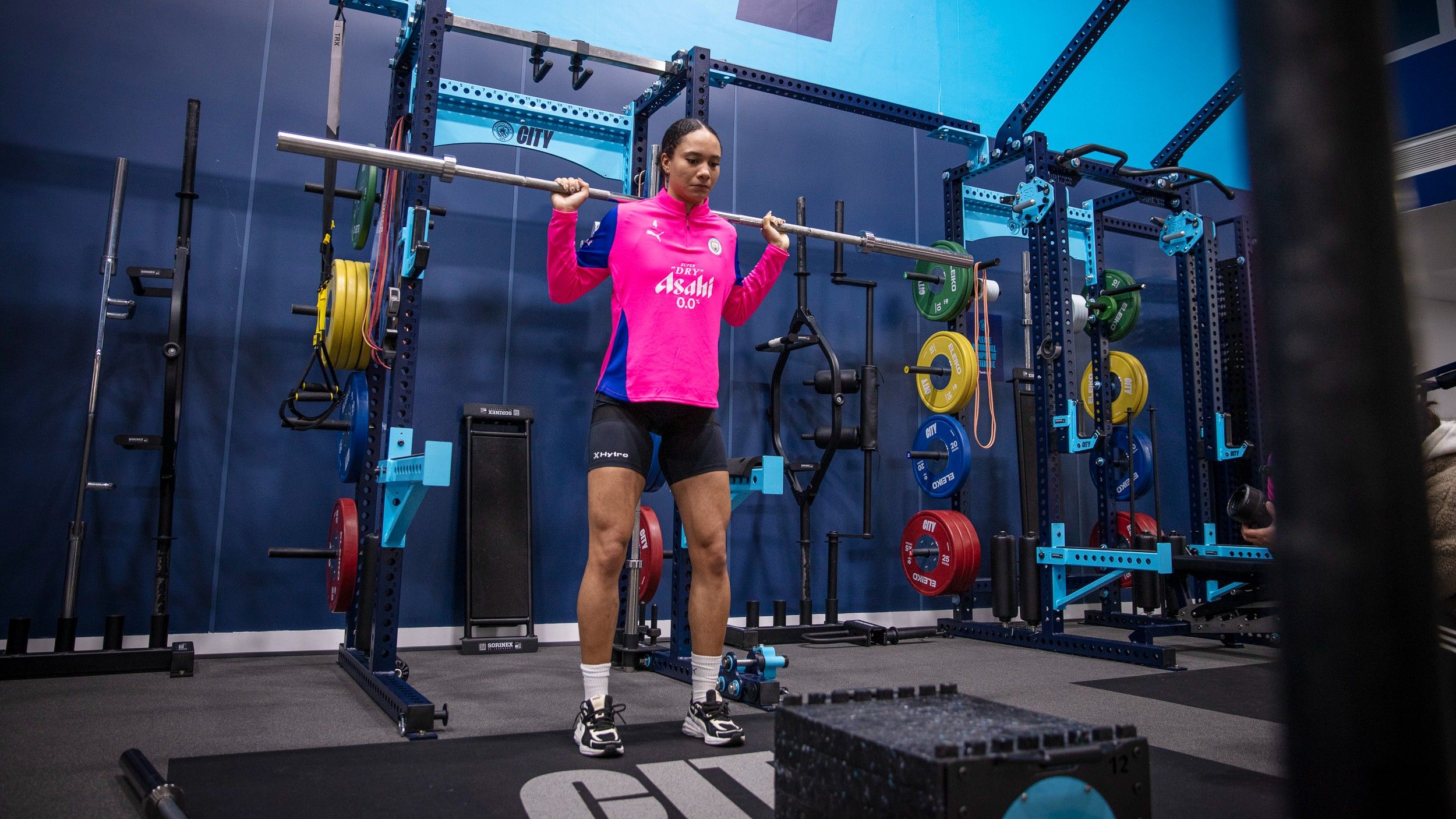
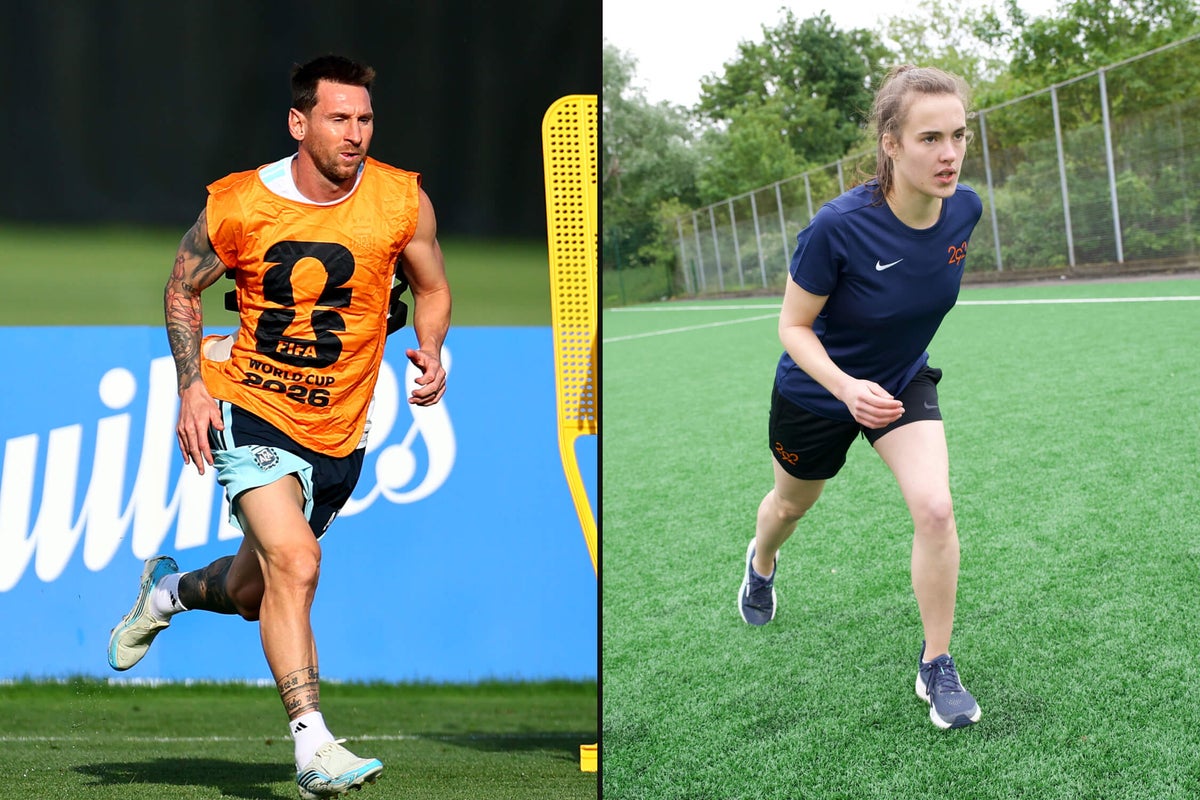
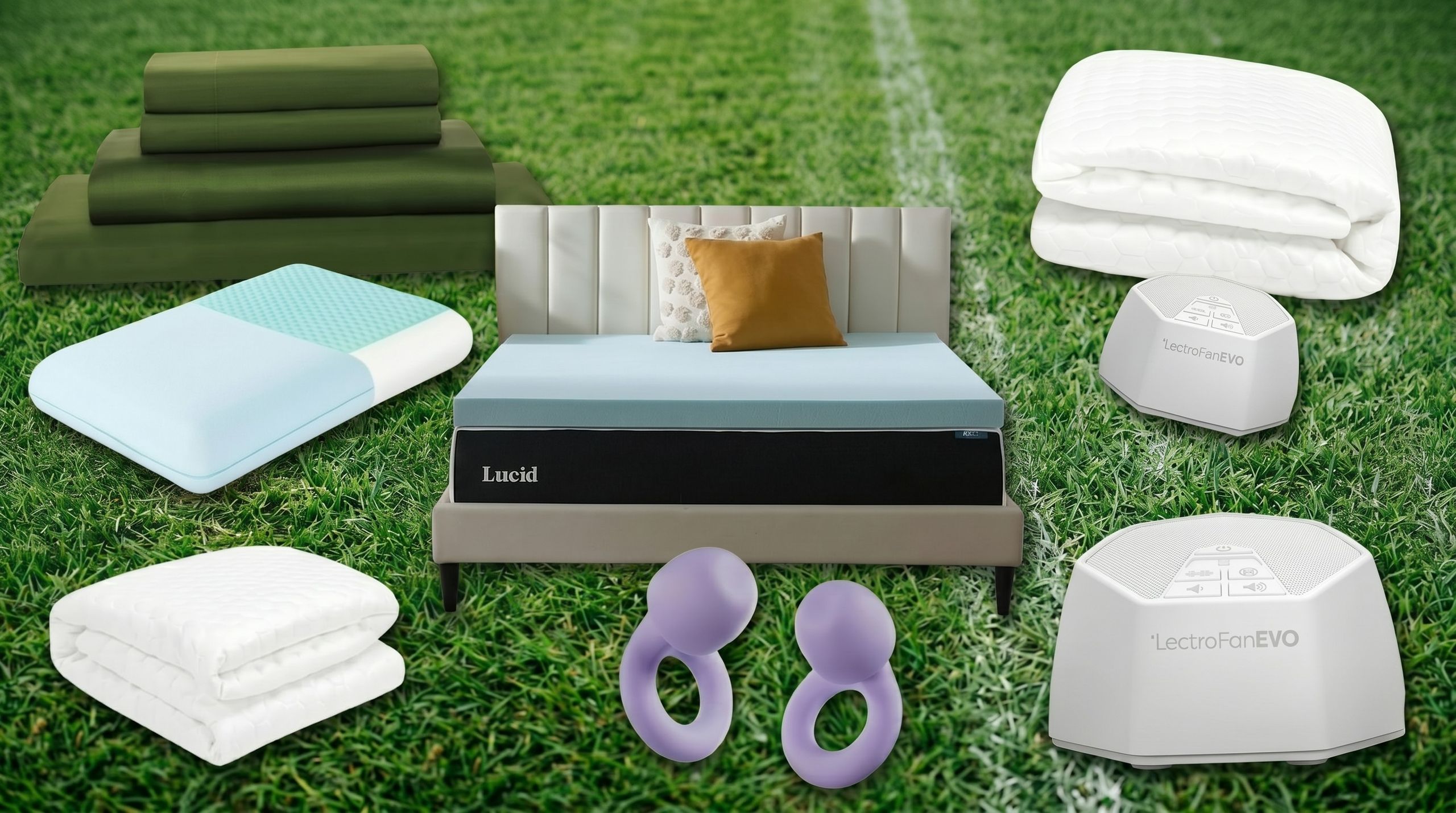
Ahead of the World Cup 2026, I, along with many others, have noticed just how grueling the competition schedule looks, especially in searing temperatures and with relentless training sessions. It got me thinking about how elite soccer players and teams all over the world approach their recovery routines.And who better to turn to than Geoff Scott, a senior physiotherapist and Premier League performance expert who not only has 25 years of Premier League experience under his belt, but is also the founder of Hauora Performance and a director of performance at Nottingham Forest FC.As a personal trainer, I'm fascinated by the level of fitness the players achieve to stay fit, powerful, strong and injury-resistant despite demanding schedules. "To stay ahead, we look beyond standard GPS vests and integrate recovery tech into the players' daily routines, managing their physiology around the clock," Scott says.Below, Scott reveals how the best recovery technology is integrated into players' routines, the benefits, and how you can recover just like them with some tips we think you need to know about. Read on for more."How do you incorporate gym-based training, and what type of equipment and exercises are crucial?""In the Premier League, gym-based training focuses heavily on building high-velocity athletes capable of handling intense physical demands," explains Scott. "We look at gym work through two lenses: explosive performance and injury prevention.""In the gym, we place significant focus on eccentric training, where the muscle elongates under tension, using exercises like Nordic curls and flywheel training. This specific stimulus is vital for lengthening muscle fascicles and increasing structural strength, which makes players significantly more robust." In the fitness world, eccentric training helps the body absorb the braking forces that players experience in soccer, and Scott credits this with "helping prevent soft-tissue injuries during high-speed cutting and sprinting, as well as increasing agility in tight spaces."With that in mind, Scott says there's a foundation that relies on variable resistance equipment and velocity-based training devices. "By tracking the exact speed of a barbell or cable movement, we can measure daily central nervous system fatigue and adjust a player's load in real time," he says."Hyperice products such as the Vyper 3 Foam Roller and Hypersphere Go are vital for pre-activation sessions and recovery between games.