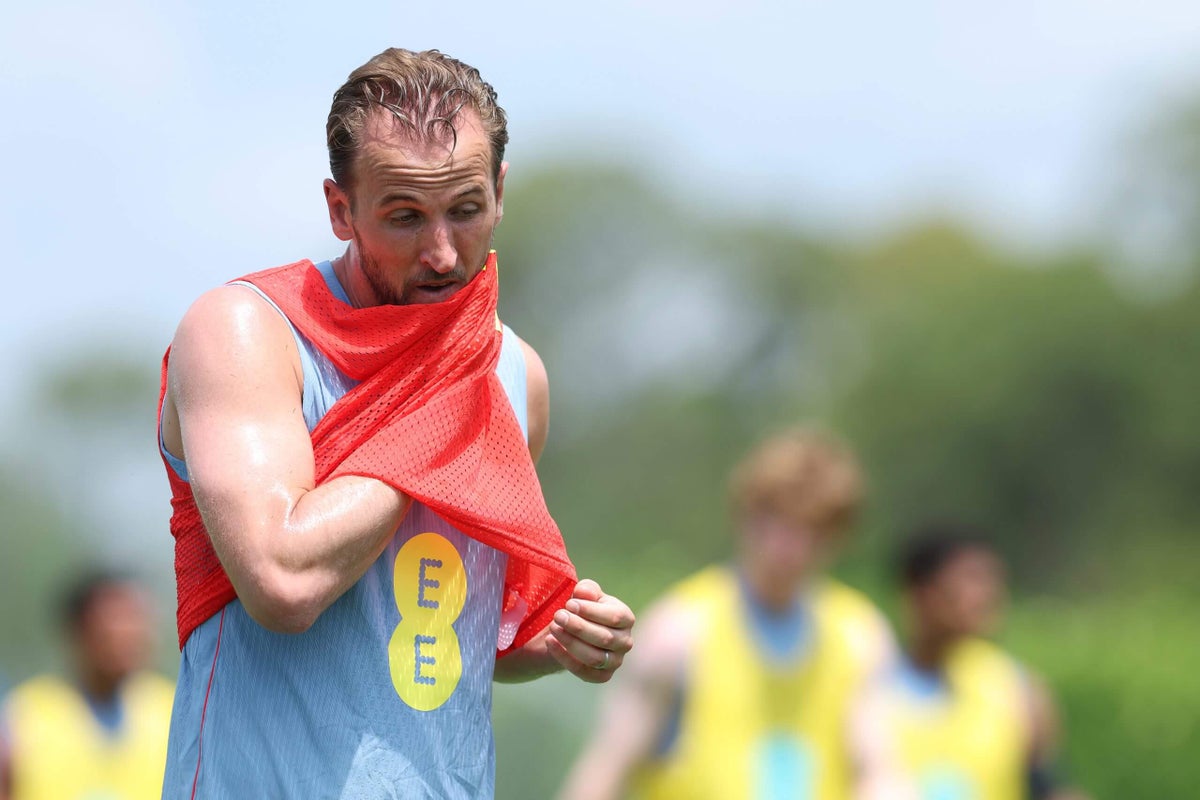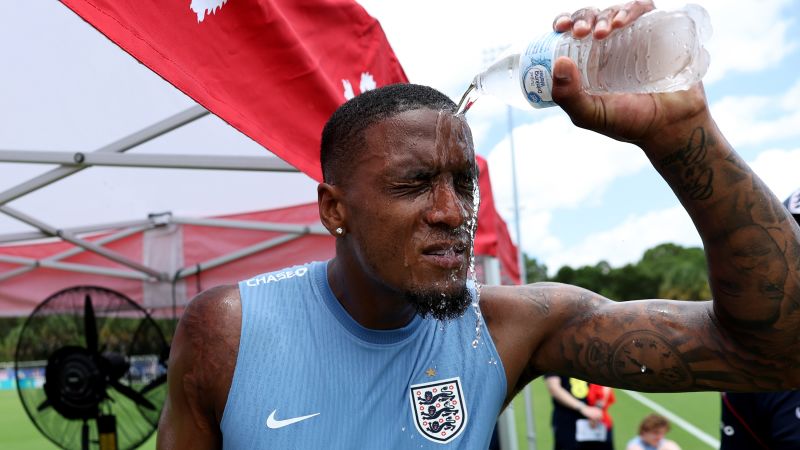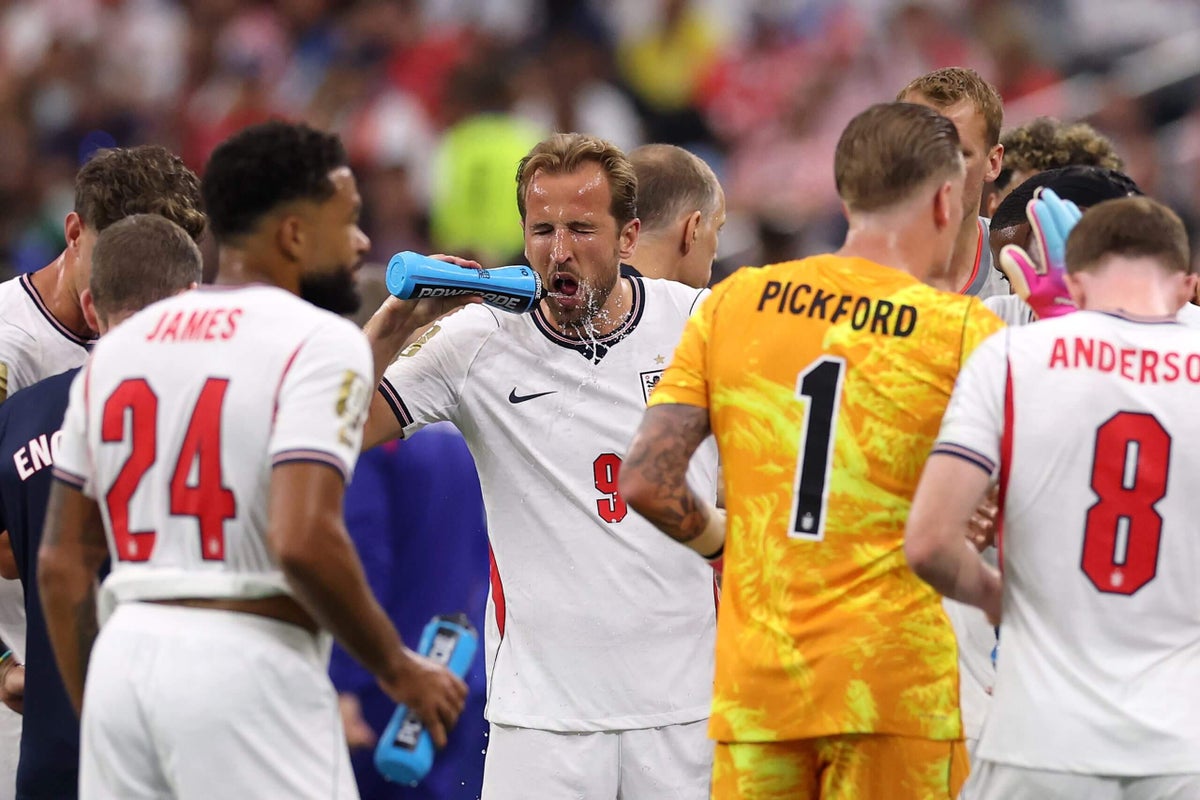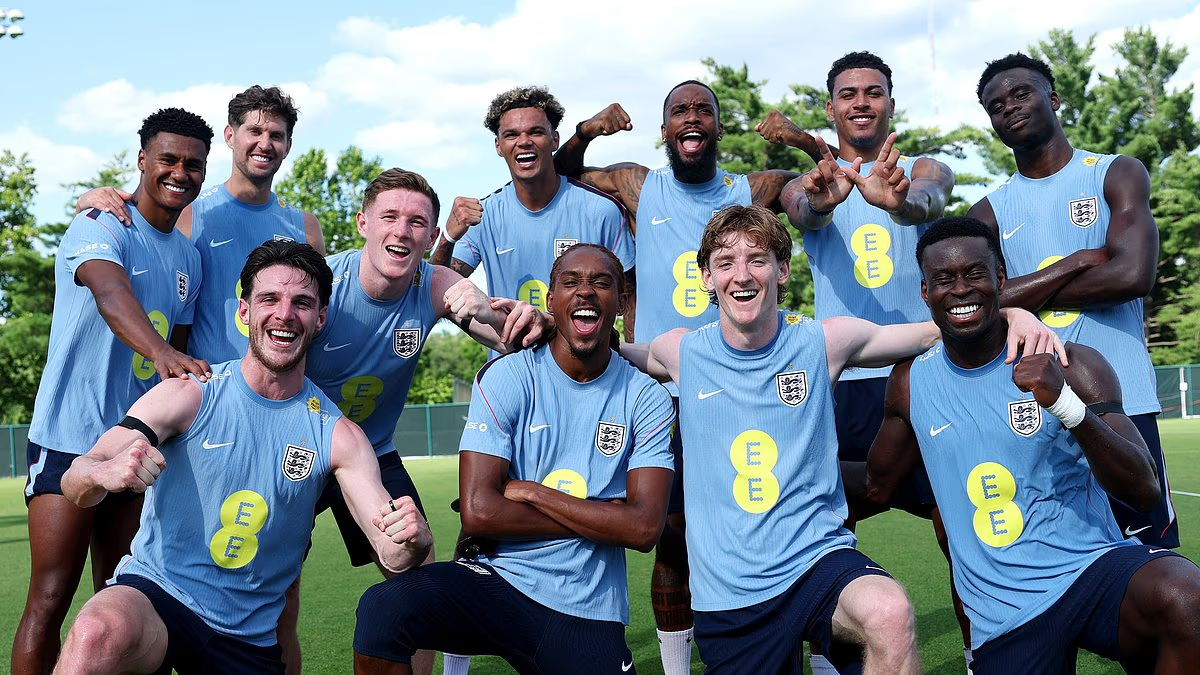
This article is part of The Athletic’s World Cup performance series, in which Alan McCall draws on more than 20 years of experience across elite football to explain the science behind the challenges teams are facing this summer and the strategies they will use to deal with them.With the round of 32 impending, he turns his attention to how travel and accumulated fatigue begin to take their toll, and what players can do to stay fresh.The knockout rounds have arrived.Every match leaves something behind — depleted energy stores, heavy legs, dehydration and a tired mind navigating the emotional rollercoaster of a World Cup. Research shows full physical recovery from matchplay can take several days, while recovery from mental fatigue is far less understood. At the 2026 World Cup, each additional round brings more matches, more travel, more environmental challenges and greater pressure — likely making both physical and mental recovery harder still.But a World Cup also gives something back.The crowds, the occasion, the experience of representing your country on football’s biggest stage. “When we went to Brazil it was a blessing — the home of football, the beauty of the country, the people, the vibe,” says Bacary Sagna, the former France defender who competed at two World Cups. “For the players to witness this, it is a blessing.”Holding on to that feeling while navigating everything a tournament demands may be among the hardest challenges of a World Cup. “The key to going deep is to do everything to keep the physical, mental, tactical and technical freshness,” says Darcy Norman, formerly Head of Performance with the USMNT and part of Germany’s World Cup-winning staff in Brazil in 2014.Freshness is the currency of a World Cup. The teams that preserve it best may ultimately give themselves the greatest chance of success.The Demands of TravelTravel is the connecting thread linking many of the demands teams will face at the 2026 World Cup. To arrive in North and Central America, players crossed oceans and time zones. To reach the heat of Miami or Monterrey and the altitude of Mexico City or Guadalajara, they must keep moving. After each match, they move again. And when it is all over, every player faces one more journey home.Long-haul crossings of multiple time zones creates jet lag on arrival — the body’s internal clock remaining aligned to home time rather than local time, disrupting sleep, alertness and performance. France forward Rayan Cherki offered a glimpse of the experience shortly after arriving in North America. In a video posted on the French national team’s official X account, he said: “I have the feeling that this last night lasted a decade.” Recovery typically takes around one day per time zone heading east and roughly half a day heading west. For most teams, however, arrival schedules allowed sufficient time to adapt, meaning jet lag was largely a managed challenge.Get free access to the most comprehensive World Cup coverage in The Athletic appCristiano Ronaldo arrives with Portugal in Florida (Leonardo Fernandez/Getty Images)The greater challenge is travel fatigue — the cumulative burden of repeated journeys between matches, cities and environments. Research suggests that the effects are often seen more clearly in sleep, soreness, stress and perceived fatigue than in match performance itself. Travel takes time away from recovery, preparation and routine.No one describes it more vividly than Ivan Rakitić, who represented Croatia at two World Cups and played virtually every minute of their run to the 2018 final. “Travelling is the biggest ****,” he says. “You lose with travelling, five, six, seven hours.” The flight itself is not the only problem. “You have to go maybe one and a half hours by bus to the airport. Then you finally take your flight,” he says. Having spent 13 years in Spain, Rakitić jokes that he has become “a bit Spanish”. “I like my siesta,” he says. “So you can’t even take your siesta. You have to change all your preparation — and across six weeks, that matters.”Yet the same journey can feel very different depending on the player. Bacary Sagna, who after two World Cups with France and knowing the realities of North American travel during his time in MLS with Montreal Impact, remembers it differently. “I found the travel fun,” he says. “You have space, you can sleep — it can build a bond in the team.”Neither is wrong. Because travel, like so much else at a World Cup, is individual. “There are no rules,” says Rakitić. “That’s why we are all different.” Some players find energy in the journey. But for most, the road is something to be managed rather than enjoyed — and the challenge for the medical and performance team around them is understanding the difference and building a structure that absorbs it.
How World Cup teams cope with travel, lack of sleep and accumulated fatigue
Performance expert Alan McCall explains how World Cup teams will try to keep their players fresh in the knockout stages
TL;DRAI
Questo articolo non è adatto a **Warptech Tech News**. È un approfondimento sportivo sui Mondiali di calcio 2026 (gestione della stanchezza, viaggio, recupero delle squadre) — completamente fuori dal target della testata, che segue manager IT, CTO e responsabili AI. Non riassumo articoli non-tech. Se hai un articolo tech/business/AI da riassumere, resto a disposizione.
2,265 words~10 min read