Story audio is generated using AI
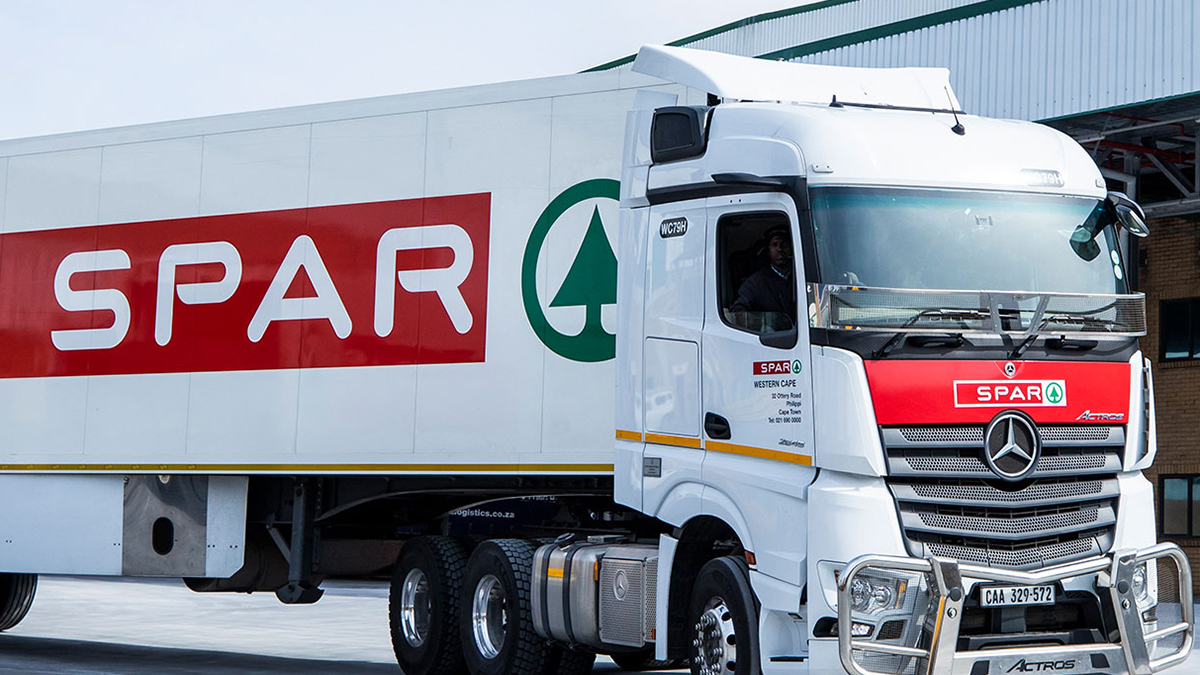
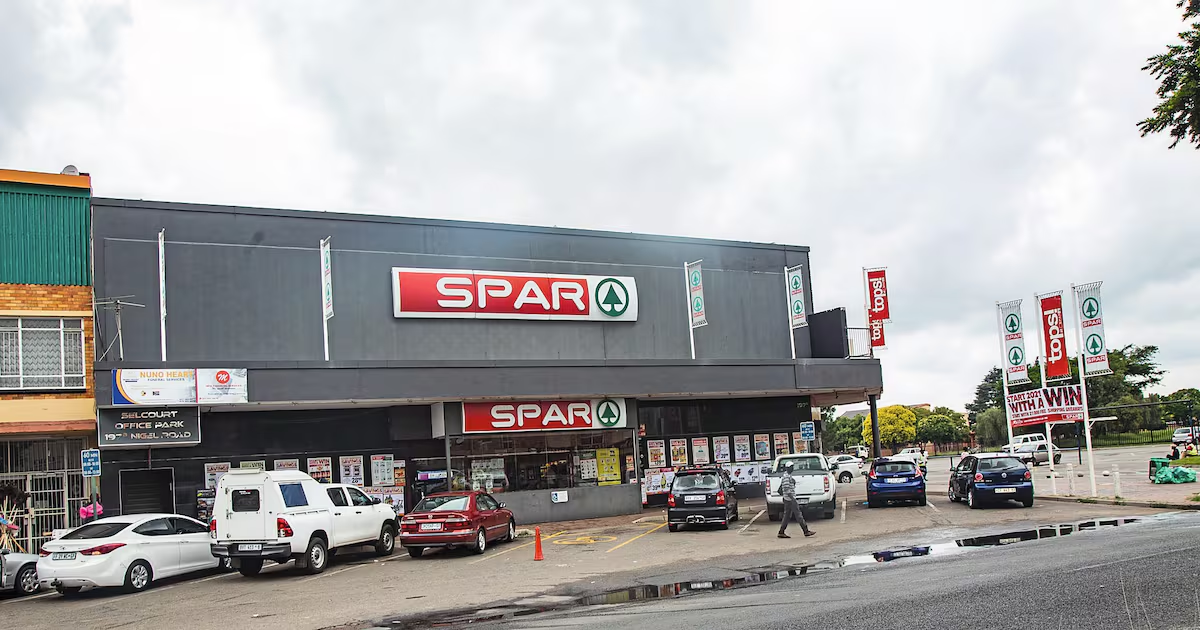
Struggling wholesaler Spar has placed the recovery of its KwaZulu-Natal (KZN) distribution centre at the heart of its turnaround strategy.Operational failures in the region contributed R123m to the group’s first-half profit decline, adding to the pressure it has faced in recent months.The group on Wednesday reported a sharp deterioration in earnings for the first half of its 2026 financial year, with HEPS from continuing operations falling 53.9% to 199.9c and operating profit dropping 45.3%.Spar identified the KwaZulu-Natal distribution centre, Black Friday promotional overspending and higher debtor costs as the three main drivers behind the weak performance.(Dorothy Kgosi) Speaking after the results, group CEO Reeza Isaacs said the KwaZulu-Natal operation has become the company’s most urgent priority.The distribution centre’s problems stemmed from an attempt to drive sales and retailer loyalty while the operation was not equipped to handle the additional volumes.According to Spar, margin discipline weakened as management pushed top-line growth. Operational disruptions caused out-of-stock rates to rise while the logistics network struggled to cope with increased demand. The company also incurred additional warehousing, overtime and transport costs.Isaacs said the problems were operational rather than structural. “It was really operational missteps.”He said merchandising and logistics teams were not sufficiently aligned as volumes increased, creating pressure throughout the distribution network and ultimately affecting service levels to retailers.The KwaZulu-Natal difficulties added to challenges that have affected the region since the implementation of SAP systems in previous years. Retailer loyalty came under pressure as service levels deteriorated and some retailers sourced products outside the Spar network.To address the issues, Isaacs said Spar has installed new leadership across merchandise, finance and retail operations in KwaZulu-Natal and launched a formal stabilisation programme with dedicated workstreams and performance targets.He said out-of-stock levels have improved significantly from their peak, dependence on external truck hire has been reduced and the region recorded three consecutive months of operating profit by the end of the reporting period.The turnaround in KwaZulu-Natal forms part of a broader recovery effort as Spar attempts to restore profitability in its core Southern African business.Southern Africa generated revenue of R50.8bn during the interim period, up 1.7% from a year earlier. However, operating profit before extraordinary items fell to R396m. The group said Black Friday promotional overspending contributed a further R212m to the decline in operating profit. Retail transactions fell 2.3% despite the increased promotional spending, while gross profit margins were negatively affected by subsidies and below-cost pricing.At the same time, debtor costs increased compared with the previous period as the company adopted a more conservative approach to provisions and dealt with retailer distress in parts of its network.Retailer profitability has now become a key focus area for the group.Isaacs said discussions with retailers identified five major areas requiring attention: pricing competitiveness, marketing effectiveness, the Spar2U on-demand offering, retail technology systems and measures to help retailers improve profitability and manage costs.The group plans to strengthen procurement, improve pricing on key products, modernise technology systems and expand tools aimed at supporting retailer performance.The weak first-half performance also placed pressure on Spar’s balance sheet. Net debt increased to R7.3bn from R5.4bn at the end of September 2025, while free cash flow turned negative due largely to working capital movements.Spar pointed to progress in simplifying its international portfolio. Poland and Switzerland have been exited, and the sale of the southwest England licence business is expected to complete the group’s European restructuring programme.The group’s focus is now concentrated on Southern Africa and Ireland, with the executives saying future performance will depend on operational execution rather than favourable economic conditions.Isaacs said the company expects to have a clearer picture of whether the KwaZulu-Natal recovery is sustainable within the next six months. “By the end of this financial year, definitely in the next six months, we should be a lot clearer about the sustainability of the recovery plan,” he said.Despite the “disappointing” first-half results as described by the CEO, the group’s share prices gained 5.4% on Wednesday. The shares have fallen by more than 44% in the past six months, taking Spar’s market capitalisation to just R10.3bn.