Story audio is generated using AI
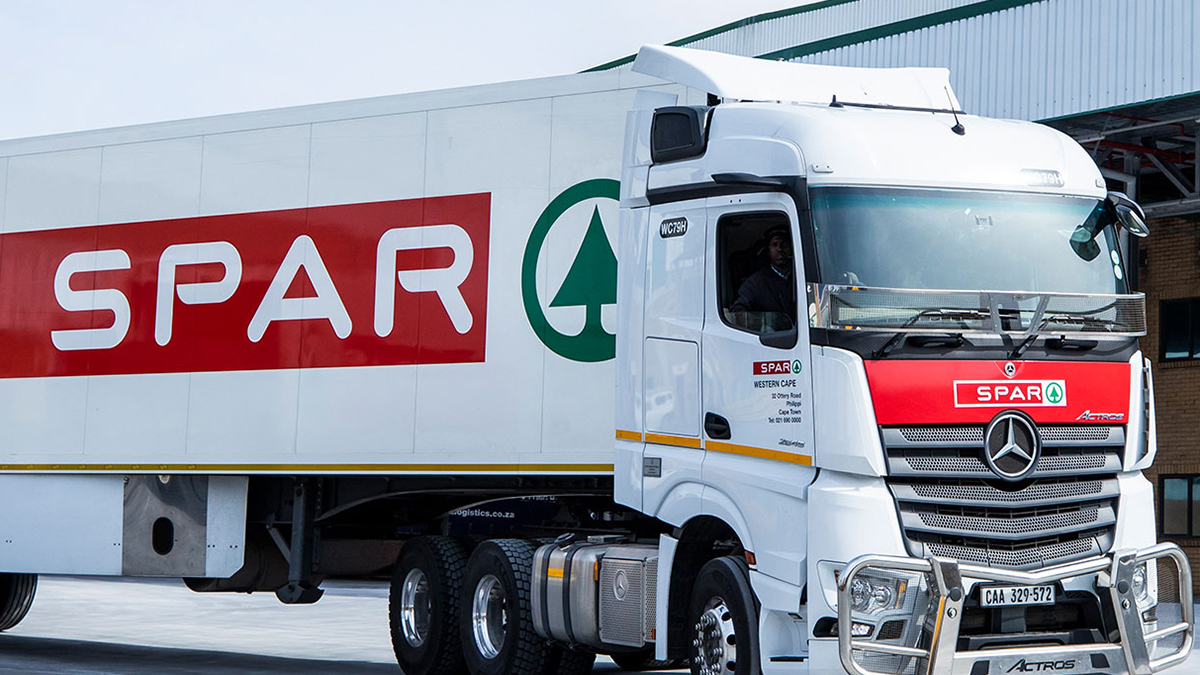
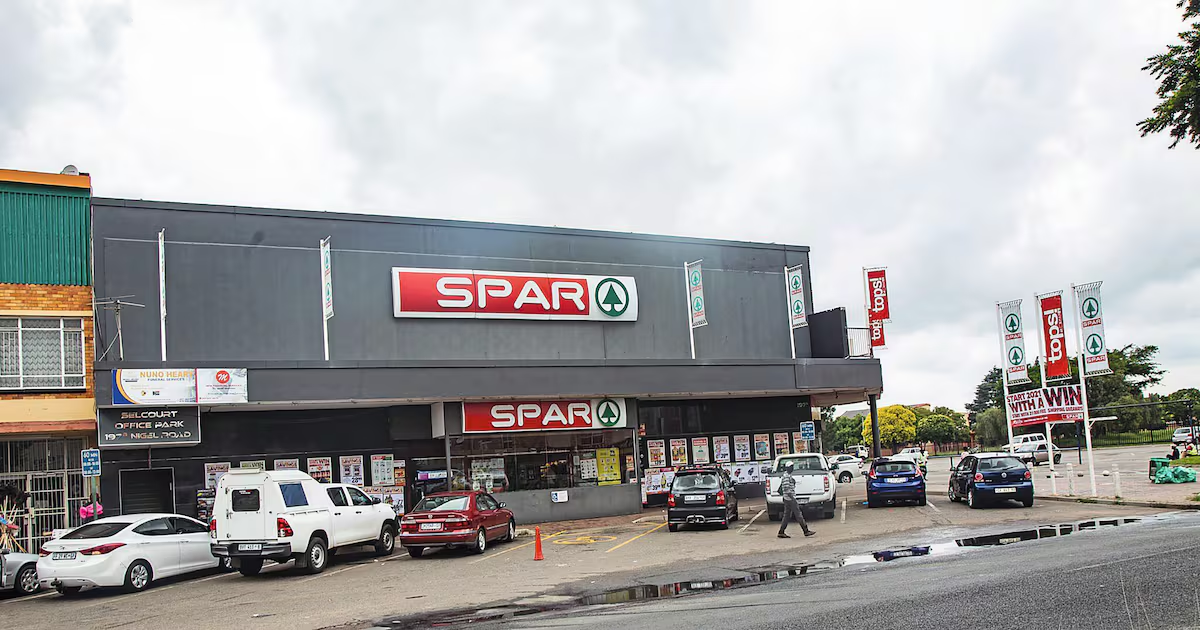
Spar is placing renewed emphasis on its private-label business as part of a broader strategy to lift margins, support retailer profitability, and regain momentum after a challenging period.While the retailer’s interim results to March disappointed investors, newly appointed CEO Reeza Isaacs says the group has identified several levers to reignite growth. Central among these is a more aggressive push into own-brand products. “Private label is one of the most significant growth opportunities available to us,” Isaacs said after the results announcement.Three years ago, Spar bought Encore, a private-label manufacturing business, but Isaacs acknowledged the group had yet to fully capitalise on the acquisition, with the operation still largely functioning independently of the broader organisation. “We bought our own private-label business about three years ago but did not do a proper post-merger integration into the business. There is enormous opportunity,” he said.SPAR Group CEO Reeza Isaacs (Supplied) Private-label products account for about 22% of Spar’s total sales. The group’s medium- to long-term ambition is to increase that contribution to closer to 30%, aligning with global retail trends in which own-brand ranges have steadily gained share as consumers seek better value. “Retailers want more private labels in certain categories. There is an opportunity to position them within the premium and middle segments,” said Isaacs.There are two key opportunities: accelerating product innovation and new product development, and simplifying the end-to-end value chain— CEO Reeza IsaacsImproving integration between Encore, Spar’s suppliers, distribution centres and independent retail networks is expected to unlock efficiencies and support stronger margins across the system. “We have a trusted brand, strong supplier relationships and a retail network that can benefit significantly from a more integrated private-label platform.” Isaacs said the focus would be on accelerating product innovation and improving the efficiency of the value chain, from manufacturing through to distribution and store-level execution. “There are two key opportunities: accelerating product innovation and new product development, and simplifying the end-to-end value chain,” he said.Spar has 2,523 stores in Botswana, eSwatini, Lesotho, Mozambique, Namibia and South Africa, with 4,657 permanent employees and a turnover of R97.7bn. Apart from groceries, Spar has a building material brand. Build IT, which contributes 8% to the revenue, and health businesses that contribute 2% to revenue. Spar is eyeing 250 pharmacy stores by 2028, from 125. It has also ventured into pets under the Pet Storey brand with plans to add 100 stores.In the past few years, the retailer has battled operational challenges linked to its SAP implementation, declining retailer loyalty, margin pressure, and the complexity of managing offshore operations. The sale of businesses in Poland, Switzerland, and, more recently, the UK, has allowed Spar to refocus attention on its core South African and Irish operations. The retail group has a joint venture in Sri Lanka, where it has 42 stores and added a corporate store, launched Spar Rewards programme, as well as online delivery platform SPAR2U. Isaacs added that private label is gaining strong momentum in Sri Lanka. While the joint venture is “not a big part of the portfolio”, and not taking up management time, Spar is using its expertise to help formalise the market.Business Times