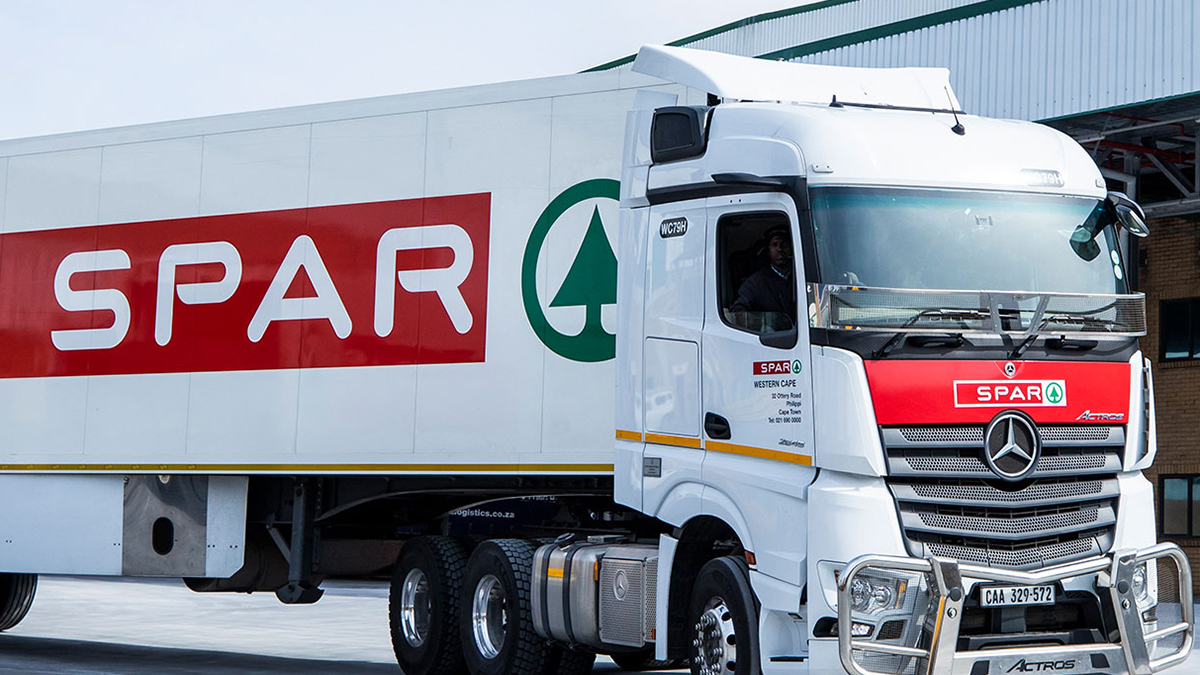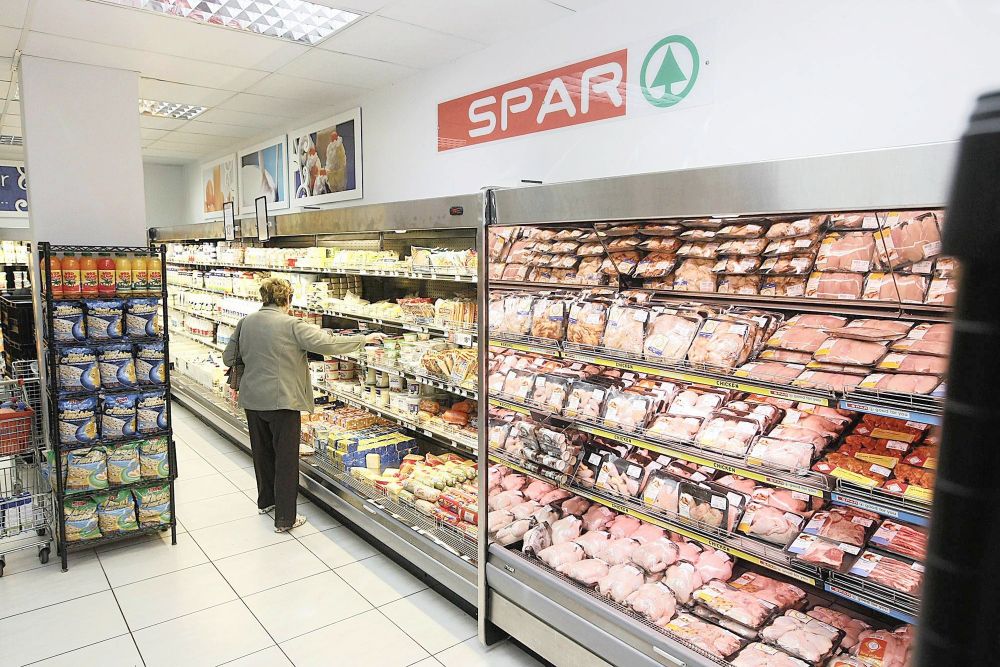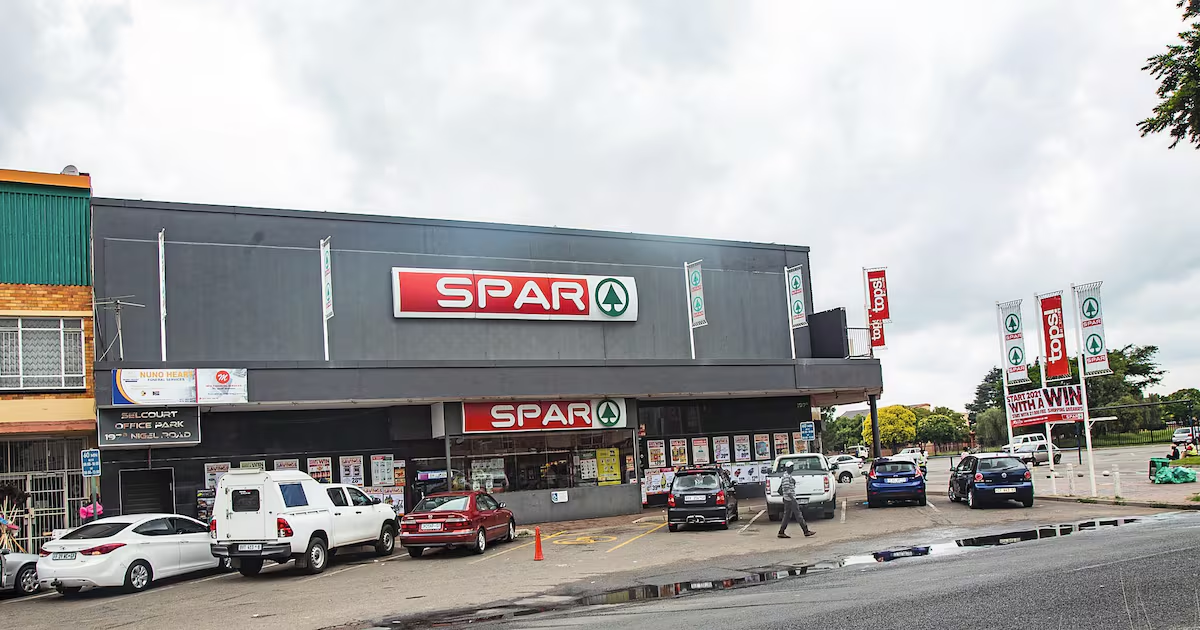
Spar’s earnings more than halved at the interim stage of its financial year after a costly Black Friday campaign, operational problems at its KwaZulu-Natal distribution centre and rising bad debt costs weighed heavily on performance.On Wednesday, the wholesaler reported HEPS from continuing operations for the 26 weeks ended March 27 of 199.9c, down 53.9% from a year earlier. Operating profit fell 45.3% to R740.5m, while revenue increased 3.6% to R67.5bn.Spar said three specific factors were responsible for much of the decline.“The KwaZulu-Natal distribution centre contributed R123m to the group’s operating profit decline, driven by a loss of margin discipline as the topline was driven hard, operational disruption that caused out-of-stock rates to peak and a logistics structure that was not geared for higher volumes.”The company said Black Friday promotional spending also failed to deliver the expected return.“Black Friday promotional overspend in the current period contributed R212m to the operating profit decline, with the additional investment failing to generate a commensurate return.”Debtor costs increased by R159m compared with the prior period, reflecting a more conservative approach, a methodology change and retailer distress in parts of its network.The pressure was most visible in Southern Africa, where operating profit before extraordinary items dropped to R396m from R989m a year earlier. Gross profit margin declined to 9.5% from 9.8%, while operating expenses increased 18.5%.The group also recorded R151.3m in extraordinary charges, including impairments of goodwill, property, equipment and software, as well as costs related to the closure of the Build It imports warehouse.Net debt increased to R7.3bn from R5.4bn at the end of September 2025, driven mainly by working capital movements, loan repayments in Switzerland and lower earnings, it said. Free cash flow was negative during the period.Spar again declared no interim dividend, saying a return to dividend payments would only be considered once earnings recovery becomes sustainable and leverage moves closer to its medium-term target.The results also showed pressure on consumers. Grocery and liquor retail sales increased by a marginal 1.1%, below the group’s internal selling price inflation of 2.6%, while Spar Rewards transactions declined by 2.3%. Average basket spend increased 3.5%.Even with the weak first-half performance, the group said conditions improved toward the end of the reporting period, particularly in KwaZulu-Natal.“KwaZulu-Natal is the group’s single most critical near-term execution priority.”The company said the non-recurrence of Black Friday overspending, continued recovery in KwaZulu-Natal and the rollout of commercial transformation initiatives are expected to support a materially improved second-half performance.
Spar profit slumps on Black Friday overspend and cost of bad debt
Spar says dividends will only be considered once earnings recovery becomes sustainable
406 words~2 min read