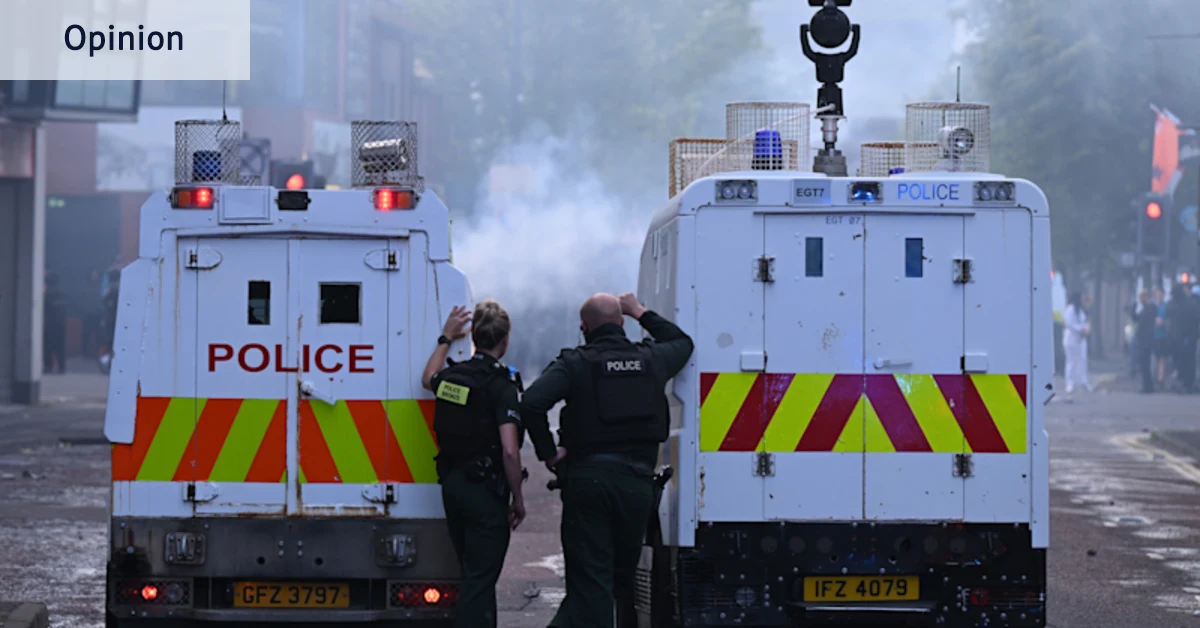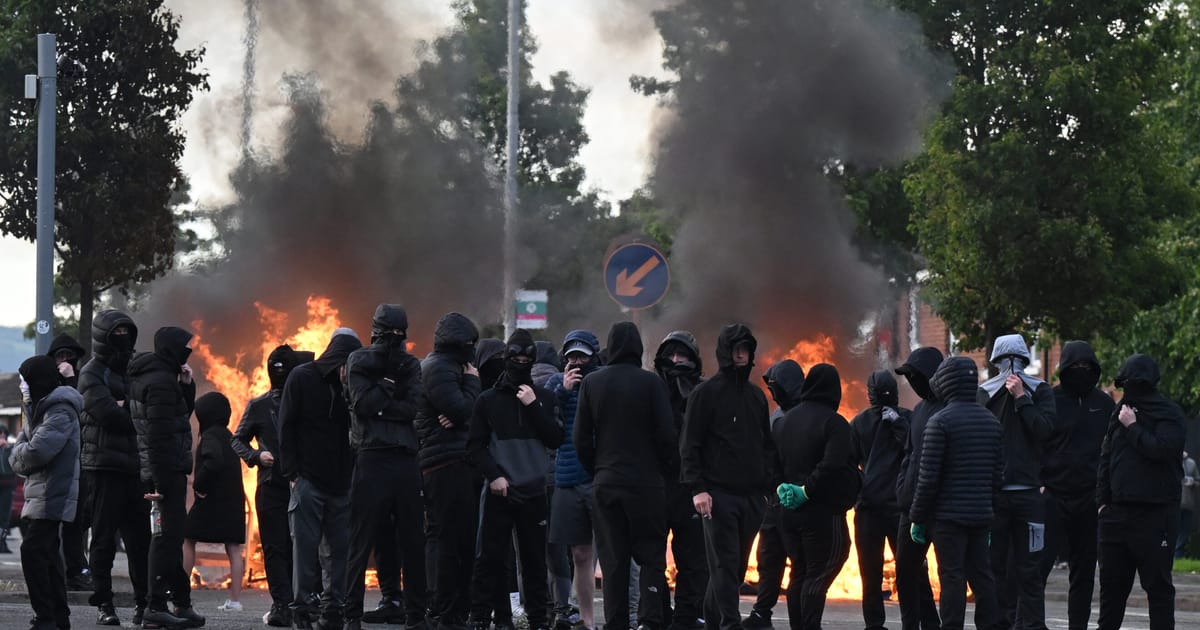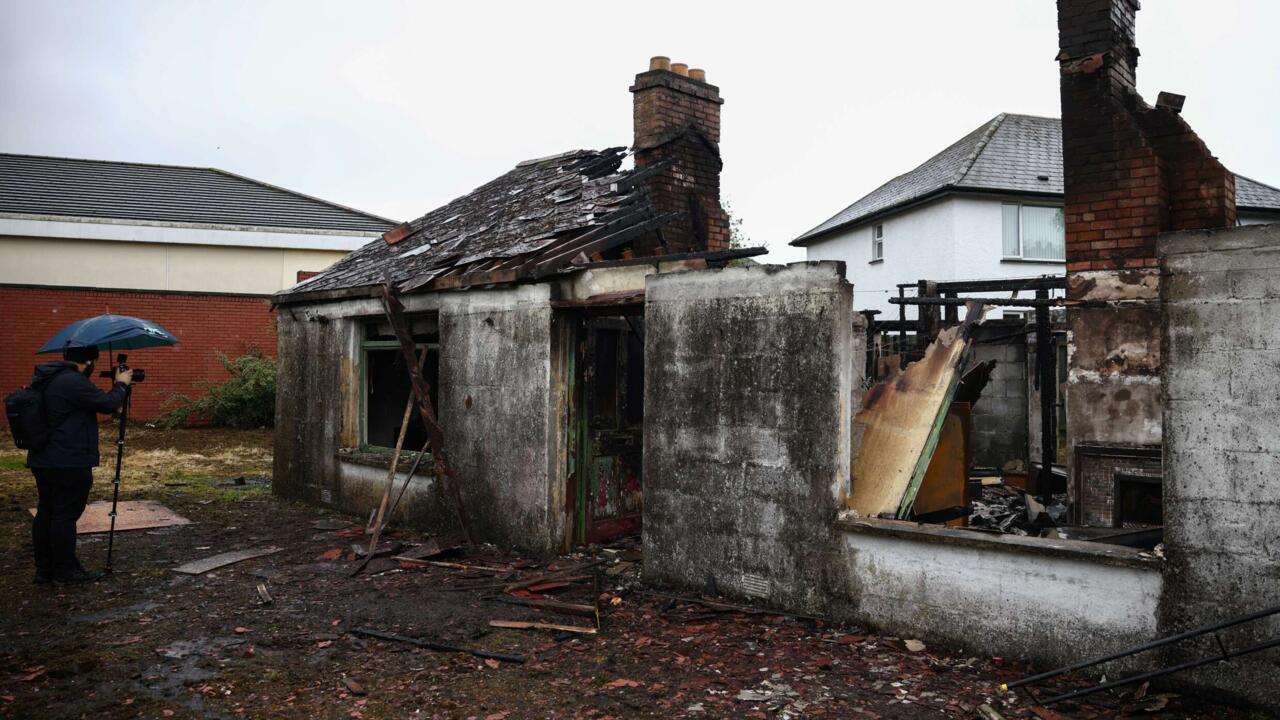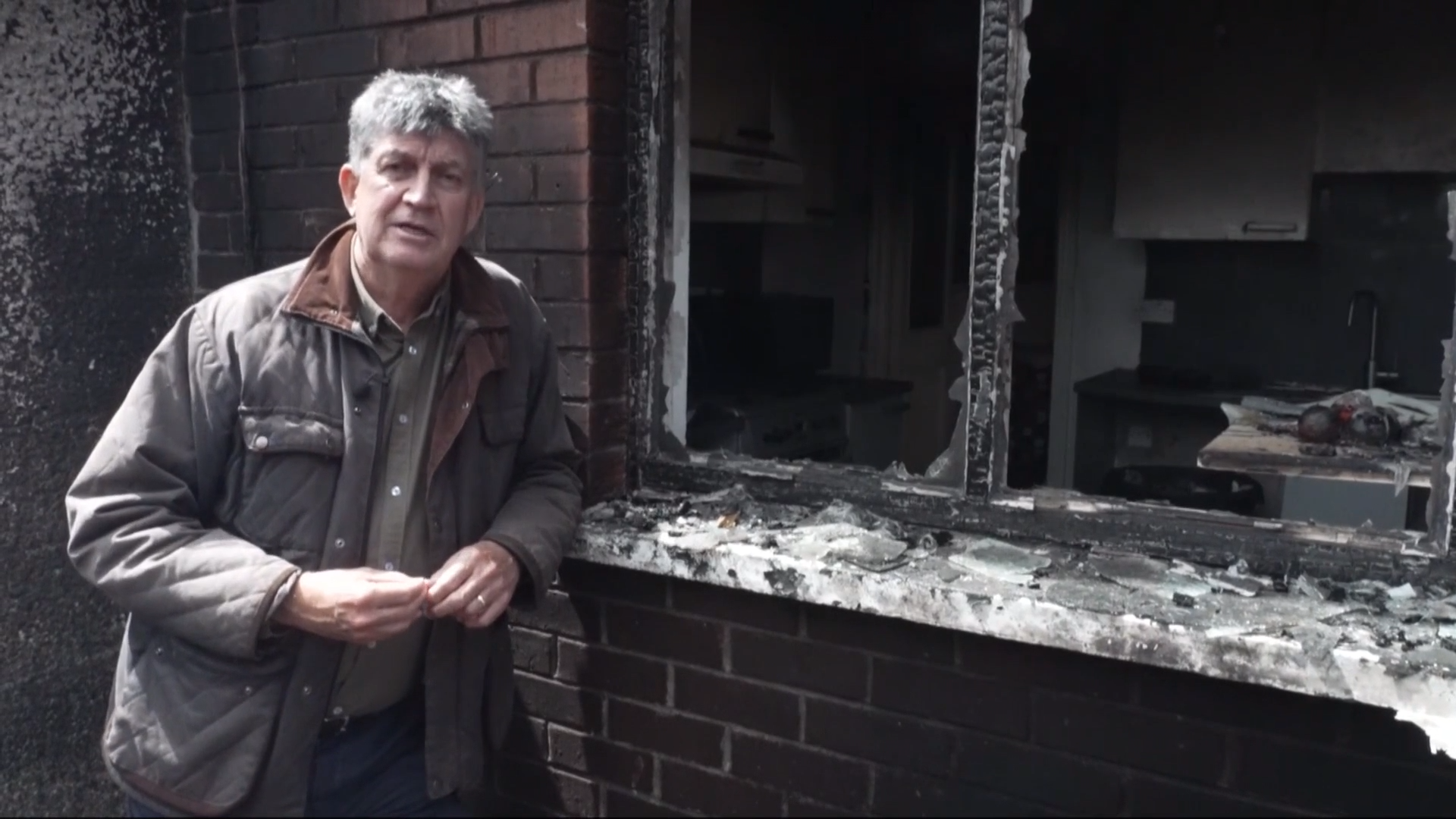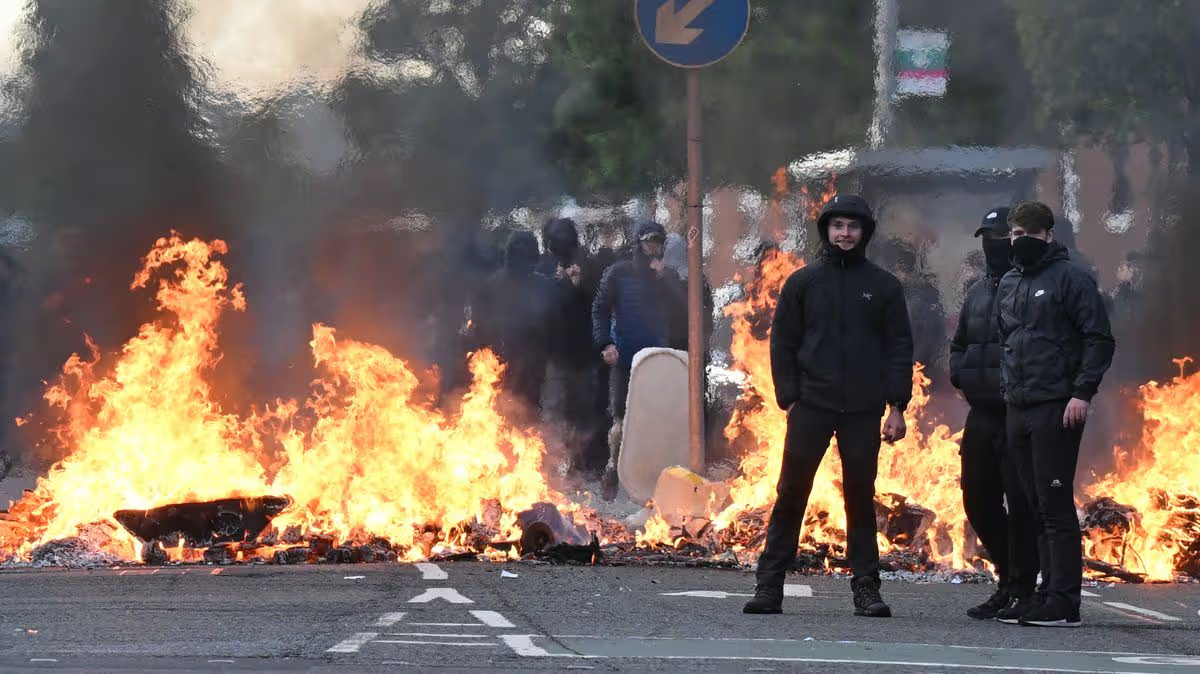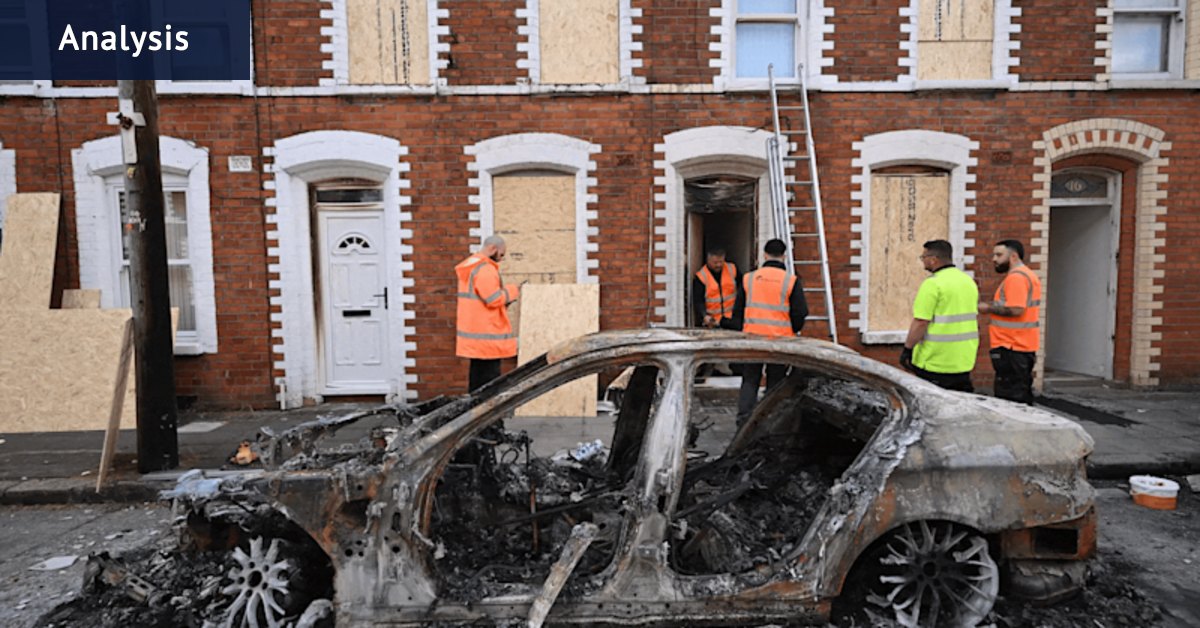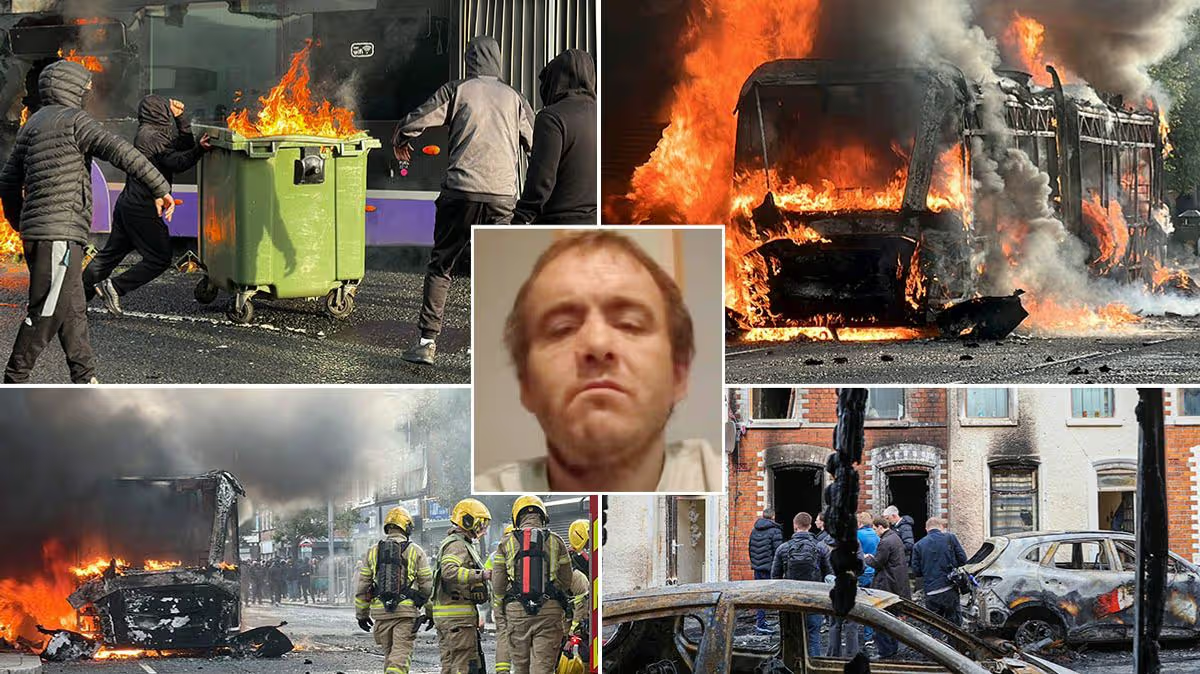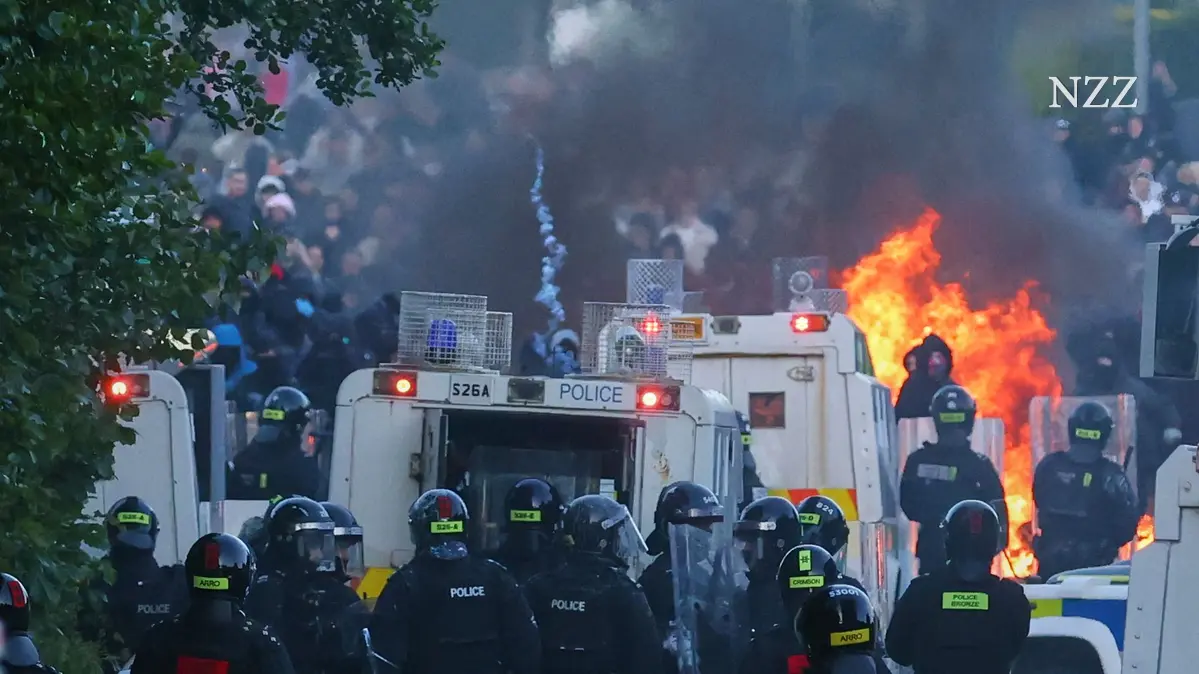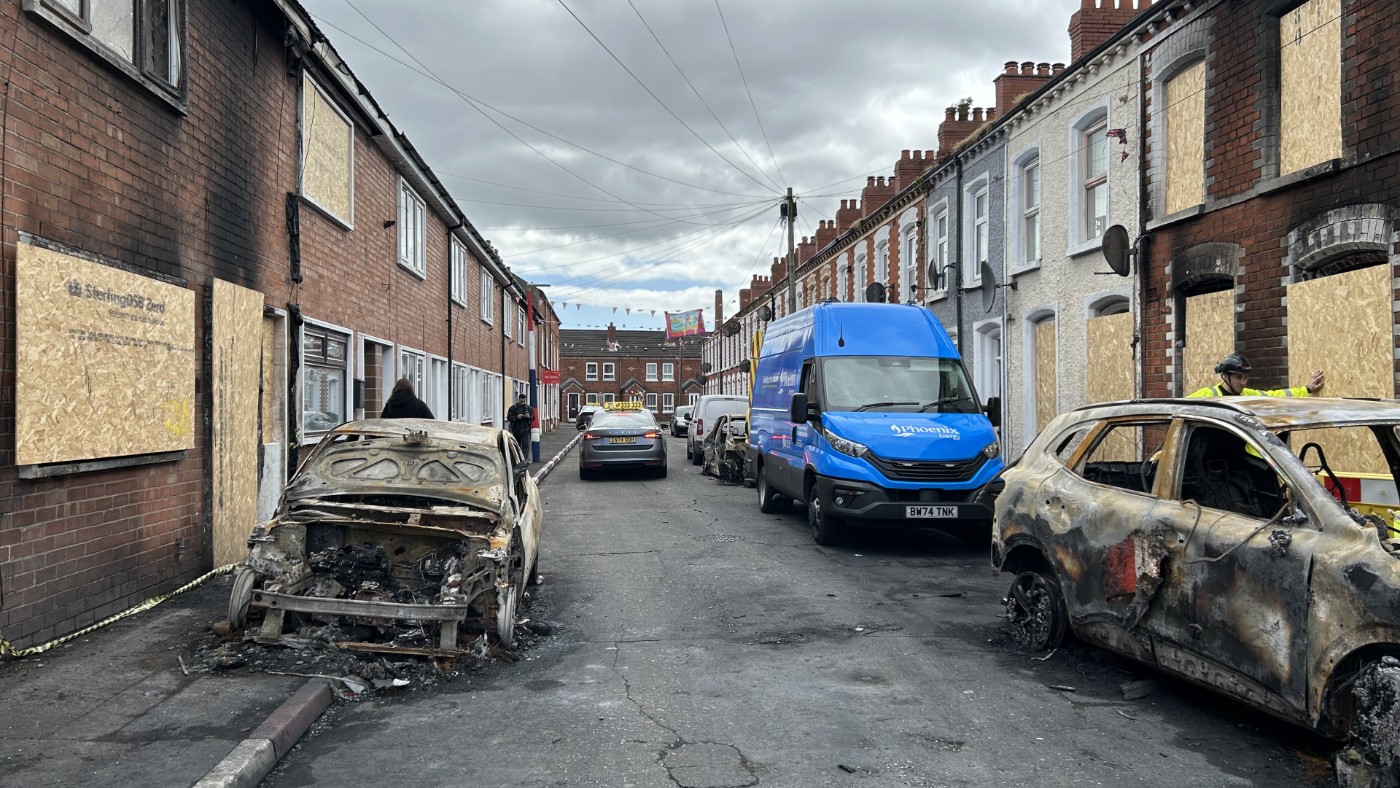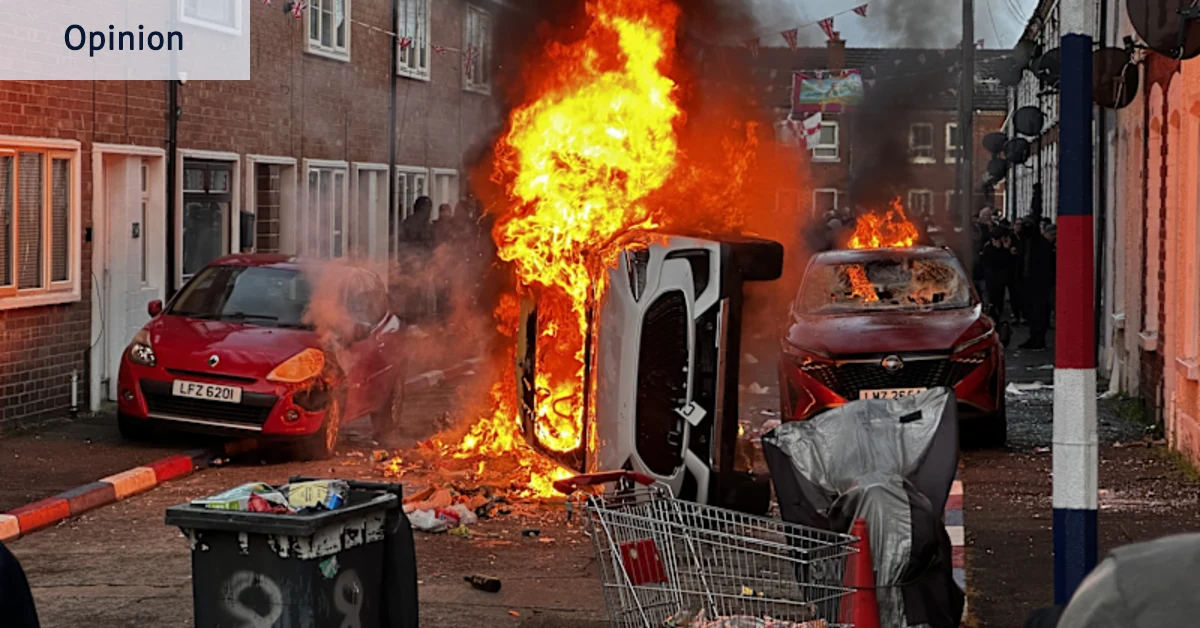
OpinionJune 11, 2026 — 11:30amOn Saturday morning, I will return home to Belfast to a depressingly familiar sight many of us thought had largely disappeared.Violence in Belfast is usually connected to long-held political tension between Protestant and Catholic communities. During the summer months, this can still reignite into what local police call “recreational rioting”. But this time, it’s different.The sudden eruption of violence in Belfast this week.Getty ImagesOn Monday evening, a grainy video went viral. A 30-year-old Sudanese man had brutally attacked a man in North Belfast with a knife. Locals stopped the attack before police arrived, but the victim was seriously wounded.Locals have every right to feel anger that this crime happened on their doorstep and to demand justice. But the justice these gangs of masked men seek in Belfast is not to be found in the courtroom; it is demanded on the streets.The disorder has spread to other towns in Northern Ireland. Tension that lay bubbling under the surface has exploded.Less than a mile from where I grew up in East Belfast, in the shadow of the shipyard that built the Titanic, a house was destroyed and set ablaze as a group of 100 men patrolled and attacked houses. The visceral hatred is not reserved for certain nationalities or just people of colour. A Ukrainian family who had fled the war in their home country spoke of their fear of being targeted in Belfast.The city I left 22 years ago will always remain my home. My accent has not changed. My close family and my school friends are all still in Belfast. I love the humour, the distaste for arrogance and the friendliness.But it is also almost impossible to explain the complex riddle of Belfast to people in Australia. I grew up in a predominantly Protestant area, which was culturally more British than most of London, despite living on the island of Ireland. We watched the BBC news with Big Ben chiming and studied British history at high school.The local Catholic area, also less than a mile away, had street signs in Irish and watched the 6 o’clock news from Dublin, preceded by the Angelus. We were geographically close, but in opposing worlds. Normal things were politicised. If you carried a cricket bat in the city, you were Protestant. If you had a hurley in your hands, you were Catholic. So many people grew up in a narrow world of them and us.My parents never allowed bigotry in our household, but not everyone was so lucky. The Good Friday Agreement in 1998 brought a level of peace after unbearable violence over decades. The scars are not necessarily visible on the street, but the majority of people in the city over the age of 35 have been affected by the legacy of the conflict. It could be the murder of a family and a friend. It could be the family inheritance of a white-hot hatred that cannot ever be cooled. There remains a suspicion of the unfamiliar, be it people or place. But the cycle of violence, finally, was broken.I left high school and the city in 2004, when it was rare to see tourists. In the past decade, Belfast has reinvented itself as a popular tourist destination. Black taxis and packed open-top buses take tours of murals. World-class restaurants and bars have opened. I love returning to the city, my home.Most of its people are welcoming and desperate for overseas visitors to enjoy it. Perhaps there is an overcompensation in friendliness, as so many locals are aware of the reputation Belfast has had to overcome. As ever, the hard work of the majority has been undone by a minority.Those perpetuating the mob violence on the streets of Belfast this week did not carry the Irish tricolour or the Union Jack. But the rioters – many of them teenagers – have, it seems, found unity in hate. Not for each other but for immigrants. That’s profoundly sad.Jonathan Drennan is a sports reporter for The Sydney Morning Herald.More:UKNorthern IrelandOpinionIrelandRacismFor subscribersFrom our partners
I grew up in Belfast. To see such hate on its streets again is heartbreaking
On Saturday, I return to a city I still call my home, to a depressingly familiar sight.
672 words~3 min read