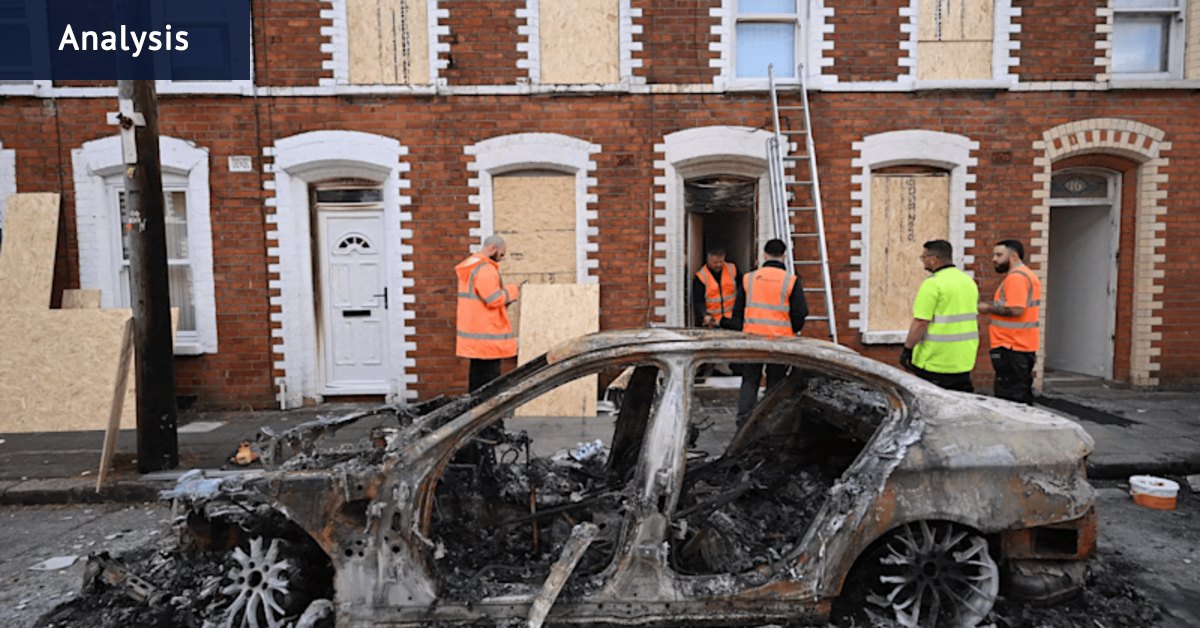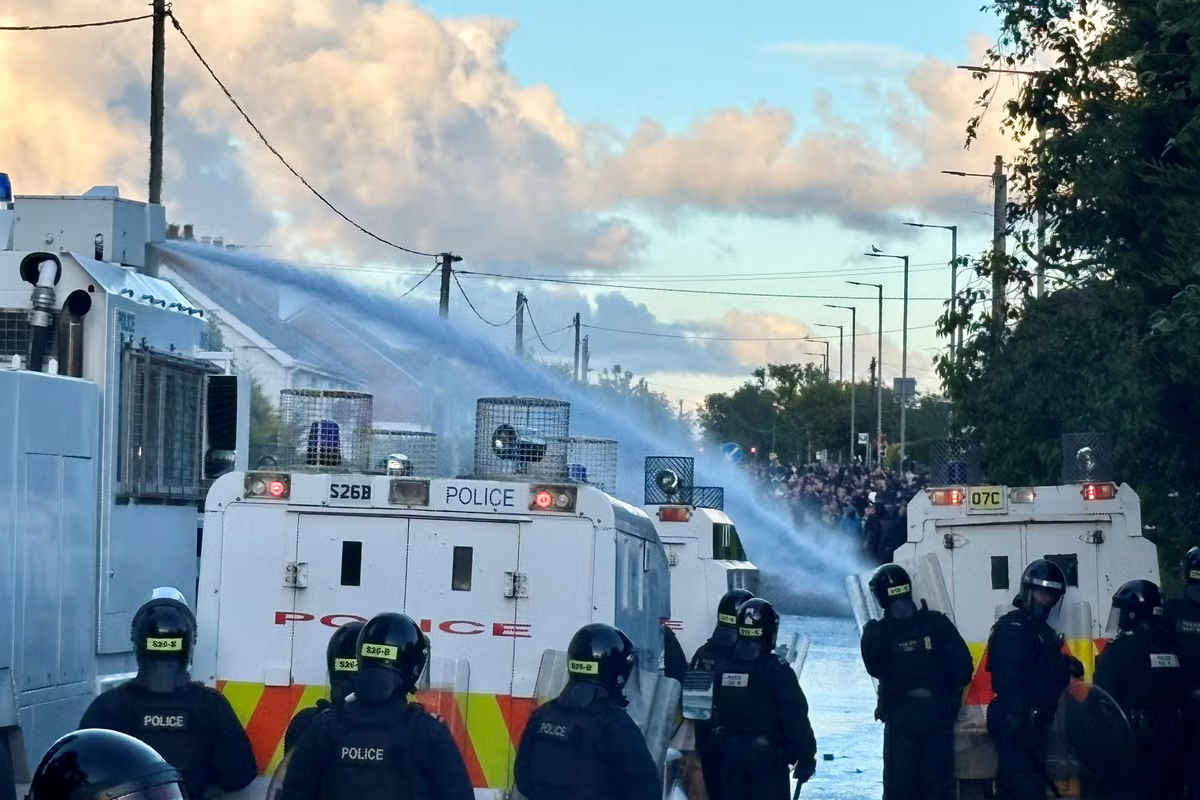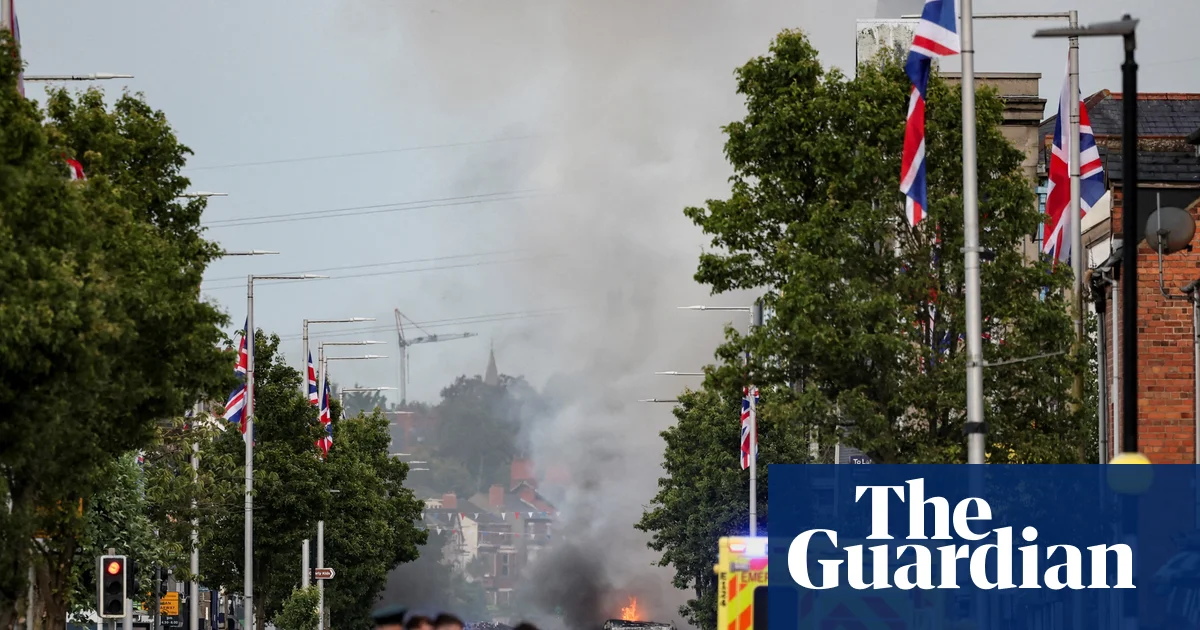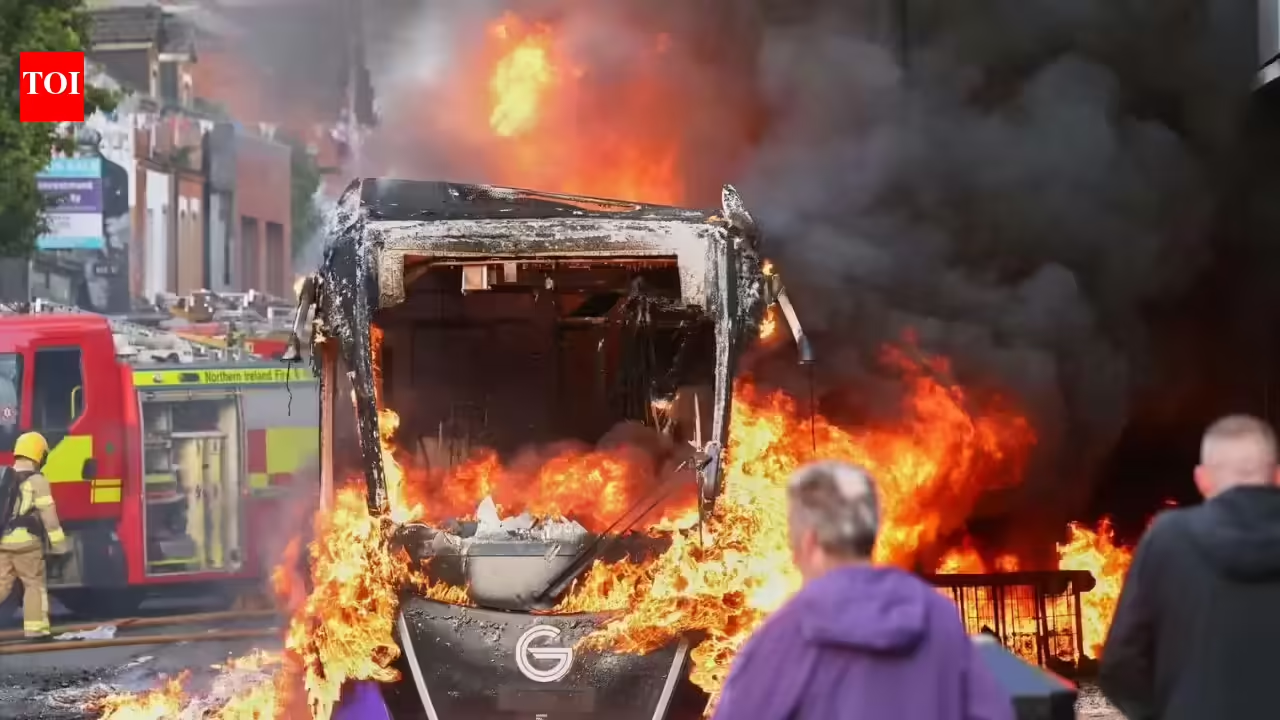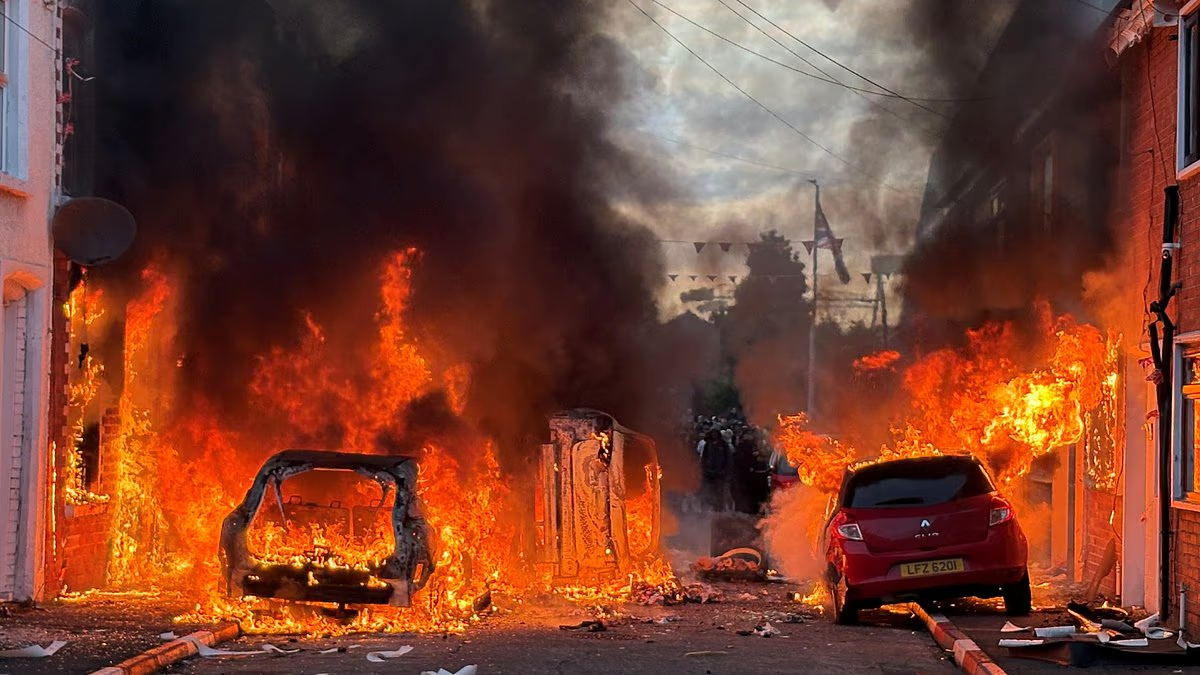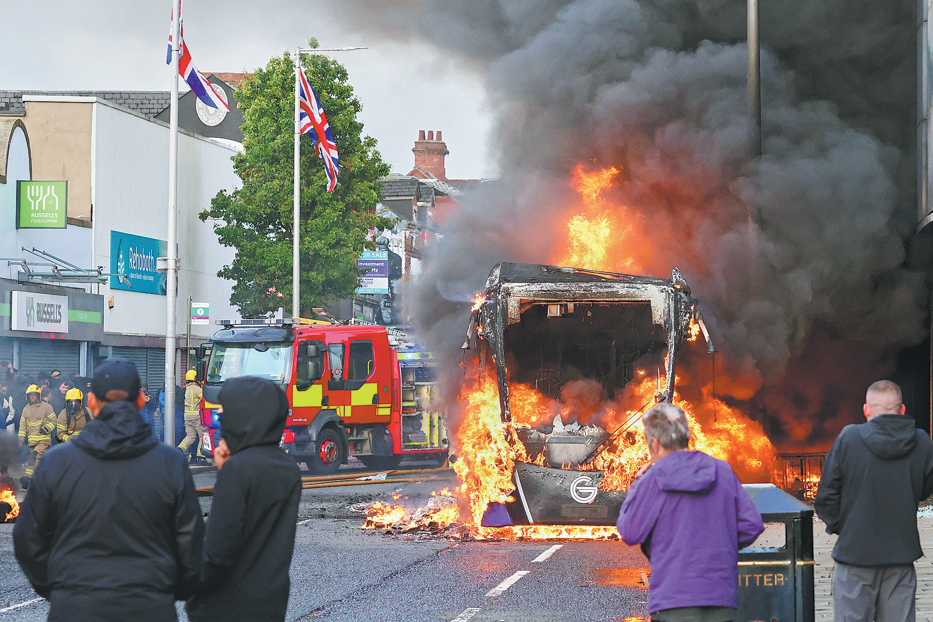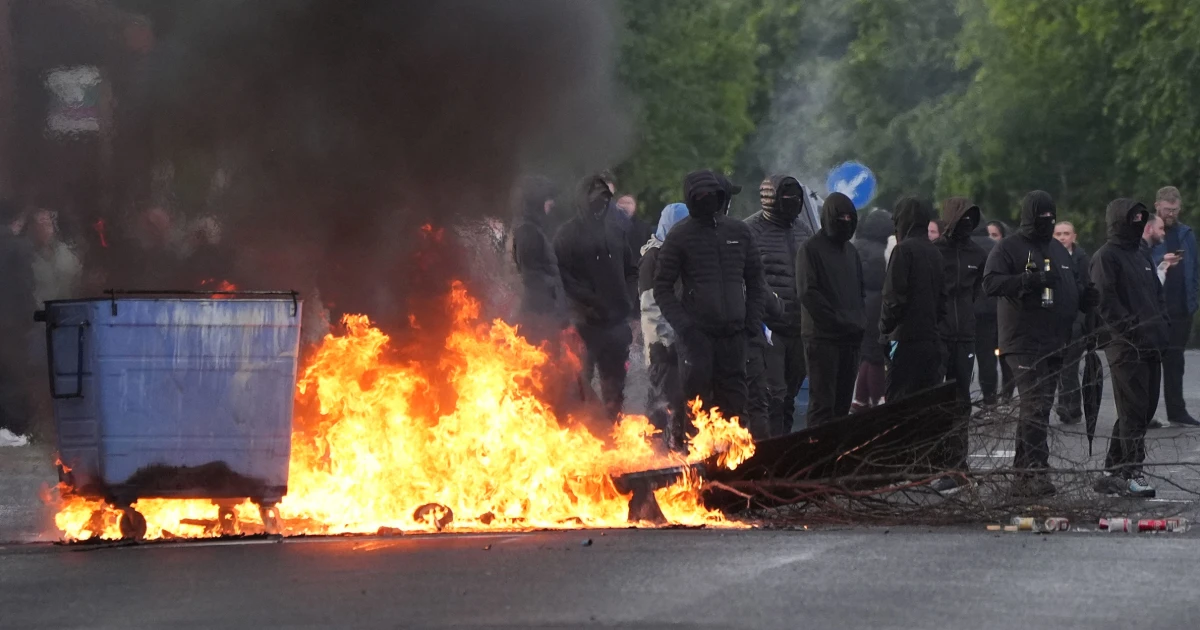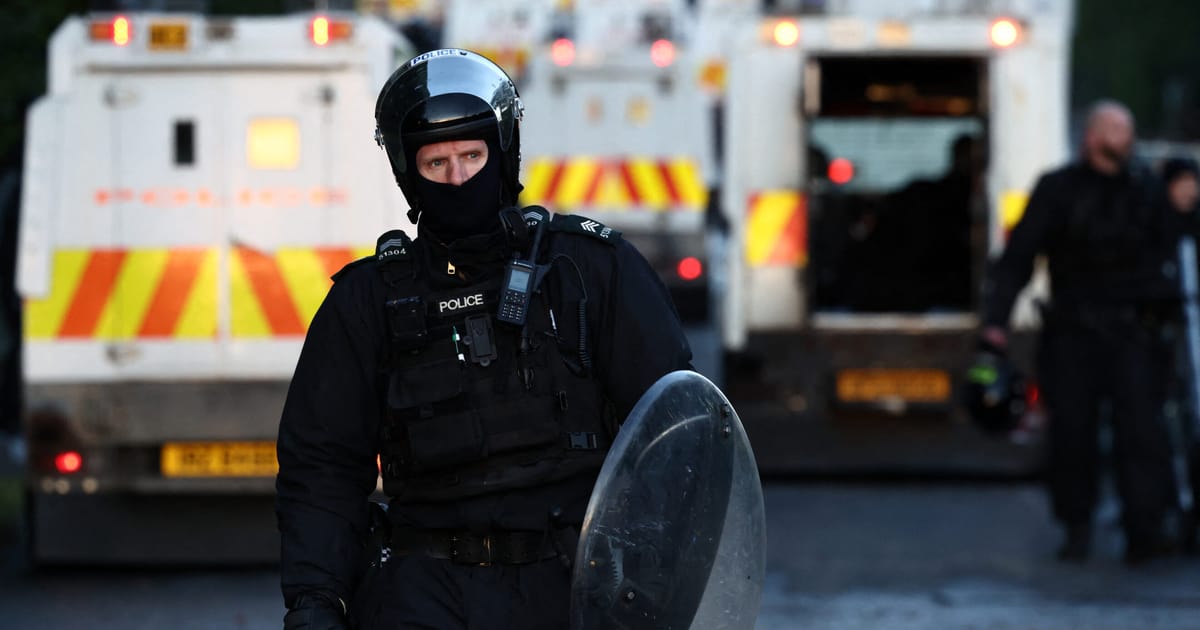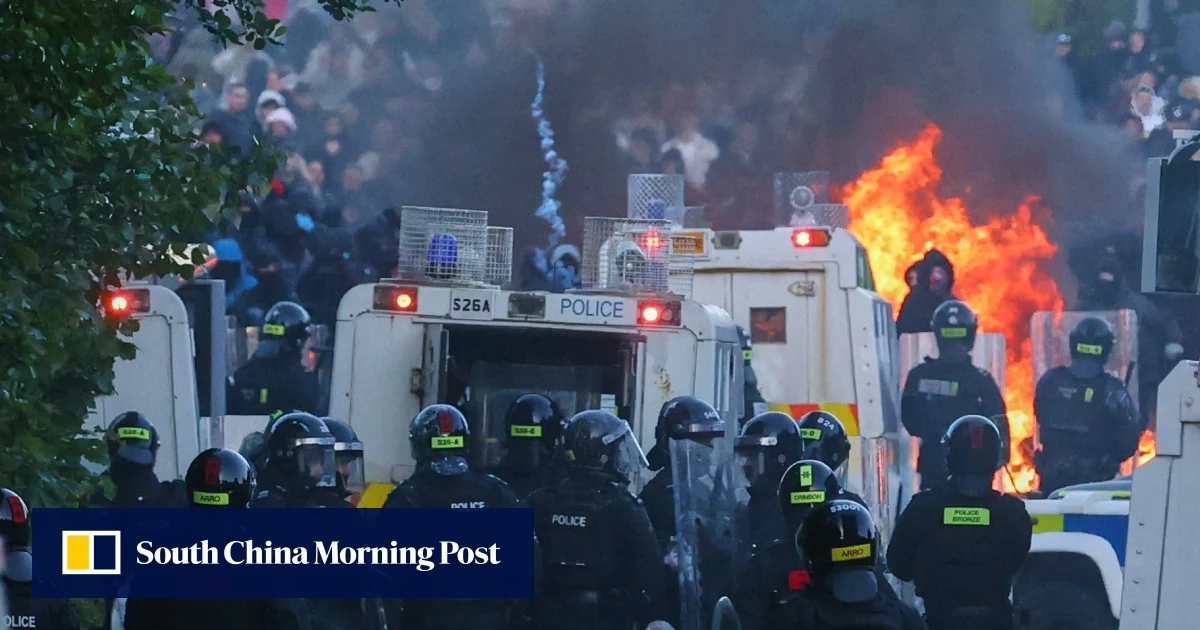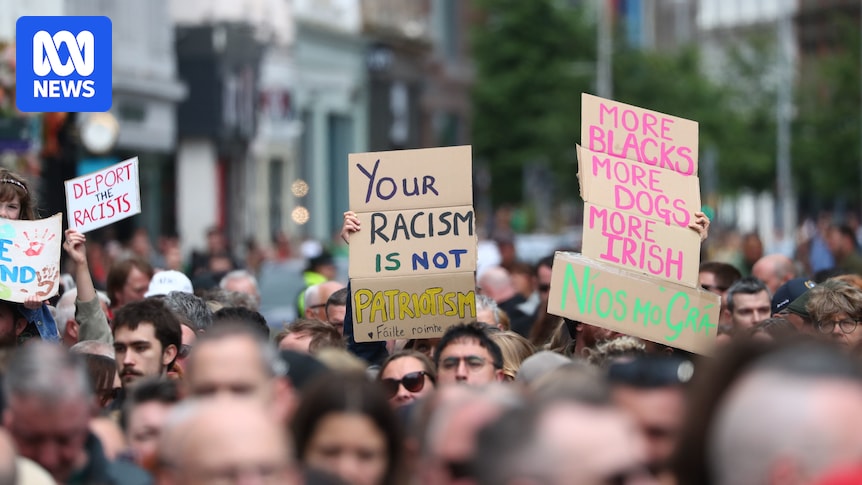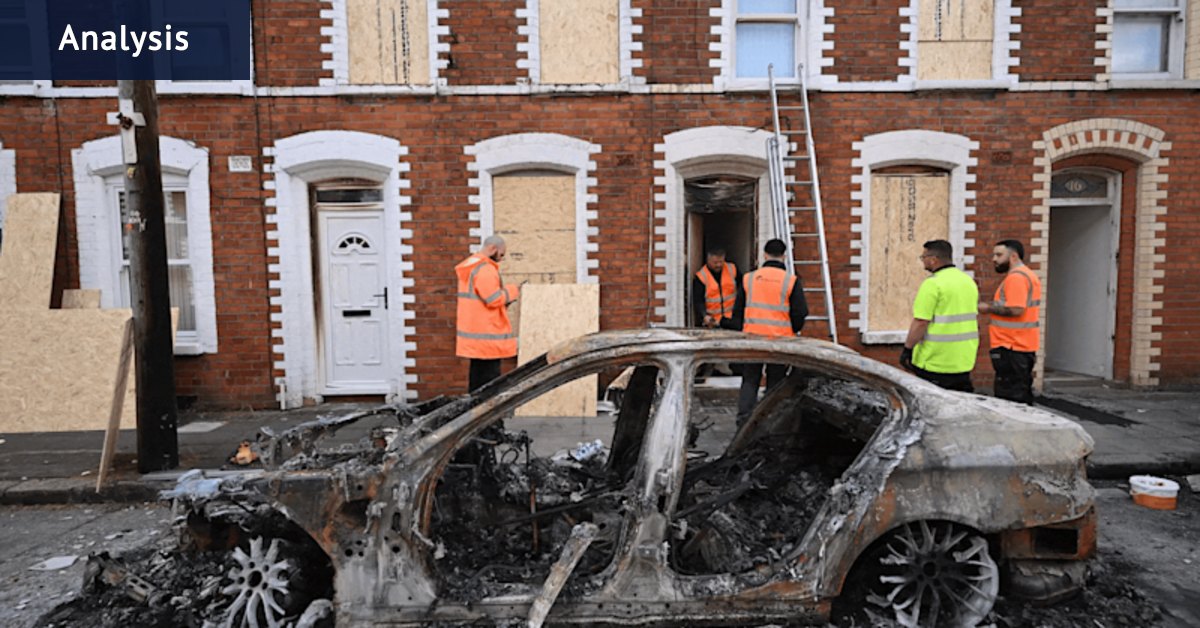
June 11, 2026 — 11:55amBelfast: The protester points at me as he strides toward the battle lines in the second night of unrest on the streets in and around Belfast.“Put that phone away,” he yells. Then he walks on with a handful of other men to confront a line of police at the end of the street.I know why he is nervous about the photographs and video I am taking of the crowd facing the police, who are using riot shields, armoured vehicles and water cannons to gradually take control of the street.Police attempt to disperse protesters near Newtownabbey, in Belfast.AP Photo/Peter MorrisonEvery image carries a risk in this clash between authorities and agitators over migration. The protesters are setting up confrontations that guarantee media attention and galvanise supporters, but the police are watching every move.The police may not arrest a protester in the thick of the action, but they can do so the following day after identifying people using public images of the gatherings.Danny Tommo, a Trump supporter and right-wing activist.David CroweThe leaders of this anti-immigrant movement are alive to the risk. “Do not publish any footage showing the faces of [Northern Ireland] patriots!” said one of them, Danny Tommo, on the eve of this protest. “Have we learned nothing from this week?”This captures the two sides of the revolt. The protests are orchestrated by populist and far-right professionals who know how to reach huge audiences online.But they are powered by local residents who are fed up with their political leaders and believe migration must be cut or stopped.Most of the news coverage of these protests highlights the frontline troops – the young men wearing balaclavas to avoid identification. Behind them, however, is a larger gathering of local people who support the cause without going so far as to throw projectiles at police.This was certainly the case on Wednesday night on the streets of Glengormley and Newtownabbey, where hundreds of people tried to march on a local hotel housing asylum seekers.The police prevailed, this time at least. The crowd never reached the hotel. The protest was not as explosive as the riots the previous night. But the unrest can flare up again at any time.For some of the community, this sort of protest is a way of life. In some parts of Belfast, children have been raised to distrust outsiders and confront the police. The young men in their black masks know how to set fire to a bin, place it next to a bus and turn the bus into a bonfire.Because most of the recent protests have taken place in the loyalist parts of the city, where the Union Jack flies in the streets, there is an overwhelming sense that the agitators are from the protestant, unionist community.Protests in Belfast turned violent in reaction to a knife attack that took place on Monday night which left a male victim in his 40s with serious injuries.AgenciesBut some believe that Catholic nationalists are joining the outcry against migration. The two sides of the Northern Ireland community, which have warred with each other for so long, now have at least one common cause in their anxiety about asylum seekers.Many locals are fearful about what happens next. They cannot be sure if or when there will be another riot like Monday night, when migrant families were forced out of their homes. On Wednesday, rumours of a daytime protest led to shops being closed, public transport being paused and schools finishing early so families could go home and stay there.At a pub in the Holyland district of Belfast – where the streets are named after biblical sites like Jerusalem and Palestine – I meet two students who are talking about one of the rumours spreading online. It is a disturbing claim of a “hit list” of homes, listed with precise addresses, that will be targeted because they house migrants. Nobody can be sure if this is fake news or a serious threat.Belfast students Philip McCauley and Aoife Harvey in the Holyland district of the city on Wednesday, June 10.David CroweOne of the students, Aoife Harvey, 22, understands the anger in the community. She is horrified by the knife attack on Monday night that set off the riots. Police have charged an asylum seeker from Sudan, Hadi Alodid, with attempted murder over what has been described as an attempted beheading. But Harvey is dismayed by the violent response from the mobs on the streets.“People are really angry and really outraged at what happened, which is understandable because it was so brutal,” she says.“But, at the same time, I don’t know what the protesters are hoping to achieve. You know, these are the people who are talking about protecting the local community, protecting women and girls. But they’re the same people who are burning innocent families out of their houses and destroying shops.”The other student, Philip McCauley, 24, draws a parallel with the sectarian violence that has shaped Northern Ireland. After decades of conflict between Catholics and Protestants, some are turning on a new target: the outsiders in the migrant communities.“It’s a pogrom, you know,” he says. “And we have a bit of a precedent for pogroms here.”The protests on Wednesday night did not repeat the worst of the Tuesday riots, when men in balaclavas set fire to the homes of migrant families. But the “hit list” circulating on Wednesday, with its detailed addresses, means there is a serious risk of worse to come.The community is on edge, waiting for another clash.Get a note directly from our foreign correspondents on what’s making headlines around the world. Sign up for our weekly What in the World newsletter.From our partners
Ugly scenes on Belfast streets tap into simmering rage of a fed up public
While the news coverage of these protests highlights young men wearing balaclavas, there are many more in the city who support the cause without going so far as to throw things at police.
943 words~4 min read