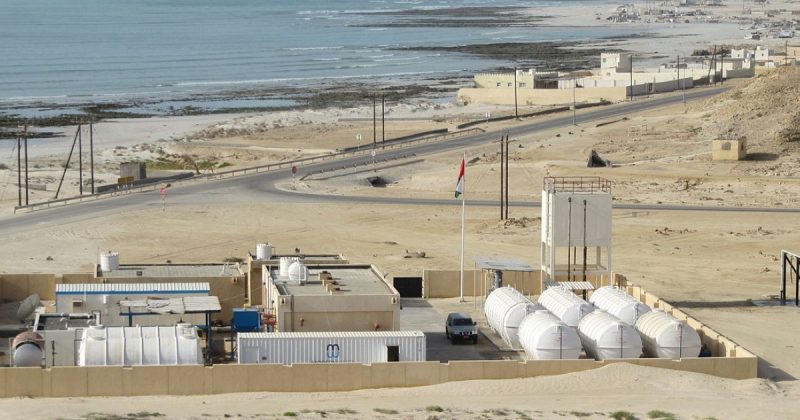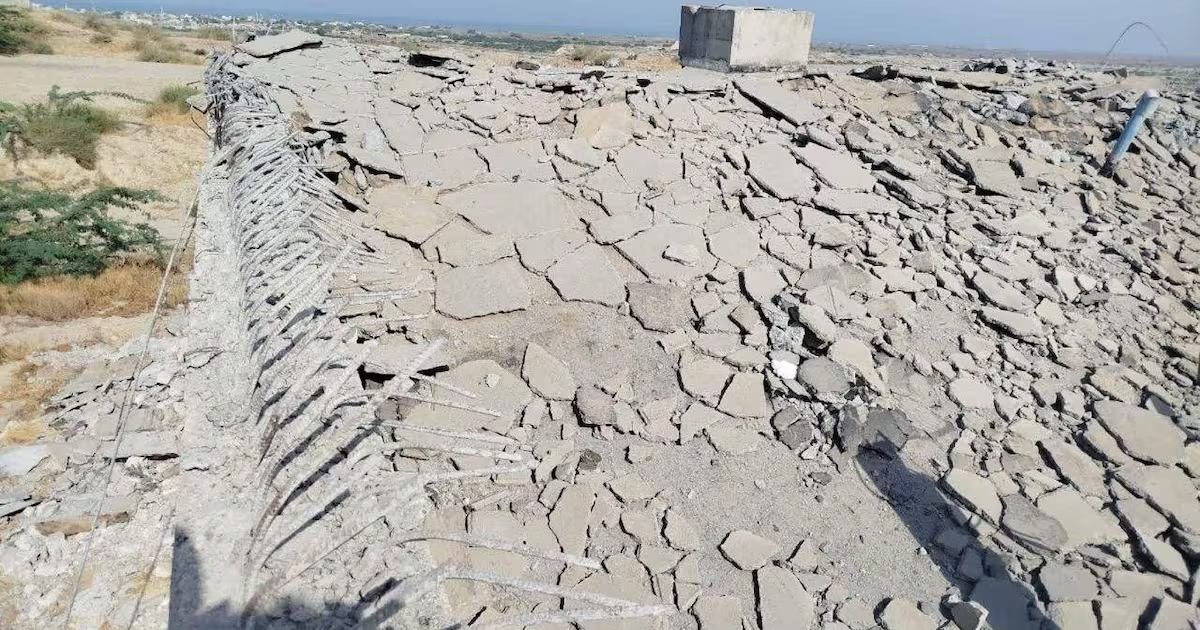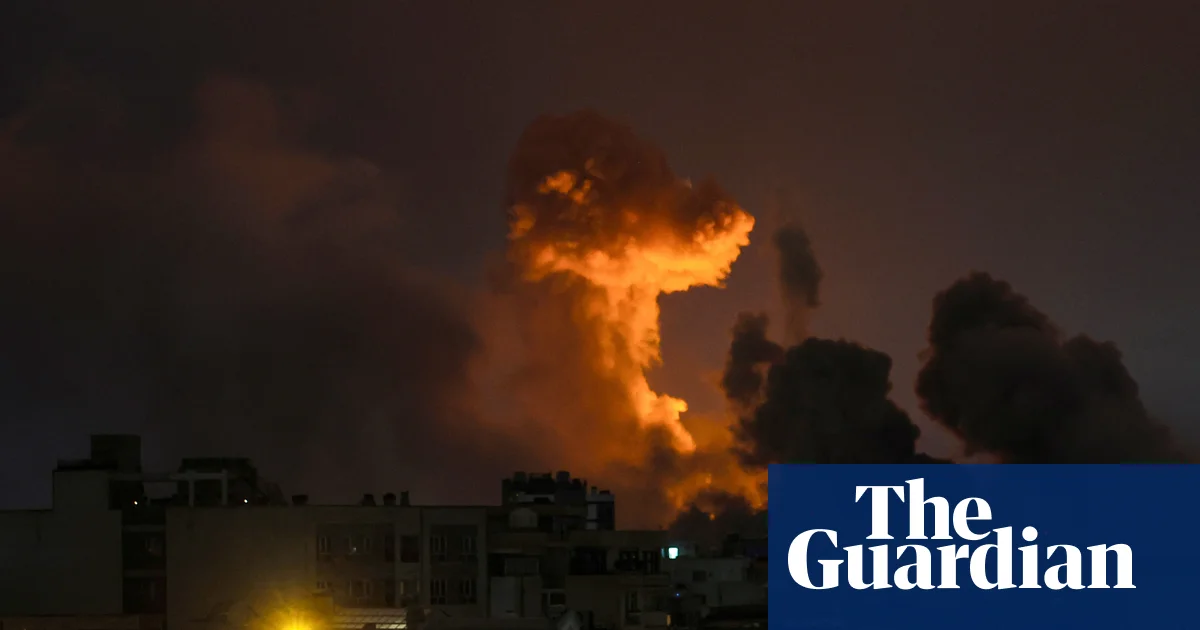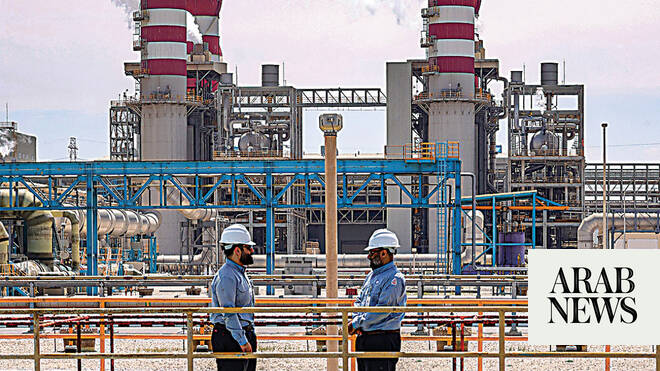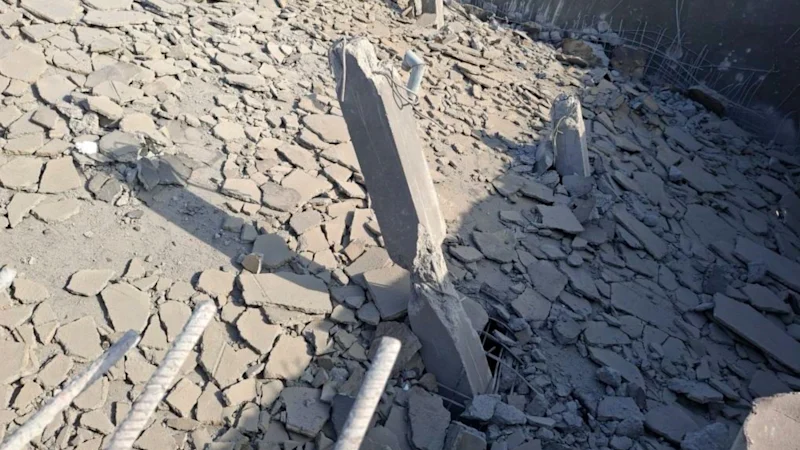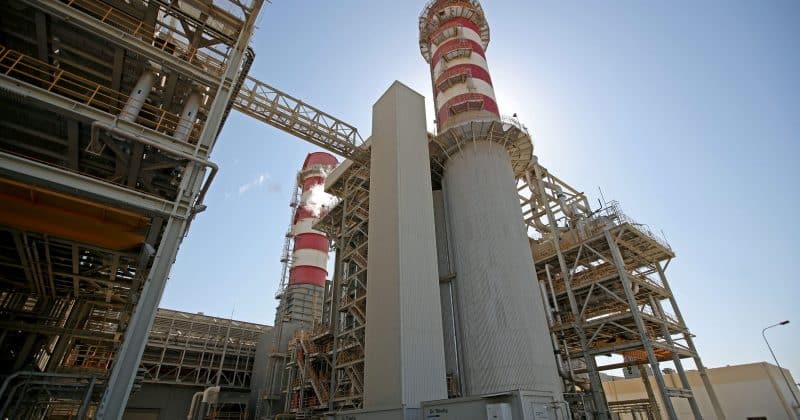
A US military strike on March 7 reportedly hit a freshwater desalination plant on Qeshm Island, a strategically positioned landmass in the Strait of Hormuz. The facility supplied drinking water to approximately 30 villages in southern Iran, and its destruction has triggered accusations of war crimes from Tehran, denials from Washington and Jerusalem, and a fresh layer of geopolitical risk that investors across every asset class, crypto included, cannot afford to ignore.
Iranian Foreign Minister Abbas Araghchi called the strike a “blatant and desperate crime” aimed at undermining civilian infrastructure. Both the US and Israel have categorically denied involvement in the attack on the Qeshm facility.
The legal minefield
Legal scholars have pointed to the Geneva Conventions, specifically Additional Protocol I, Article 54, which explicitly prohibits attacks on resources indispensable to civilian survival. Water installations sit squarely in that category. If evidence confirms the desalination plant was deliberately targeted, this could be classified as a war crime under international humanitarian law.
The distinction matters enormously. Accidentally damaging civilian infrastructure during a military operation is one thing. Knowingly or deliberately targeting a facility that provides drinking water to tens of thousands of people in an arid region is something else entirely. The legal threshold hinges on whether the strike was intentional or whether military planners knew what the facility was before ordering the attack.