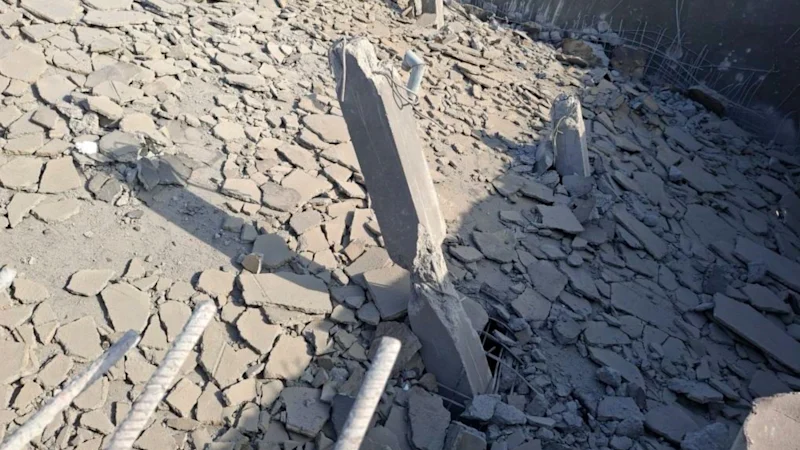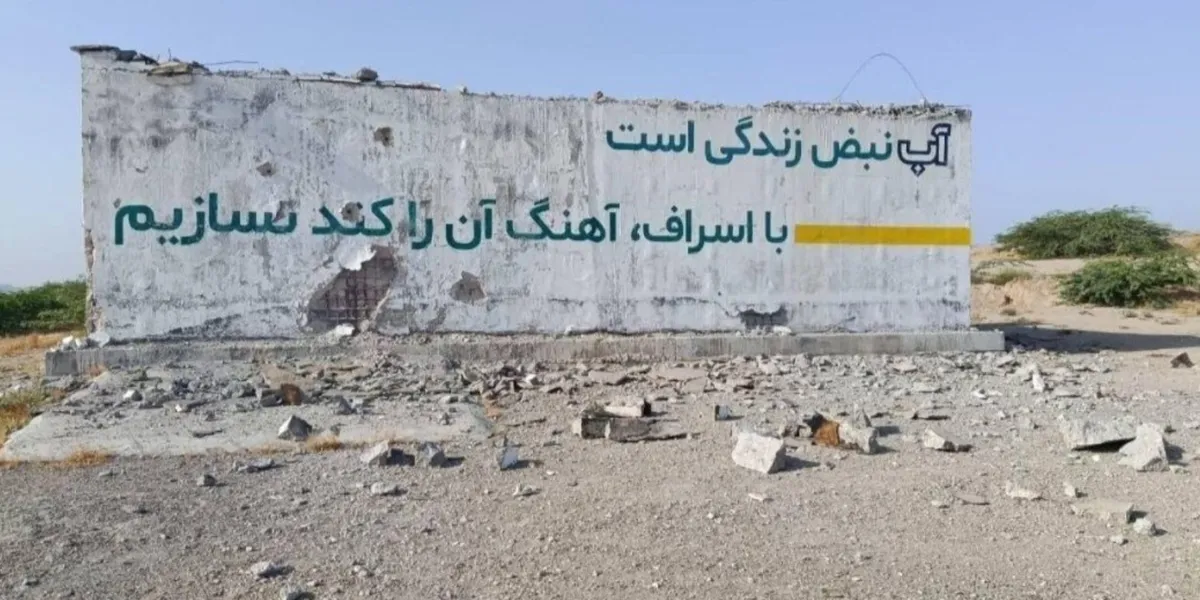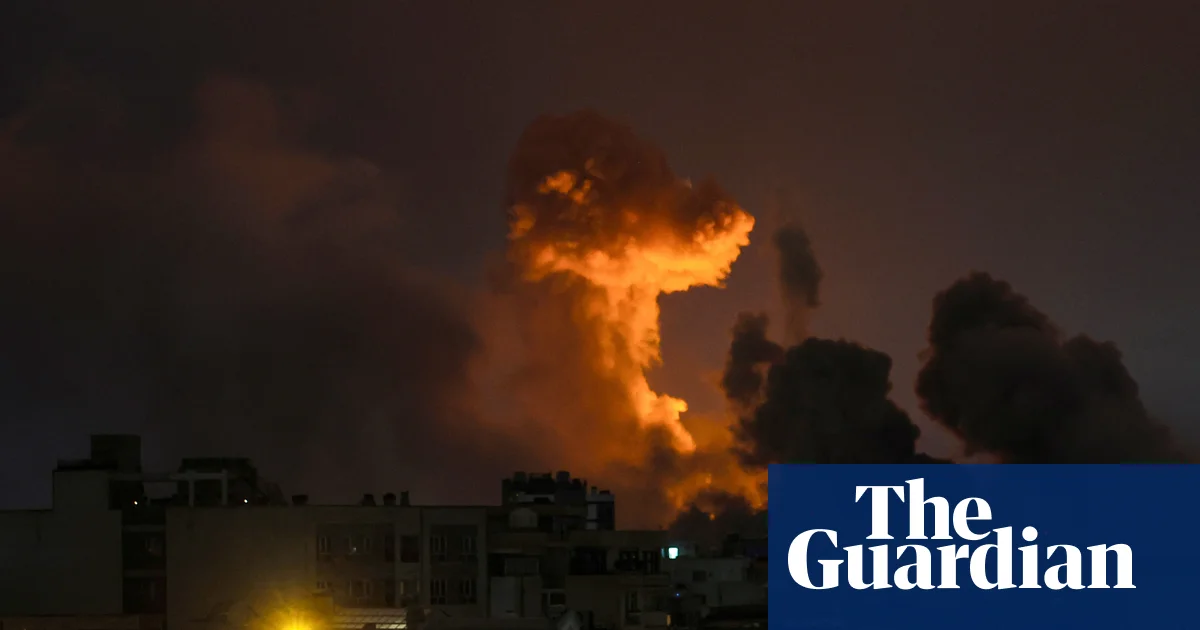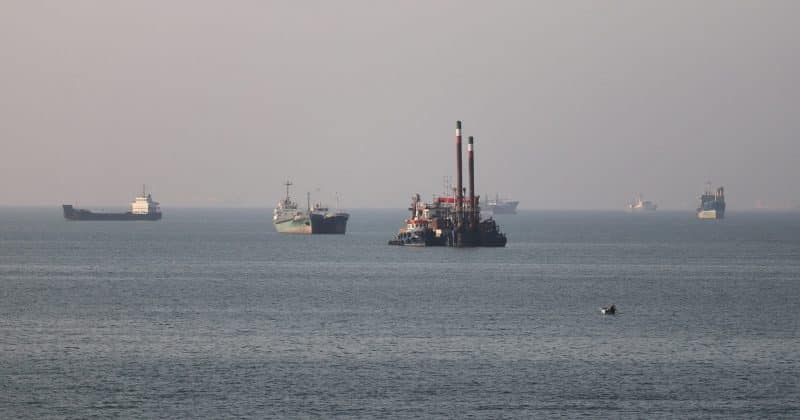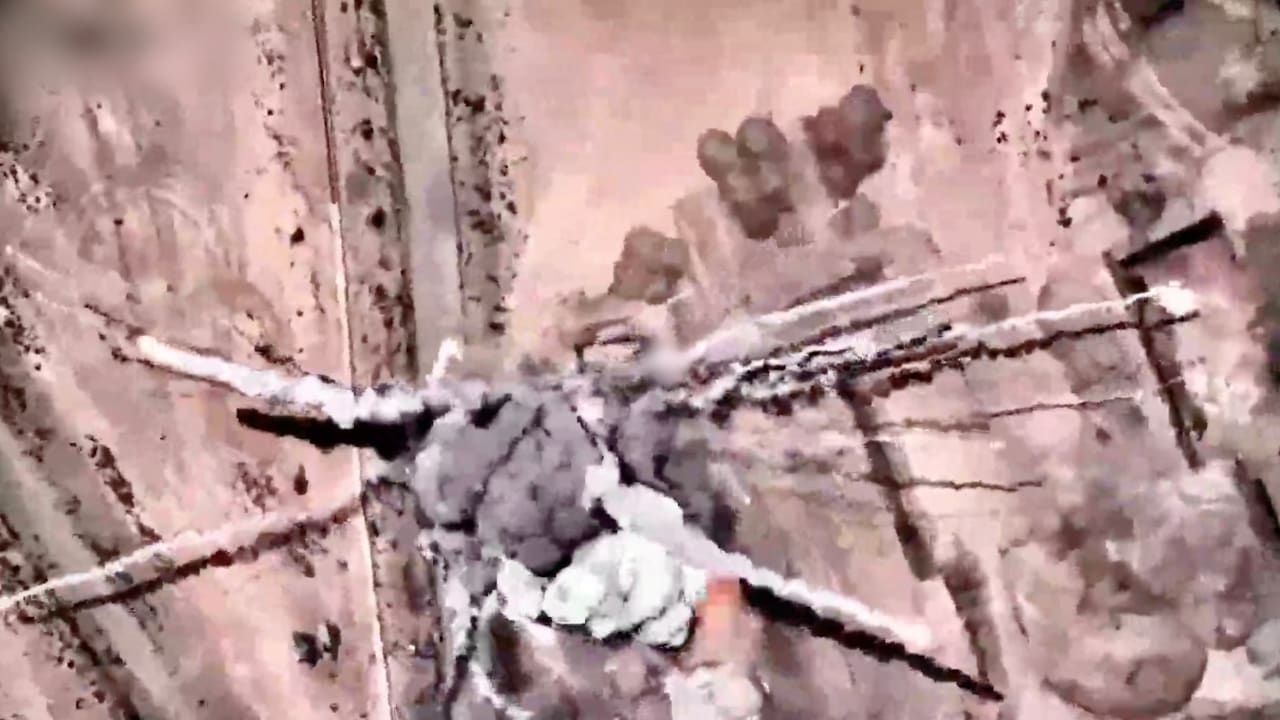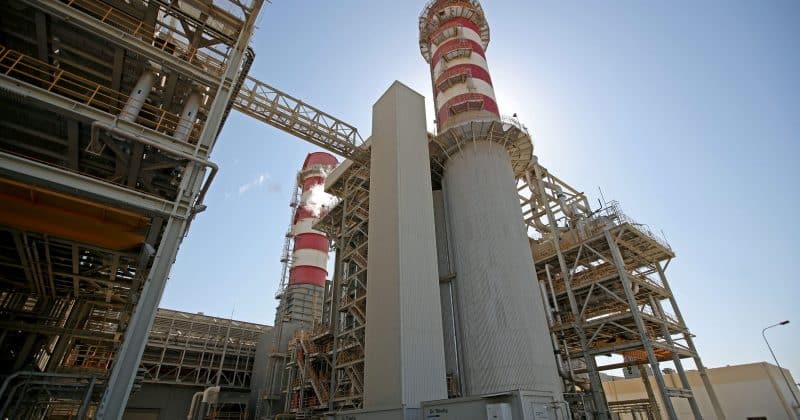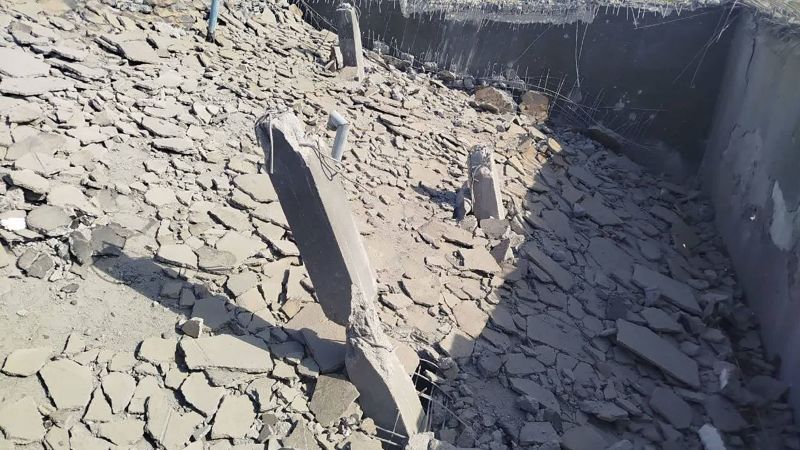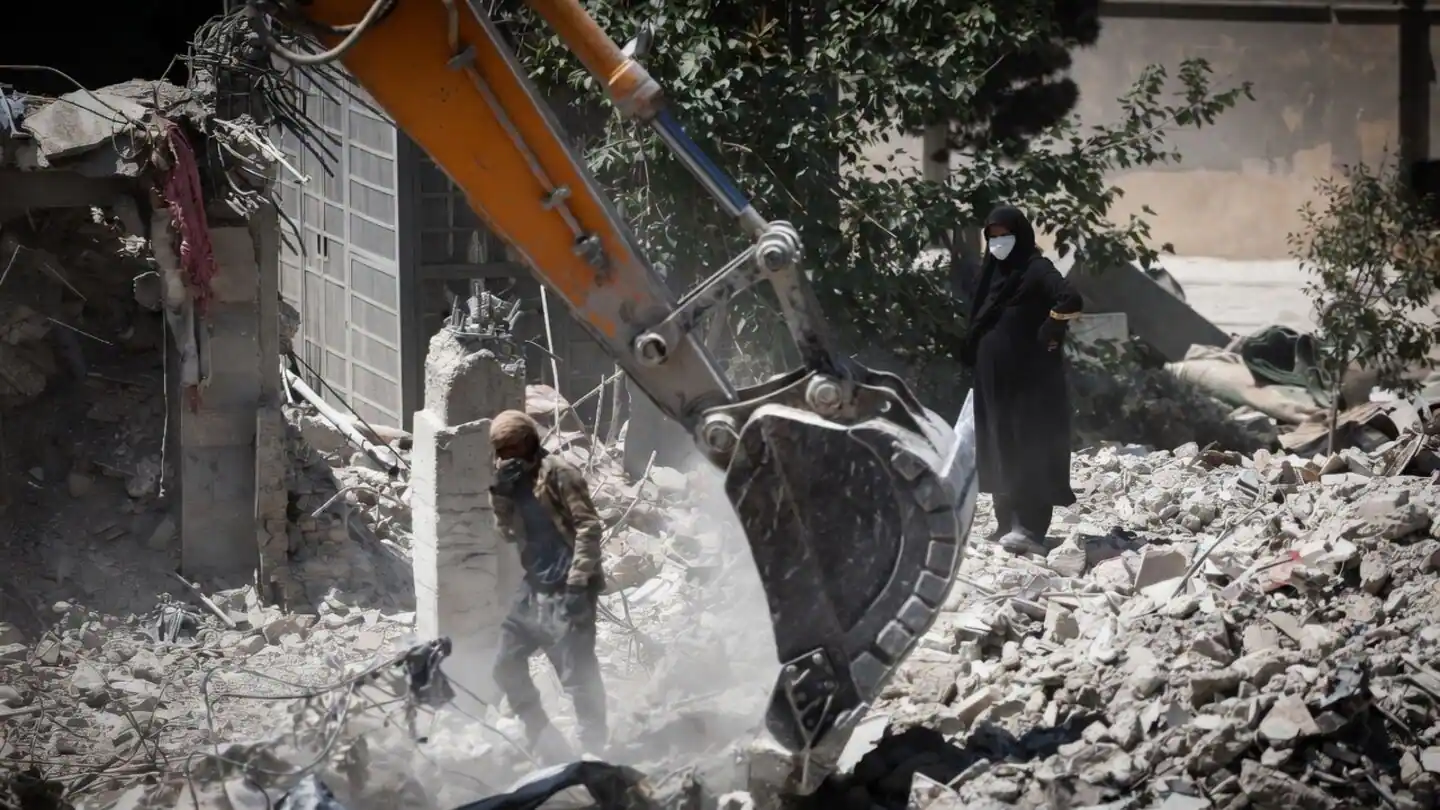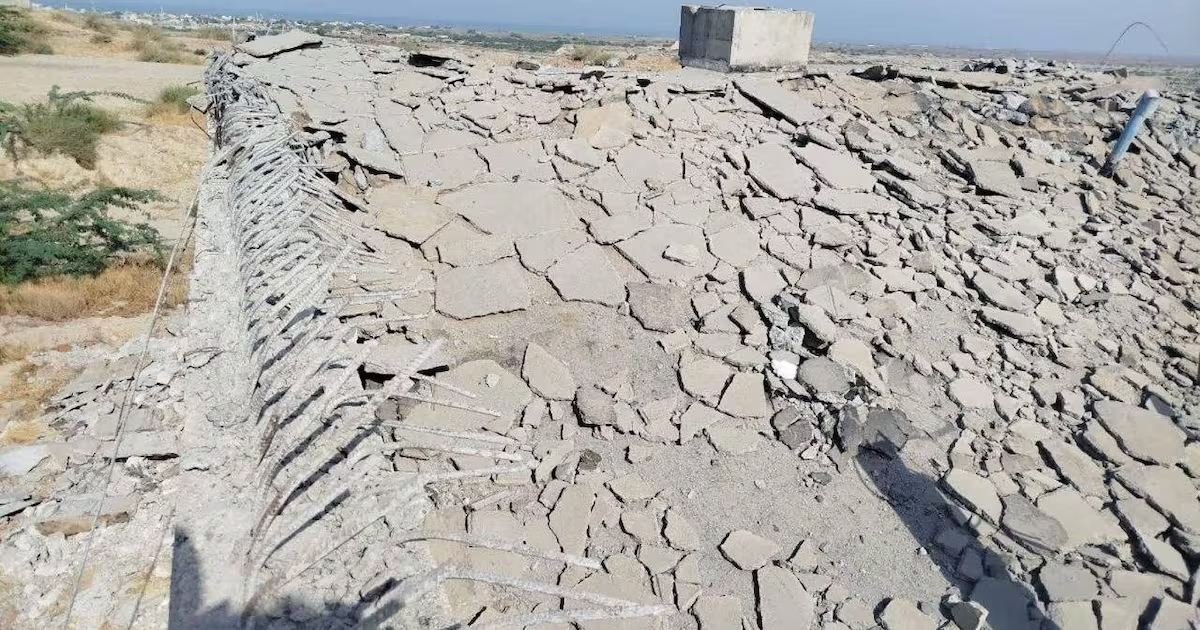
US aircraft are reported to have destroyed two drinking water storage facilities in the Bemani district of southern Iran, near the Strait of Hormuz, halting the flow to more than 20,000 people. The US Central Command said in a post on X that it had conducted attacks near the strait on Wednesday “with precision munitions from US Air Force and Navy fighter jets”.Why are these strikes on water facilities important? Deliberately targeting civilian infrastructure could constitute a war crime under international law. It is unclear if the US intentionally struck the water facilities, or knew what was in the buildings.Has the US claimed responsibility for the attack?In a text message, a US Central Command spokesman said he was aware of reports of damage at the facility, but did not elaborate. What evidence was recovered from the site?The Tasnim news agency in Iran said fragments were identified as a GBU-39 bomb by experts at the Open Source Munitions Portal, a database of weapon fragments identified in conflict zones. Photographs of the main building show a hole in the roof and limited debris scattered nearby. This is consistent with damage inflicted by this bomb. What is the GBU-39?The GBU-39 Small Diameter Bomb is a 113.4kg precision-guided aerial bomb produced and deployed by the US. It is launched by aircraft and is GPS assisted to enable it to glide towards its target.A photograph released by Iranian media of what is described as the damaged water storage tank in Bemani. The image's location and timing was verified by The New York Times How did Iran handle the results of the strikes?According to provincial water authority chief Abdulhamid Hamzehpour, residents were supplied with water by mobile tankers for 12 hours until a new line bypassing the damaged tanks was built. Has water become a weapon of war in this conflict?Tehran claimed that the US targeted an Iranian desalination plant on Qeshm island in the south of the country in an air strike in March. This affected the water supply to about 30 villages, according to Iranian authorities. Iran responded with drone strikes on a Bahraini desalination plant, which was damaged but continued to function. Iran has also been accused of targeting the United Arab Emirates’ Fujairah water and power complex and Kuwait’s Doha West desalination plant. Both were damaged by debris from intercepted drones or missiles.What would be the impact of wide-scale attacks on waterworks in this arid region?The effect would be catastrophic. In Kuwait and Bahrain, desalinated water accounts for 90 per cent of drinking water. Desalination plants provide 86 per cent of drinking water in Oman, 70 per cent in Saudi Arabia, 42 per cent in the United Arab Emirates, 99 per cent in Qatar and 80 per cent in Israel.Why has the US renewed military strikes on Iran, violating the truce agreed in April?The US said it was responding after a US military helicopter flying near Hormuz was shot down on Tuesday. It said it had targeted Iranian air defence facilities, ground-control centres and radar near Hormuz. In retaliation, Iran struck US bases in Kuwait, Bahrain and, for the first time, Jordan.
The US has reportedly hit an Iranian water facility. Is it a war crime?
It remains unclear if the US intentionally struck the water facilities in the Bemani district of southern Iran, or knew what was in the buildings
520 words~2 min read