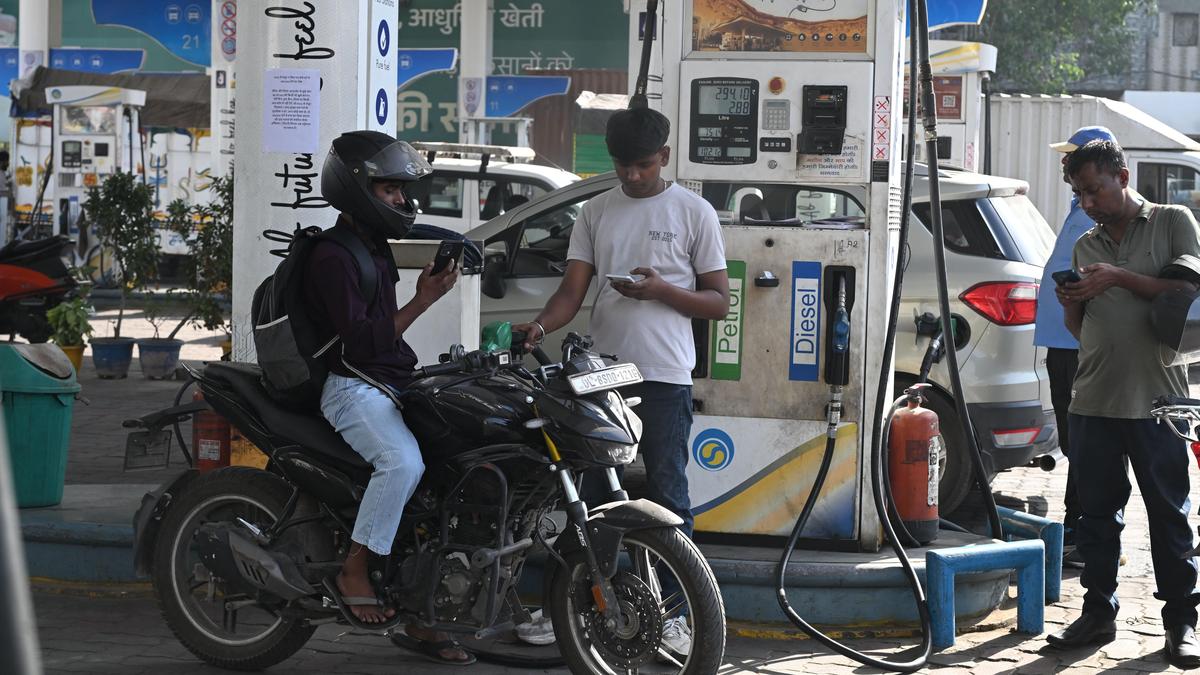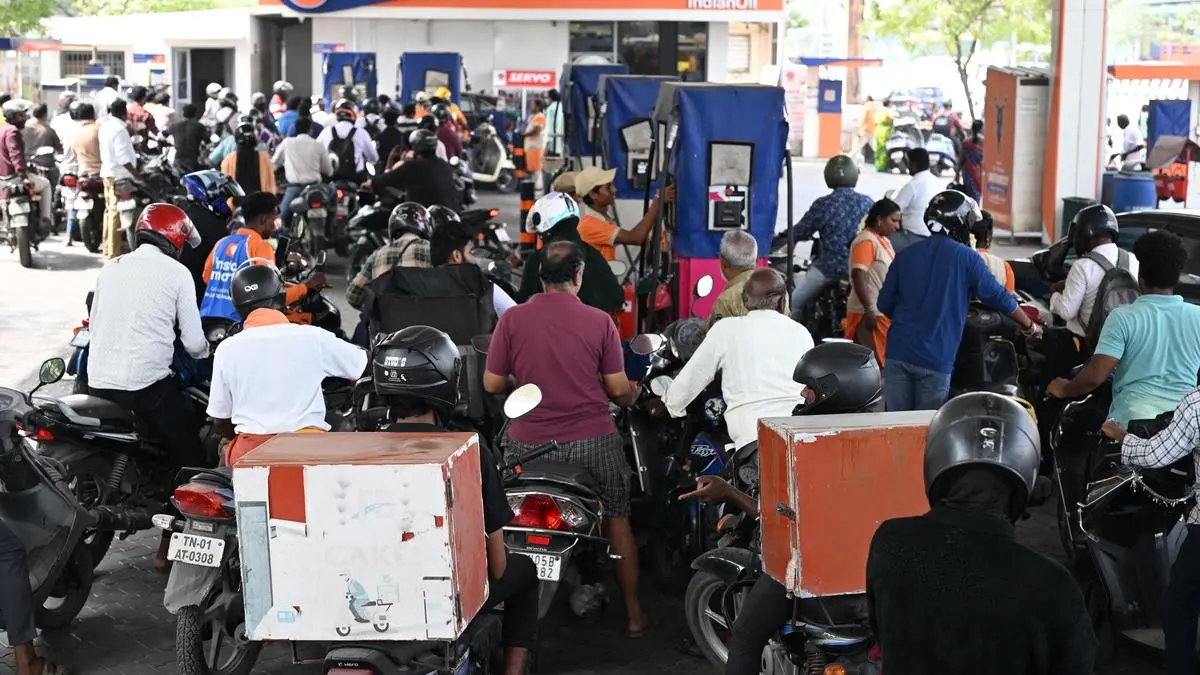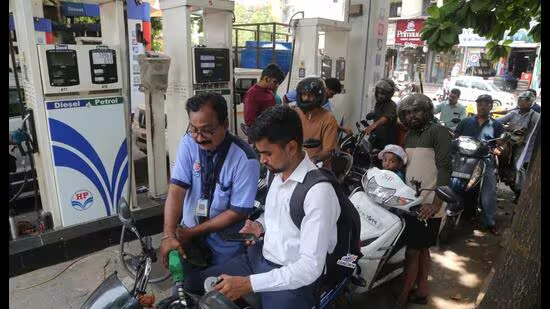
Mumbai: Even as the Centre has urged states to cut Value Added Tax (VAT) on petrol and diesel to shield consumers from rising fuel prices, Maharashtra is unlikely to follow suit, with officials citing the state’s fragile finances and heavy dependence on fuel taxes for revenue.Thane, India - May -15 2026: Petrol and diesel prices have been increased across the country from midnight yesterday. Oil companies have implemented a hike of around ₹3 per litre in fuel prices. Approximate new fuel rates in Mumbai and Thane: Mumbai Petrol: ₹106.68 per litre Mumbai Diesel: ₹93.29 per litre Thane Diesel: ₹93.52 per litre The main reason behind the price hike is the rise in crude oil prices in the international market due to tensions in the Middle East. In particular, the situation around the Strait of Hormuz has affected global oil supply ,in Thane ,in Mumbai, India, on, Friday, May -15 2026. ( photo by Praful Gangurde / Hindustan Times )Senior finance department officials said any reduction in VAT on petrol and diesel would significantly dent the state’s revenues at a time when Maharashtra is grappling with a projected revenue deficit of more than ₹40,500 crore and a debt burden expected to exceed ₹11 lakh crore in FY 2026-27.The Centre had appealed to states to reduce VAT on petroleum products after slashing excise duty on petrol and diesel by ₹10 per litre. The move came amid a recent rise in fuel prices triggered by the conflict in Iran, which has pushed up crude oil prices and stoked inflationary concerns.Maharashtra currently levies 25% VAT on petrol along with a cess of ₹5.12 per litre, resulting in a tax burden of over ₹25 per litre. This is among the highest in the country, second only to Telangana, which levies 35.2% VAT on petrol. Neighbouring states such as Karnataka, Gujarat and Goa impose VAT ranging from 13.7% to 29.84%, along with applicable cess, but their overall tax burden remains lower than Maharashtra in absolute terms.“Our expected revenue from VAT on petrol and diesel is more than ₹65,000 crore, accounting for around 13% of the state’s projected tax revenue of ₹5.14 lakh crore in FY26-27. Any reduction in VAT would place a significant burden on the exchequer,” said a senior Finance Department official. While Maharashtra reduced VAT on Aviation Turbine Fuel (ATF) by 11 percentage points last month, bringing it down to 7%, officials said a similar concession on petrol and diesel is unlikely because of the much larger fiscal implications. The ATF cut itself is expected to cost the state around ₹600 crore revenue loss annually.Officials noted that after the introduction of the Goods and Services Tax (GST), VAT on petroleum products and liquor remains among the few major sources of the state’s own tax revenue.Petrol Dealers Association president Chetan Modi, however, said motorists deserve relief. He suggested at least a 5% reduction in VAT, arguing that the state is already earning higher revenues because VAT is levied as a percentage of fuel prices.“The government can always restore the higher rate once geopolitical tensions ease and crude oil prices stabilize,” he added.According to state officials, Maharashtra’s fiscal deficit is projected at ₹1.50 lakh crore in FY27. The proposed farm loan waiver, estimated to cost about ₹35,000 crore, and annual expenditure of nearly ₹29,800 crore on the Ladki Bahin scheme are expected to further strain finances, raising concerns about its ability to fund development projects without taking on more debt.
Despite Centre’s appeal, Maharashtra unlikely to cut VAT on petrol, diesel amid strained finances
Senior finance department officials said any reduction in VAT on petrol and diesel would significantly dent the state’s revenues at a time when Maharashtra is grappling with a projected revenue deficit of more than ₹40,500 crore | Mumbai news
574 words~3 min read