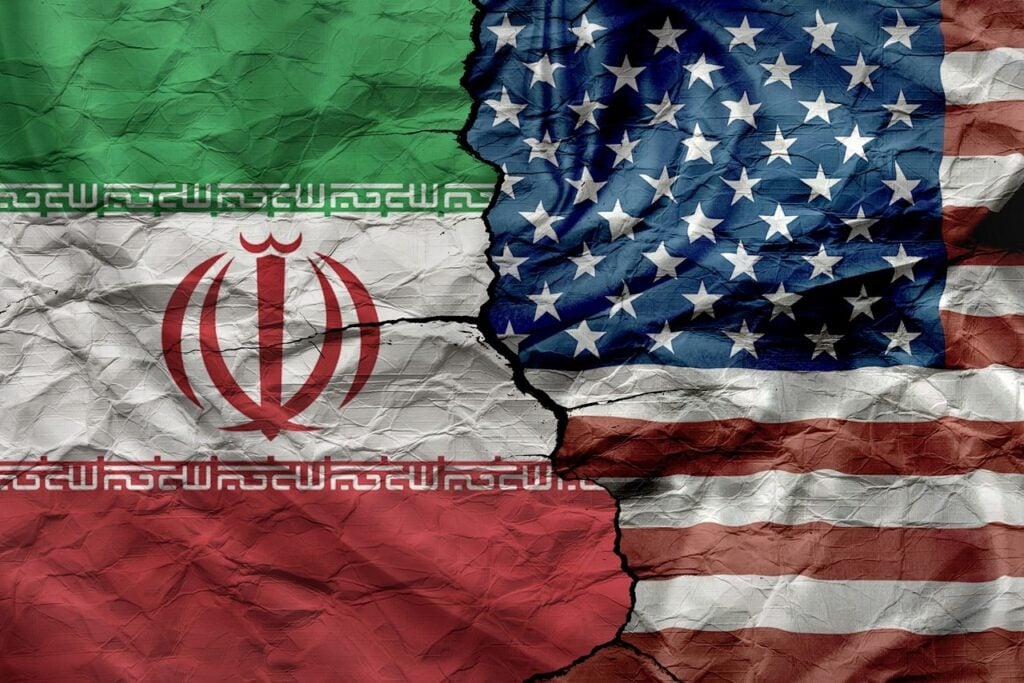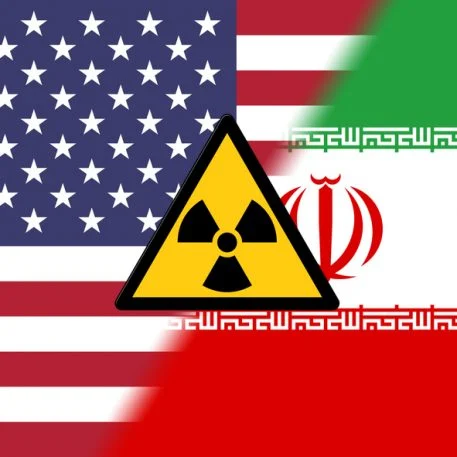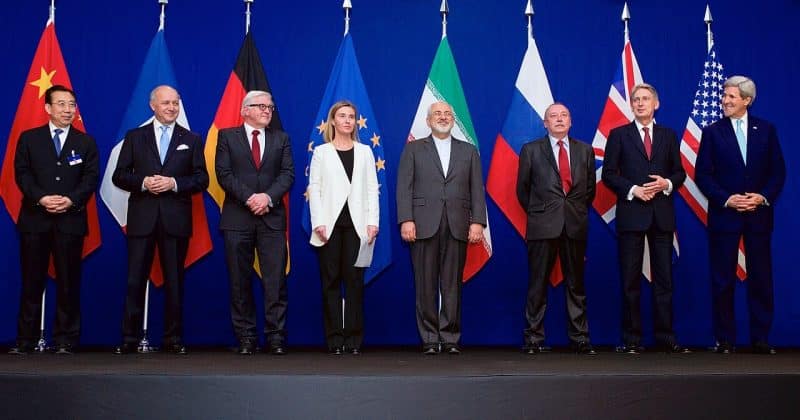
Less than two weeks ago, Polymarket traders were betting on peace. The odds of a permanent US-Iran deal landing before July sat above 75% on May 23. Now those same odds have cratered to roughly 27%, a collapse that tells you everything about how quickly geopolitical optimism can evaporate.
The culprit is familiar: Iran’s nuclear program. Specifically, Iran’s refusal to halt uranium enrichment, with stockpiles reportedly enriched to nearly 60% purity, has drained whatever confidence traders had built up over the preceding weeks.
From optimism to reality check
The trajectory here is worth understanding. Earlier this year, prediction markets had priced in a 67% to 74% likelihood of a peace deal materializing by mid-2026. That range reflected a period of cautiously optimistic diplomatic signals, including remarks from former President Trump suggesting negotiations were progressing.
The Wall Street Journal flagged the sharp downturn on June 2, noting the dramatic repricing as a reflection of growing skepticism around any near-term resolution.