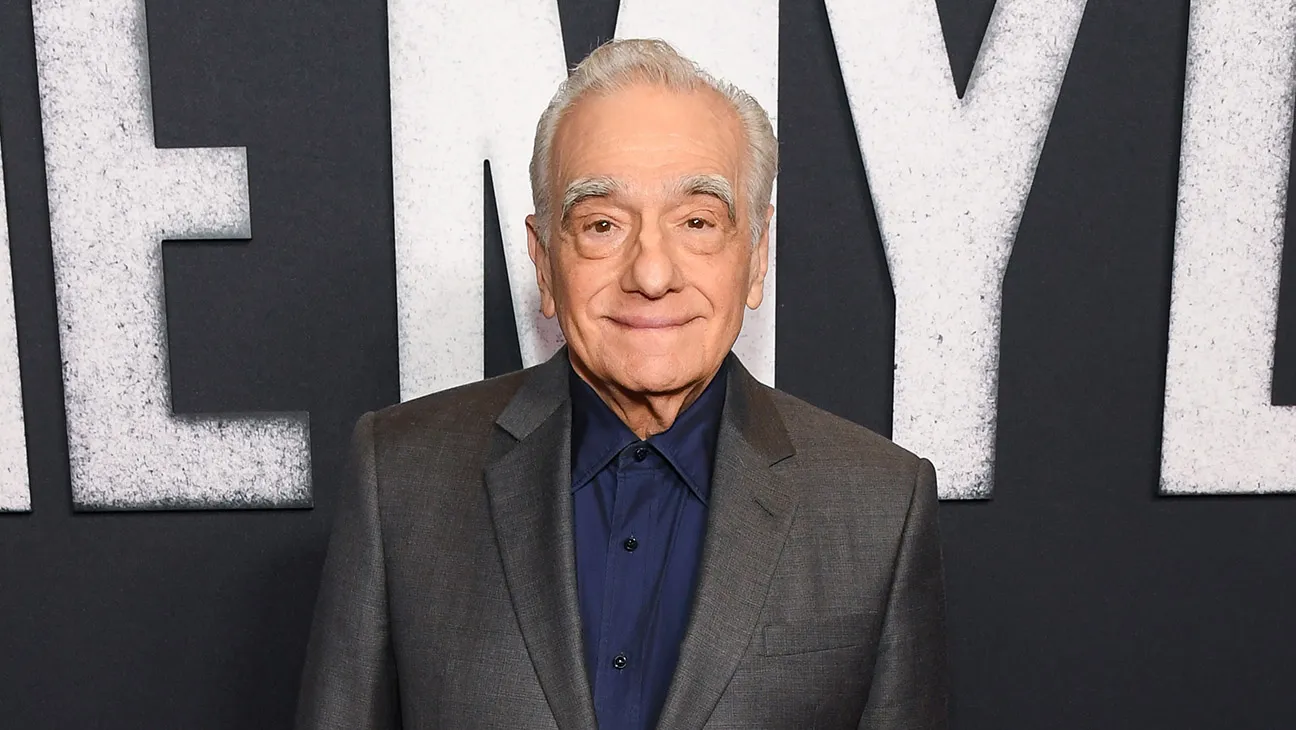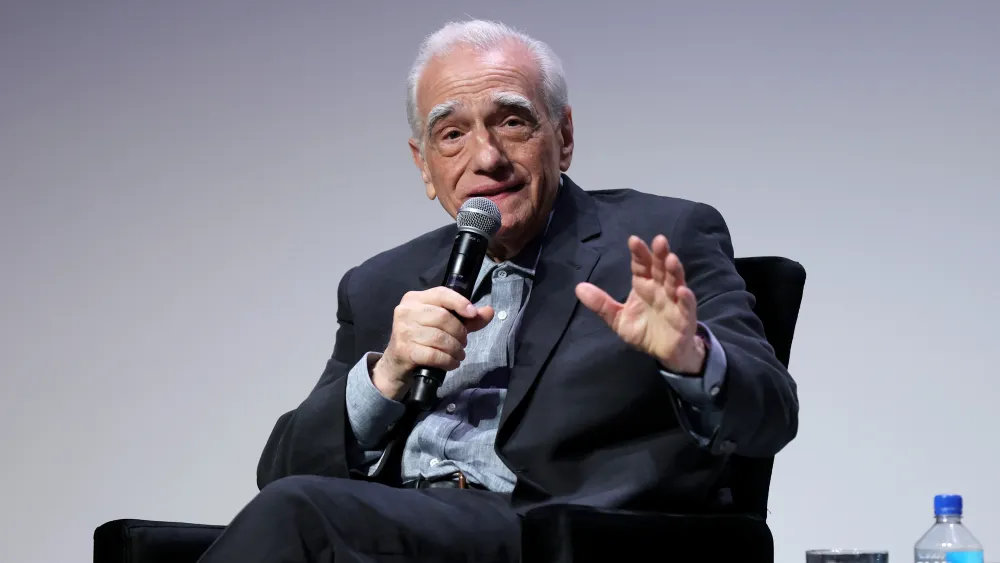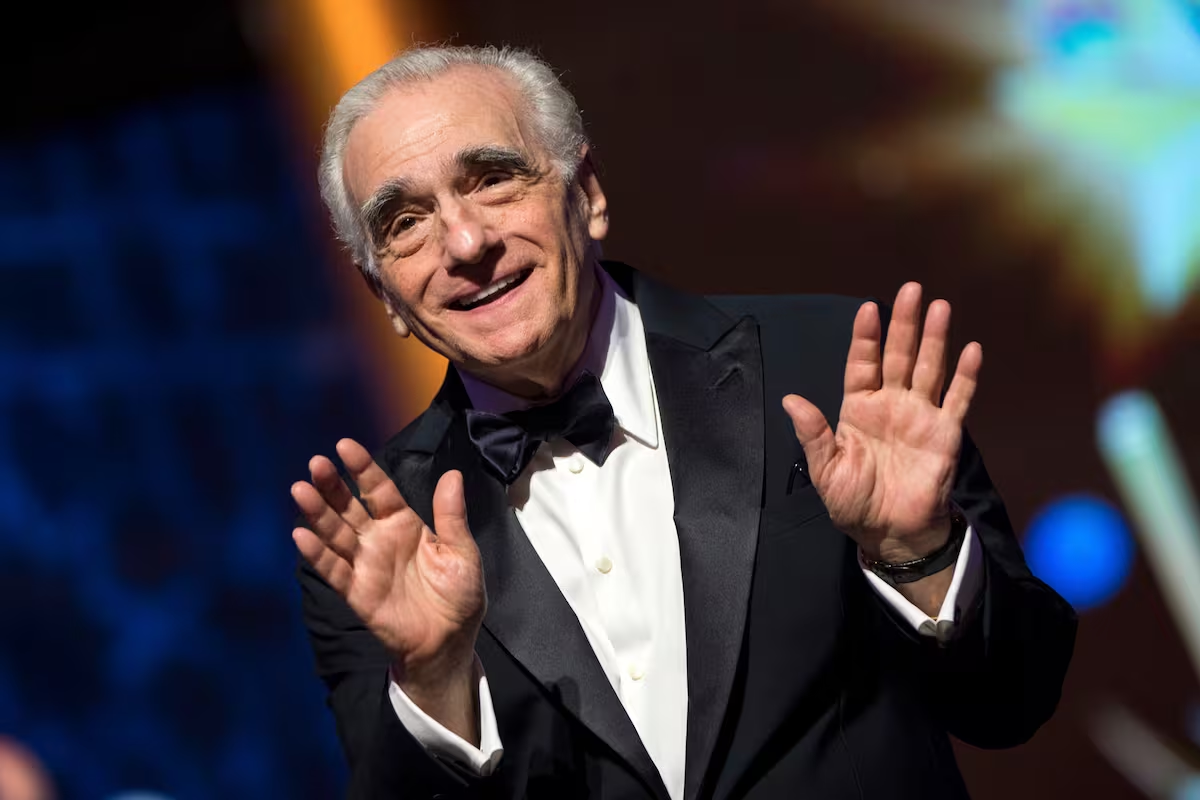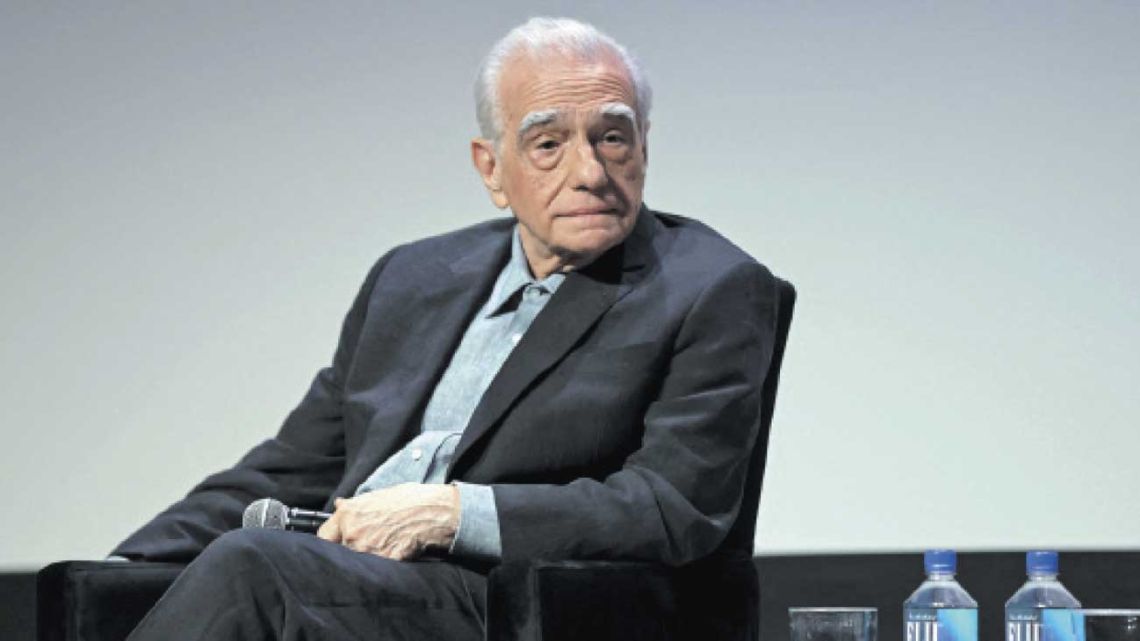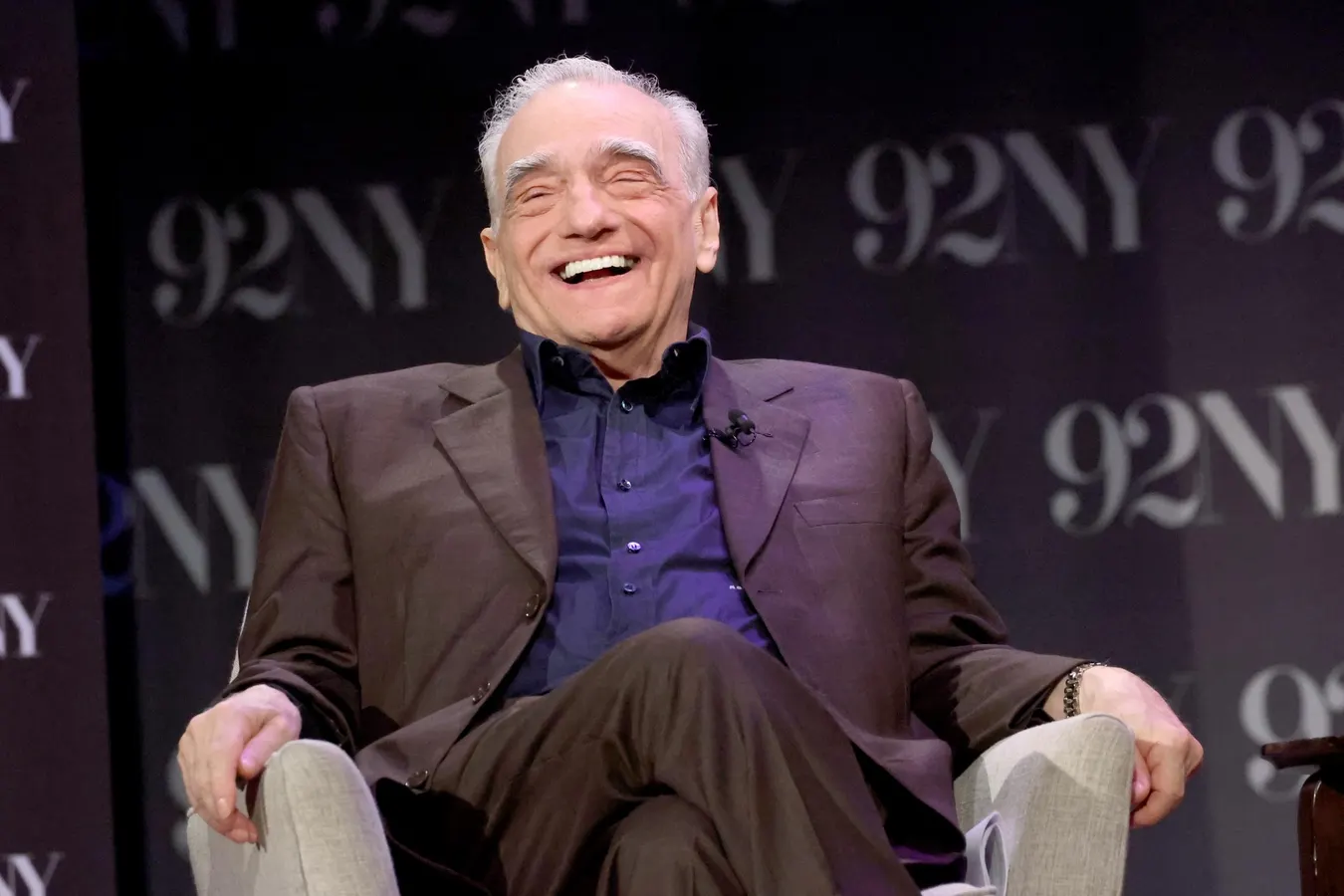
NEW YORK, NEW YORK - JANUARY 25: Martin Scorsese speaks onstage during the TCM Classic Film Festival: New York Pop-Up x 92NY at 92nd Street Y on January 25, 2025 in New York City. (Photo by Mike Coppola/Getty Images for TCM)Getty Images for TCMEarlier today, the Art Director’s Guild, Local 800 of the International Alliance of Theatrical Stage Employees (IATSE) issued a strongly-worded statement in response to legendary director Marin Scorsese over his support for AI technology in motion picture production, calling it a “betrayal of the collaborative nature of cinema.” This is the latest in an escalating war over AI that involves studios, technology companies, and the artists who make the work possible.The Guild’s response is to Scorcese’s statement to the New York Times endorsing an AI company called Black Forest Labs, where he said “I’m interested in the intersection of technology and storytelling, and seeing how that can push the bounds of creativity to create deeper and richer experiences for audience.”One particular application of AI technology that Scorsese mentioned in the statement was around storyboarding, the process of visualizing scenes in a movie using drawings, sometimes by art directors and sometimes by directors themselves. According to the statement, Scorsese said: “For 70 years, I’ve been creating my own storyboards. There’s always been this problem of how do you communicate what you see in your head to your cast and crew. There are some things you have to see and feel. Now with this tool, I can share what I’m visualizing more clearly and efficiently to my creative team — the production designer, art designer and cinematographer. I recently tested this out on a scene, and the ability to visualize and immediately share the storyboard was creatively freeing. During the preproduction process, time costs money, and this allowed us to move faster without sacrificing quality or craft.”This statement drew the ire of the Art Directors Guild, representing the artist and designers whose livelihood depends on their ability to lend their skills to this part of the production process. Earlier today, the Guild released the following statement on social media.MORE FOR YOUStatement from the Art Directors Guild released June 10, 2026Art Directors Guild Statement, via XThe statement is a sign of growing tensions within Hollywood over the use of generative AI technology in production. Proponents point to the ways it reduces costs, simplifies previously complex and time-consuming processes, and brings production capabilities within the reach of smaller teams working on smaller budgets. Critics, including many of the unions who struck studios in 2024 on issues related to AI, fear massive job displacement, collapse of talent pipelines that depend on artisans working their way up from lower-level positions, and inherent flaws in the technology itself.While this conflict is most clear between studios and production personnel, it is also showing up as cracks in the solidarity of the creative unions themselves. Scorsese is a member of the Directors Guild of America, representing television and film directors. While sharing some of the concerns of other production talent, directors have unique interest in issues around creative control over the projects they are engaged in. AI touches on that, but in different ways, as the jobs of directors are not under direct threat from the technology – at least not yet.In 2025 at CES, I reported that “The Directors Guild of America has ongoing negotiations with the studios and quietly inserted new AI-related terms into contracts for members. All these unions managed to carve out important concessions and limitations that help protect showbusiness creatives and give them a say in how AI is being used in their workplace, but the speed with which the industry is moving demands constant vigilance.”At that time, Russell Hollander, National Executive Director of DGA, said “When I hear the word democratization, on one hand, I think, it’s good to take down barriers for creatives. But too often, it means those creators get paid pennies, and if something hits, all the money flows to the tech companies and the platform. It’s not about democracy. Too often, it’s about getting things for free.”The DGA did not immediately respond to requests for comment on this story.In any event, the 85 year old Scorsese, with little to lose at this stage of his career, may be speaking for others in his profession in seeing value in technology that gives directors more control over the look of a film, without the need to consult, collaborate and compromise with fellow professionals. Many directors see those collaborations as opportunities to bring other highly skilled humans into the creative process, but others are probably just as happy to keep as much of it under their personal control as possible.Those attitudes might be shared by others in the craft value chain. Costume designers, for example, might be interested in reducing the role of artists in their end of the business by training costumers to use AI tools for previsualization. Set designers, propmasters and others could also see both time and labor-saving advantages in the tech, even if that comes at the expense of fellow artisans. IATSE, the blanket union covering a range of these crafts, is going to have to manage a lot of competing interests and agendas to maintain a united front.
Art Director Union’s Rebuke To Scorsese On AI Highlights Divisions In Creative Industries
Can Hollywood's creative community stay united in the face of technology that is disrupting their industry?
874 words~4 min read