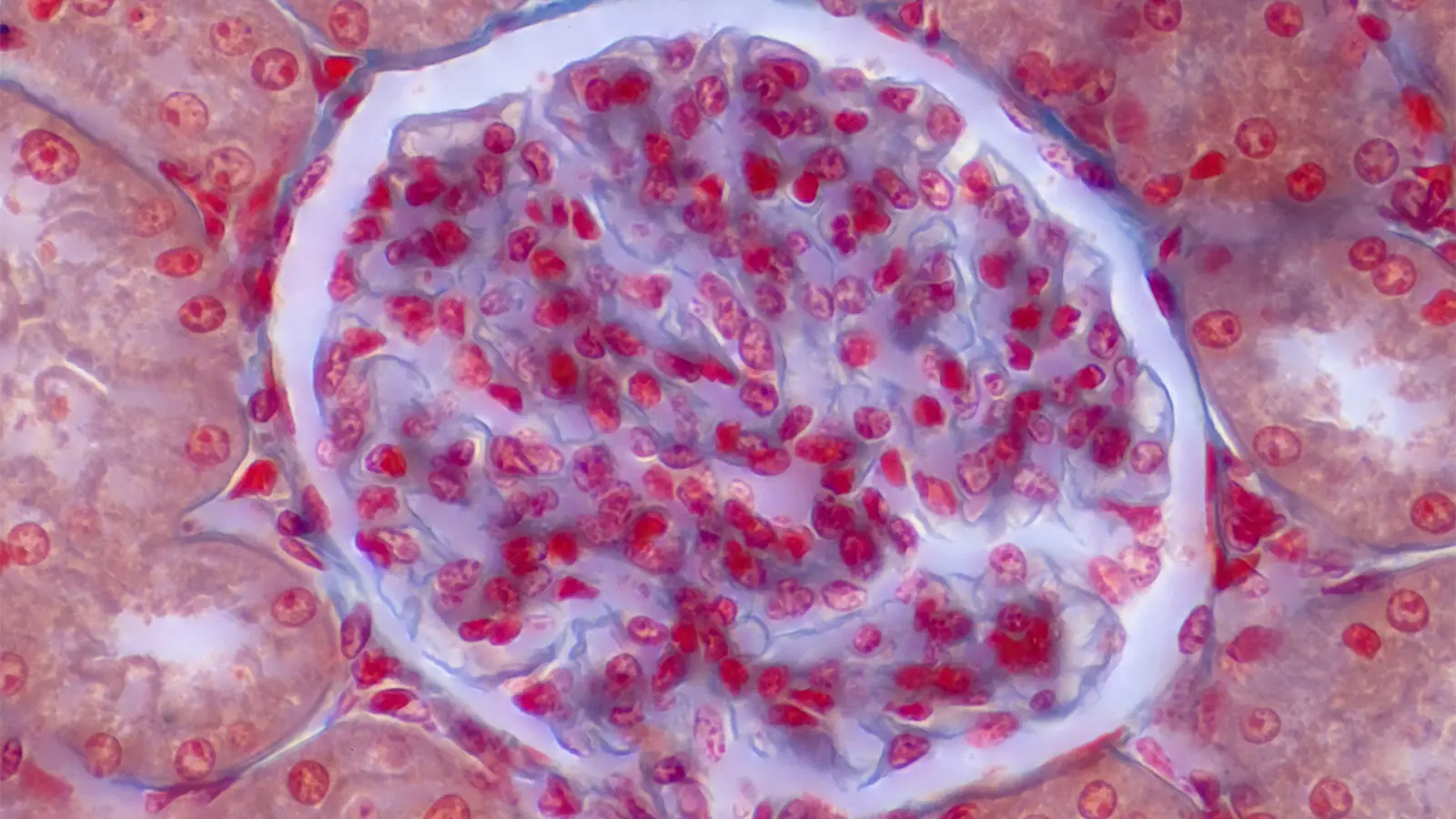
Variants in the apolipoprotein L1 (APOL1) gene are associated with a significant increase in the risk of focal segmental glomerulosclerosis (FSGS), a rare and aggressive kidney disease characterized by scarring of the glomeruli.
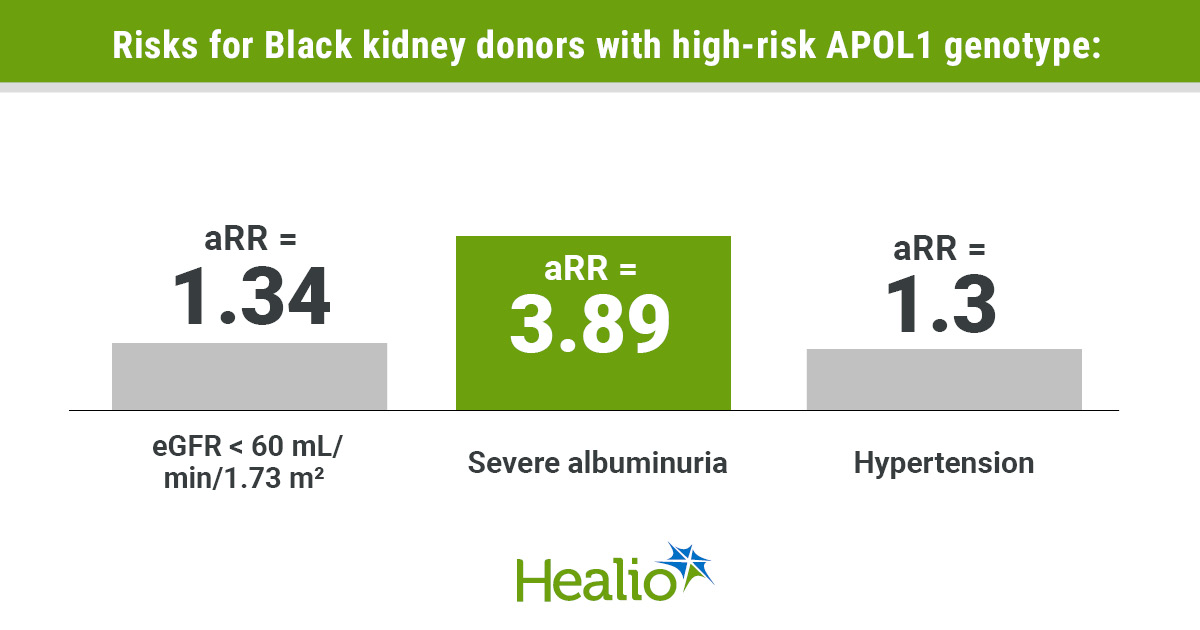
The variants, present only among people of African descent, have also been linked to treatment resistance in FSGS and a significantly elevated risk of progression to end-stage renal disease (ESRD), making early screening vital.
FSGS is categorized into primary, secondary, and genetic subtypes, and the identification of high-risk mutations in APOL1 has reshaped clinical classification and allowed physicians to move toward a more definitive diagnosis in some FSGS cases.
"Accurate identification of the underlying etiology is crucial for guiding treatment decisions, predicting prognosis, and assessing transplant risks," wrote Krishna Baradhi, MD, of the University of Oklahoma in Tulsa, and co-authors in StatPearls.
Higher FSGS Risk With APOL1 Gene