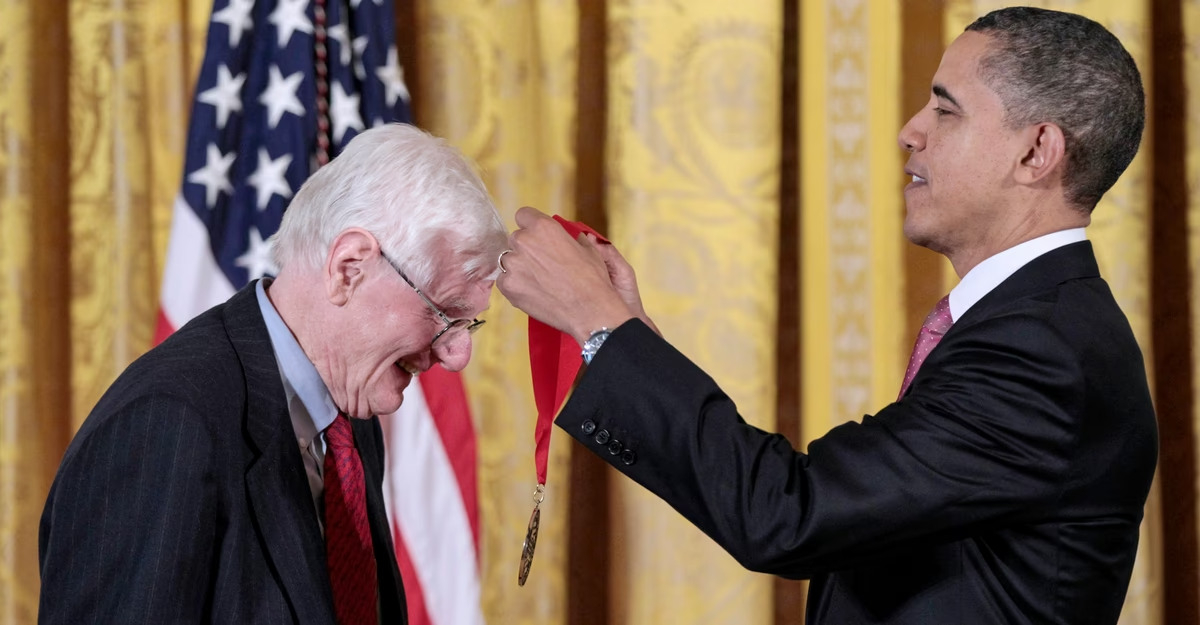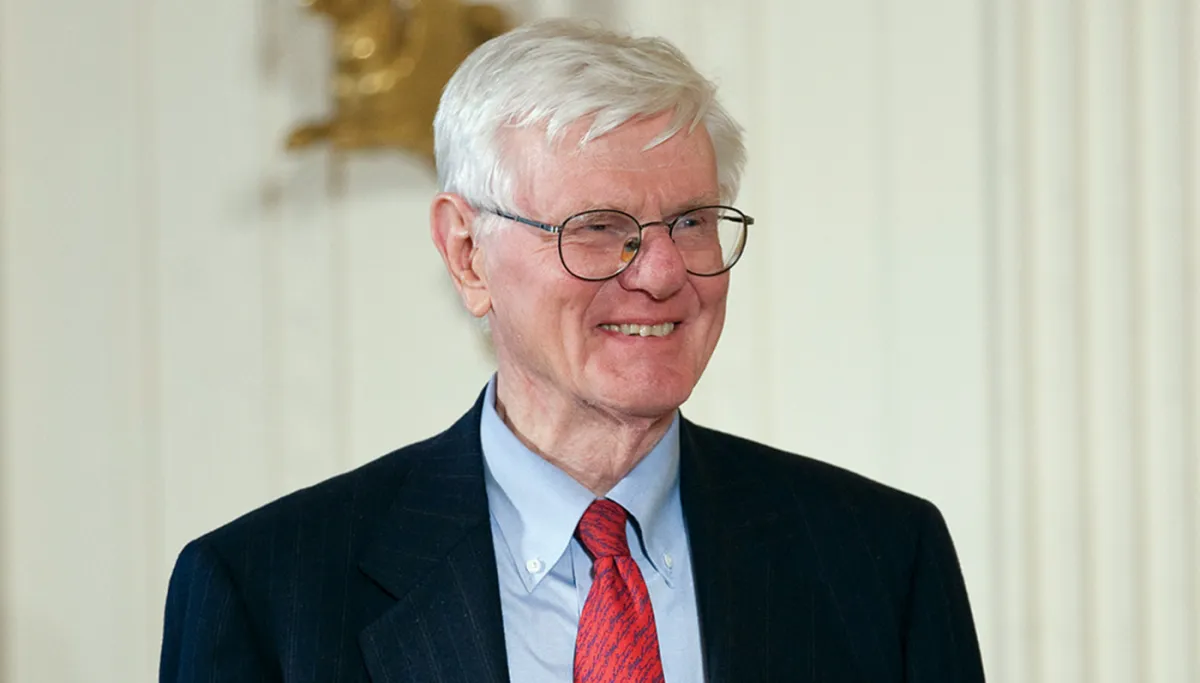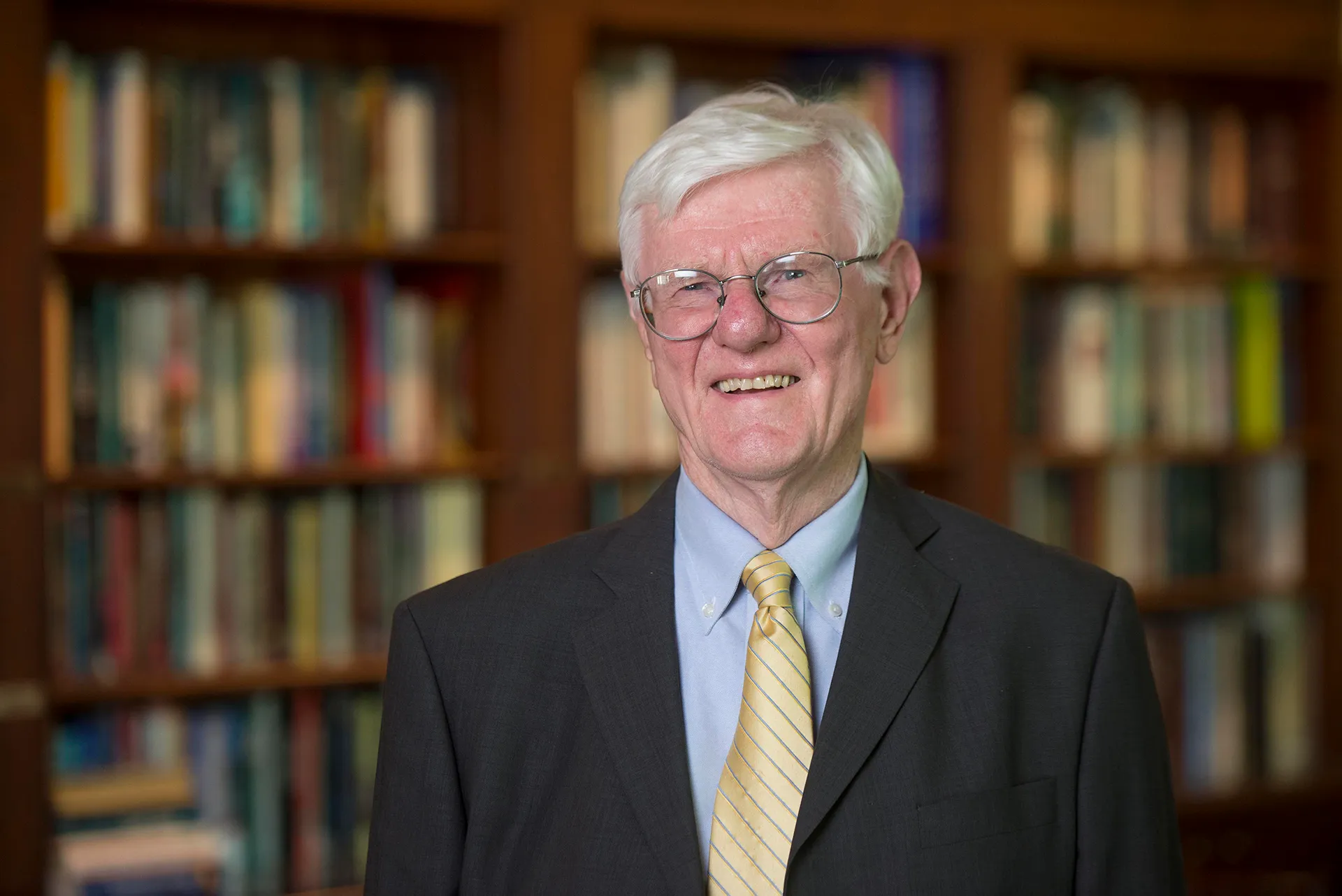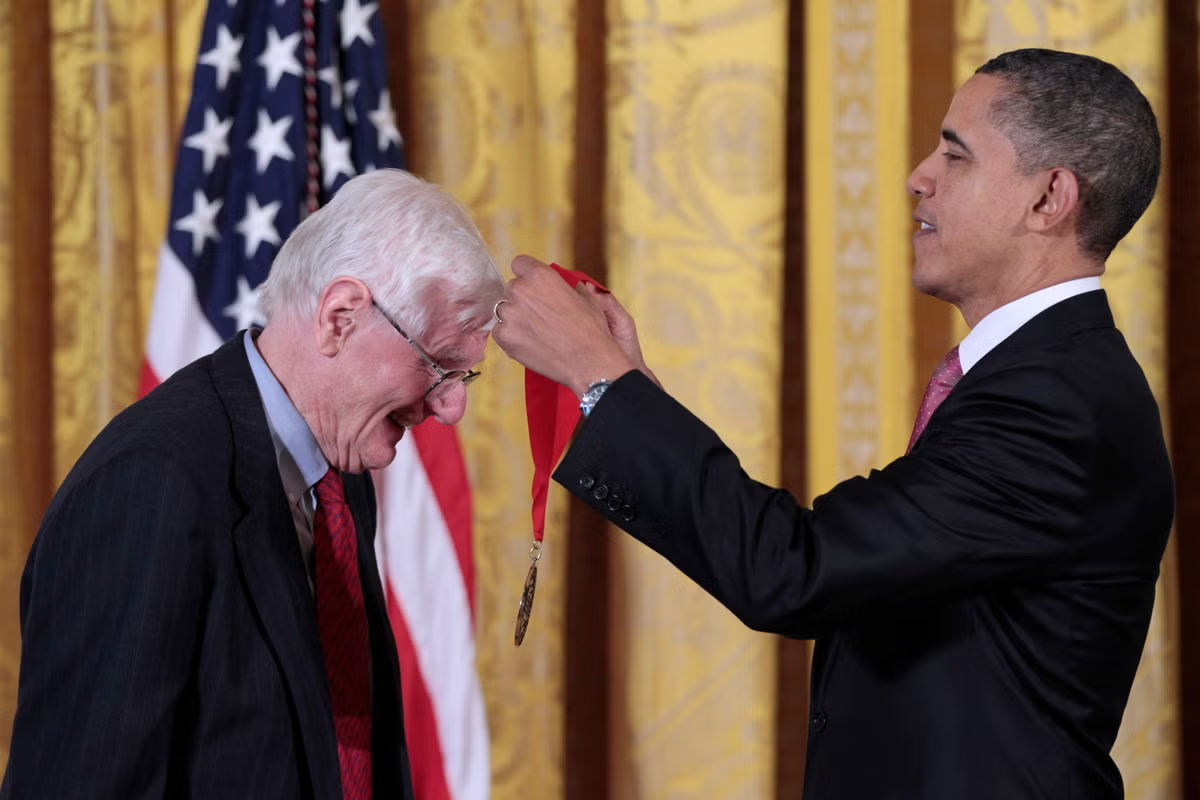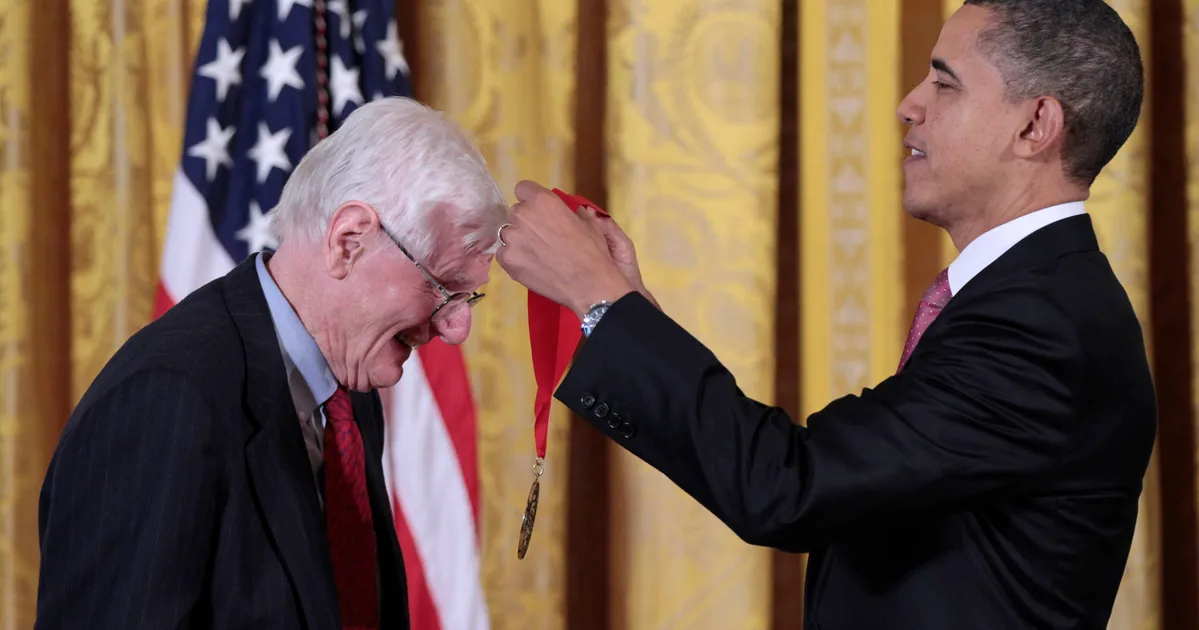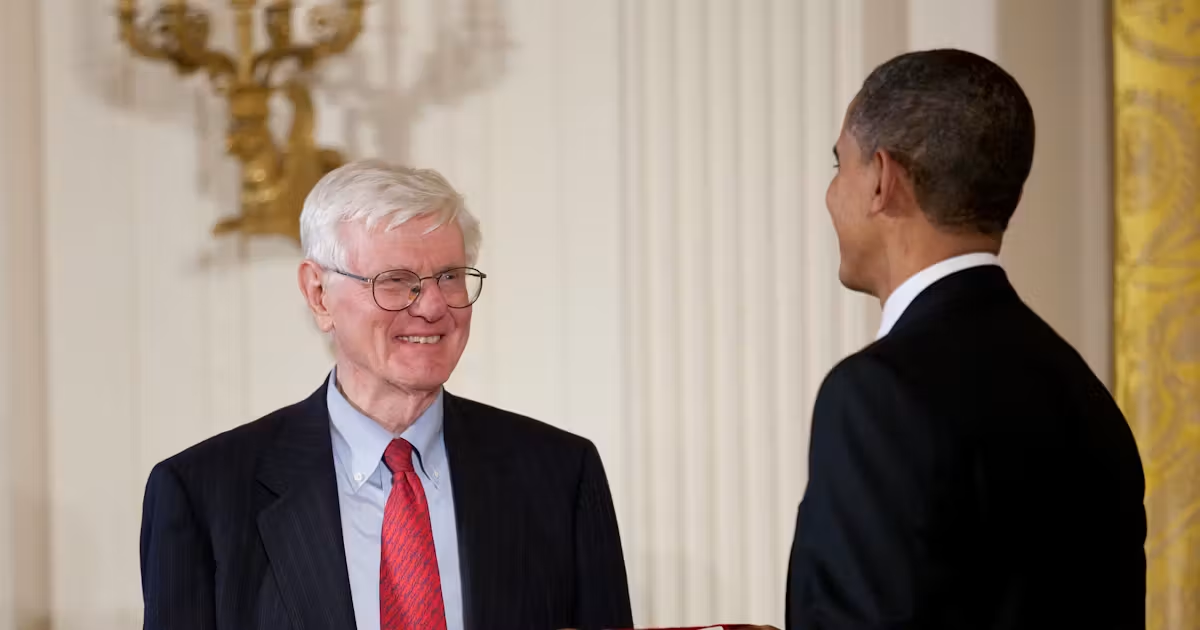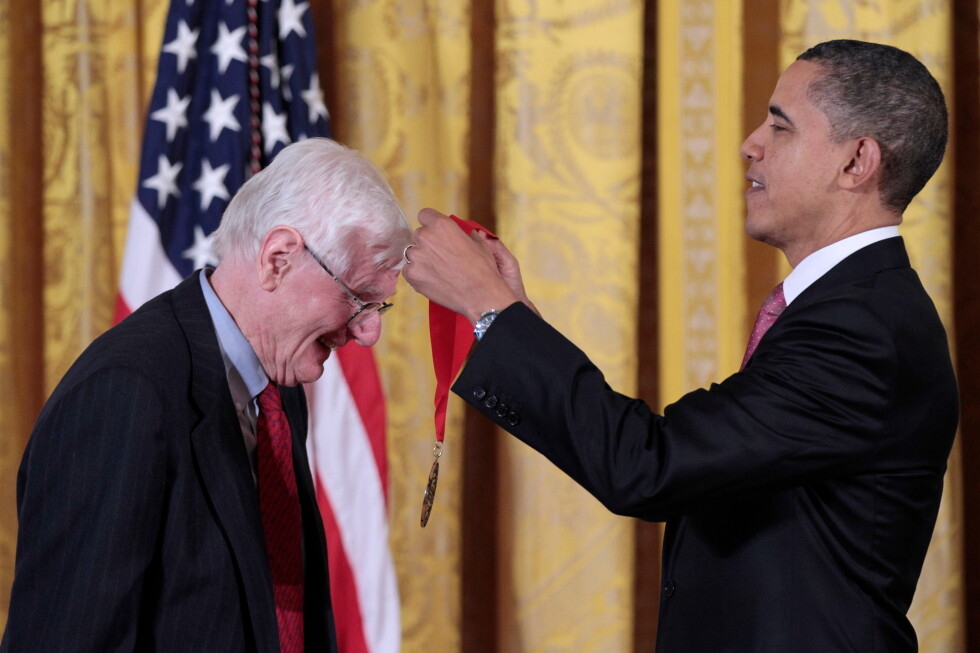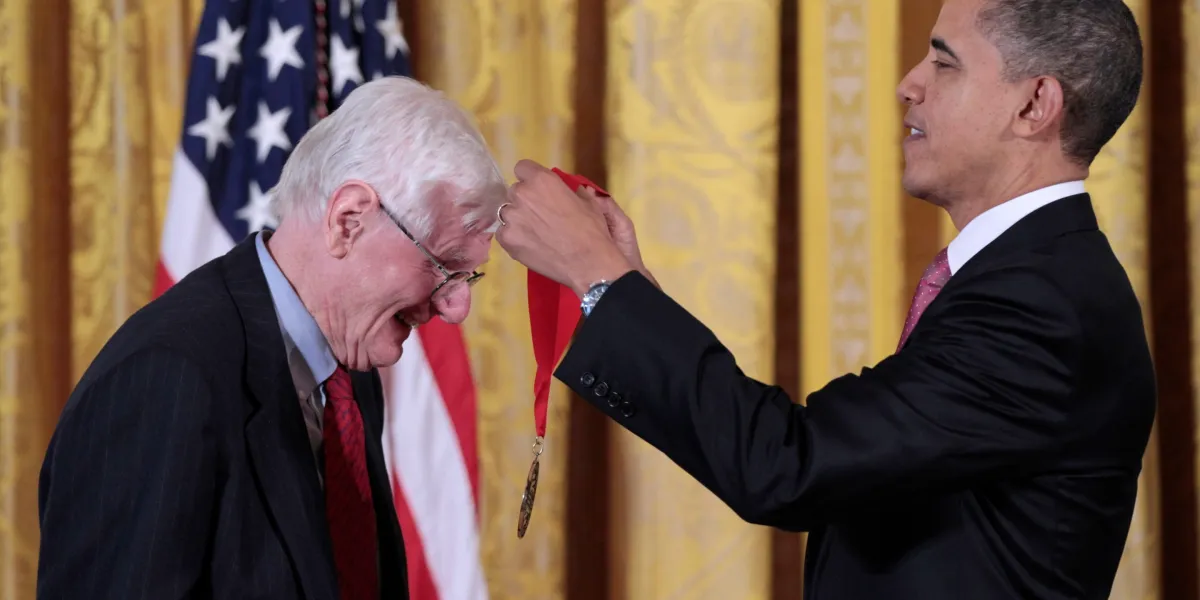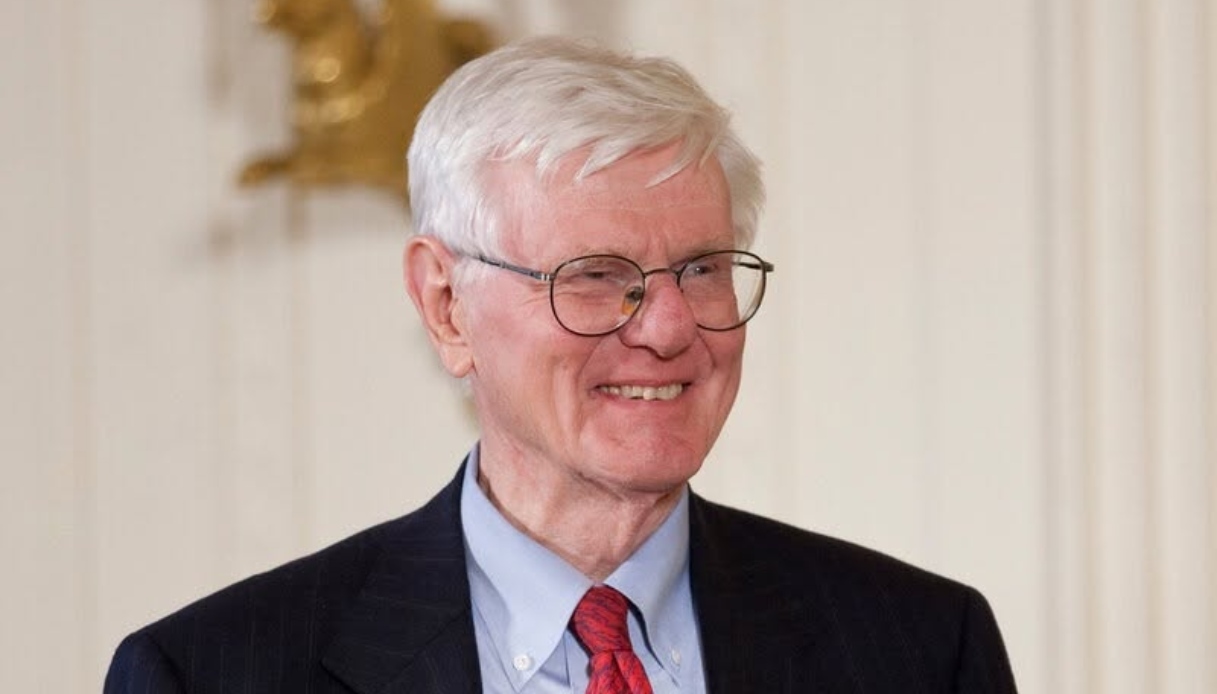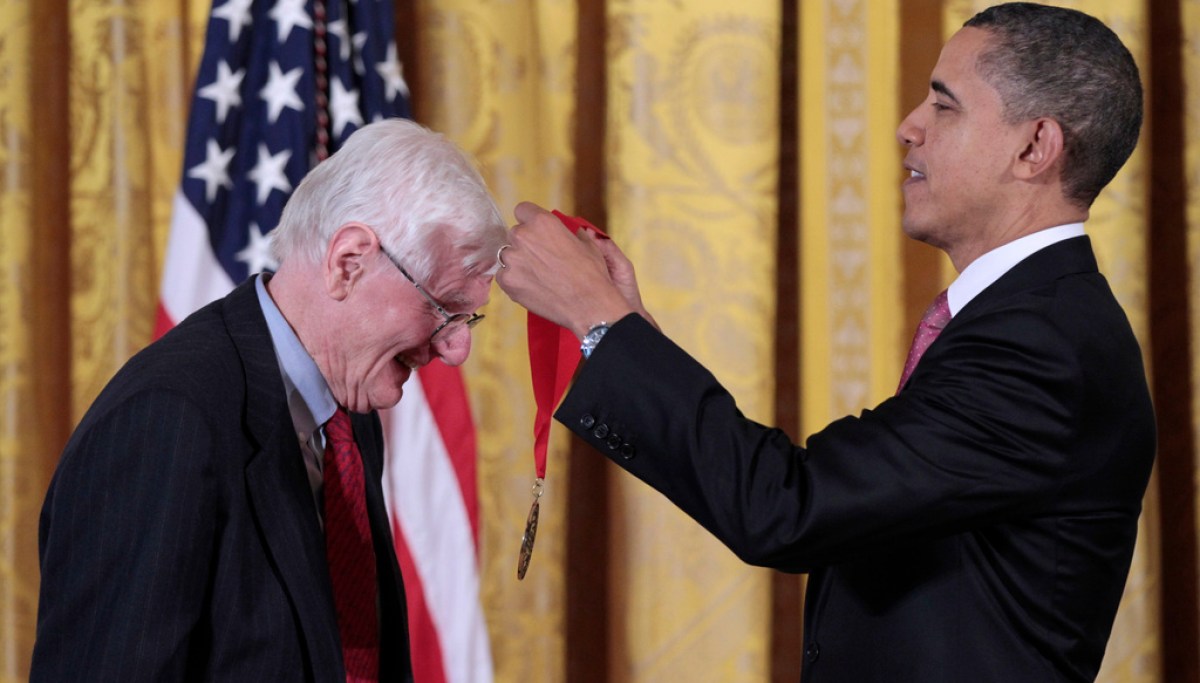
The sudden death of the historian Gordon Wood, just weeks before the celebration of the 250th anniversary of the Declaration of Independence, is one more mark of the closure of a golden age of the historiography of the revolutionary era. It’s an occasion to reflect on the uniqueness, indeed the idiosyncrasy, of the emergence of the primacy of this United States among the nations of the world. As the historian Walter McDougall has pointed out, a catalog of world civilizations in the year 1600 looks, with one exception, much like the world today. There is a prosperous and populous China at one end of Eurasia and a prosperous and populous Europe at the other. There is a bustling Indian subcontinent and a vast and little-visited Africa, and large Euro-indigenous cultures in Mexico and South America.The great difference is the emergence, from what was a sparsely populated and isolated realm, of the great world power of the United States of America.
How this nation emerged, and how it was formed and unified in the pivotal final years of the 18th century, has come to be understood anew thanks to a generation of historians who began their work in the postwar decades more than 50 years ago and continued it into their 90s. Among the pioneers were Gordon Wood, who died this week at 92, and his thesis adviser Bernard Bailyn, who died in 2020 at 97.