Gordon S. Wood, the eminent and prolific scholar who forged a highly influential and sharply debated narrative of the country’s early years of independence through such prize-winning works as “The Creation of the American Republic” and “The Radicalism of the American Revolution,” has died. He was 92.
Wood, a professor emeritus at Brown University, died Sunday after being struck by a car in a supermarket parking lot in East Providence, Rhode Island, according to police.
Author of dozens of books and essays, Wood never gained the mass audience of historians like David McCullough and Doris Kearns Goodwin, but his findings became standard references for discussions about the formation of the U.S. and the legacy of the revolution that continue as the country approaches its 250th anniversary. Many peers regarded the white-haired, mild-looking Wood as the embodiment of the learned, traditional historian, guided by facts rather than ideology.
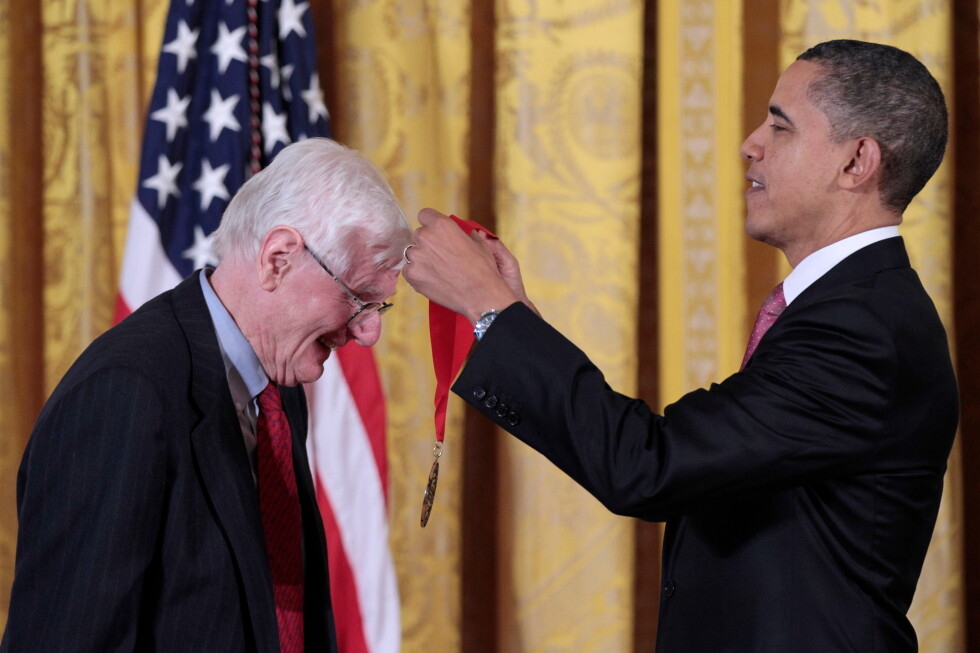
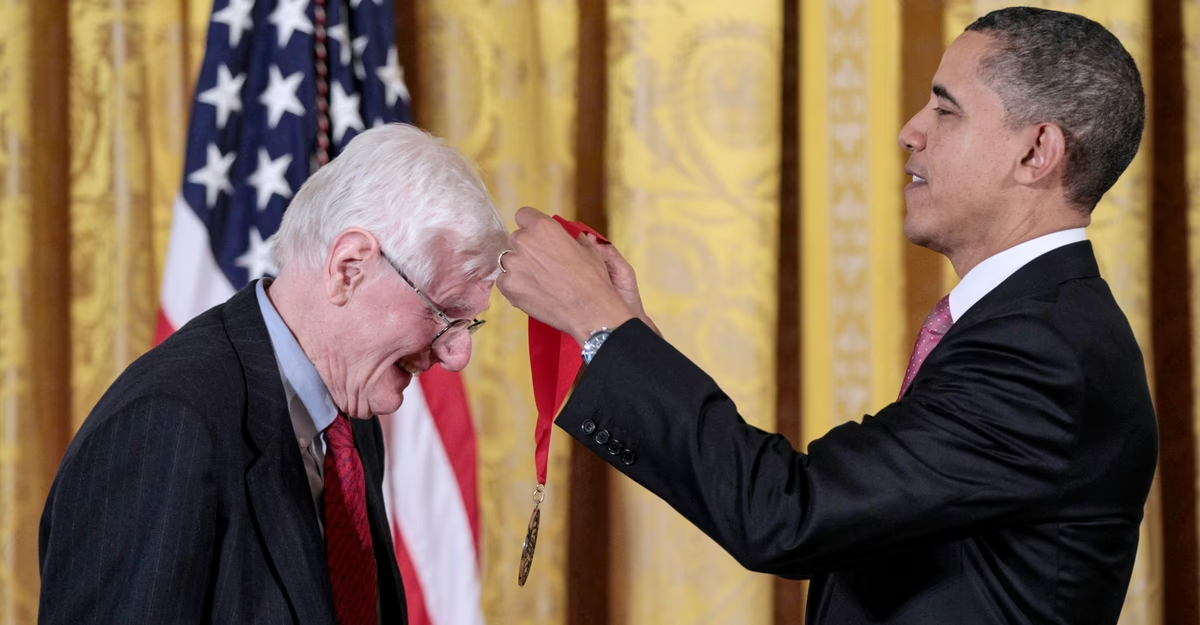
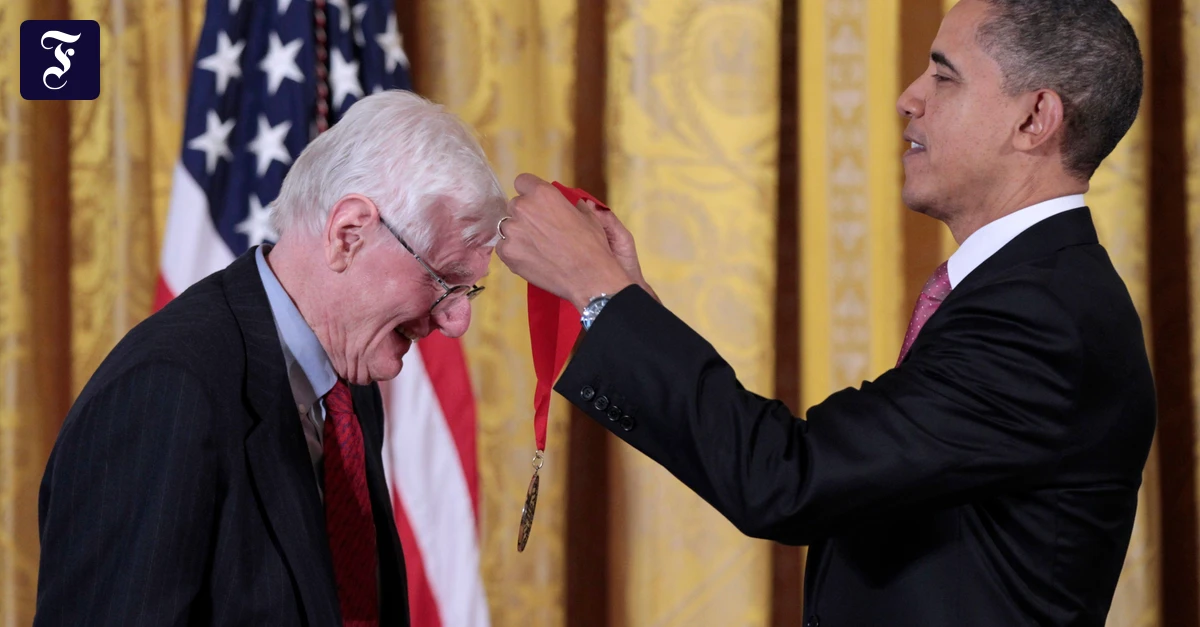
In 2011, President Barack Obama presented him a National Humanities Medal “for scholarship that provides insight into the founding of the nation and the drafting of the U.S. Constitution.”
In recent years, younger academics increasingly alleged that Wood was too well-established, the epitome of the old-school historian who minimized the lives of slaves, women and Indigenous people. John L. Brooke, a history professor at Ohio State University, would fault him for “a distinct avoidance of interpretative paradox and complexity,” even as he cited Wood’s “scale and scholarly enterprise.”