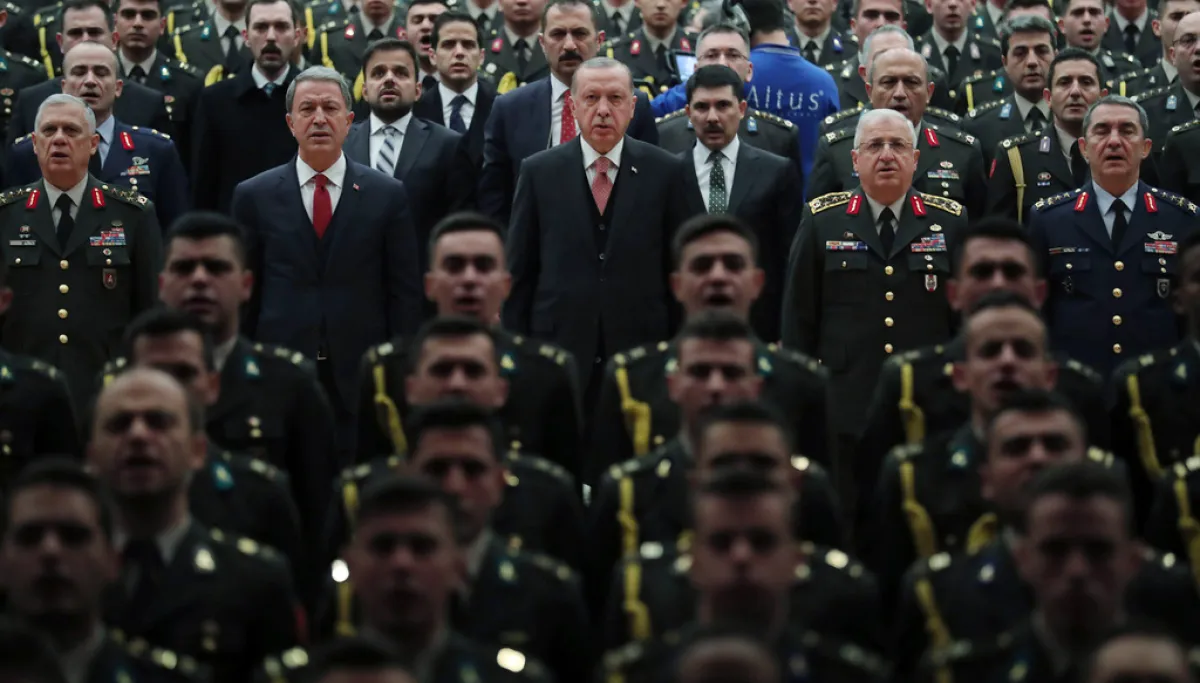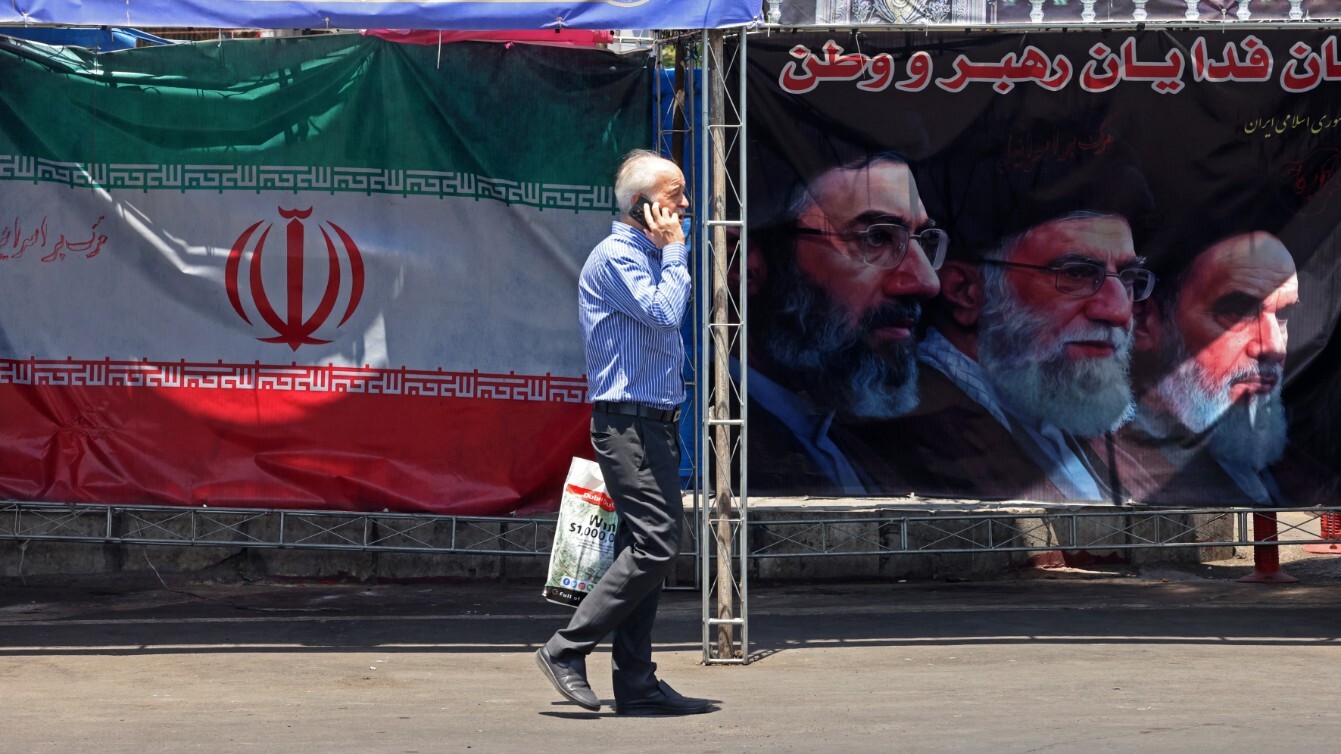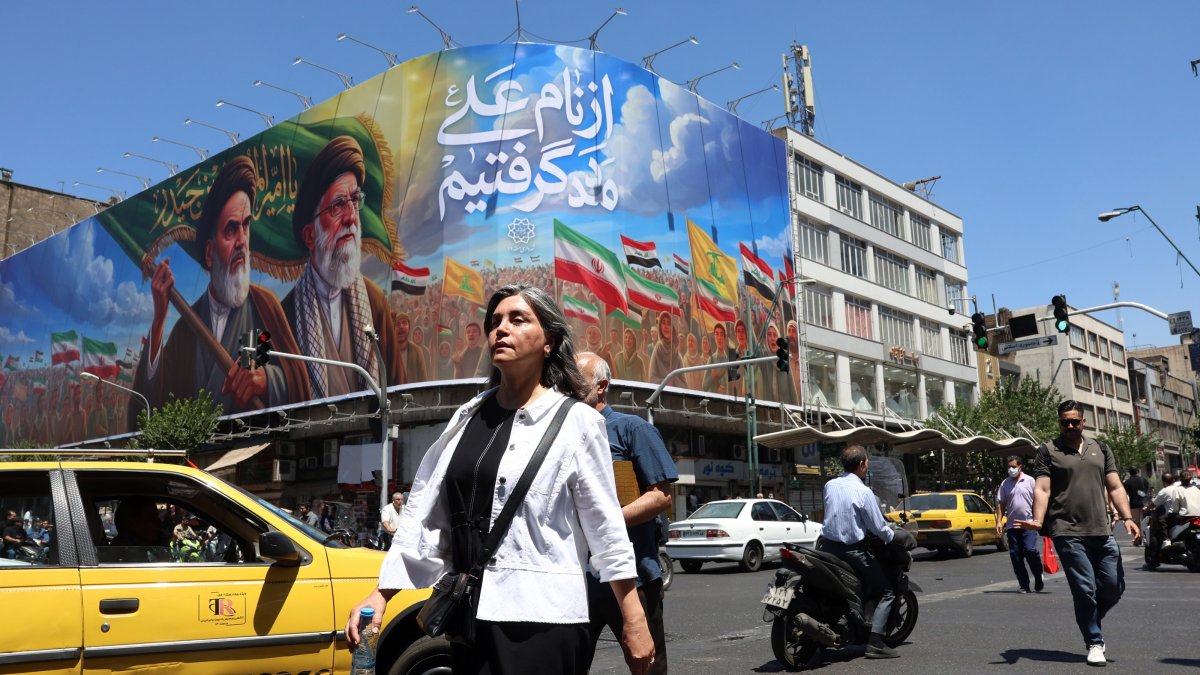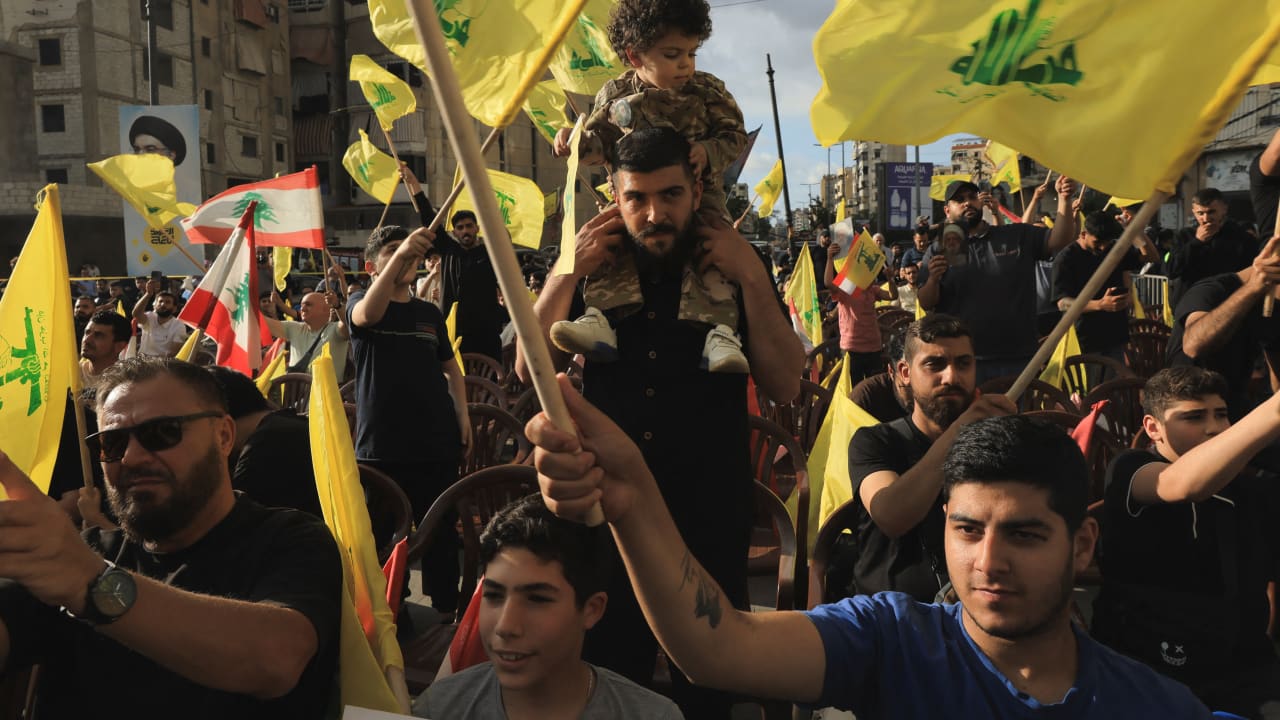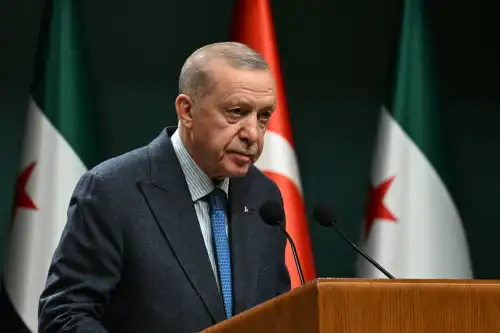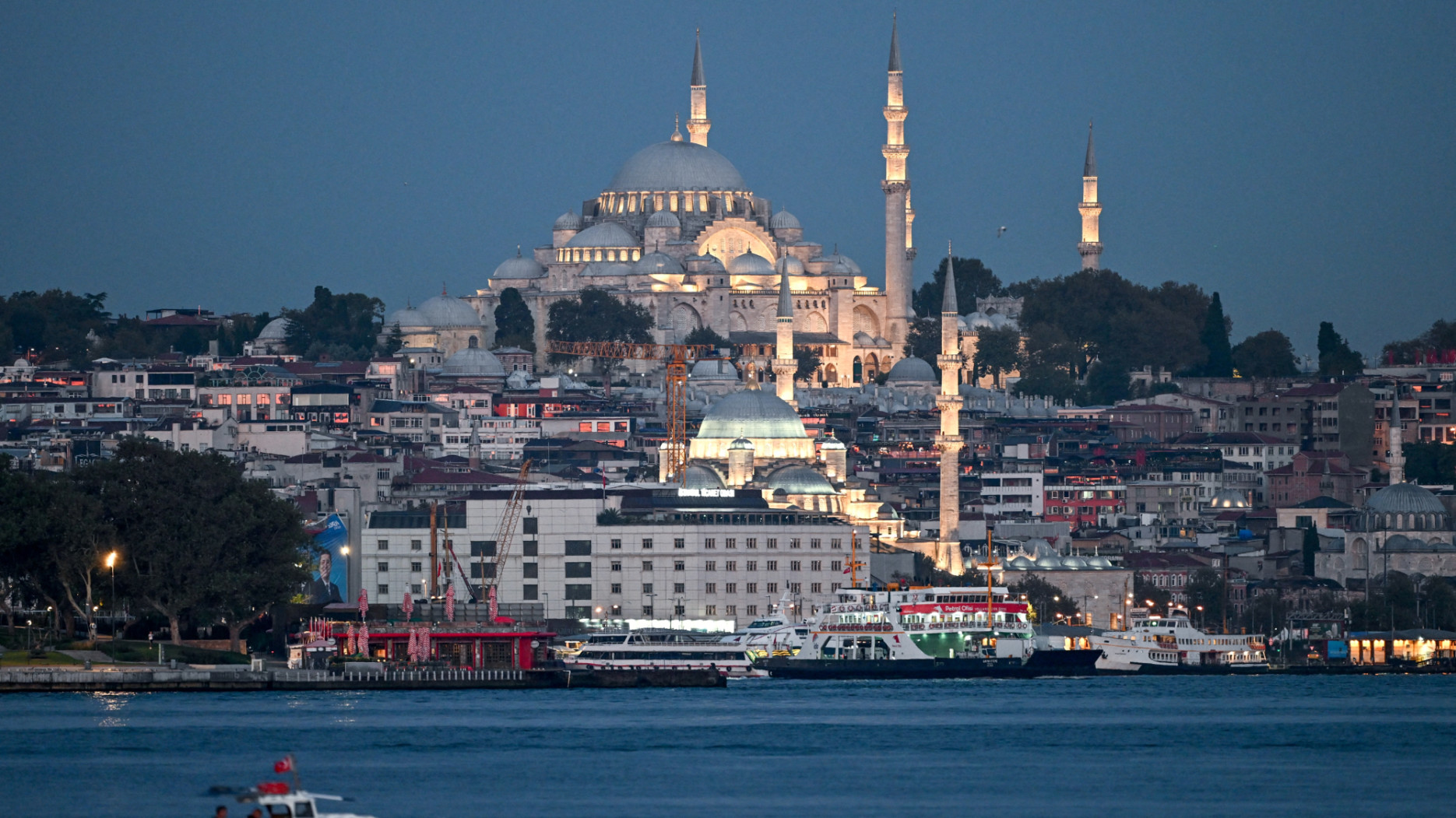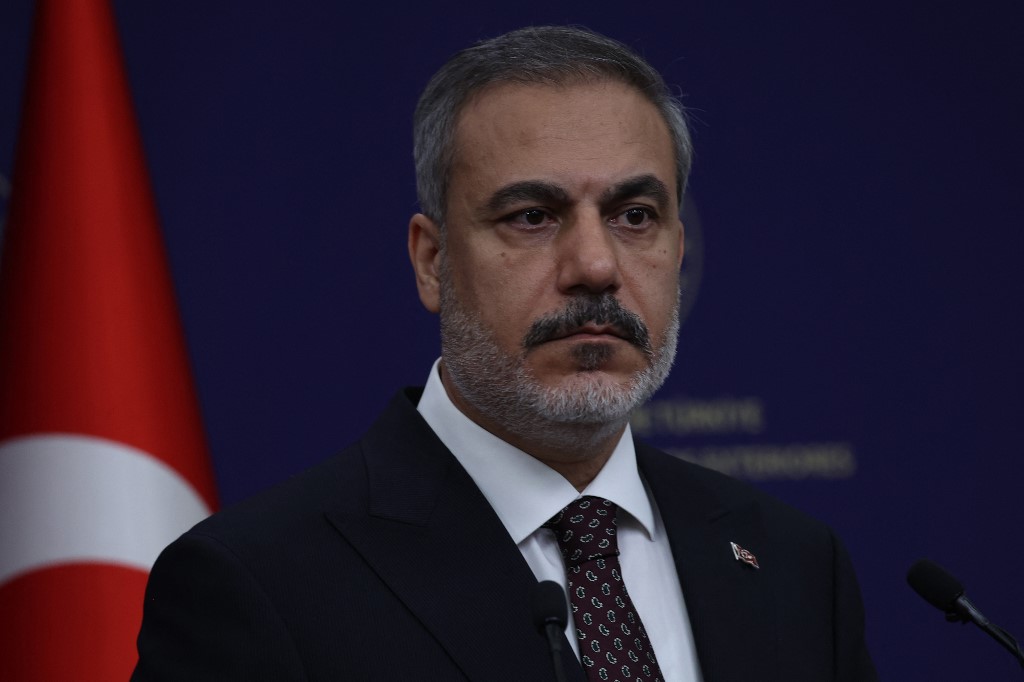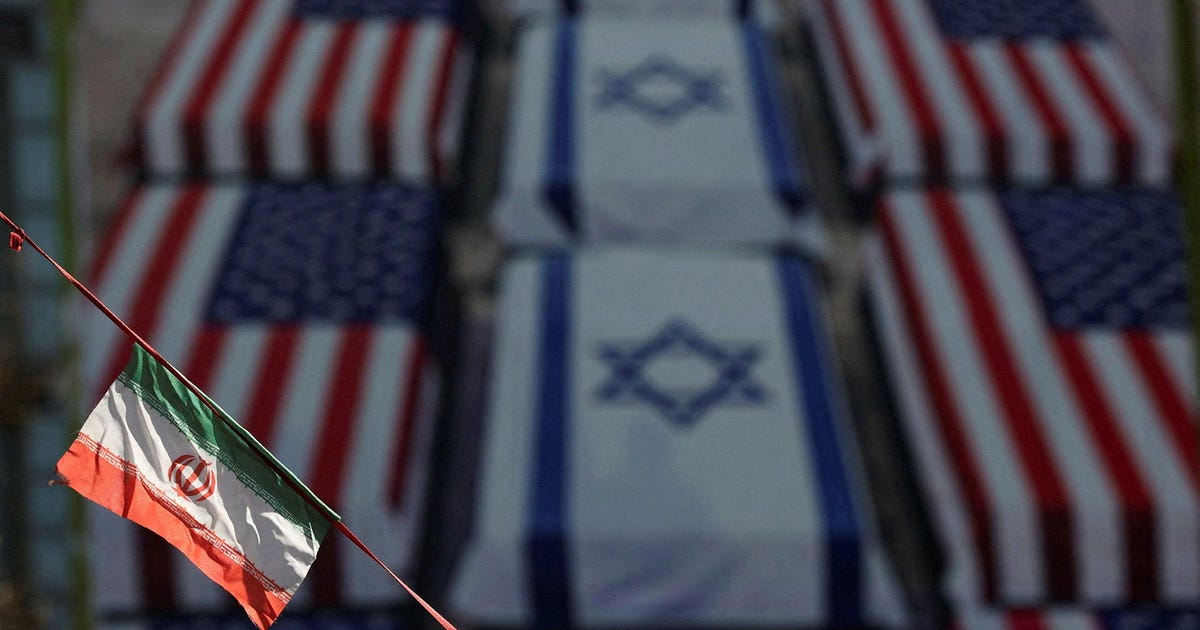
The post-American world came to the Middle East in the form of a U.S. and Israeli war in Iran. For Turkey’s decisionmakers in Ankara, who had hoped that a friendly Trump administration would gradually disengage from the Middle East, laying the foundations of Turkey’s ultimate strategic autonomy and regional dominance, this was a shock. It was also a reminder that U.S. President Donald Trump does not operate with any specific policy direction or ideology, and that the U.S.-led order could easily be replaced by a U.S.-led disorder.
The war in Iran has left Ankara with the worst of both worlds: an angry and entrenched Iranian regime, whose military capacity remains largely intact, and an assertive Israel more emboldened in its ability to reorder the region through force.
The Iran war was no doubt a strategic miscalculation for the United States and might in the long run cost Washington its role as the region’s superpower. But the real lesson for Turkey’s policymakers should be that, as Washington reimagines its role in the world, its flip-flops could be just as dangerous as the era of American hegemony. The post-American world Ankara once imagined as a space of greater freedom suddenly looks less forgiving.