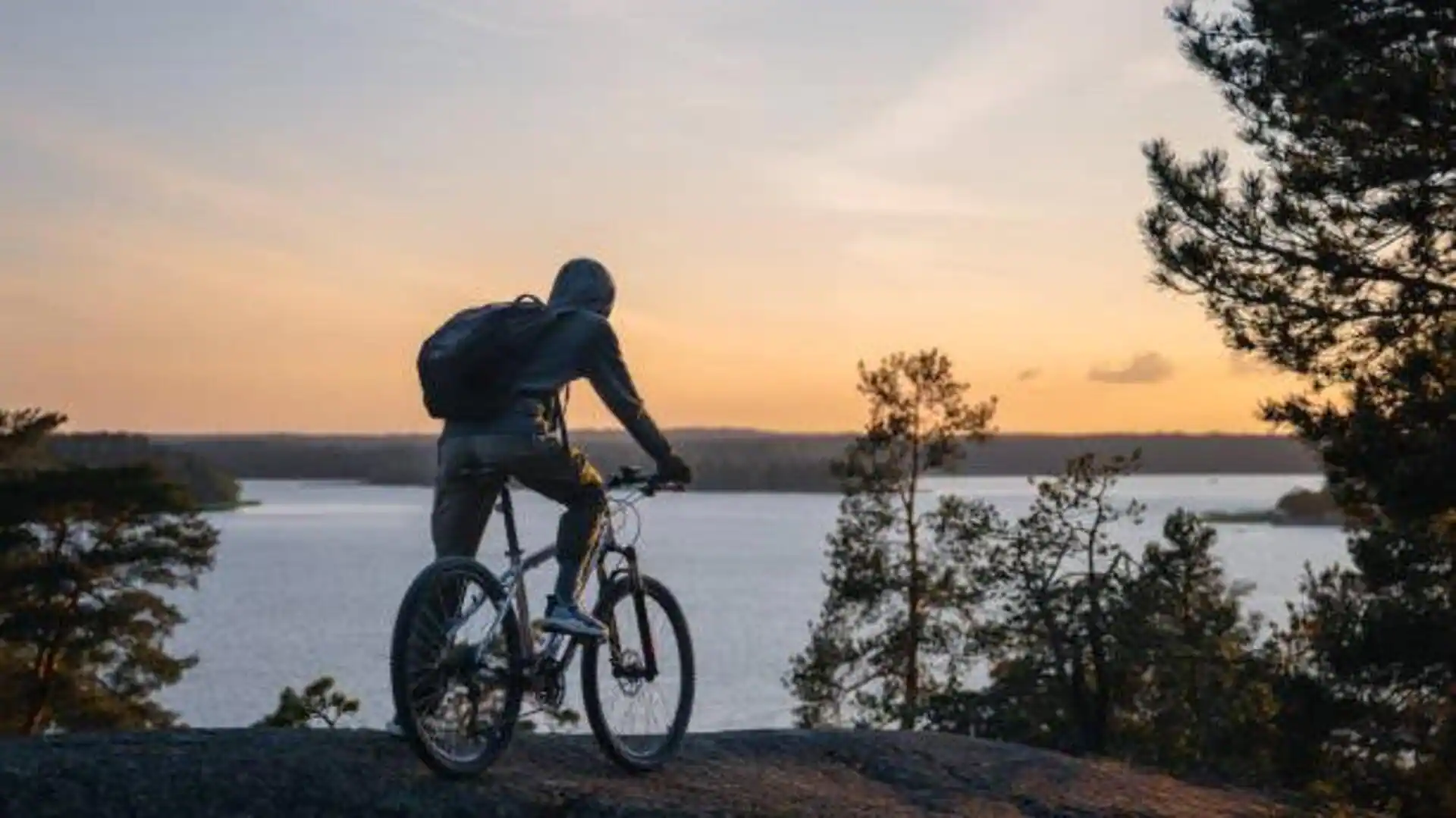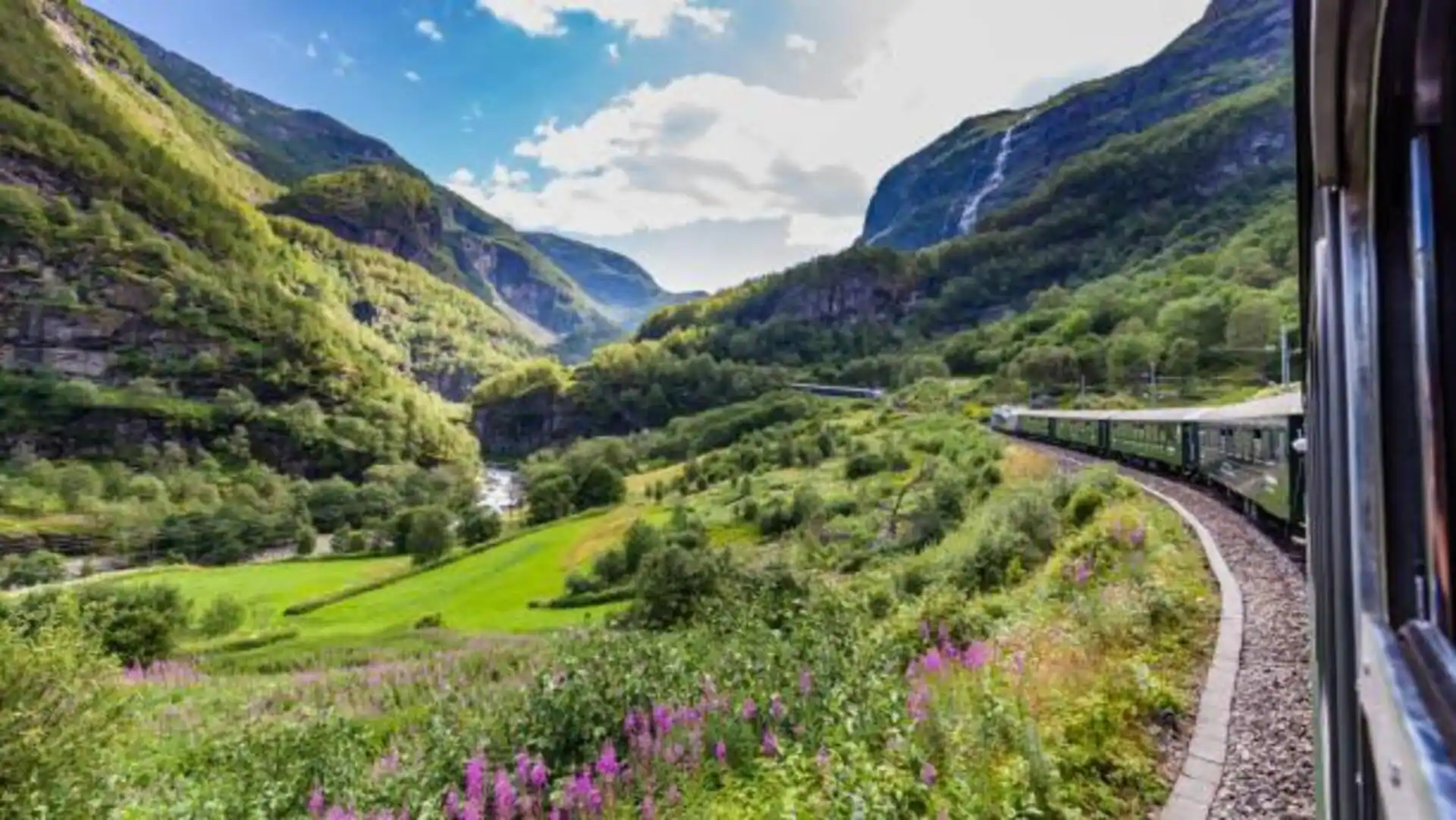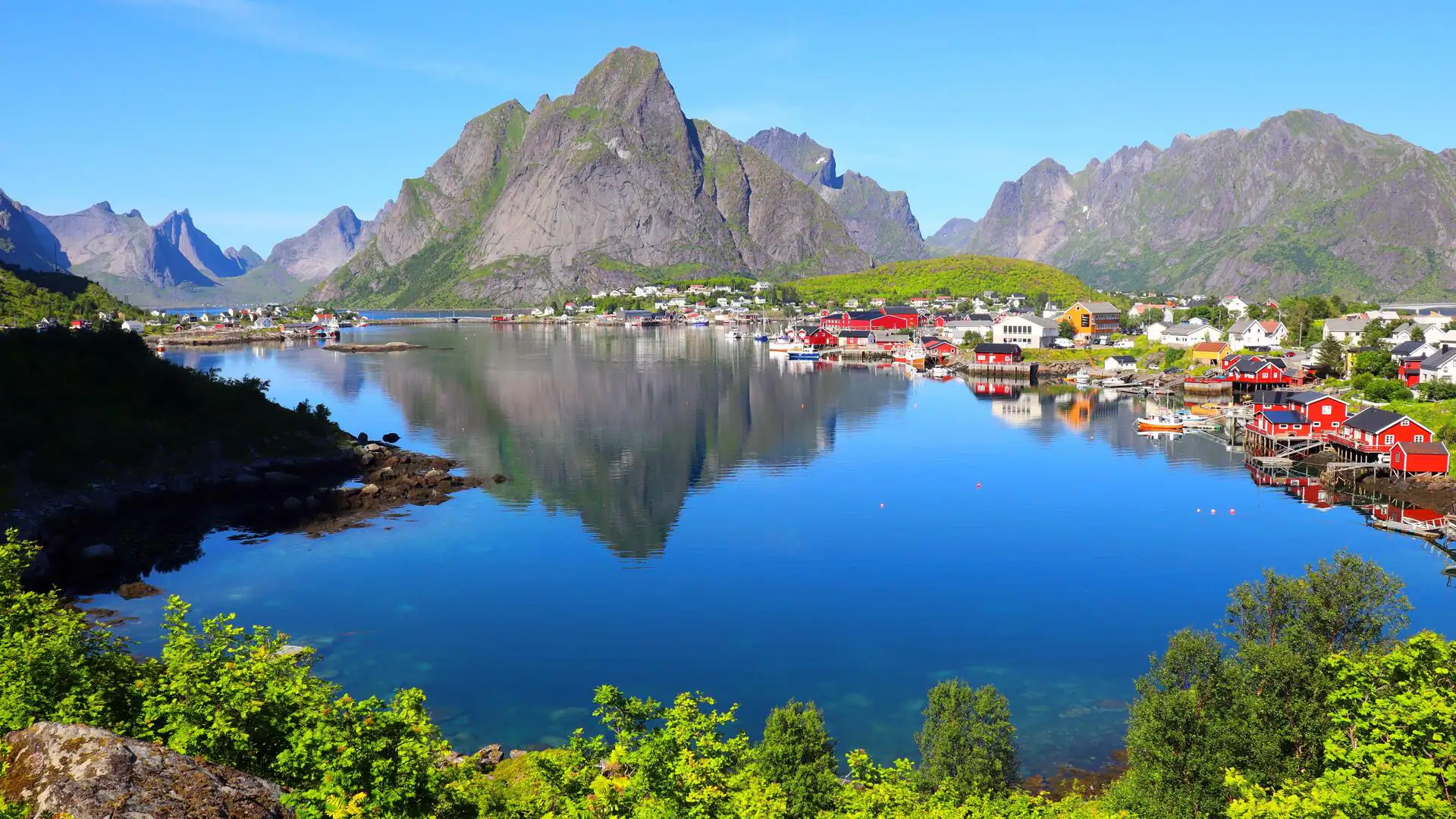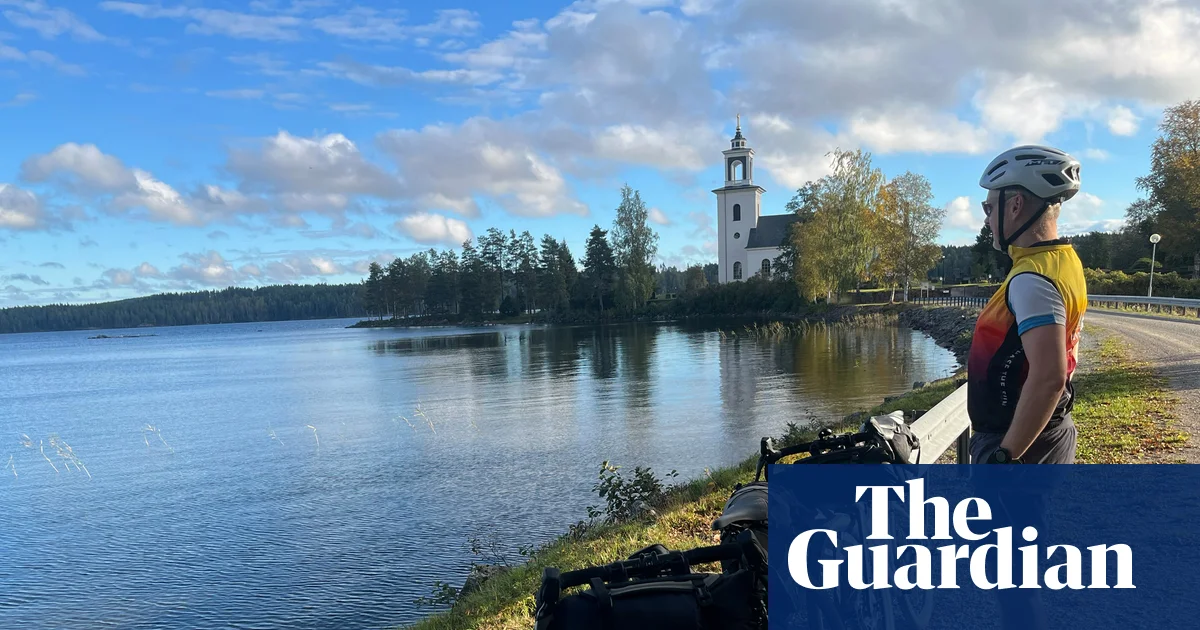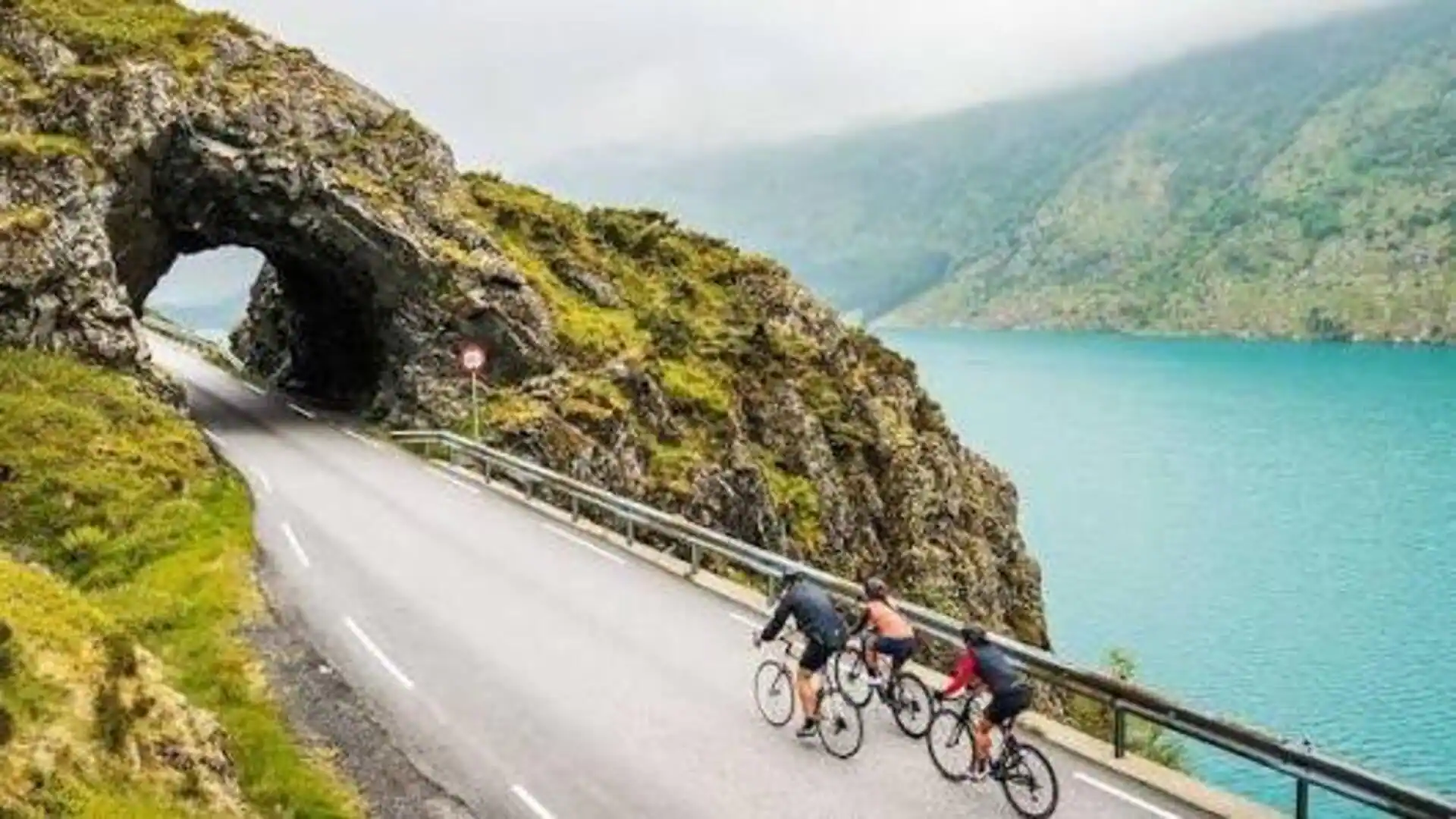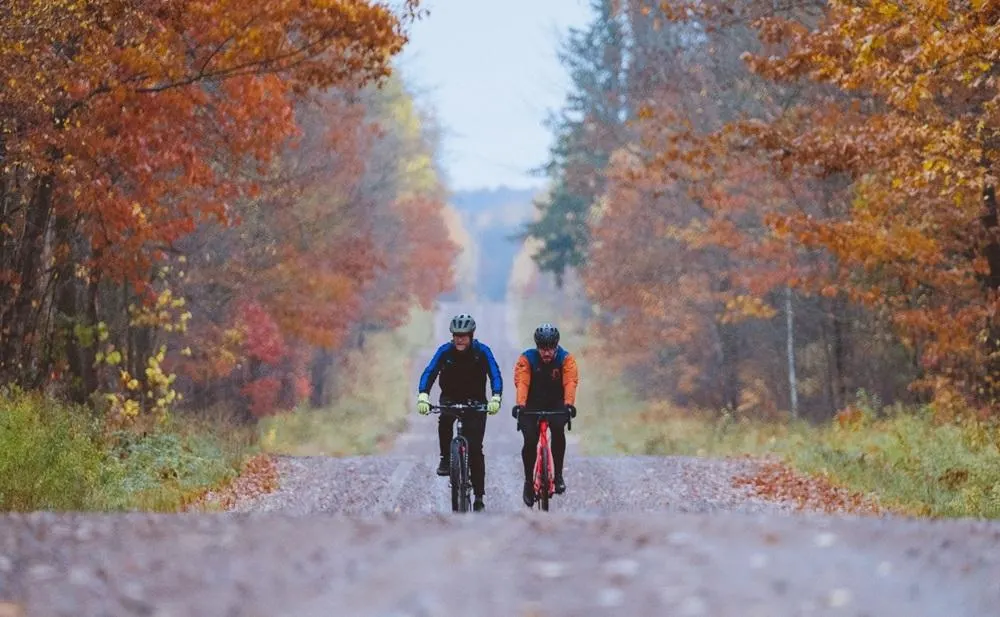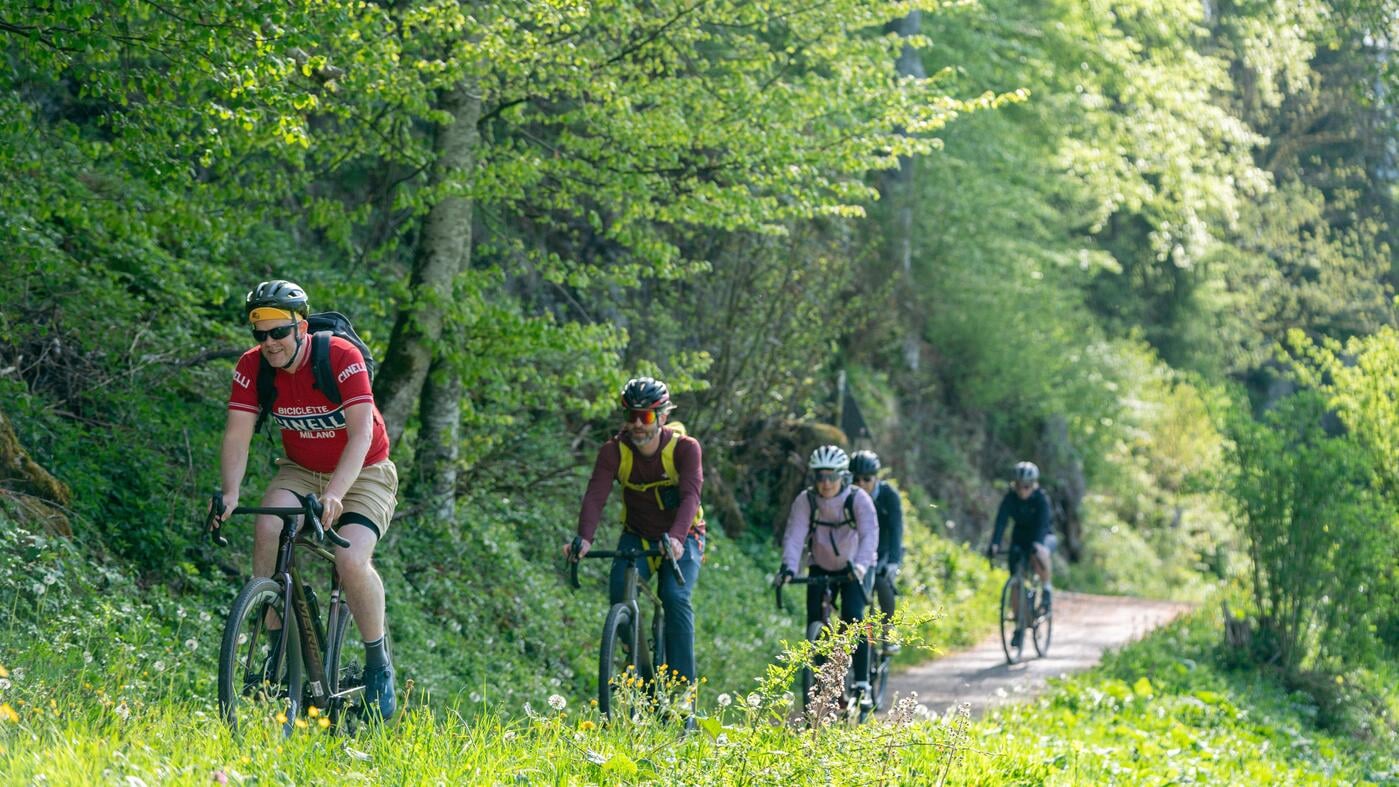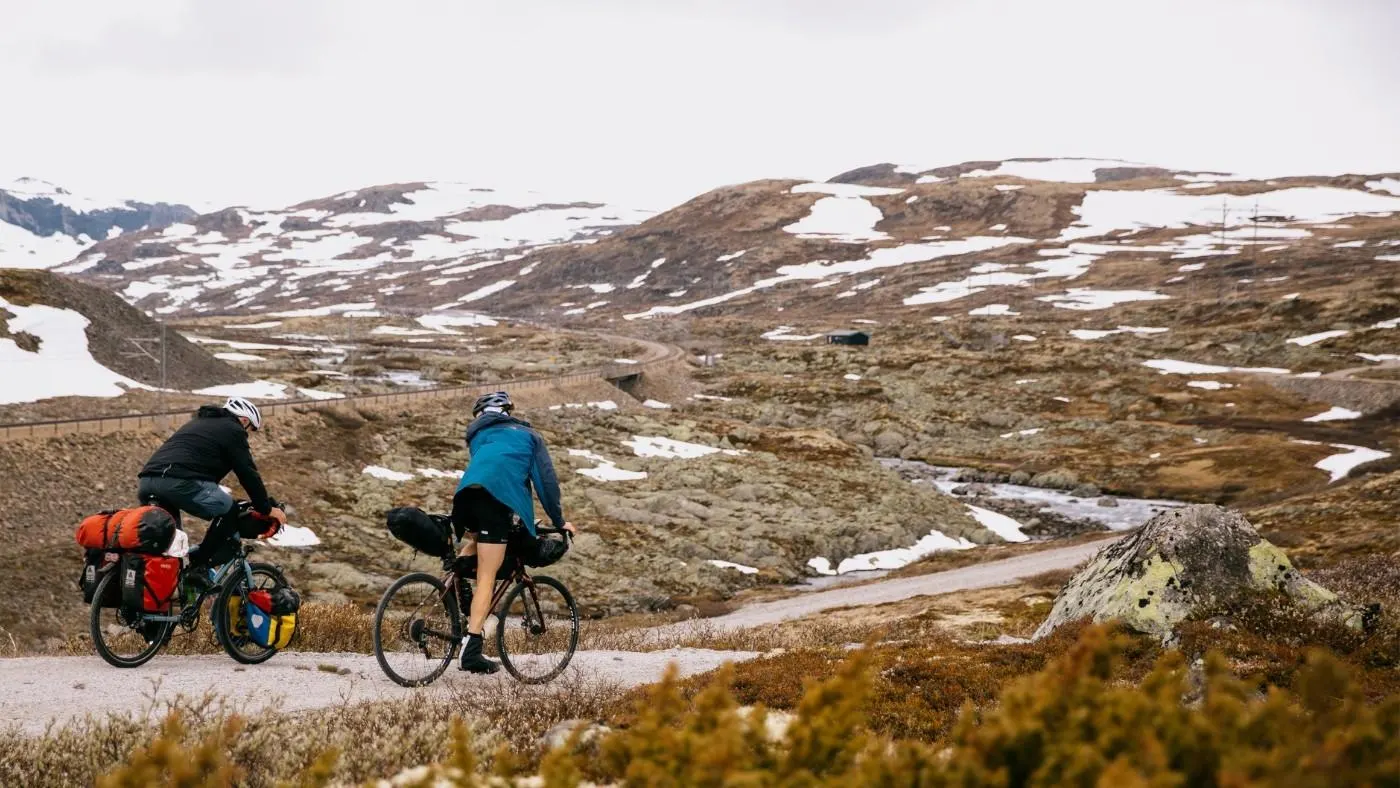
Cycle Norway's National Gravel Routes initiative reveals many gravel roads previously unknown to keen bikepackers.Cycle NorwayNorway is already known for its great road journeys. The country’s 18 national scenic routes have helped turn remote mountain passes, coastal roads and fjordside drives into travel experiences in their own right.Now, a new grassroots cycling project is suggesting a different way to move through the Norwegian landscape.Not by car, not by rail, not by cruise ship, and not by rushing between famous viewpoints, but slowly, over gravel roads that have long existed in plain sight.A Grassroots Cycling Network For NorwayThe National Gravel Routes are a new network of long-distance cycling routes developed by Matthew Tolley through Cycle Norway, his independent cycling platform and community.It connects existing gravel roads across Norway into eight long-distance routes designed for self-supported bikepacking and exploratory travel.Bikepacking is essentially multi-day cycling with luggage carried on the bike, allowing riders to travel independently between towns, campsites, cabins or other overnight stops.Rediscovering Roads Hidden In Plain SightThe routes are not new mountain trails, nor do they require fresh roadbuilding through untouched landscapes. “Norway didn’t need to build a national gravel network,” says Tolley. “In many ways, it already existed. The real challenge was recognizing it.”Many of these roads were never intended for tourism. They are a network of existing public gravel roads that were originally created for forestry, farming, hydroelectric projects, rural access, military logistics and local industry.Many of the routes in the National Cycle Routes network offer scenic spots for taking a break.Cycle NorwaySome were built to reach isolated communities. Others served working landscapes that have since changed. Yet the result is a remarkably extensive web of quiet rural roads across forests, valleys, plateaus and mountain regions.For Tolley, the project emerged from years of riding, mapping and testing to identify gaps in the country’s cycling tourism infrastructure.“Although Norway has some of the most dramatic landscapes in Europe, long-distance cycling in the country has often been fragmented, poorly documented, and heavily dependent on busy roads originally designed for cars and freight traffic,” he explains.The National Gravel Routes are intended to solve part of that problem by prioritizing continuity, low traffic, rural landscapes and safer alternatives to major traffic corridors.Spreading Tourist Numbers Across NorwayNorway’s most famous destinations increasingly attract intense seasonal pressure, especially places made popular by social media, cruise tourism and short-stay sightseeing.Lofoten, Geiranger, Flåm, Preikestolen and Trolltunga all show how visitor attention can become concentrated around a relatively small number of iconic places.The gravel routes work in the opposite way. There is no single viewpoint to photograph, no one attraction to reach, and no obvious “must-see” moment.Riders move gradually through landscapes over several days or weeks, spending time in smaller communities and passing through places that rarely feature on conventional itineraries.“The routes are designed to spread people across landscapes rather than funnel them into destinations,” says Tolley. That idea fits neatly with the growing interest in slow travel, self-directed outdoor experiences and lower-impact ways to explore popular countries.Cycling tourism has been growing across Europe for years, but gravel riding occupies a distinctive place within that trend. It is more adventurous than conventional road touring, but generally less technical than mountain biking.In Norway, where historic gravel roads already cross large areas of the interior, the format feels especially well suited.Not A Casual Cycling VacationStill, this is not a casual city-bike holiday. The routes are designed for riders who are comfortable with self-navigation, changing weather, remote areas and basic outdoor decision-making.Some sections follow excellent gravel roads almost continuously, while others may include rougher stretches or short ‘hike-a-bike’ sections.For experienced cyclists, the project offers a way to experience Norway beyond the cruise ports, famous hikes and scenic drives. It also provides a more immersive encounter with landscapes shaped by work, migration, farming, forestry and older transport routes.“This is not about conquering Norway. It’s about moving through it slowly enough to actually experience it,” explains Tolley.The National Gravel Routes are due to launch through Cycle Norway by summer 2026, with route guides, interactive maps, GPX files, logistics information and planning resources.MORE FROM FORBESForbesWhy Scandinavia Does Slow Travel So WellBy David NikelForbesÅndalsnes Is The Perfect Base For Your Norwegian Fjords AdventureBy David NikelForbesLillehammer Offers A Hands-On Taste Of Norway’s Olympic LegacyBy David Nikel
Norway’s Gravel Cycling Routes Offer A New Way To Explore The Country
Cycle Norway’s new gravel routes turn overlooked rural roads into long-distance cycling journeys, offering adventurous riders a better way to explore.
708 words~3 min read