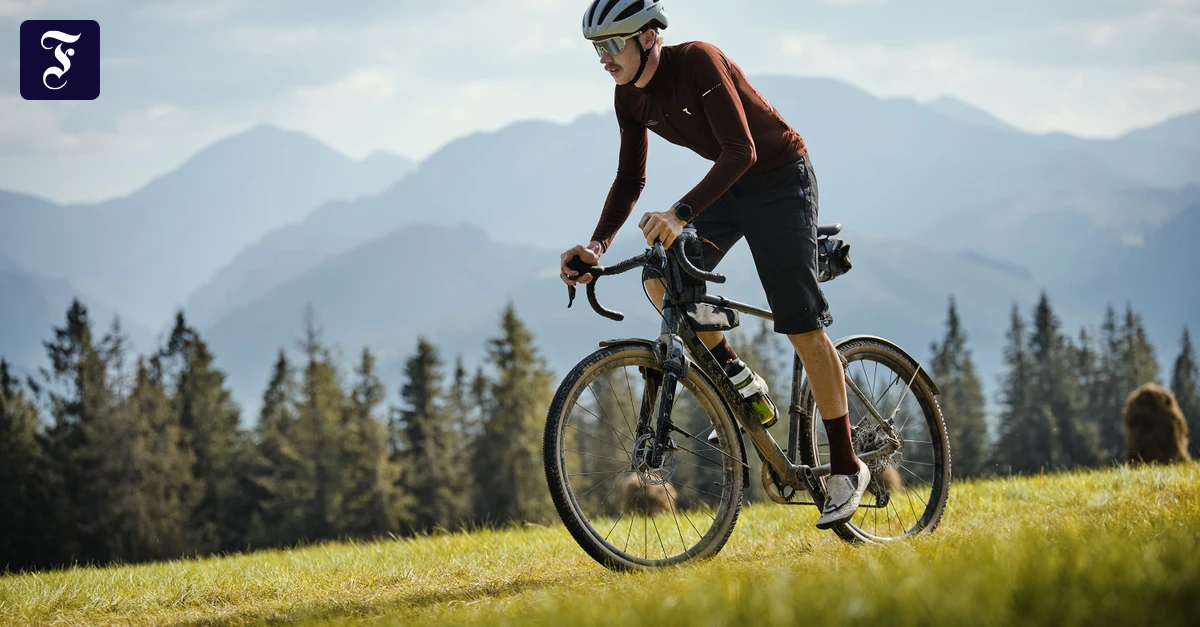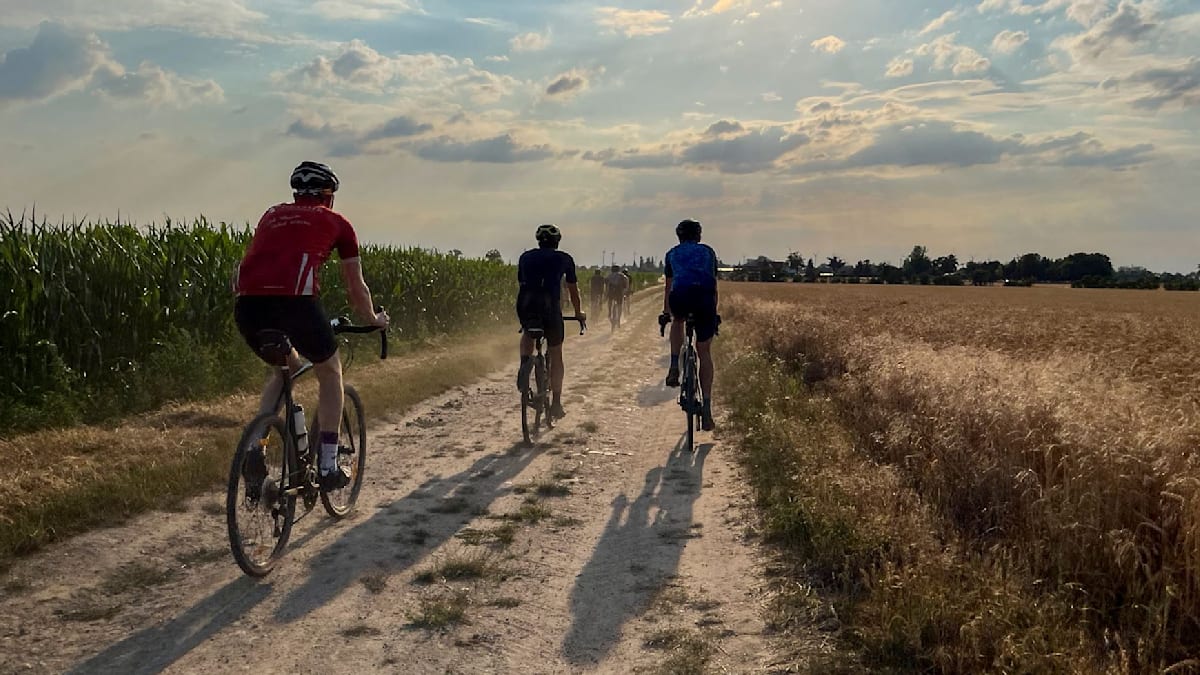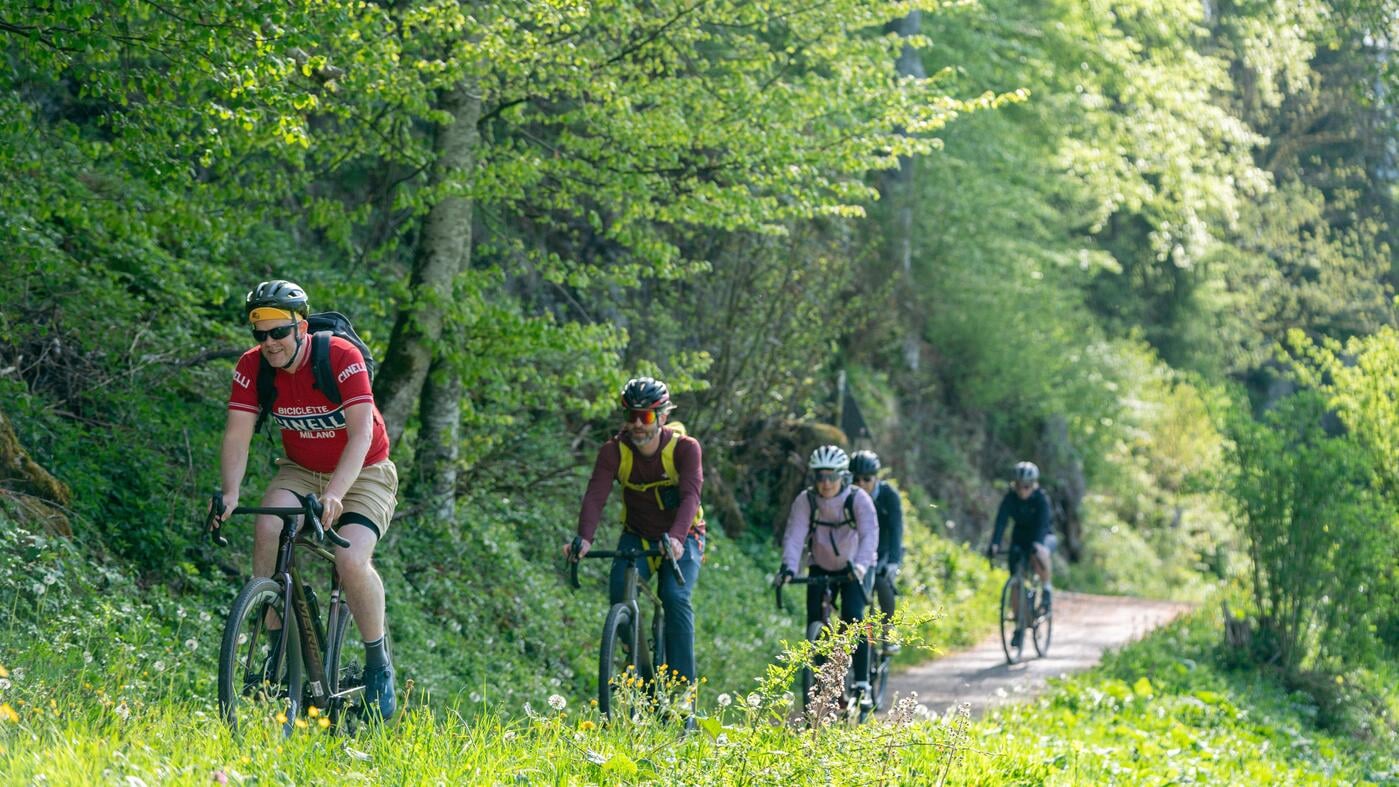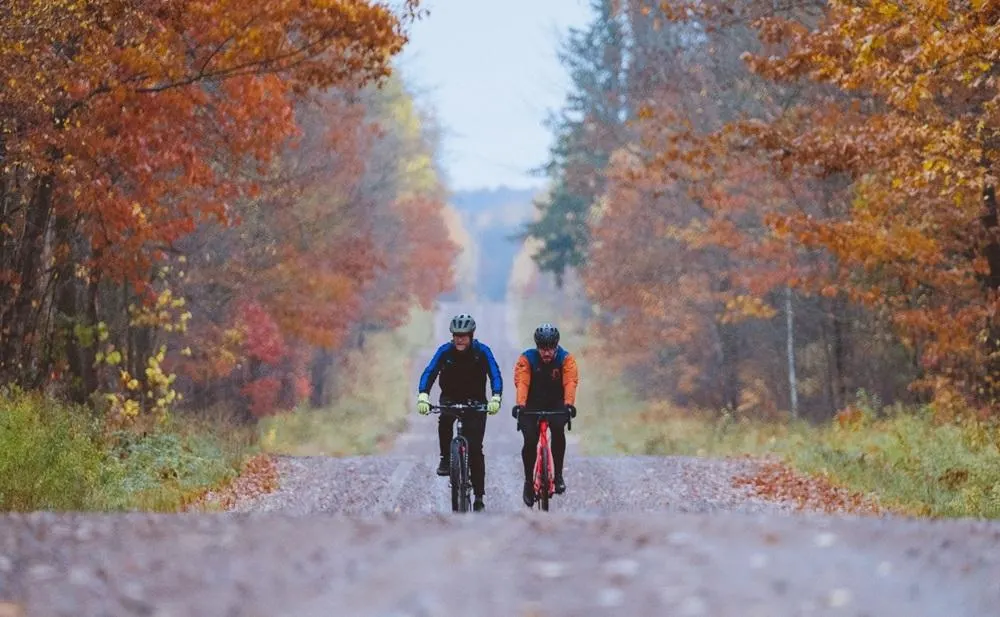
Nature, scenery—and no cars. These are some of the big appeals of gravel biking, as seen here in Wisconsin.Gary Barden While it has only existed as a “new” and separate sport or subcategory for about 20 years, what we now call “gravel grinding” has been around much longer. In fact, it is the original form of riding a bicycle, since the invention of two wheeled vehicles predates the innovation of the paved road. But ever since the sport was repackaged, rebranded and started to get its own specialized equipment, it has been the fastest growing category within all of cycling, worldwide, and here’s why you might want to try gravel grinding.Gravel Grinding: The Hottest Trend In CyclingAccording to industry publication Cycling Weekly, gravel bike riding is one of the fastest growing sports on the map tracking platform Strava and jumped 55% just in 2023. Even as overall bike sales declined, gravel bikes were the only category up since pre-pandemic, and the publication reported that the “gravel boom shows no sign of slowing.” Fitness and outdoor sports website Rouvy.com recently said, “Over the past decade, gravel cycling has gone from niche curiosity to one of the most exciting movements in cycling.” According to National Geographic the first specialized gravel bike only went on sale in the U.S. in 2012, and last year more than 2.3 million of these bikes were sold just in this country.What Is Gravel Grinding?Tuscany is a legendary gravel riding destination, with hundreds of miles of gorgeous "whte roads."gettyFor starters, probably a bad choice of names, but one that has stuck. Many prefer gravel cycling or gravel biking, without the negative connotation of grinding, but to me the issue is gravel, as most of the riding has nothing to do with gravel. The industry considers any riding on unpaved surfaces gravel grinding, but most of these are dirt roads, often very hardpacked dirt roads that are more similar to riding on pavement than “gravel.”In Vermont, where I live, more than half of the official roads in the entire state are unpaved, creating a vast network of “new” places to ride that were typically eschewed by those on traditional skinny tire road bikes, whose delicate nature suggested avoiding potholes, washboard surfaces and yes, patches of gravel or loose dirt often found on dirt roads. MORE FOR YOUHistorically you could ride pretty much any bike on pretty much any terrain, and lots of people did. But then came mountain bikes with shock absorber suspensions designed for really going off road, for riding rugged and technical trails with no roads at all, which became extremely popular and turned the industry and public onto the entire idea of cycling beyond road cycling. Gravel has filled a middle ground between these and spawned a new generation of bikes that are designed for unpaved roads but work just fine on pavement, and are closer to road bikes than mountain bikes, but with elements of both.Why You Might Want To Try Gravel GrindingFarms and nature yes, cars and traffic, not so much. This is the new "Granite Belt" of WisconsinGary Barden PhotographyThe main attraction is riding unpaved roads, and this in turn immediately points to what I consider the two major attractions of the sport. First, unpaved roads typically have a lot less traffic and these fewer cars do not go as fast. The number one reason I have heard year after year why some people do not like road riding, switched to mountain biking or simply will not road ride at all, is cars, and the inherent danger in sharing the road with them, especially in the age of digital distraction. Gravel grinding greatly reduces the entire car issue and that is enough reason for many to pursue it. But unpaved roads also tend to be in more natural settings, and that can mean pedaling past bucolic horse farms and barns in Vermont or delving deep into state and national parks and forests on less trafficked logging roads. It can be off road on forest trails, in the desert, on totally car free rail trails or recreation paths, often unpaved, or it can go past stunning vineyards on the famous “white roads of Tuscany,” a vast network of unpaved roads in Italy’s Chianti region that has become the Bucket List destination for gravel enthusiasts. A gravel bike on the Katy Trail in MissourigettyGravel grinding is now wildly popular around the globe, especially in hotspots such as Iceland, New Zealand, Spain, Portugal and all over North America. As a result, some major high-end cycling travel tour operators, including Trek Travel and Tourissimo, have begun offering guided gravel riding trips in addition to their classic road cycling trips. You can read more about gravel bike tours in Italy in my previous piece here at Forbes. Learn more about how to plan the perfect active travel trips here at Forbes.“Gravel riders are looking for authenticity, exploration, and connection to place,” said Bill Bertram, outdoor recreation advocate and project partner in a new trail network, Wisconsin Gravel. “What Wisconsin has—especially in the Granite Belt—is something you simply can’t replicate. The quality of the riding surface, the variety of landscapes, and the welcoming communities make this a truly national-caliber destination.”Wisconsin recently debuted its vast new tourism initiative focused on the gravel trend, a first-of-its-kind statewide network of gravel cycling routes connecting communities and landscapes, with more than 1000-miles across 11 regions and 70 towns. The state is determined to be the premier U.S. gravel biking destination, built around the “Granite Belt,” a region in Northcentral Wisconsin with more than 1,000 miles of distinctive red granite roads and 16 routes spanning Marathon, Lincoln, Langlade, and Shawano counties. It offers riders high-quality surfaces using compacted red granite and looped, mapped routes for all skill levels linked by "trailhead communities" with lodging, dining, and amenities, all detailed on a new website.Some cyclists go further off road than others when riding gravel bikes. This is the new Wisconsin gravel system.Photo by Dave SchlabowskeSo, with gravel, you have less cars, more nature, and generally a slower pace than road biking, which further promotes the stop and smell the roses aspects of the sport. It’s just as good exercise, but tends to be more laid back, though there are certainly exceptions and competitive athletes and avid gravel riders who race, train and compete just an earnestly as their hardcore road cycling counterparts.Beyond the two big appeals of dirt roads, the bikes themselves offer the advantage of more flexibility, and while you would not usually want to ride a traditional high end road bike on many of the surfaces gravel grinders prefer, you can easily use a gravel bike as a road bike on pavement, or for commuting, making it more versatile and more affordable, a one bike quiver that covers more ground, literally. Interest in gravel grinding has also driven increased interest in bikepacking, the cycling equivalent of backpacking, carrying bags laden with camping gear for multi-day expeditions. There was always a subset of road bikers who attached panniers and bags and undertook longer journeys, but gravel grinding has made this more accessible and mainstream since both the bikes and the places they can go lend themselves more towards carrying loads. What Is A Gravel Bike?A Surly Straggler can be ridden on pavement or much rougher roads.ERIC MELZERAt first glance, most gravel bikes look a lot like road bikes, with the same kind of frame geometry, tubes and dropped handlebars. But on closer inspection there are several key differences that make gravel bikes unique. First, while they resemble a road frame, the geometry is what the industry calls “more relaxed,” with slightly longer frames, as a longer wheelbase promotes stability over bumps and uneven surfaces. They often have a sloped rather than horizontal top tube, which promotes more relaxed steering, and are higher for a more upright riding position that is typically more comfortable over more hours, as gravel rides tend to be longer. The bottom bracket is usually higher, which gives more ground clearance, and while many road bikes now have disc brakes, almost all gravel bikes do, as these perform better in off-road conditions.The most visible difference is wider forks and more clearance within the frame to allow the use of wider, sometimes much wider, tires. At one point the “skinny” norm on road bikes got down to a slim 23mm, though in recent years road bikers have adopted wider (often 25-28mm) tires. But gravel bikes have 40mm as the most common and can be equipped with tires as beefy as 45-50mm. In addition to being wider, gravel riders are more likely to utilize heavier tread patterns, just as on off-road cars.This Surly Straggler is a classic gravel bike design with sloped top tube, beefy tires, disc brakes, more ground clearance and more relaxed geometry.ERIC MELZERGravel bikes also often offer a choice of two wheel diameters, 650 and 700mm, while 700 is standard in road bikes. Most are 700, which is more efficient because a larger wheel takes you further with every pedal stroke, and also rolls better over bumps. But 650 wheels are stronger and more comfortable on really rocky or rough terrain and also preferred by some shorter riders and are often found on smaller size frames. Gravel bikes also tend to come with lower gearing, more like a mountain bike, which allows for an easier time on long climbs with the greater weight of a gravel bike and the increased rolling resistance from dirt surface versus asphalt. Finally, some gravel bikes are now adding suspension (shocks) like that found on mountain bikes, but this is something most gravel grinders do not need, especially newcomers, and is for hard core participants who are riding their bikes more on trails and off-road than off-pavement.Buying A Bike For Gravel GrindingThe good news is that the folks designing gravel bikes know all the stuff in the section above, frame geometry, gearing, brakes, etc. so you don’t have to. Those are the things that differentiate a gravel bike from a road bike, but unless you are building a bike yourself, you can put it out of your mind and just buy a gravel bike—all the heavy lifting has been done for you. Like any other bikes, as you spend more you get lighter bikes, fancier frames and higher-end components, including options such as electronic shifting, and you can drop ten grand on fancy model, but for the most part if you are getting started and want to explore dirt roads, you can get going for as little as one thousand and buy a lot of gravel bike for under $3000. In general, they provide more bang for the buck than road bikes where there is a big emphasis and high cost on shedding every possible ounce. Weight doesn’t matter as much in gravel bikes and unless you are racing, you can get by with lower level components. I’ve been riding a Surly Straggler gravel bike, which is a mid-higher level model from one of the most highly respected brands, and it costs less than half as much as either of my road bikes. There are lots of good brands out there, and all the big names now make full lines of gravel bikes, but while I know more about bikes than the general public, I don’t know more than my friend and longtime bike industry insider Mike McCormack, founder and race director of the Breck Epic, one of the biggest mountain bike races in the nation. I asked Mike and he had great things to say about Surly, a Minnesota based brand that was early to gravel and is known for making only steel framed bikes, which is unusual these days. Steel is sustainable, durable, affordable and highly practical. As Mike said, “They’ve been nailing that niche of attainable practicality for three decades.” California cycling retailer Elevate Cycling carries many top brands but described Surly as “Steel bicycles designed for durability, versatility and real world riding. They are built to handle rough roads, heavy loads, bad weather and long miles without complaint.”Surly is also a very opinionated company, and has an excellent and informative blog post all about what gravel riding is all about, along with really dialed in tips for selecting a bike, and some interesting philosophy, such as “if you’re tired of sharing the road with a bunch of cars, sick of stopping at every red light on your route, or just hungry for new scenery, you really don’t need the fastest or fanciest gravel road bike you can find; you can give it a shot with whatever ya got.” Or “Every bike is a gravel bike when you ride it on gravel.” That being said, they go one to explain why if you do want a specialized gravel bike it’s a good idea and what to look for.The road bike industry has largely moved away from steel and into higher-tech materials such as carbon fiber, and more precious metals such as titanium, but steel frames have always had fans, and three big selling points is that they are strong, less expensive and they do not fatigue over time which many lighter materials do. So, last year I decided to try a Surly Straggler, which delivers a lot of gravel performance and comfort at a very reasonable price, with three levels from $1,359-$2,699. I have been extremely happy and thoroughly enjoyed it to date, but I’ve only ridden a handful of other gravel brands, so at the end of the day I’d recommend visiting your local shops, asking how their brands compare, and doing a little research. Then it is time for you to try gravel grinding.
Why You Should Try Gravel Grinding, The Hottest Trend In Cycling
Whether you call it gravel grinding, gravel biking or riding your bike on a dirt road, this is one of the hottest, fastest growing things in all of outdoor recreation.
2,284 words~10 min read