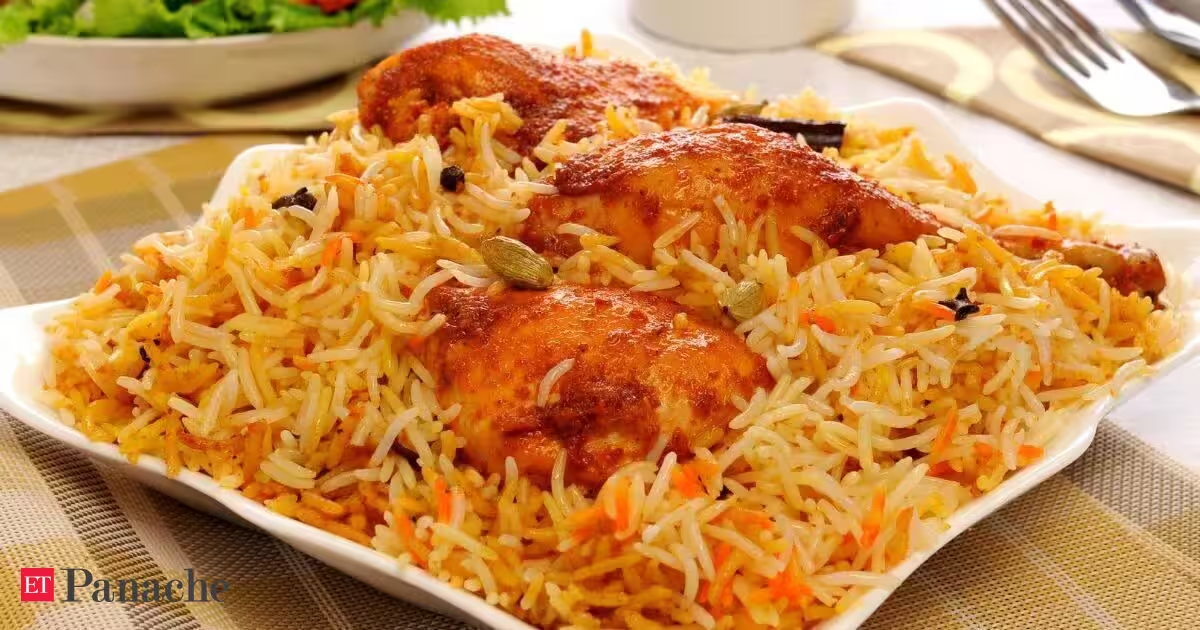
I have always feared that, among other things, biryani would become another casualty of Hindutva groups who love associating it with Muslims. And with Hyderabad’s obsession with it, this was just waiting to happen.
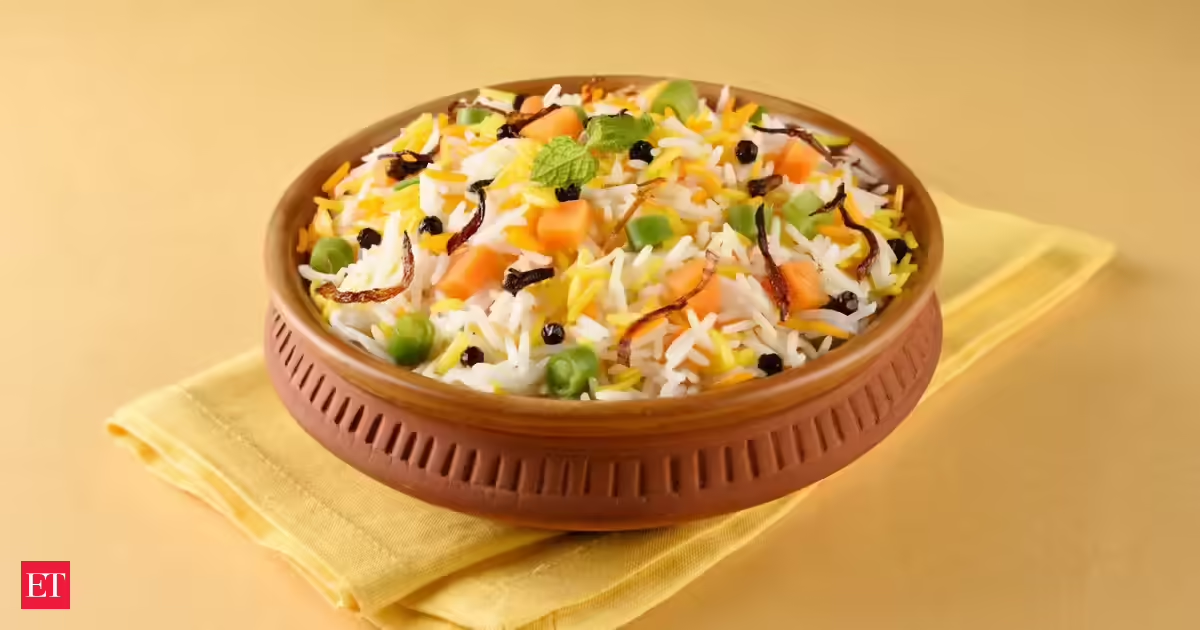
An X user posted a video saying biryani should not be sold because it is from Hyderabad, and that local shops that sell vegetarian biryani should call it pulao. In all honesty, I wish biryani had originated in Hyderabad, because then we would have the perfect city to claim it.Anyway, this verbal diarrhoea got me actually thinking about biryani itself, because despite it not being from Hyderabad, it is an absolutely omnipresent dish. In fact, it is so good in the city that even vegetarians do not want to feel left out — and they don’t want pulao, but want the same thing with vegetables.
How biryani came to India
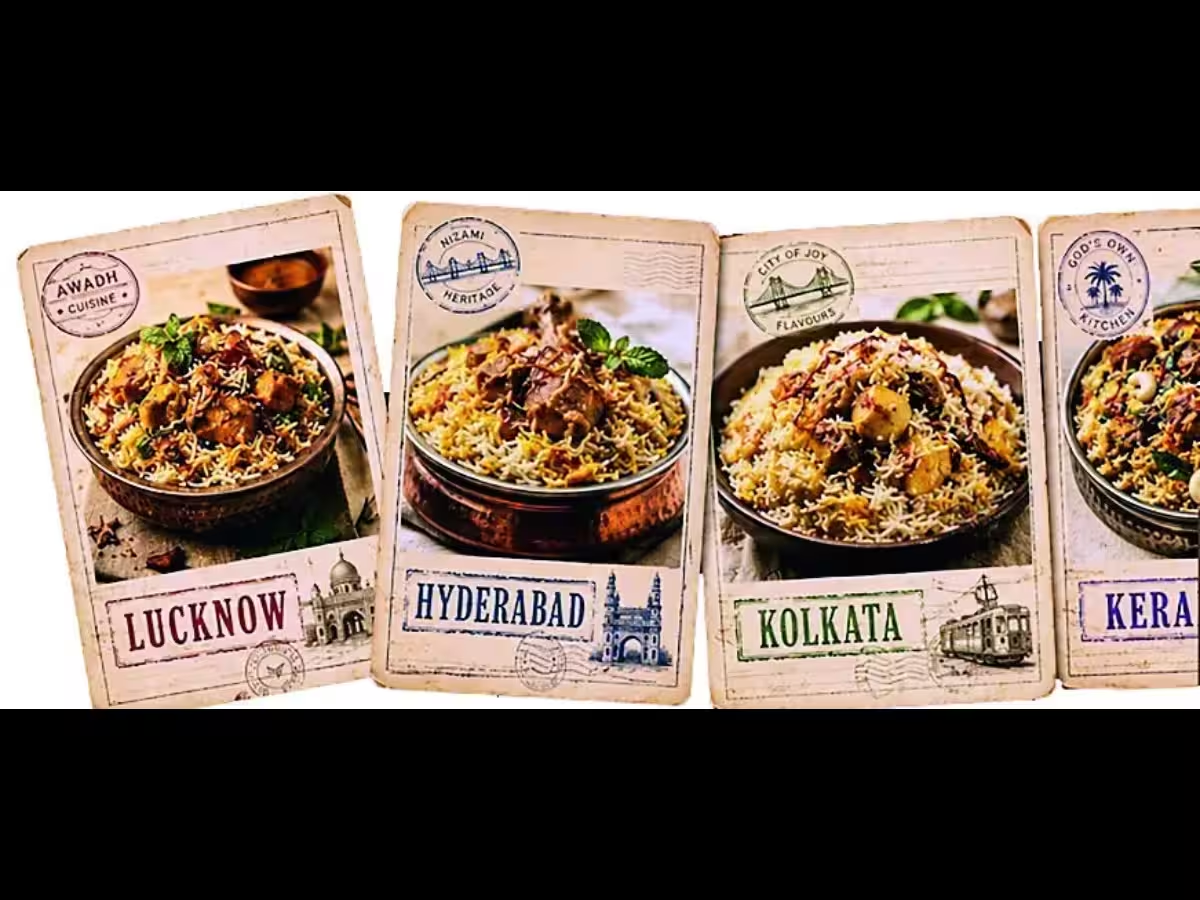
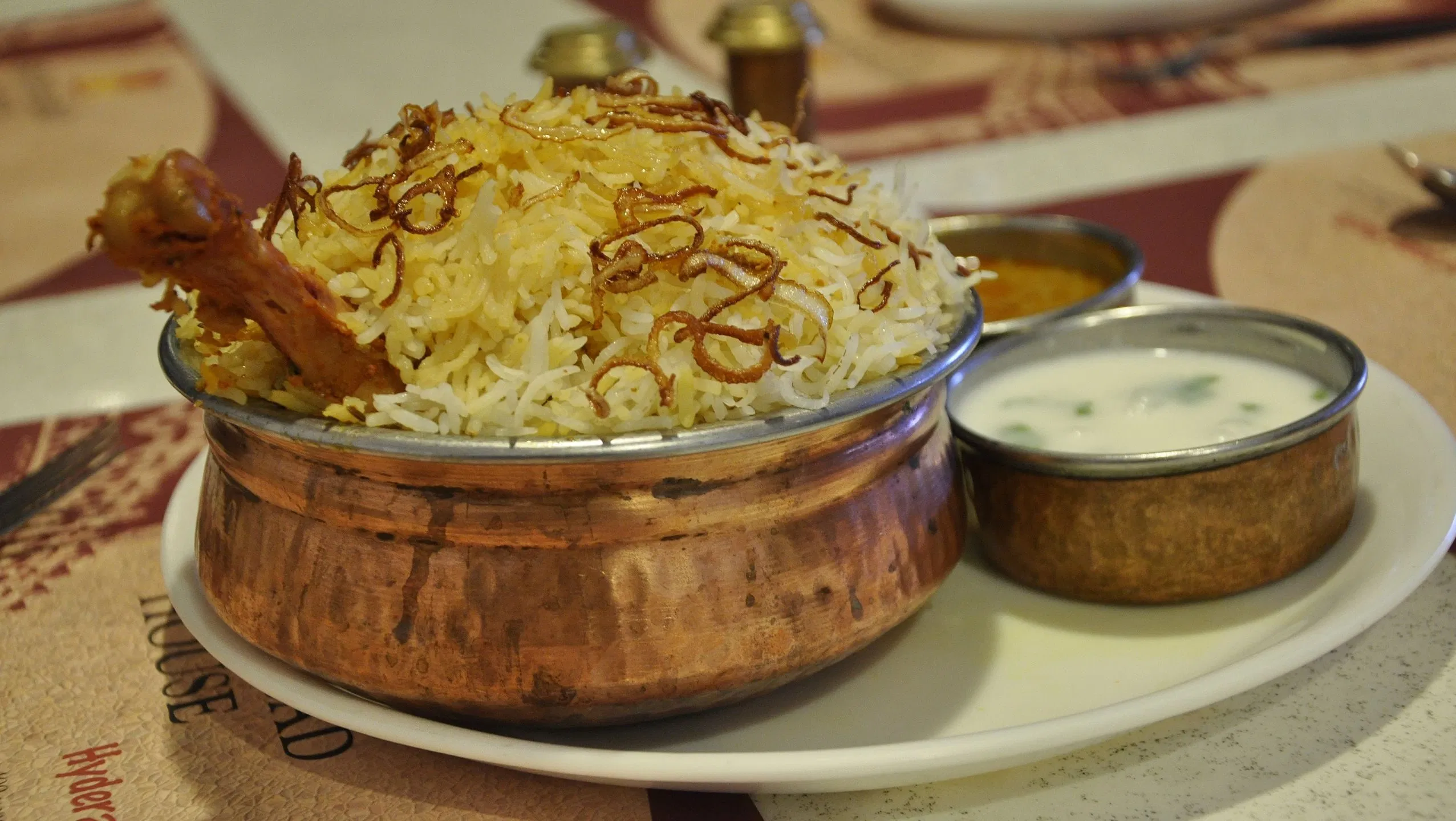
Let’s make a few things clear first. Biryani’s origins can be traced to Central Asian kitchens, but the dish is essentially Indian. In fact, pulao as we know it is generally associated with being vegetarian, but in Central Asia it is largely a dish of slow-cooked meat and rice.The techniques for biryani came to India via migrants from the region and even Persia. The dum technique used to make it was apparently perfected in the royal kitchens of the Mughals. The dish eventually made its way into states and cities under the Mughal Empire.Hyderabad and the Golconda kingdom (covering most of present-day Telangana and Andhra Pradesh), founded in 1591 by Muhammad Quli Qutb Shah of the Golconda dynasty (1518–1687), were eventually conquered by the Mughal emperor Aurangzeb. The Nizams of Hyderabad were appointed Mughal governors of South India, and they would have brought the dish along with them, as their khansamas travelled with them.It is in the royal kitchens of the Nizams of Hyderabad that the Hyderabadi version of biryani was perfected. While the dish itself would have been restricted to the elite, or served at functions, there is also another angle to how biryani became popular in Hyderabad.Thanks to the presence of hundreds of Irani cafés, many of which served as cultural centres, biryani soon became a favourite among locals. Irani café owners have told me how different and meat-heavy the dish was in cafés and Irani restaurants until a few decades ago.Apparently, the meat-to-rice ratio was 65:35, and not the 20:80 ratio it is today.