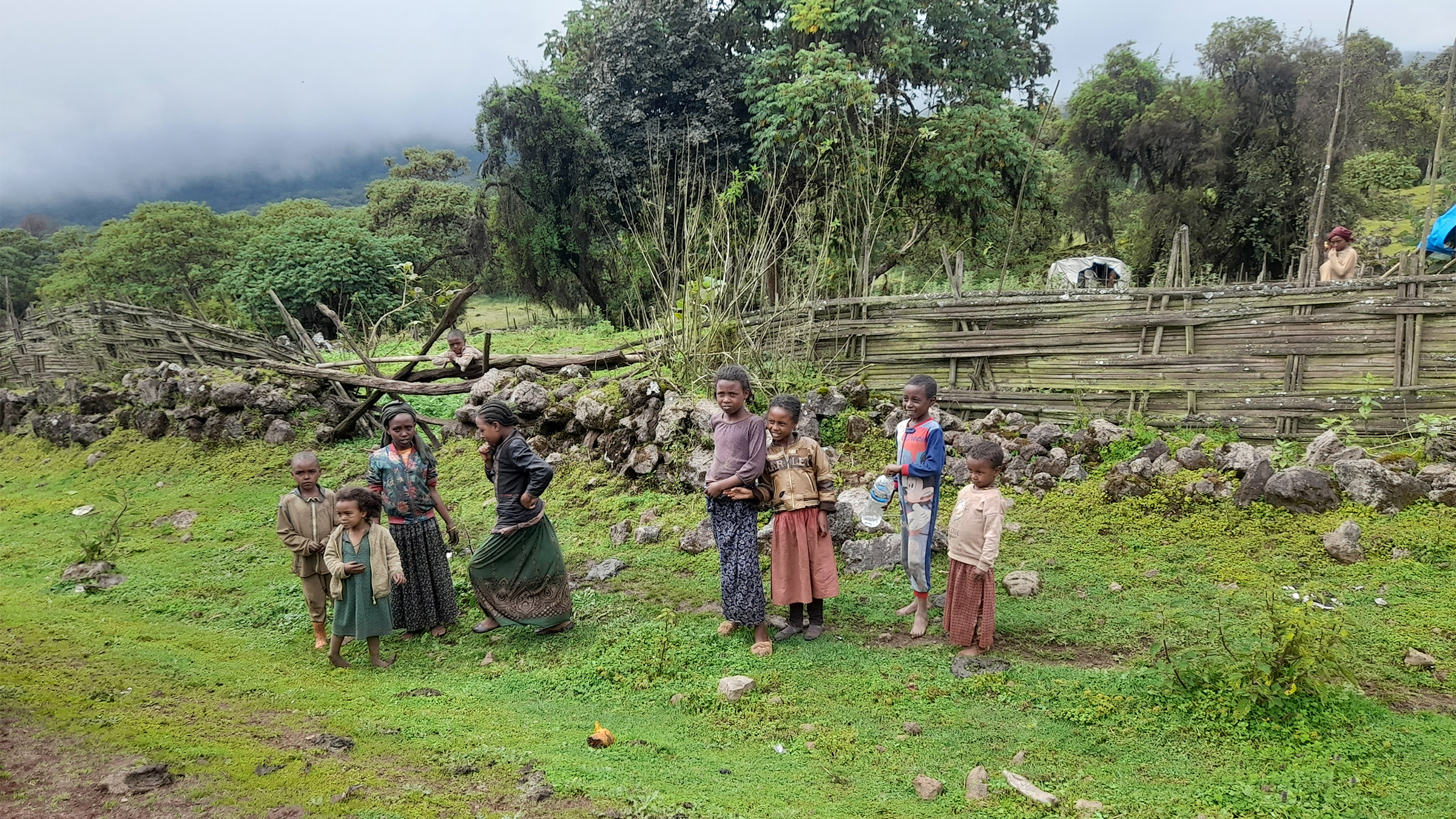
A Nature study finds Ethiopia’s protected areas significantly reduced deforestation and agricultural expansion between 2000–2020, showing stronger-than-expected conservation performance.The study also identifies clear “trade-offs,” with households near many protected areas reporting lower food security and wellbeing, while a smaller share of sites achieved “win-win” outcomes for both people and nature.“Win-win” outcomes that deliver better outcomes for both people and nature occurred in protected areas where conservation objectives were more closely aligned with local livelihood systems, said the authors, and is likely to require more than simply increasing protected area budgets.Researchers say there are some important caveats to their estimates, such as difference in time periods for environmental and wellbeing data and a possible missing confounder but say they believe the results are overall robust.
A new study published in the journal Nature shows that Ethiopia’s protected areas successfully slowed deforestation, limited agricultural expansion and helped maintain grasslands. But the study also suggests the same conservation gains may also be linked to declines in food security and wellbeing for nearby communities — while underlining some caveats in their findings.