An ancient lineage of cyanobacteria is helping biologists uncover an early evolutionary stage of the mind-boggling process that turns light into life.
Son of Alan for Quanta Magazine
Introduction
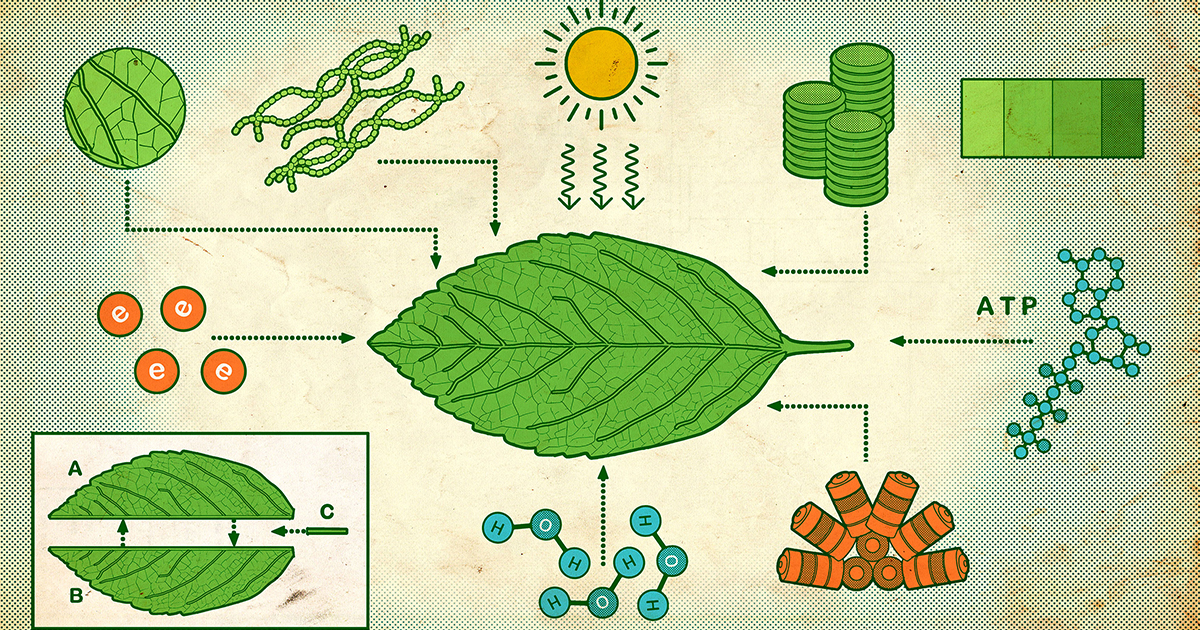
Every second, trillions of watts of solar energy — more than 10,000 times the energy used by modern humans — blast the Earth’s surface. Around 2.4 billion years ago, life took an evolutionary leap when bacteria learned to harness these photons to break apart water molecules and stitch carbon atoms into sugars. Along the way, they flooded Earth’s atmosphere with oxygen and rewrote the rules of life.
“The oxygen-evolving capability was a big innovation. I sometimes call that a singular event,” said Robert Blankenship, a retired biochemist from Washington University in St. Louis. “By all accounts, it only happened once during the process of evolution, and that really set up the world for becoming oxygenated and the wholly aerobic world that we live in now.”