Gilles & Cecilie
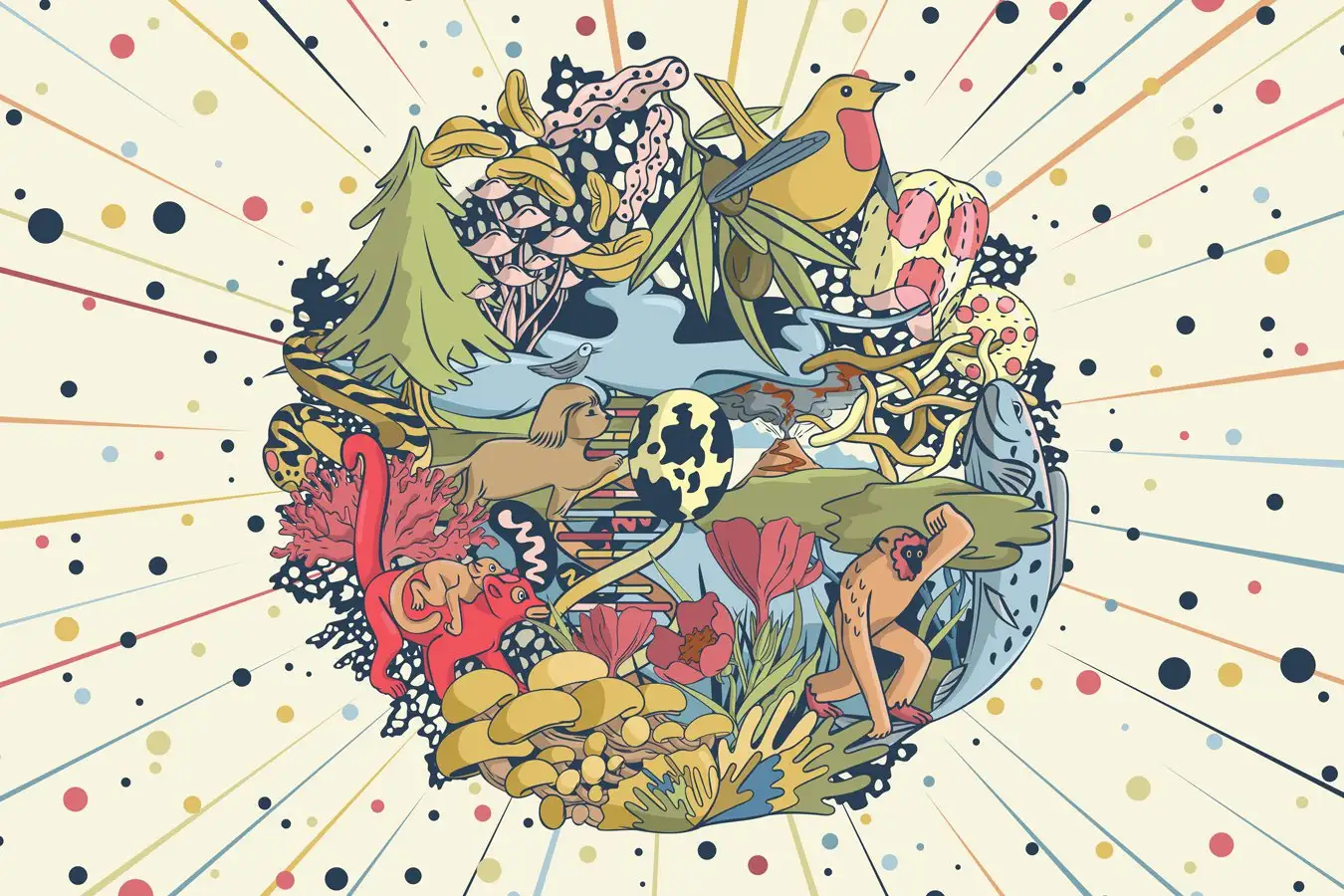
Wherever you are reading this, look around you. Every living thing you can see – other people, pets, birds flying past, trees, flowers, mushrooms, fish – is here because of unions between different species. Classic cases are lichens (typically formed of algae and fungi) or corals (made of algae and animal components), but these examples underplay just how far and deep symbiosis goes.
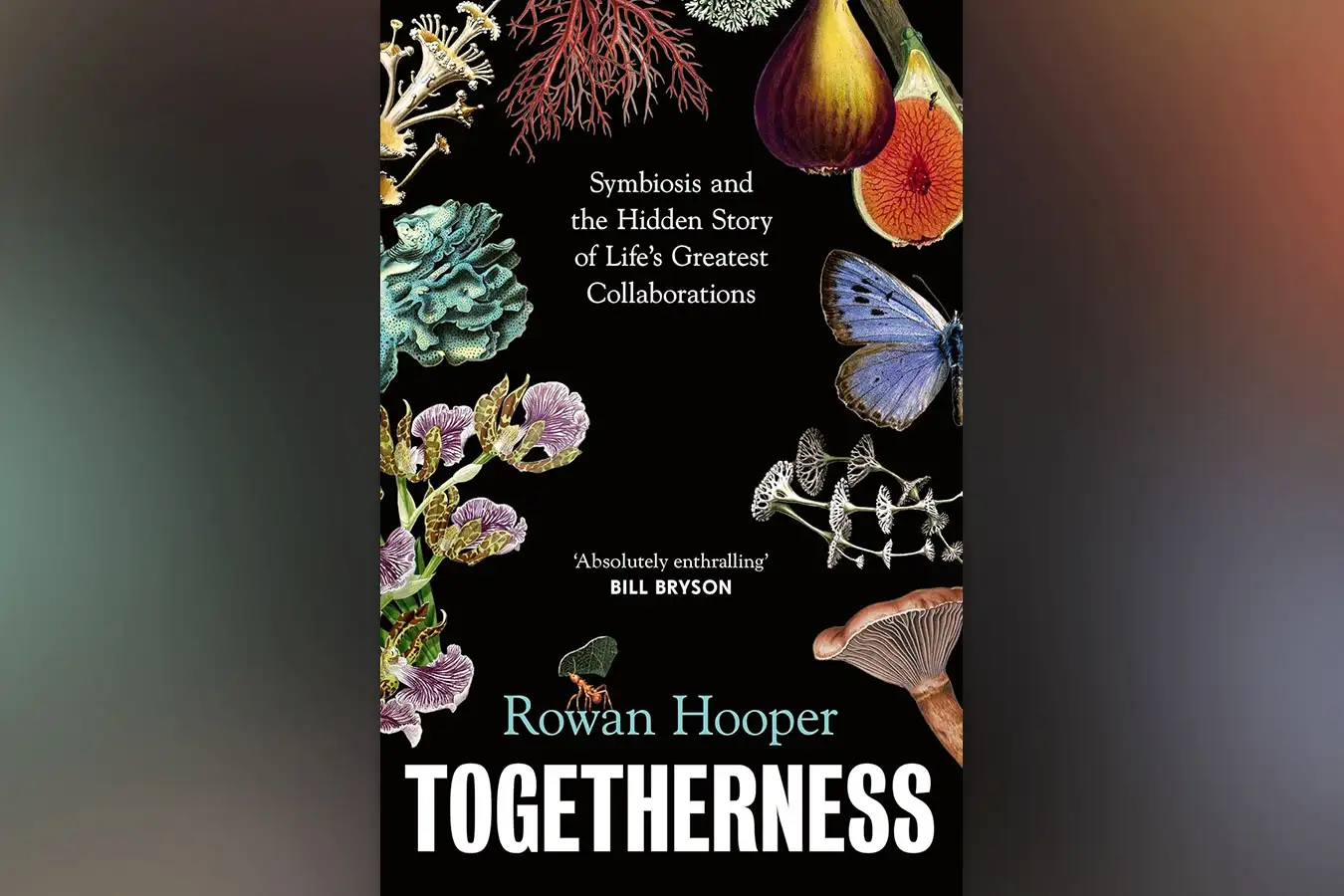
In my new book Togetherness, I make the case that symbiosis – which means “living together” – has been neglected in our explanation of biology and ecology. It’s not just that I think it’s a shame that its significance has been unappreciated; it’s that recognising symbiosis is vital to help us understand who we are and how we came to be.
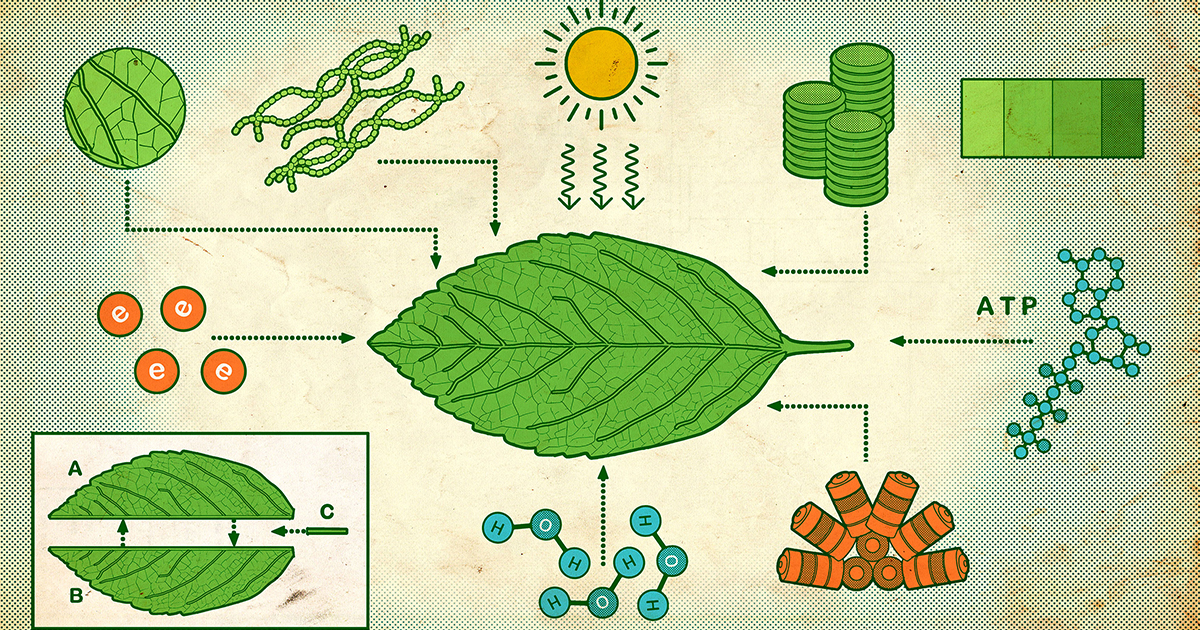
Complex life – all those things you see around you – exists only because of a deep form of cellular symbiosis, and all plants rely on symbiosis to grow and to produce all the food we eat. But this isn’t widely recognised. Since before Charles Darwin published his theory of evolution, and even more so afterwards, we have emphasised the role of competition in the evolution of life, fuelled by the idea of nature being “red in tooth and claw”.
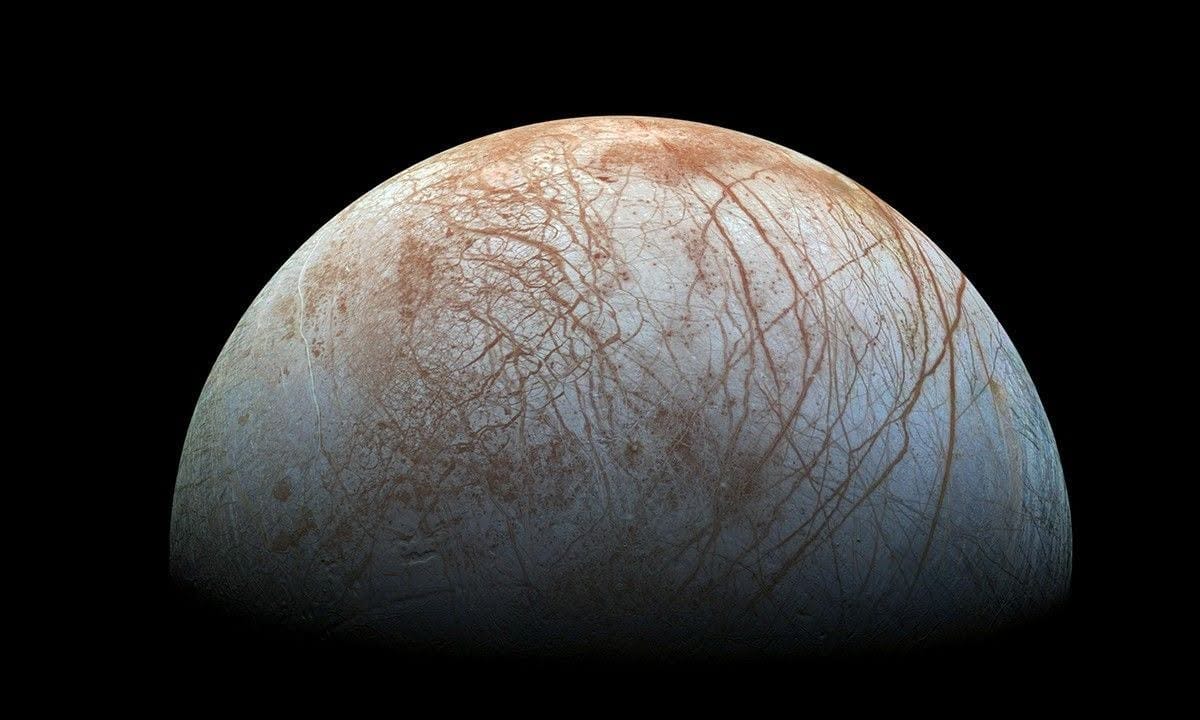
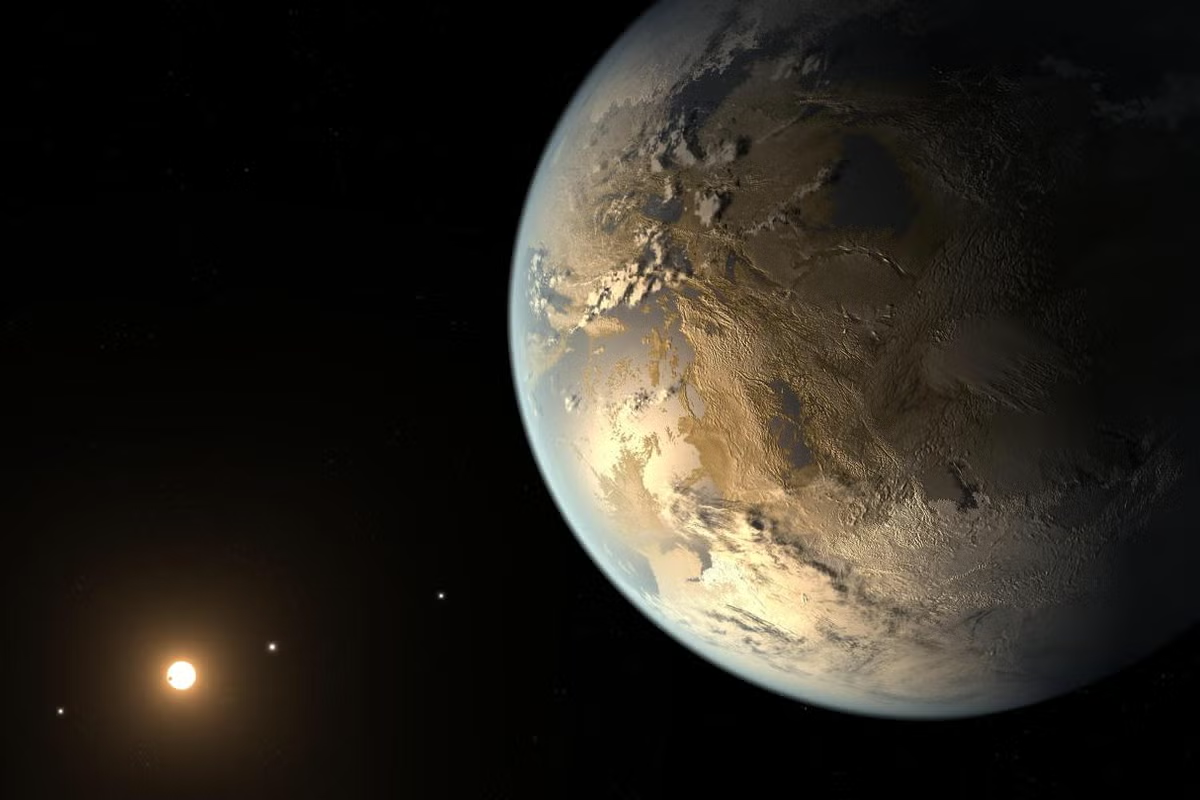
What I didn’t expect to find when researching my book is that the growing understanding of this togetherness, and the way it forces us to look at the world anew, is helping to demystify one of the greatest and oldest questions in science: how did life begin? The picture that is coming into view is set to reshape our definition of what life is – and inform the search for alien life.