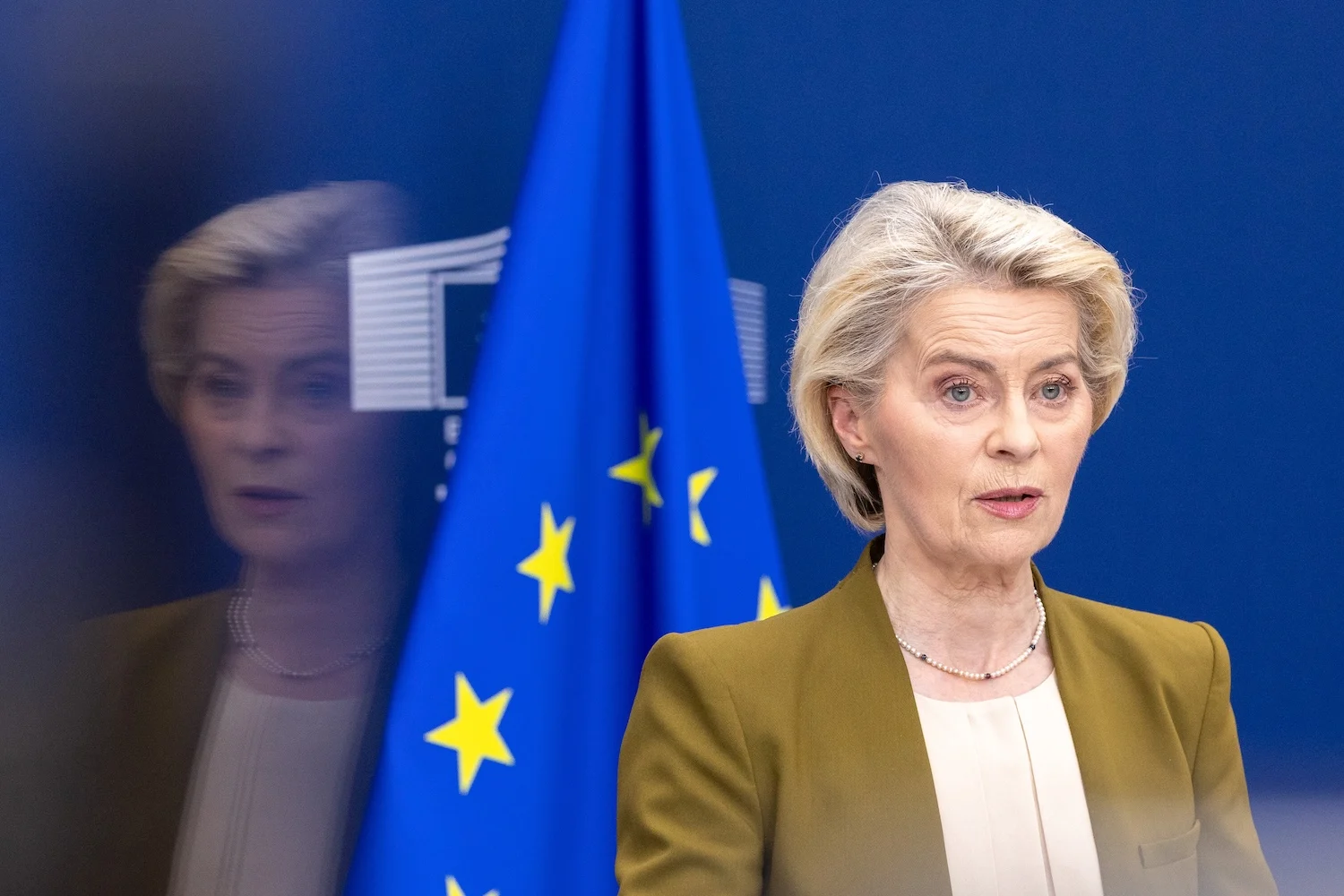
The European Union has proposed its 21st package of sanctions on Russia, a bid to finally bring the Russian war economy to heel, in a war that has now lasted as long as World War I.
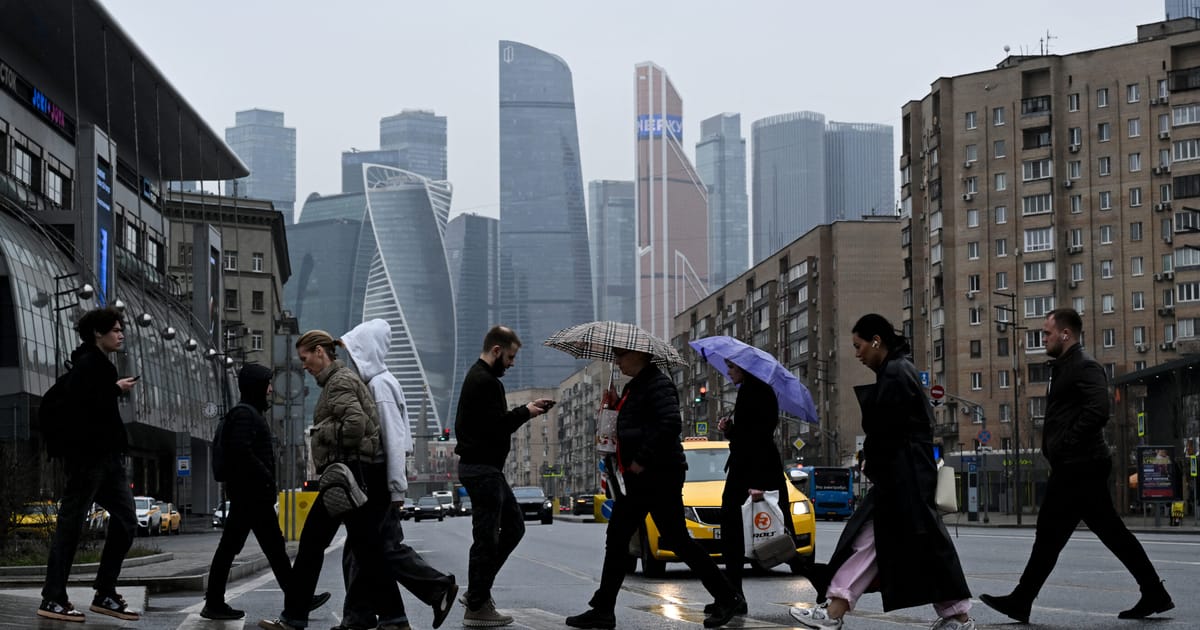
The latest sanctions package is especially important because Moscow has received a shot of relief this spring, thanks to the Iran war and the Trump administration’s easing of sanctions. Russian energy revenues are now at more than two-year highs.
The European Union has proposed its 21st package of sanctions on Russia, a bid to finally bring the Russian war economy to heel, in a war that has now lasted as long as World War I.
The latest sanctions package is especially important because Moscow has received a shot of relief this spring, thanks to the Iran war and the Trump administration’s easing of sanctions. Russian energy revenues are now at more than two-year highs.
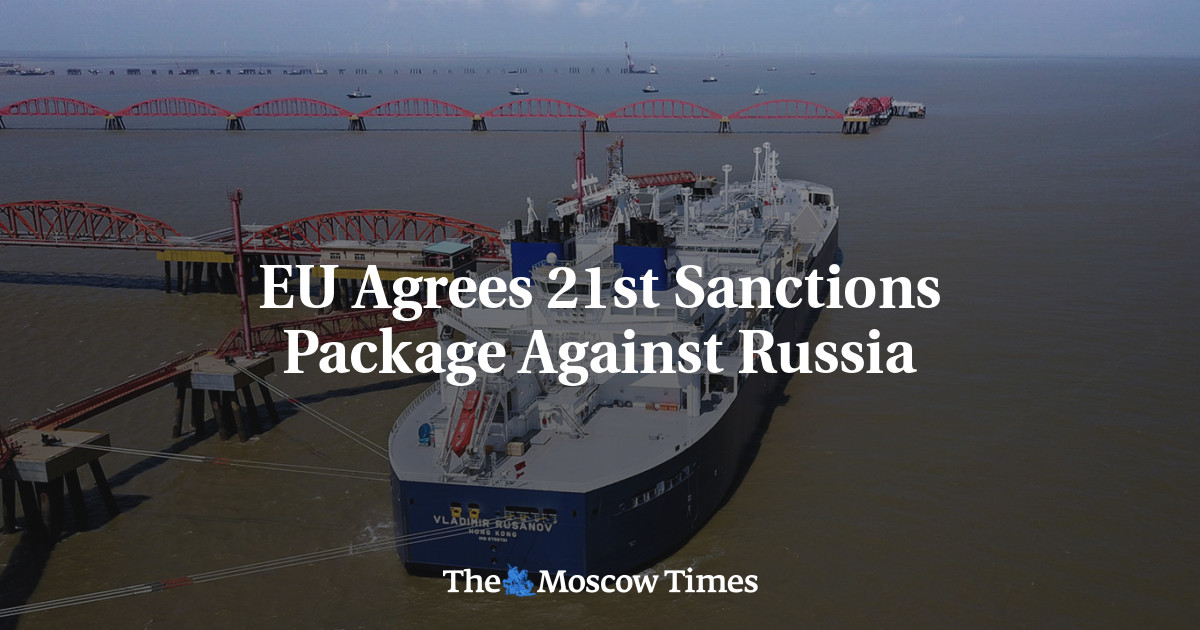
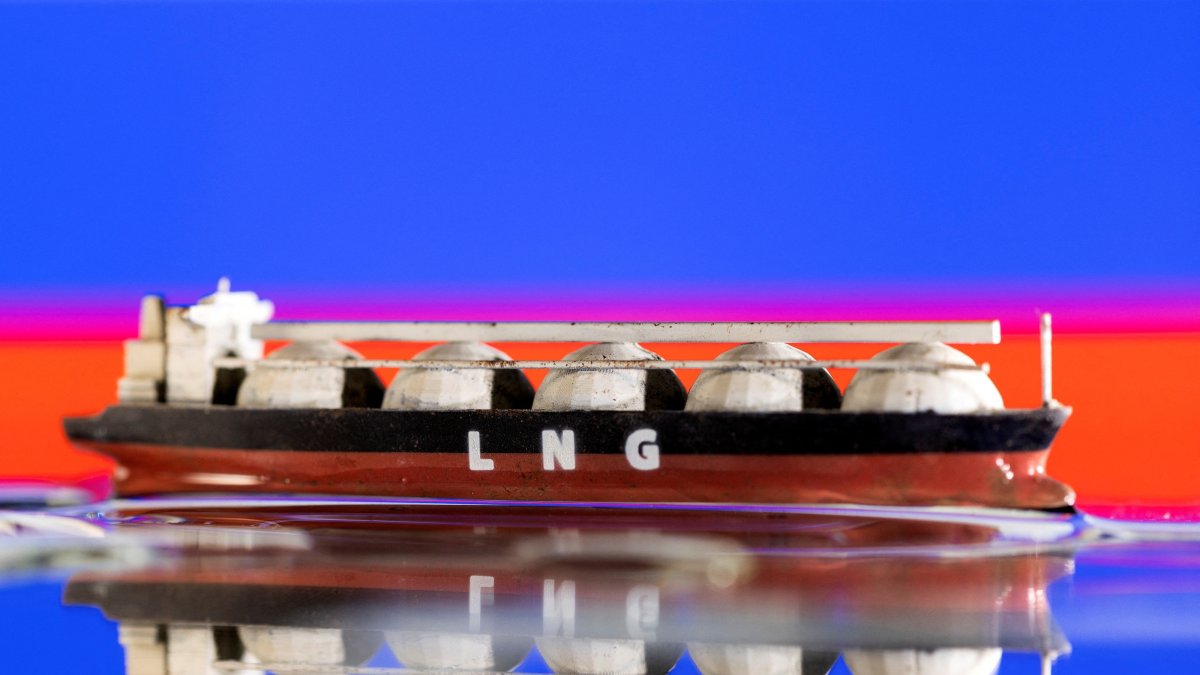
That explains why the European Commission is targeting energy this time, with measures meant to curtail Russian oil earnings; sanction more “shadow fleet” tankers; take aim at ports and refineries that allow Russia to do business even still; and limit the future sale of specialized gas tankers to Moscow. The latest proposed package also sanctions several more Russian banks, seeks to limit trade in items that can aid Russia’s defense industry, and will ban from Europe any Russian who has participated in the “special military operation” in Ukraine, as the Kremlin refers to it.