First-grade students of the Greek School of Stockholm made their own Greek flag on the occasion of the March 25 national holiday. [Greek School of Stockhom - Grekiska Skolan i Stockholm / Via Facebook]
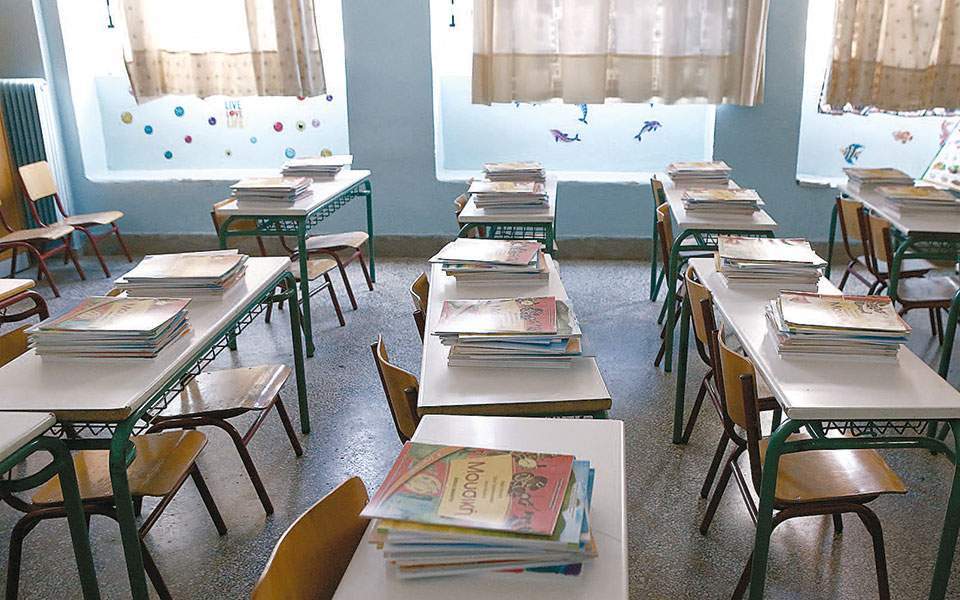
For millions of Greeks living abroad, Greek-language schools remain a vital link to language, memory and identity. Yet across Europe, many face mounting strain. Since the economic crisis, resources have fallen by as much as 80%, while teacher shortages have undermined operations.
At a conference in Stuttgart, Germany, representatives from parent organizations in 13 European countries and more than 40 schools serving about 20,000 students said that preserving Greek is more than an educational choice; for many families, it is an obligation to future generations. Parents often sustain these schools themselves, raising funds, hiring teachers and organizing operations.
In Britain, Brexit ended the temporary placement of teachers from Greece, as visa salary thresholds exceed what Greek educators can earn.
Supporters say state recognition has not been matched by resources. Teachers temporarily assigned abroad numbered more than 2,000 in 2009; today they total fewer than 750 for an estimated 6 million to 7 million Greeks abroad, raising concerns.