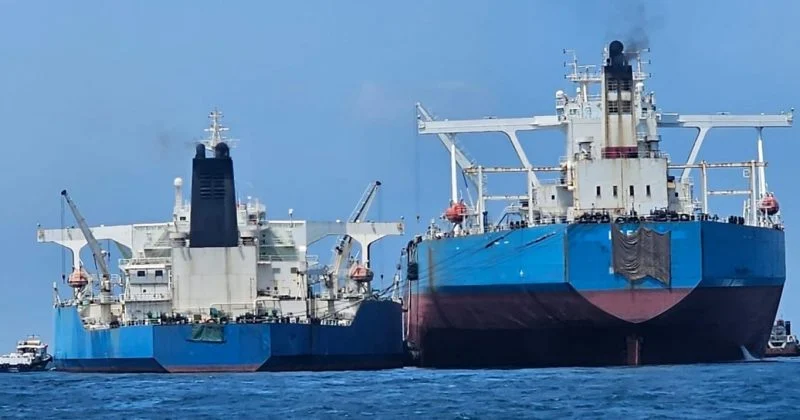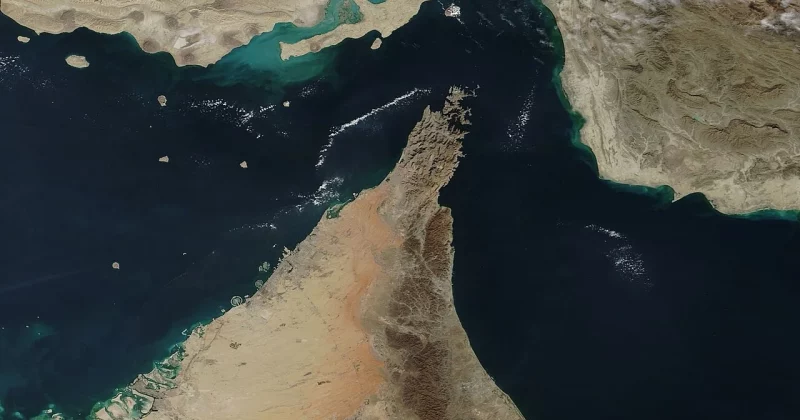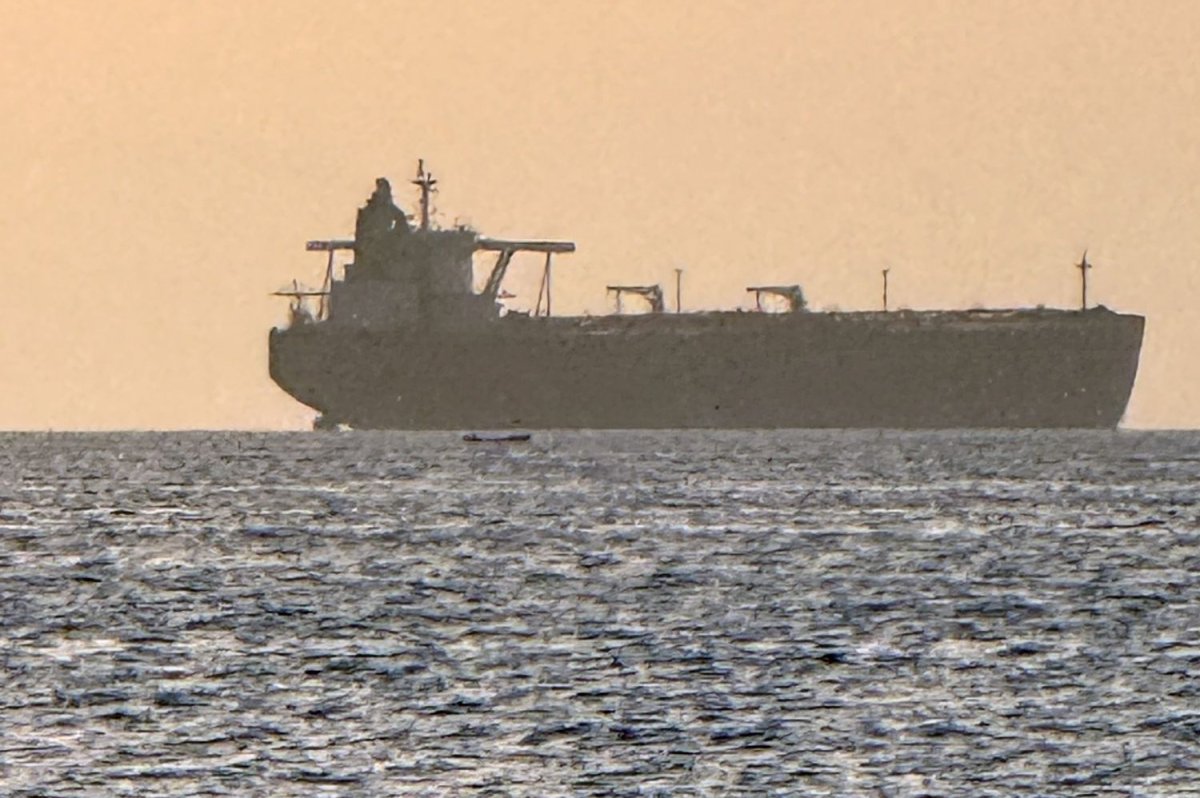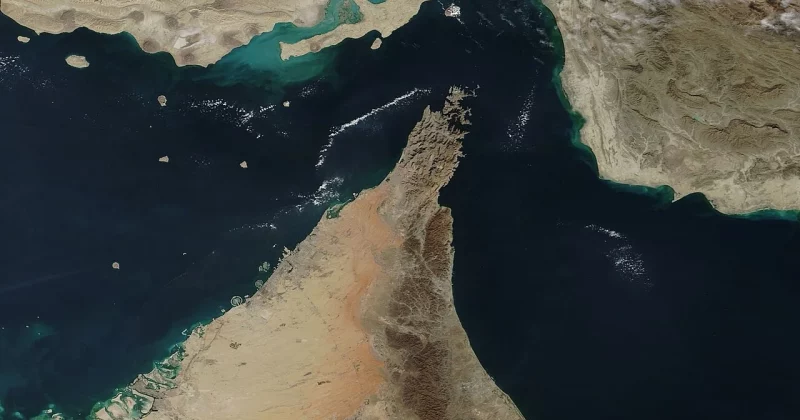
OPEC oil output in May hit its lowest in more than two decades, a Reuters survey found, as a U.S. naval blockade cut Iran's exports and Iran's effective closure of the Strait of Hormuz slashed exports by other Gulf producers. Output by the 11-member Organization of the Petroleum Exporting Countries fell by 1.06 million barrels per day month-on-month to 16.13 million bpd, the survey found.Also read: 7 OPEC+ nations announce second straight 188,000 bpd output increase for July That was the lowest monthly figure since at least 2000, according to Reuters surveys, and well below the levels seen during the COVID-19 pandemic in 2020 when demand collapsed. The figures exclude the United Arab Emirates which quit OPEC as of May 1. Iran experienced the biggest drop, reflecting the impact of the U.S. blockade which started on April 13, the survey found. Iran's exports of crude oil and condensate fell to their lowest in at least six years. Saudi Arabia had a further decline, although Iraq was able to increase supply due to increased domestic use, sources in the survey said. Venezuela and Nigeria also pumped more.Also read: Fitch sees global oil markets returning to oversupply after Hormuz reopens Eight members of the OPEC+ producer group, which includes OPEC plus allies including Russia, had agreed to raise production in May, but the Iran war and U.S. blockade made that impossible. The Reuters survey is based on flow data from financial group LSEG, information from other companies that track flows, such as Kpler, and information provided by sources at oil companies, OPEC and consultants.
OPEC oil output lowest since at least 2000 as US blockade squeezes Iran: Report
OPEC oil output in May plummeted to its lowest in over two decades, dropping by 1.06 million barrels per day. This significant decline was primarily driven by a U.S. naval blockade impacting Iran's exports, making it impossible for OPEC+ members to meet their planned production increases.
262 words~1 min read