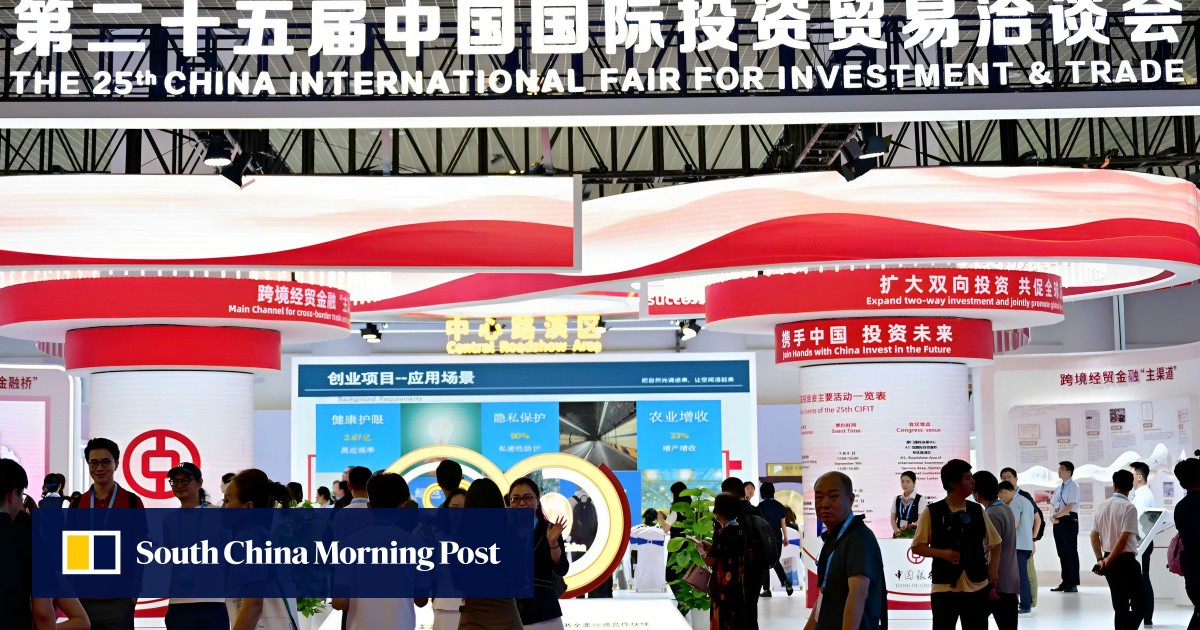
Harvard Business Review LogoJune 10, 2026CFOTO/Getty ImagesFor decades, multinationals treated China primarily as either a vast growth market or a rising competitive threat. But as growth slows, competition intensifies, and operating conditions becomeFor decades, multinationals largely framed China in one of two ways: The country was either an enormous growth market—challenging to operate in, but too big to ignore—or a rising competitor, increasingly difficult to out-run. As a result, they organized China operations downstream—focused on localization, market access, and revenue—while keeping core innovation anchored elsewhere.
Where Does China Fit in Your Company’s Innovation Strategy?
For decades, multinationals treated China primarily as either a vast growth market or a rising competitive threat. But as growth slows, competition intensifies, and operating conditions become more difficult, many firms are rethinking China’s role. Increasingly, they are using the country not just as a destination market but as a platform for accelerating innovation—leveraging its fast-moving regulatory environment, tightly integrated R&D and manufacturing ecosystems, and deep engineering talent pools to speed learning, validate technologies, and scale capabilities globally. Companies including Pfizer, Michelin, BMW, Bosch, and Nvidia illustrate how firms are using China to shorten innovation cycles while managing geopolitical and operational risks by defining China’s precise role within their global innovation system, designing for controlled knowledge-sharing, and avoiding overdependence through diversified R&D and supply chains.
85 words~1 min read