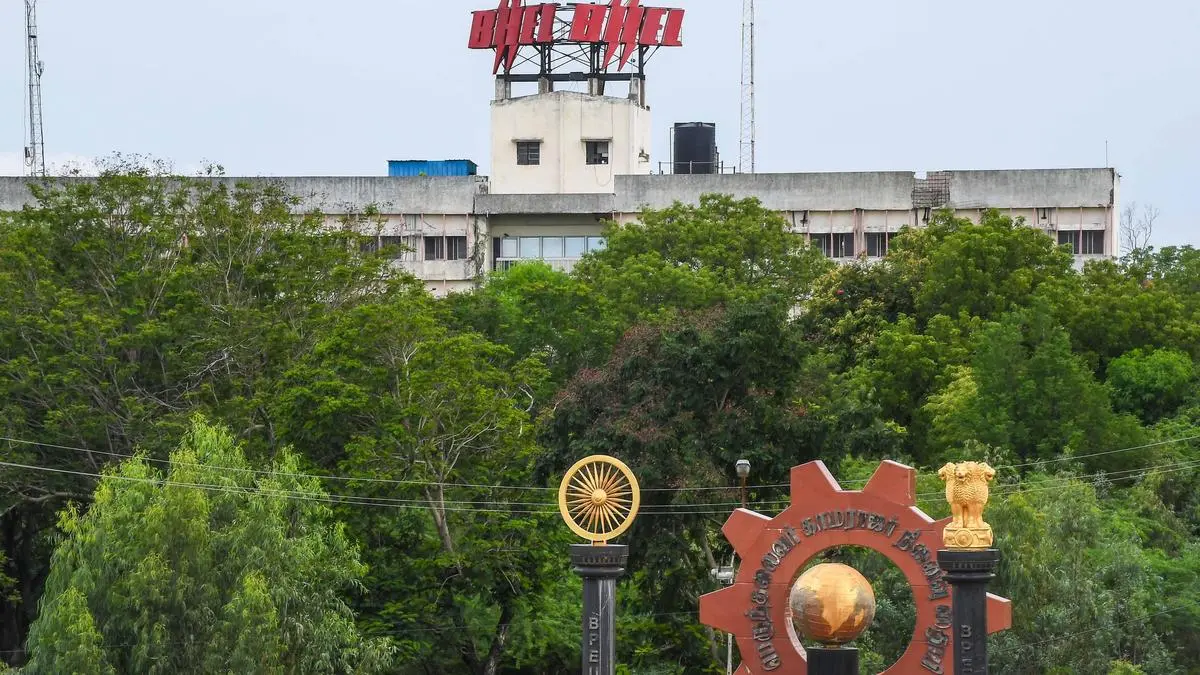
Exempting BHEL from India’s 2020 land-border import restrictions has caused friction and disparity among other PSUs
| Photo Credit:
Selvamuthukumar R
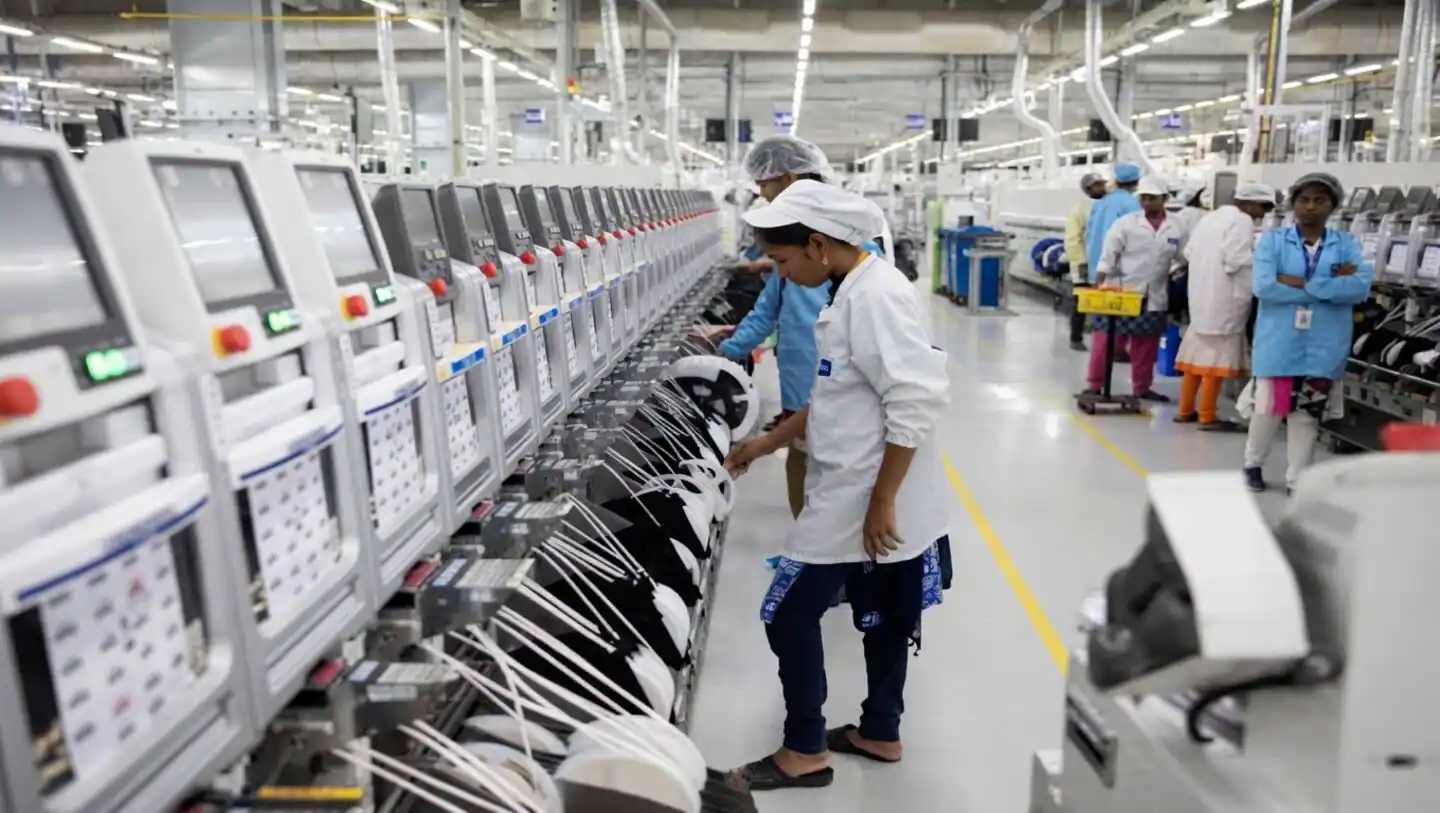
The government's selective easing of the 2020 border-country import restrictions has created an uneven playing field for state-owned enterprises. While it allows Bharat Heavy Electricals Ltd (BHEL) a five-year relaxation to import, those still bound by the national security curbs face a distinct commercial disadvantage.The Finance Ministry on July 23, 2020, after the Galwan face off with China, issued a notification amending General Financial Rules 2017 to impose “restrictions on bidders from countries which share a land border with India on grounds of defence of India, or matters directly or indirectly related thereto including national security.”Trade barriersThough the order did not name the border sharing neighboring countries, it was targeted at China to induce trade barriers post Galwan face off.The directions were applicable to public sector banks and financial institutions, autonomous bodies, Central public sector enterprises and public private partnership projects receiving financial support from the government or its undertakings and State governments’ enterprises. It also mandated registration of companies for security and other vetting before engaging in trade.The notification had clarified towards the end that the restrictions did “not apply to procurement by the private sector.”The Department of Expenditure, under the Ministry of Finance, however, granted BHEL a five-year relaxation under Rule 144(xi) of the GFR in March, this year, which was confirmed by the enterprise in its BSE filing. It got permission to procure 21 specified items, which it did not disclose, from companies in countries sharing land borders with India, indicating also at China.The Ministry of Finance did not respond to a detailed questionnaire mailed on Tuesday.BHEL relies on specialised metals, alloy inputs, and magnetic components for large-scale power equipment, turbines and railway traction systems, among others. Likewise, aerospace and defence companies in India and abroad, including major global contractors, heavily rely on processed Chinese rare earth metals for guidance systems, smart munitions, radar arrays, and stealth layers.Top sources in PSUs said on the conditions of anonymity that the curbs, which have not been lifted in their entirety for all state-owned enterprises, are creating an uneven playing field. “We end up paying much higher price for import of strategic metals from Europe. Apart from that, we have to face global supply chain disruptions due to ongoing conflicts which is impacting our manufacturing and performance,” said a miffed CMD of a public sector enterprise.Uniform policyHe sought a uniform revised policy directions from the government on this subject to address anomalies arising out of exempting a PSU from the restrictions and leaving private sector completely untouched from sourcing strategic materials from abroad.“If trading with China posed a legitimate national security threat, why bar public sector companies while giving access to entire private firms?”wondered the CMD.A recently retired CMD of a PSU said there are more instances of lack of level playing field between public and private companies. Though the GFR amendments can only be applicable to government entities, the Ministry could have used other instruments to put curbs on private entities as well to ensure common standards for both, he remarked.Infact, PSUs are more cautious and bound by rules in comparison to private players to deal with such situations.Published on June 10, 2026