Show Caption
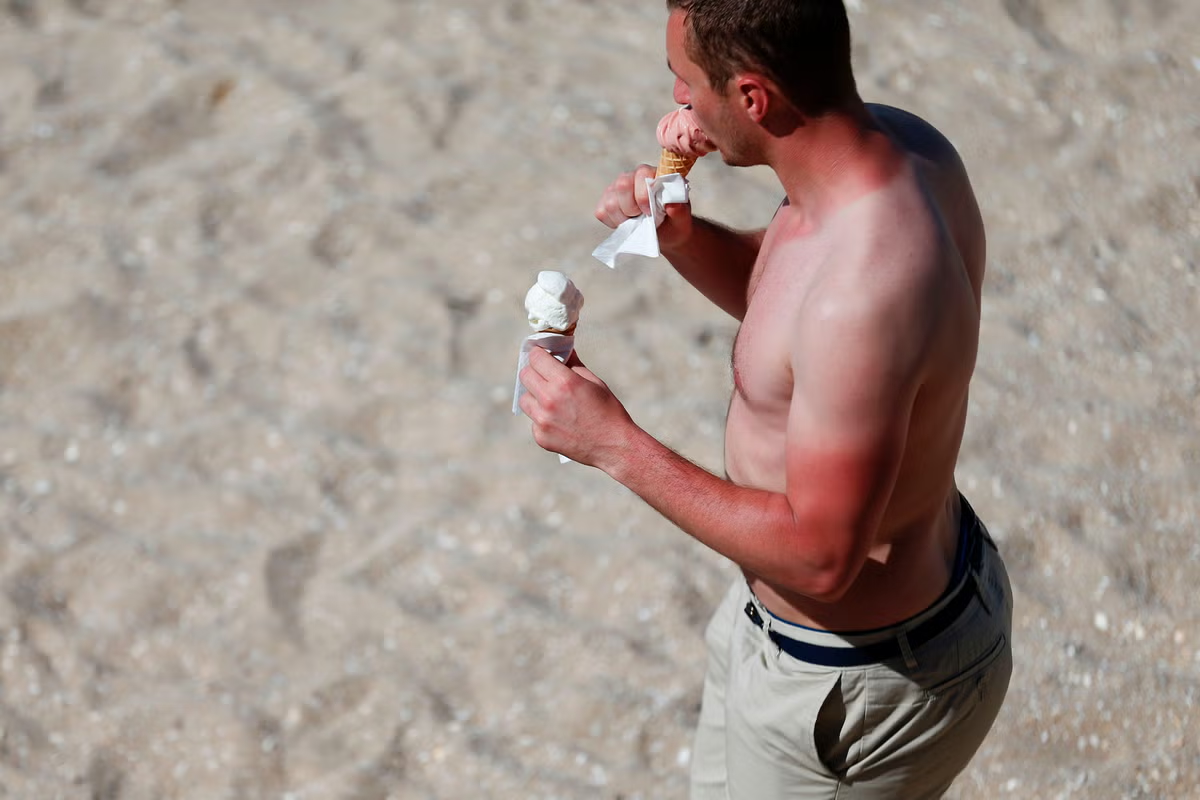
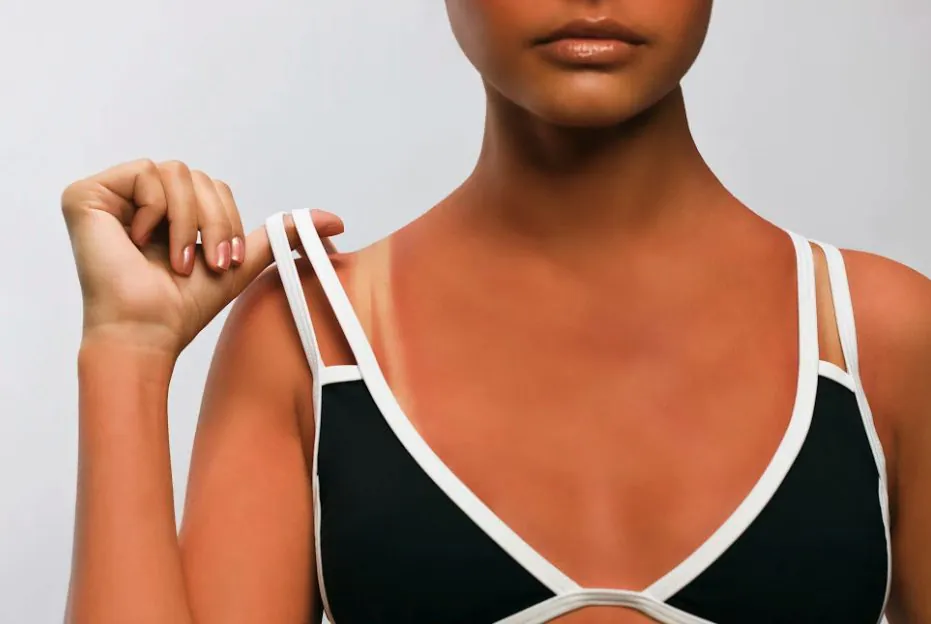
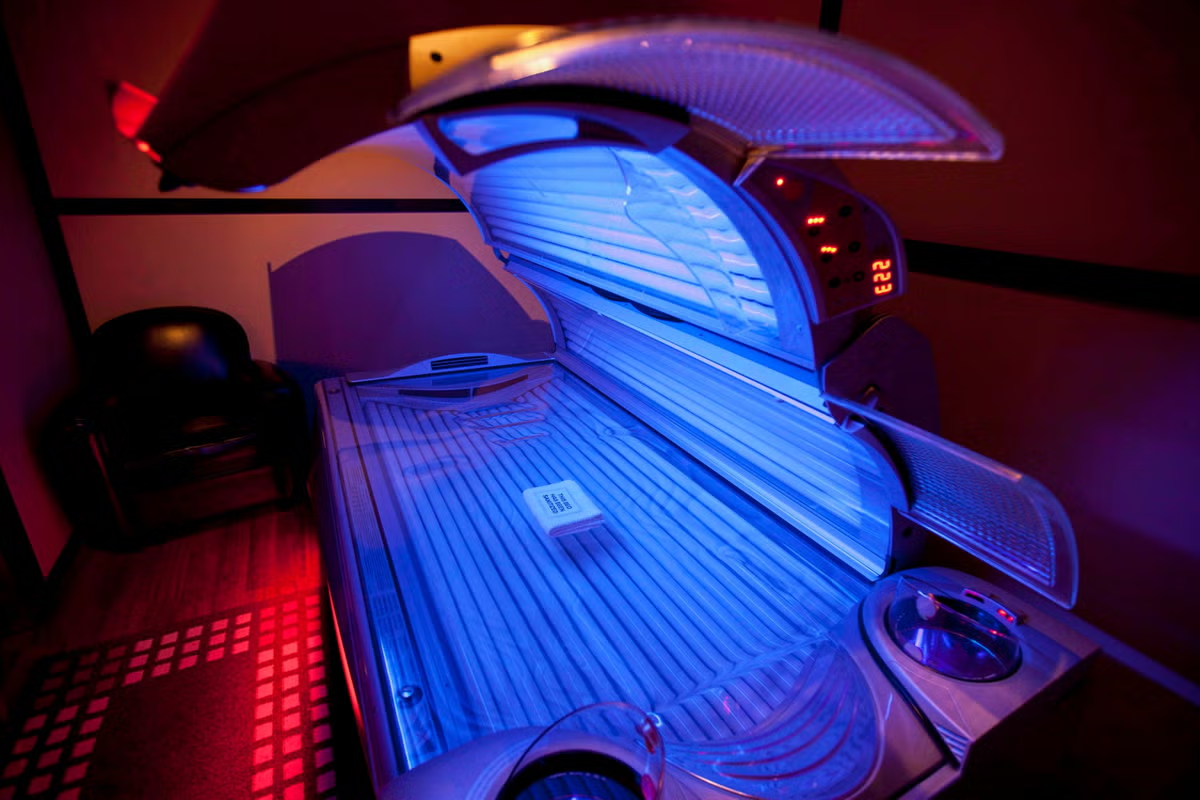
Gen Z grew up hearing the warnings about skin cancer, tanning beds and the importance of sunscreen.Yet now, some are ignoring all those years of sun-safe education.It seems the summer of “tanmaxxing” is upon us, and some young people are going to extreme lengths to chase bronzed skin. TikTok’s For You Page is full of young “tanfluencers” using apps to track UV-index windows, documenting their sun exposure and trying “tanning pills.” While having a summery glow has long been an American beauty standard, experts are concerned the viral trend is setting back efforts to inform young people about sun safety.“It’s terrifying,” says Dr. Shereen Teymour, a board-certified dermatologist in New York. “It's essentially tanning culture that's kind of getting a new Gen Z rebrand.”What is 'Tanmaxxing,' and why is Gen Z doing it?“A little burn goes a long way,” one creator captioned a video with the text “sunmaxxing” playing over a trending audio. “Tanning bed hallelujah,” a viral reference to Justin Bieber's hit by the same name, another TikToker posted. Others post with the hashtag #TanTok to show off tan lines, share tanning bed prep routines and use tanning stickers reminiscent of the Y2K-era Playboy logos, hearts and stars popular in the early 2000s. For 25-year-old New Jersey-resident Arielle Sinicin, a perfect summer day down at the Jersey Shore always consisted of body surfing, smoothie bowls, and of course, tanning. She says the trend, which she’s posted about, “definitely could perpetuate younger girls not wearing sunscreen” and wanting to try tanning beds, but says those things are happening anyway. “It's just really a cultural phenomenon that being tan is equal to feeling pretty,” Sinicin says. While indoor tanning’s decline in the mid-2010s was celebrated as a public health victory, the beds are now seeing a cultural resurgence among some young people, to the concern of millennials like Teymour, a 34-year-old who used to frequent tanning salons before she knew better.Even as the market for decidedly safer in-studio and at-home spray-tan options expand, some young people consider the affordability, convenience and authentic-looking results of tans from sitting out in the sun or tanning beds worth the risk. Self-tanner paints the top layer of the skin, sometimes resulting in an orange or streaky look if applied poorly, while tanning bed UV rays stimulate melanin production in the same way the sun does.Kamren Fisher, a 21-year-old in southern Utah who participated in the trend, uses self-tanner in the winter but prefers spending time outside during the summer.“We're almost to the point where everyone is educated enough to be like ‘Hey maybe we shouldn't go to tanning beds,’ … but in replacement of that, they go and sit (outside) in a UV 10 for hours and hours with no protection,” Fisher says.The World Health Organization classifies indoor tanning devices and ultraviolet radiation as carcinogenic, meaning they can cause cancer. They're in the same category as cigarette smoking, asbestos and plutonium. And at least 1 in 5 Americans will develop skin cancer in their lifetime, according to the American Academy of Dermatology.“There's no such thing as a safe tan,” Teymour says, unless it's a spray tan.A recent survey on sun protection habits from the American Academy of Dermatology found that 64% of Gen Z respondents had encountered sunscreen misinformation online. The cohort also reported the lowest awareness of SPF minimums, and 20% said getting a tan was more important to them than preventing skin cancer.The trend, which has also appeared under names like UV maxxing, carrotmaxxing, bronzermaxxing and sunmaxxing, has roots in the controversial "looksmaxxing" community, which is tied to extreme measures to maximize physical attractiveness.‘Tanning is starting to be packaged almost like a beauty routine’Teymour says she’s concerned about the similarities between how content creators post about skincare routines and tanning hacks. “Tanning is starting to be packaged almost like a beauty routine or a wellness habit rather than what it actually is,” Teymour says. “It’s literally your skin saying, ‘I'm being damaged, let me produce more pigment to try to protect myself.’”Teymour says Gen Z is “arguably the most educated” generation when it comes to using social media to learn about skincare, and yet, she’s observed misinformation spread rampantly online, including debunked myths that a pre-vacation base tan can prevent sun damage and that indoor tanning is safer than sunbathing. Some tanfluencers are even buying non-FDA-approved products online, including Melanotan II pills and nasal sprays, also known as “Barbie peptides,” they claim can help with tanning. Teymour says people should steer clear.“People see these products online, and they just assume they're another wellness supplement, and they're harmless,” Teymour says. [“It’s] really concerning and scary that people are using this product thinking it's harmless.”How to stay safe in the sunLimit direct sun exposure: When the UV index is 3 or higher, avoid direct sunlight or apply sunscreen. “A lot of people think that sun exposure is just laying out on the beach in the summer, but everyday life, like walking your dog or commuting, running errands… all of that exposure adds up over time,” Teymour says.Look for broad-spectrum protection that's SPF 30 or above: Teymour says to choose sunscreens that protect against both UVA and UVB rays.Reapply: “If you don't reapply your sunscreen every two hours, it's as if you never applied it in the first place,” Teymour says.Find a sunscreen that you’ll actually wear: “The best sunscreen isn't the trendiest one or the most expensive one,” Teymour says, “it's just the one that you're going to use most consistently.”Rachel Hale’s role covering Youth Mental Health at USA TODAY is supported by a partnership with Pivotal and Journalism Funding Partners. Funders do not provide editorial input.Reach her at rhale@usatoday.com and @rachelleighhale on X.