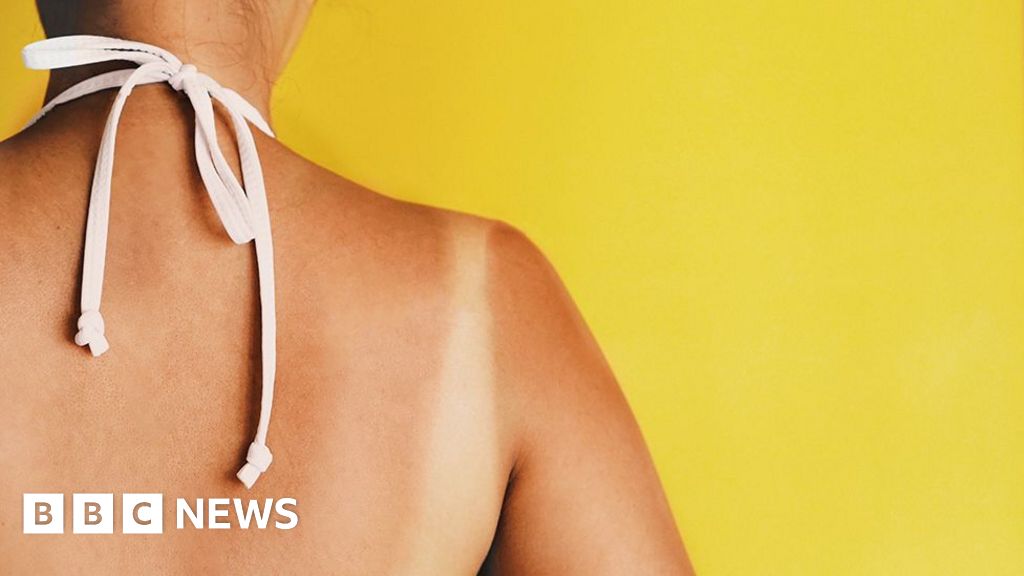
Nasal sprays, injections and sunbeds – for many people, the yearning for a tan now outweighs the risks. But why?
H
annah Clark got her first spray tan for her school prom and has never looked back. “I’m not proud of it, but I have used sunbeds,” says the 29-year-old graphic designer from Plymouth. Her goal is “that glow you get when coming back from holiday. You know, when you walk around and people say: ‘Oh, you look really healthy.’ It’s that feeling I’m chasing.”
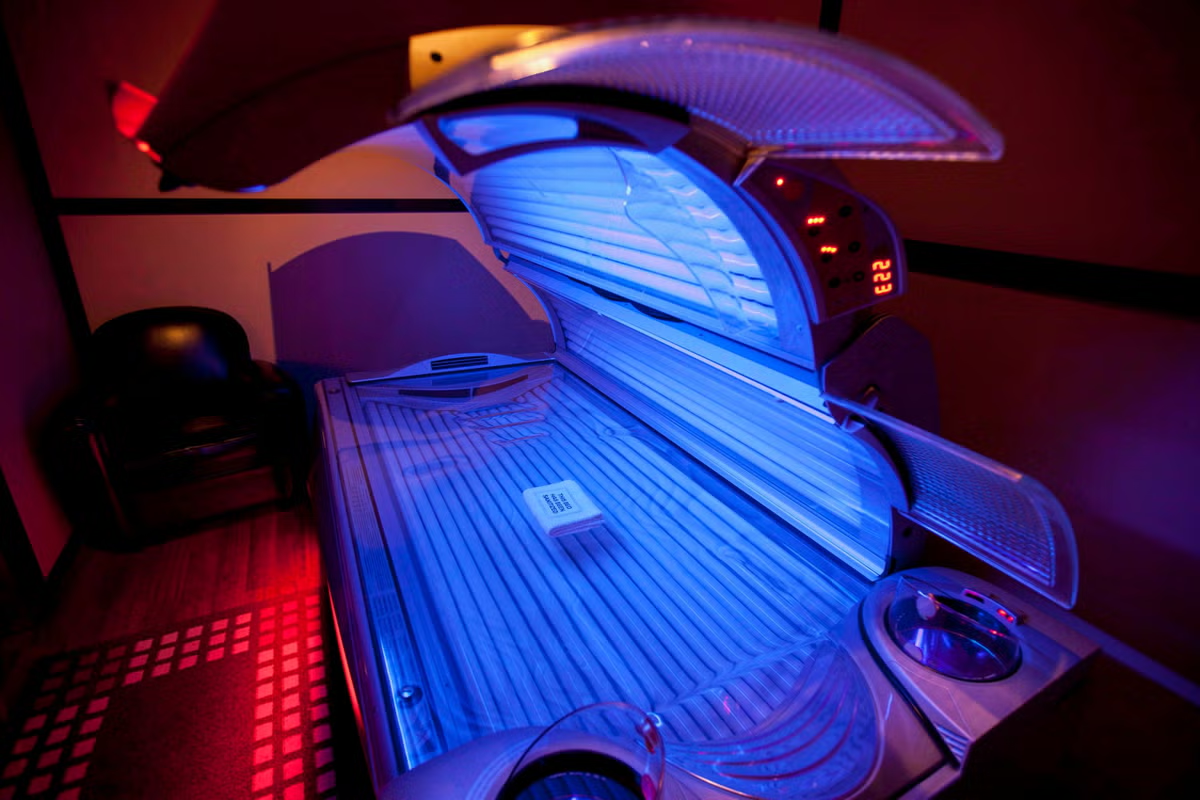
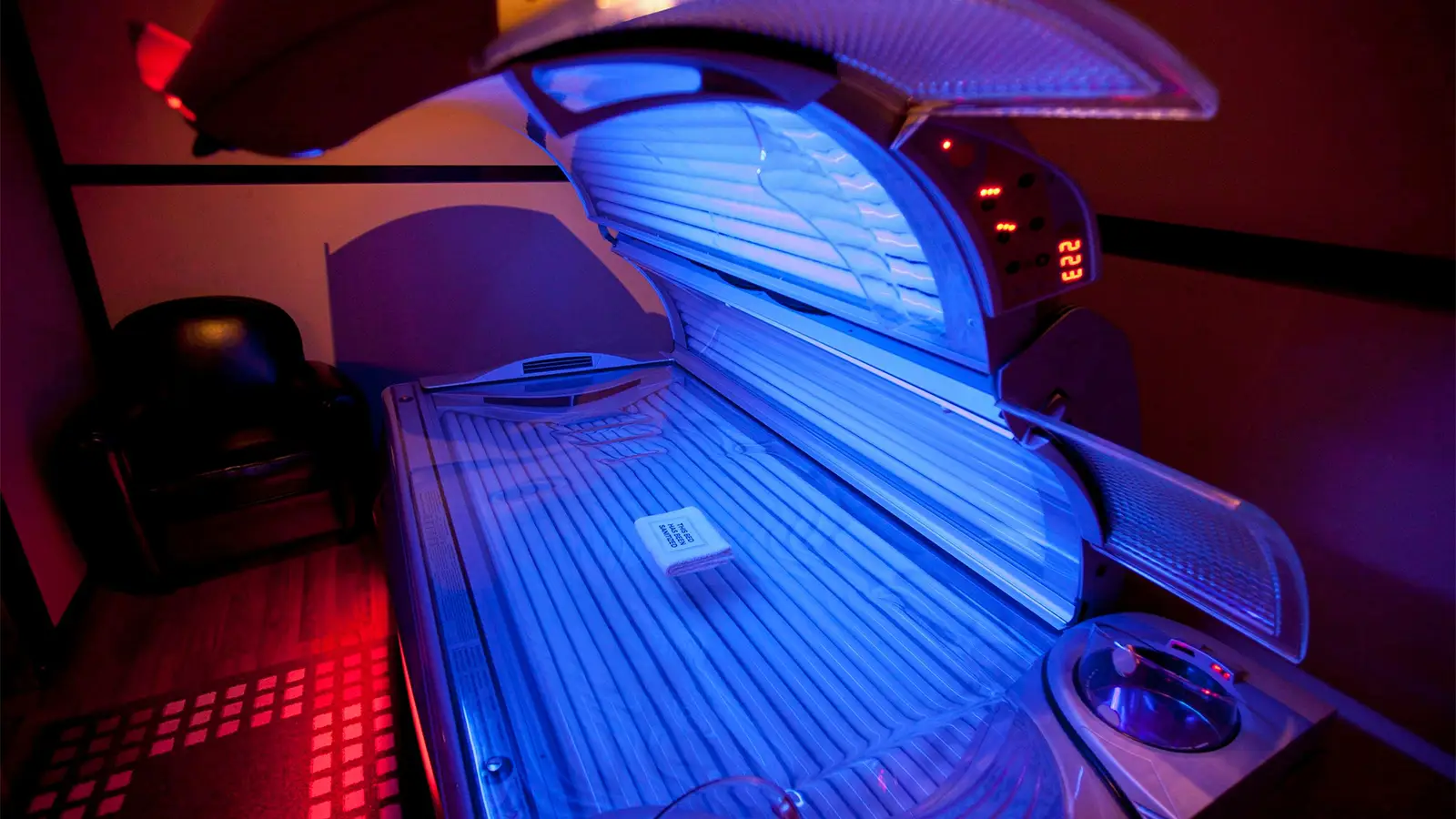
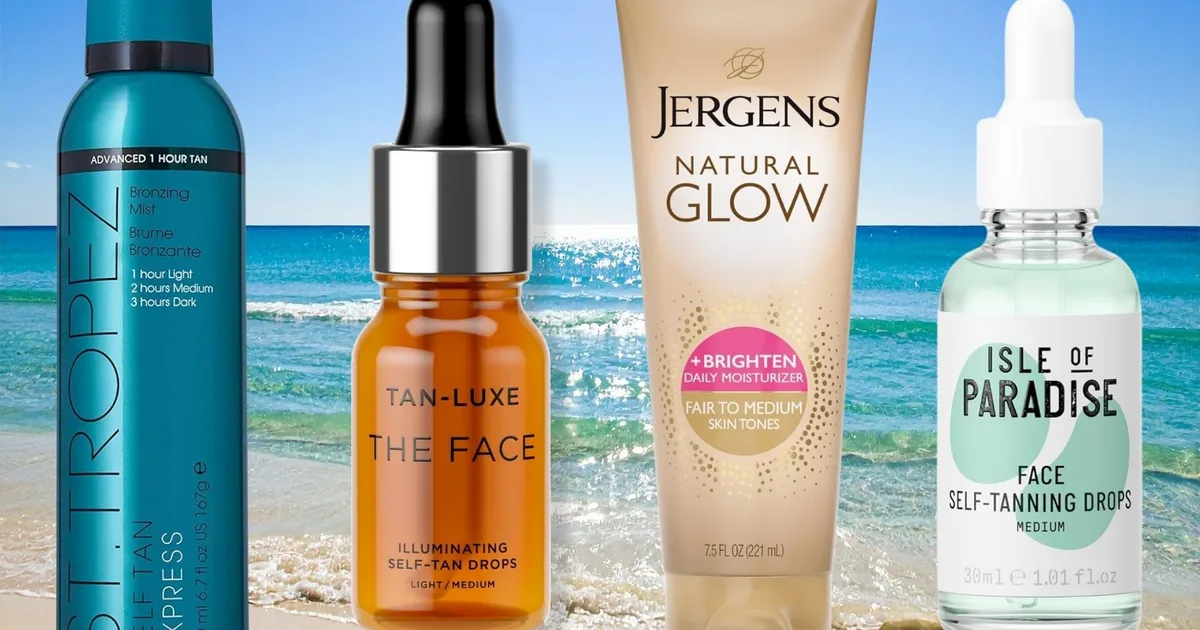
Clark is far from alone. On TikTok and Instagram, posts with the hashtag “sunbed” number more than 500,000. Last year, a survey from skin cancer charity Melanoma Focus found that 28% of UK adults use sunbeds, but this rose to 43% among those aged 18 to 25. This new generation of younger tanning obsessives will go to extreme lengths to darken their skin. Some track the UV index – the level of the sun’s ultraviolet radiation – and deliberately sit in the sun at the most dangerous times of day. Others use unregulated nasal tanning sprays and injections, which rely on a chemical to darken the skin.
All the people under 30 I spoke to for this article know how dangerous tanning is. NHS guidance states that there is no safe or healthy way to get a tan and advises keeping out of the sun between 11am and 3pm, wearing sunscreen of at least factor 30, and covering up with clothing, hats and sunglasses. Dr Zoe Venables, a consultant dermatologist at Norfolk and Norwich University hospitals, with an interest in skin cancer epidemiology, says that when skin turns darker after UV exposure it “suggests you’re damaging those cells in your skin”.